
Tiramisu Authenticity Checker
Select the ingredients included in your version of the dessert. Based on the history of Veneto and Friuli, we will calculate how "authentic" your recipe is compared to the classic 1970s style.
Mascarpone
Rich cream cheese (Lombardy)
EssentialSavoiardi
Ladyfinger biscuits
EssentialEspresso
Strong brewed coffee
EssentialEggs
Whole eggs or yolks
EssentialSugar
Sweetener
EssentialCocoa Powder
Dusting for contrast
TraditionalAlcohol
Marsala, Rum, or Liqueur
OptionalVanilla Extract
Flavoring agent
Modern TwistChocolate Chips
Mixed into cream
Modern TwistAnalysis Result
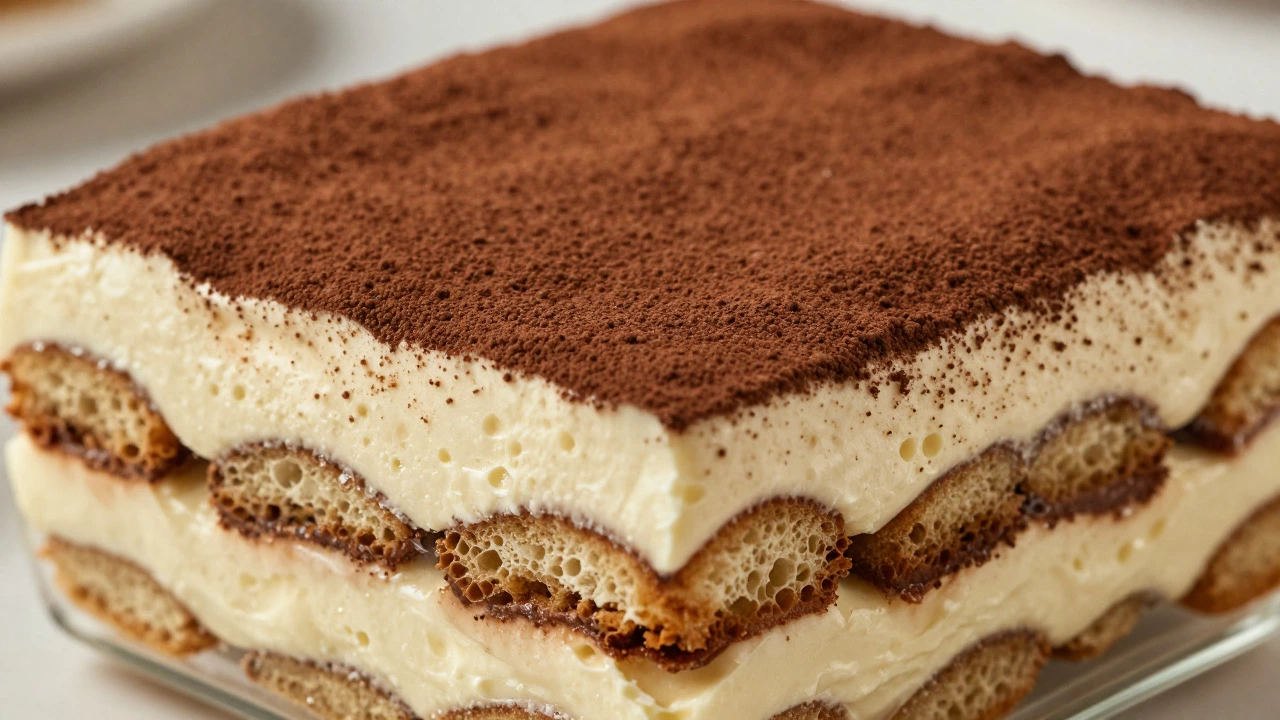
It’s impossible to walk into an Italian restaurant anywhere in the world without seeing it on the menu. That creamy, coffee-soaked layer cake dusted with cocoa powder is a global icon. But if you ask five different Italians where tiramisu actually comes from, you might get six different answers. Is it from Venice? Florence? Or maybe somewhere else entirely?
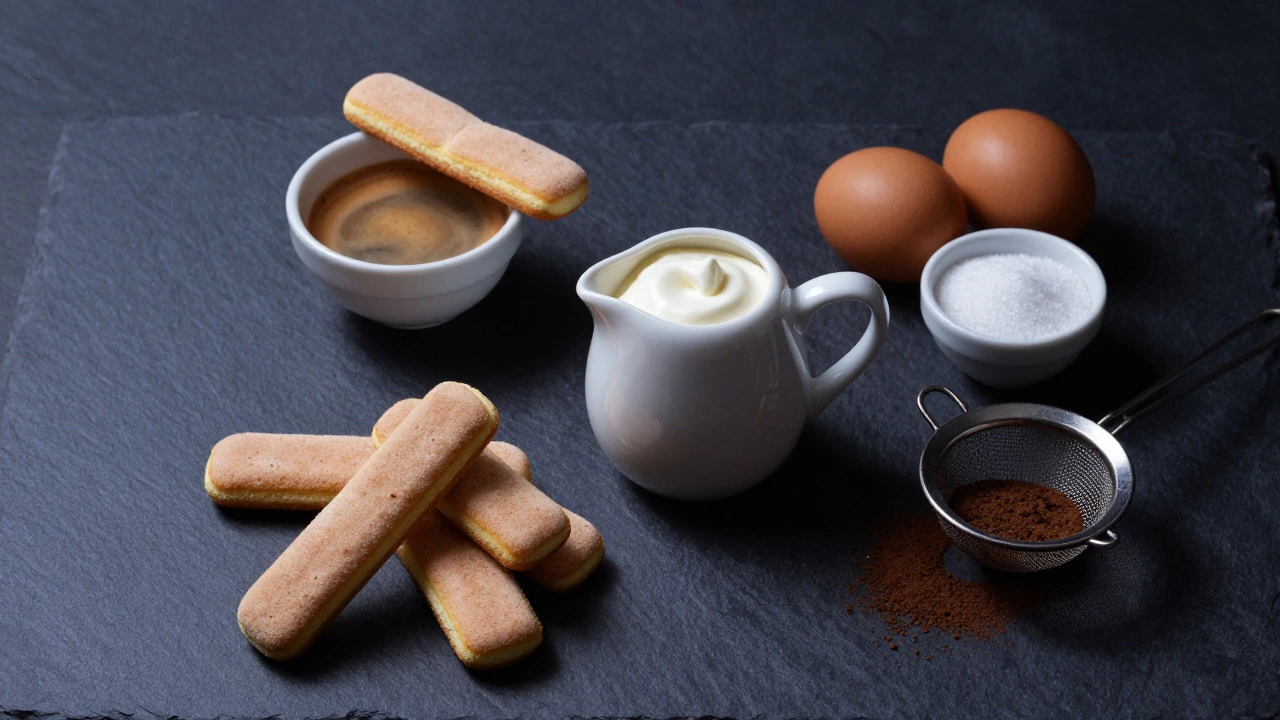
The truth is that the story behind this beloved dessert is tangled in local pride, conflicting historical records, and a bit of culinary mystery. We know exactly what goes into it-mascarpone, eggs, sugar, espresso, and ladyfingers-but its birthplace has been debated for decades. To understand where it really came from, we have to look past the marketing and dig into the archives of northern Italy.
The Battle for the Birthplace: Veneto vs. Friuli
If you drive through northeastern Italy, you’ll notice that almost every region claims to be the home of something famous. This is especially true for tiramisu, which is often described as a classic Italian dessert made with layers of coffee-soaked savoiardi biscuits and mascarpone cream. The two main contenders are the regions of Veneto and Friuli-Venezia Giulia.
In Veneto, specifically the city of Treviso, locals argue that tiramisu was created in the 1960s or early 1970s. They point to restaurants like Le Beccherie, run by Roberto Lingua, who claims to have served the first version in 1971. The logic here is simple: the ingredients were available, the technique was known, and someone finally put them together in a way that stuck. Treviso is also the heartland of Prosecco production, which fits the profile of a region that loves indulgent, celebratory food.
However, just across the border in Friuli-Venezia Giulia, people tell a different story. Here, the claim centers around the town of Ronchi dei Legionari. A woman named Ada Tessiorin claims her family has been making a version of the dessert since the late 1940s. According to her account, she started serving it to customers at her cafe, Hotel al Gallina d’Oro, long before it became famous in Treviso. She even published a book in 1983 detailing her recipe, which looks remarkably similar to what we eat today.
So, who is right? It’s hard to say definitively because there is no single "inventor" certificate for desserts. Food evolves. It’s likely that variations of coffee-and-cream desserts existed in both areas, but one version caught the public imagination and spread rapidly. The lack of official documentation from the 1950s or 60s makes it difficult to prove either side wrong.
The Meaning Behind the Name
Before we get too deep into the geography, let’s talk about the name itself. "Tiramisù" translates literally to "pick me up" or "lift me up" in Italian. This isn’t just poetic fluff; it refers to the energy boost provided by the combination of strong coffee, sugar, and eggs. In a working-class culture where people needed fuel for labor, this dessert was functional as well as delicious.
There is also a playful, risqué interpretation. In some dialects, the phrase can imply sexual arousal. Given that the dessert contains eggs and rich fats, some historians suggest it may have originated as an aphrodisiac dish served in brothels or private homes. While this adds a spicy twist to the history, most culinary experts agree that the primary intent was simply to provide a sweet, energizing treat after a heavy meal.
Why Mascarpone Matters
You cannot have modern tiramisu without mascarpone, a rich, fresh Italian cream cheese with a high fat content. This ingredient is the key to understanding when the dessert could have possibly emerged. Mascarpone is not ancient. It is a relatively modern invention in the grand scheme of dairy history.
Mascarpone originates from Lombardy, another region in northern Italy. It was traditionally made by adding tartaric acid (from wine) to warm cream, causing it to curdle. The process requires specific dairy farming practices and a market for luxury goods. Because mascarpone is expensive and perishable, it wasn’t a staple in peasant kitchens. It was a delicacy.
This explains why tiramisu didn’t appear in medieval cookbooks. You couldn’t make it because the core ingredient didn’t exist in a consistent form. The rise of industrial dairy processing in the mid-20th century made mascarpone more accessible, allowing chefs outside of Lombardy to experiment with it. This timeline supports the theory that tiramisu is a post-war creation, emerging when Italy’s economy recovered and people had more disposable income for luxuries like cream and coffee.

The Role of Savoiardi (Ladyfingers)
The other structural component of tiramisu is the savoiardi, commonly known as ladyfingers, which are dry, sponge-like cookies used to soak up liquids. Unlike mascarpone, savoiardi have a much older history. They date back to the 18th century, named after the Duchy of Savoy. These cookies were designed to be sturdy enough to hold moisture without falling apart immediately.
The combination of a dry cookie and a wet cream filling is not unique to Italy. Think of trifles in the UK or bread puddings in the US. However, the specific pairing of espresso-soaked savoiardi with mascarpone is distinct. The bitterness of the coffee cuts through the richness of the cheese, creating a balance that feels sophisticated yet comforting. This balance is what helped the dessert travel beyond Italy’s borders.
How Tiramisu Conquered the World
Once the recipe solidified in the 1970s, it didn’t stay in Veneto or Friuli for long. Italy experienced a wave of emigration in the mid-20th century, and Italian cuisine began to gain popularity globally. Restaurants in New York, London, and Sydney started adding "authentic" Italian dishes to their menus to attract customers seeking a taste of Europe.
Tiramisu was perfect for export. It doesn’t require baking, which makes it easier to prepare in busy kitchens. It travels well if kept cold, and it looks impressive on a plate. By the 1980s, it had become a standard item on Italian-American menus. Today, it is so ubiquitous that many people assume it has always existed in its current form.
The globalization of coffee culture also played a role. As espresso machines became common in homes and cafes worldwide, the flavor profile of tiramisu became familiar to non-Italians. The dessert bridged the gap between traditional European sweets and modern coffee-drinking habits.
Variations and Modern Twists
As tiramisu spread, it adapted to local tastes and dietary needs. In Brazil, for example, you might find versions using dulce de leche instead of coffee. In vegan circles, chefs replace eggs with aquafaba or silken tofu and use plant-based creams. These variations show how flexible the concept is, even if purists argue they aren’t "real" tiramisu.
Some chefs experiment with flavors like pistachio, lemon, or chocolate liqueur. While these additions change the taste, they keep the core structure intact: layers of soaked biscuit and creamy filling. This adaptability is part of why the dessert remains popular. It invites creativity while maintaining a recognizable identity.
| Ingredient | Origin/Type | Function in Dessert | Historical Availability |
|---|---|---|---|
| Mascarpone | Lombardy, Italy | Provides richness and structure | Mid-20th Century (Industrialized) |
| Savoiardi | Duchy of Savoy | Absorbs coffee and provides texture | 18th Century |
| Espresso | Global (Coffee Beans) | Adds bitterness and aroma | Early 20th Century (Machine Era) |
| Eggs | Universal | Binds the cream | Ancient |
| Cocoa Powder | Central America | Dusting for flavor and contrast | 19th Century |
Common Misconceptions About Tiramisu
Despite its fame, there are still myths surrounding tiramisu. One common belief is that it must contain alcohol, such as Marsala wine or rum. While many recipes include a splash of liqueur to enhance the flavor, traditional versions from Treviso and Ronchi dei Legionari do not require it. The original appeal was the coffee and cream, not the buzz.
Another misconception is that tiramisu is a baked dessert. It is never baked. The eggs are usually whisked with sugar over a double boiler to pasteurize them gently, but the final assembly is done cold. Baking would ruin the delicate texture of the mascarpone and the softness of the soaked cookies.
Finally, some people think tiramisu is a medieval dish because it sounds old-fashioned. As we discussed, the ingredients simply weren’t available in the Middle Ages. It is a modern classic, born out of post-war prosperity and culinary innovation.
Why the Debate Still Matters
Does it really matter whether tiramisu came from Treviso or Ronchi dei Legionari? For most of us, probably not. We enjoy the dessert regardless of its postal code. However, these debates highlight the importance of regional identity in Italian culture. Food is not just sustenance; it is a marker of heritage and community.
By preserving the stories behind dishes like tiramisu, we keep the connection to the places and people who created them alive. Whether you prefer the version with a hint of Marsala or the strict coffee-only recipe, knowing the history adds depth to the experience. It transforms a simple snack into a piece of living history.
Where exactly did tiramisu originate?
Tiramisu likely originated in northeastern Italy, specifically in the regions of Veneto (Treviso) or Friuli-Venezia Giulia (Ronchi dei Legionari). There is no single agreed-upon inventor, but claims date back to the 1940s and 1960s.
What does "tiramisù" mean in English?
The name "tiramisù" translates to "pick me up" or "lift me up." This refers to the energizing effects of the coffee, sugar, and eggs used in the recipe.
Is tiramisu an ancient Italian dessert?
No, tiramisu is a relatively modern dessert. It could not have existed before the widespread availability of mascarpone cheese and espresso machines, which points to a mid-20th-century origin.
Does traditional tiramisu contain alcohol?
Traditional recipes from its place of origin do not necessarily include alcohol. While many modern variations add Marsala wine, rum, or liqueur, the classic version relies solely on coffee for flavor.
Why is mascarpone important to tiramisu?
Mascarpone provides the rich, creamy texture that defines tiramisu. Without this specific type of Italian cream cheese, the dessert would lose its signature mouthfeel and balance against the bitter coffee.
Can tiramisu be made without eggs?
Yes, although traditional recipes use raw or lightly cooked eggs to bind the cream. Vegan and allergy-friendly versions often use substitutes like silken tofu, aquafaba, or stabilized whipped cream.