Hidden Gluten Risk Checker
Caution
High Risk
You might think avoiding bread and pasta is enough to stay gluten-free, but the reality is far more complex. For someone with Celiac Disease is an autoimmune disorder where ingestion of gluten leads to damage in the small intestine, even a crumb can trigger a reaction. The problem isn't just obvious wheat products; it's the sneaky ingredients hiding in sauces, processed snacks, and even some medications. Understanding which foods are the "worst" offenders helps you navigate grocery aisles with confidence and keeps your gut healthy.
When we talk about the worst foods for gluten, we aren't just listing grains. We're looking at high-risk categories where gluten is either a primary ingredient or a major contaminant risk. This guide breaks down the specific foods you need to watch out for, why they are dangerous, and what safe alternatives actually taste good.
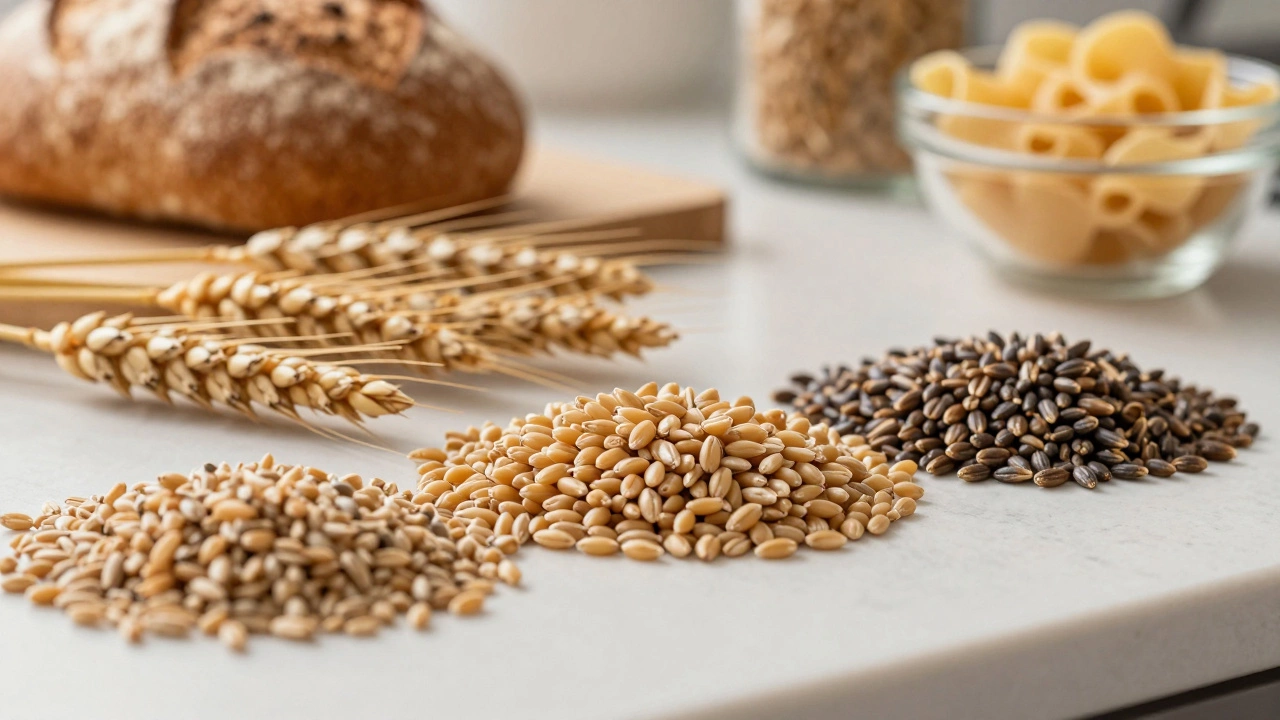
The Big Three: Obvious Gluten Grains
Before we get into the hidden dangers, let’s address the elephant in the room. These three grains contain gluten by nature, and there is no safe way to consume them if you have Celiac Disease or non-celiac gluten sensitivity. You must avoid them entirely.
- Wheat is the most common source of gluten, found in bread, pasta, flour, and baked goods. This includes all its variants like spelt, kamut, farro, and durum.
- Barley is a grain often used in soups, stews, beer, and malt products. It contains hordein, a protein that triggers similar immune responses as wheat gluten.
- Rye is a grain commonly found in rye bread and certain whiskeys. While less common than wheat, it is still highly problematic for those with gluten intolerance.
If a label lists these, put the product back. No exceptions. But the real challenge comes when these grains hide behind unfamiliar names or processing methods.
Hidden Glue: Sauces and Condiments
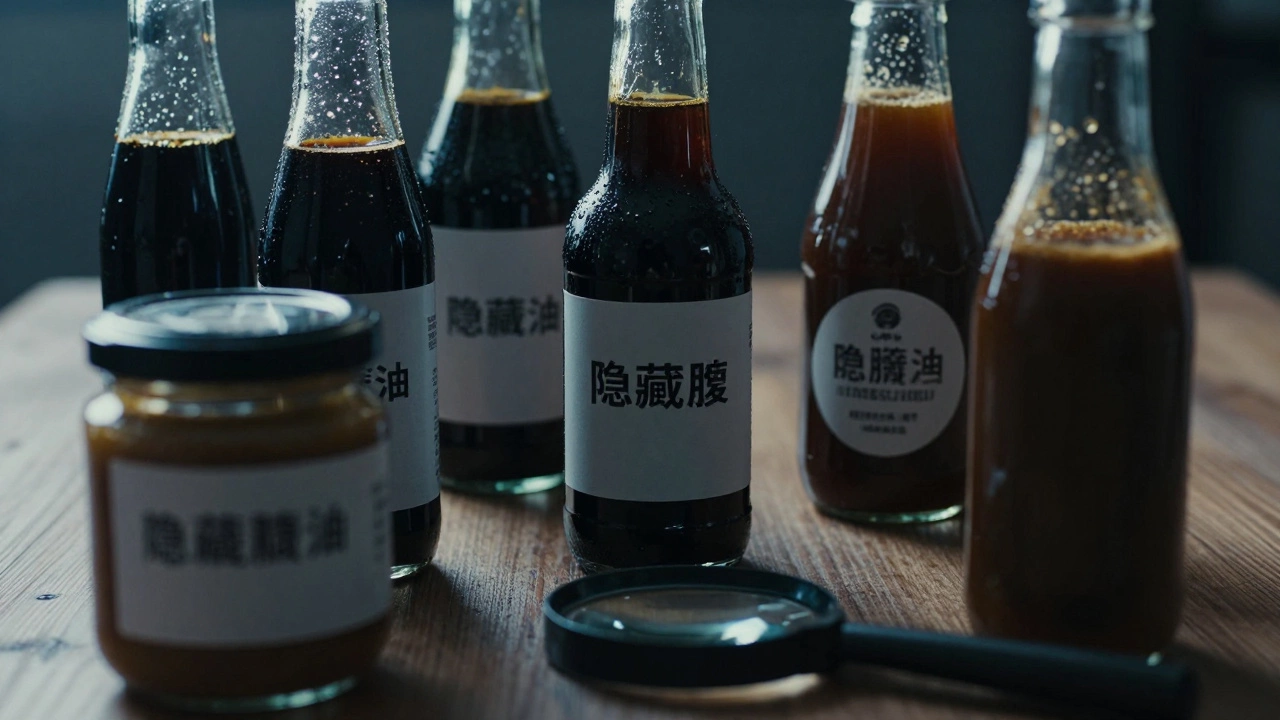
Sauces are perhaps the trickiest category. Many manufacturers use wheat as a thickener because it’s cheap and effective. Soy sauce is the biggest offender here. Traditional soy sauce is brewed from soybeans and wheat. If you order sushi or stir-fry at a restaurant, ask specifically for tamari, and even then, check the label to ensure it’s certified gluten-free. Some brands still use wheat in their tamari.
Other condiments to scrutinize include:
- Hoisin Sauce: Almost always contains wheat flour as a base.
- Oyster Sauce: Often thickened with wheat starch.
- Gravy and Au Jus: Restaurant gravies rely heavily on wheat flour for texture. Packaged mixes are usually packed with modified food starch, which is often corn-based but can be wheat-derived unless specified otherwise.
- Dressings: Creamy dressings like Caesar or Ranch may contain hidden wheat derivatives or be processed on shared equipment.
Always read the ingredient list. If you see "natural flavors," "spices," or "modified food starch" without a clear origin (like corn or potato), assume caution. When in doubt, make your own sauces using olive oil, vinegar, and fresh herbs.
Processed Snacks and Breakfast Items
Breakfast cereals are a minefield. Even if a cereal looks like puffed rice or corn, it might be toasted with malt flavoring derived from barley. Malt vinegar, malt syrup, and malted milk are all red flags. Look for cereals explicitly labeled "Gluten-Free." Generic oatmeal is another danger zone because oats are frequently contaminated with wheat during growing and processing. Only buy oats labeled "certified gluten-free."
Snack foods like chips, pretzels, and crackers are obvious culprits, but don’t forget about flavored nuts and popcorn. Seasonings often contain wheat flour to help spices stick. Pretzel pieces mixed into trail mix can contaminate the entire bag through cross-contact. Always buy plain, unseasoned nuts and add your own salt or pepper at home.
Baked Goods and Desserts
This is where many people slip up, especially when trying to bake Gluten-Free Cakes are desserts made without wheat, barley, or rye, requiring alternative flours like almond, coconut, or rice flour. Standard cake mixes, cookies, and brownies use wheat flour as the primary structure. Even if you substitute the flour, the binding agents in commercial mixes often contain gluten.
For homemade treats, you need to understand how gluten works. In traditional baking, gluten provides elasticity and rise. Without it, cakes can become dense or crumbly. That’s why successful gluten-free baking requires a blend of flours-such as almond flour for moisture, rice flour for structure, and tapioca starch for chewiness. Don’t try to swap wheat flour one-for-one with a single alternative; it rarely works well.
Be wary of bakery items too. Even if a cake looks gluten-free, it might be baked in an oven shared with regular bread. Cross-contamination via air-borne flour dust is real. If you have Celiac Disease, only eat desserts from dedicated gluten-free kitchens or bake them yourself.
Restaurant Risks: Cross-Contamination
Eating out introduces a new layer of risk. Even if a dish is naturally gluten-free, like grilled chicken or steamed vegetables, it can become contaminated. Fries cooked in the same fryer as onion rings are unsafe. Toasted sandwiches pressed on a machine that also handles regular bread will transfer gluten. Utensils, cutting boards, and countertops in busy kitchens are frequent sources of invisible crumbs.
To mitigate this:
- Call ahead to speak with the manager or chef about their protocols.
- Avoid buffets, where serving utensils dip into multiple dishes.
- Stick to simple, whole-food meals like grilled meat and steamed veggies.
- Ask for food to be wrapped separately before it leaves the kitchen.
Never assume a salad bar is safe. Croutons, bacon bits, and pre-dressed salads often contain hidden gluten. Always verify each component individually.
| Food Category | High-Risk Item | Safe Alternative | Why It’s Risky |
|---|---|---|---|
| Sauces | Soy Sauce | Certified GF Tamari | Contains wheat as a fermenting agent |
| Breakfast | Regular Oatmeal | Certified GF Oats | Often cross-contaminated with wheat during farming |
| Snacks | Flavored Popcorn | Plain Air-Popped Corn | Seasonings use wheat flour as a carrier |
| Baking | All-Purpose Flour | Almond/Rice Flour Blend | Wheat is the primary ingredient |
| Condiments | Malt Vinegar | Apple Cider Vinegar | Derived from barley |
Reading Labels Like a Pro
In Canada, food labeling laws require that wheat, barley, and rye be declared on ingredient lists. However, "may contain wheat" warnings indicate potential cross-contamination. For Celiac patients, these warnings mean the product is not safe. Look for the "Gluten-Free" certification symbol from organizations like GFCO (Gluten-Free Certification Organization) or local equivalents. Products labeled "Gluten-Free" must contain less than 20 parts per million (ppm) of gluten, which is considered safe for most people with Celiac Disease.
Watch out for these vague terms that could hide gluten:
- Modified Food Starch: If the source isn’t listed (e.g., corn, potato), it might be wheat.
- Natural Flavors: Can sometimes contain hydrolyzed wheat protein.
- Spices: Sometimes anti-caking agents in spice blends are wheat-based.
- Beer Flavoring: Used in some marinades and sauces, derived from barley.
When you’re unsure, contact the manufacturer. Most companies have customer service lines ready to answer ingredient questions. Don’t guess-your health depends on precision.
Building a Sustainable Gluten-Free Pantry
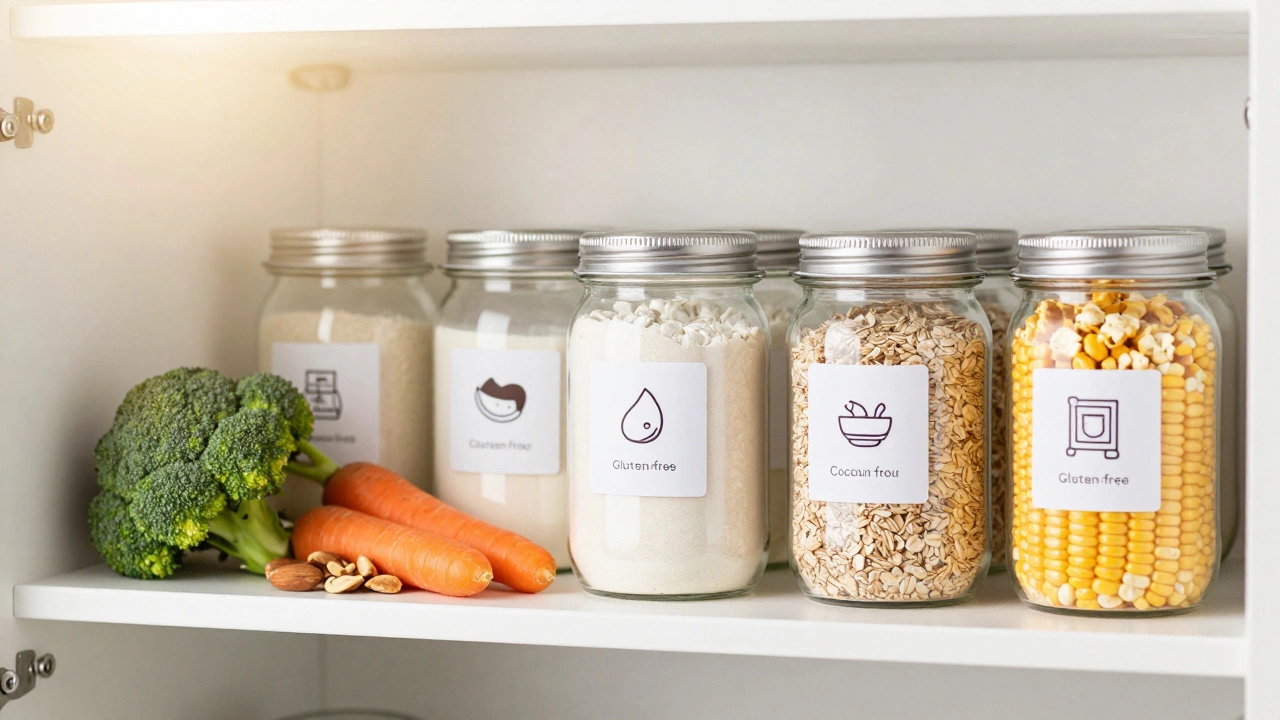
Once you know what to avoid, start building a pantry that supports your lifestyle. Stock up on certified gluten-free oats, quinoa, buckwheat (despite the name, it’s gluten-free), and millet. Keep a variety of gluten-free flours for baking: almond flour for moistness, coconut flour for absorbency, and tapioca starch for lightness.
Invest in separate kitchen tools. Use a dedicated toaster for gluten-free bread, as crumbs lodge in slots and contaminate future slices. Keep separate colanders, spatulas, and cutting boards. Clean surfaces thoroughly before preparing gluten-free meals. This discipline prevents accidental exposure and makes cooking stress-free.
Remember, going gluten-free doesn’t mean giving up flavor. With the right ingredients and techniques, you can enjoy delicious cakes, savory meals, and satisfying snacks. It takes effort at first, but soon, identifying safe foods becomes second nature. Your body will thank you for the care you take.
Is oatmeal safe for people with Celiac Disease?
Regular oatmeal is not safe because oats are often grown, harvested, and processed alongside wheat, leading to cross-contamination. However, oats labeled "certified gluten-free" are safe. These oats are tested to ensure they contain less than 20 ppm of gluten. Always choose certified brands to avoid accidental exposure.
What is the difference between gluten-free and wheat-free?
Wheat-free means the product does not contain wheat, but it may still contain barley, rye, or triticale, which also have gluten. Gluten-free means the product has been tested and contains less than 20 ppm of gluten from any source. For Celiac Disease, only "gluten-free" labels are safe.
Can I eat regular chocolate?
Pure dark chocolate is naturally gluten-free. However, milk chocolates, candy bars, and chocolate-covered snacks often contain wheat-based additives, malt, or are processed on shared equipment. Always check the label for "may contain wheat" warnings or look for a certified gluten-free logo.
How do I prevent cross-contamination at home?
Use separate utensils, cutting boards, and toasters for gluten-free foods. Clean surfaces thoroughly before cooking. Store gluten-free items above regular ones to prevent crumbs from falling. Avoid double-dipping condiments; use separate jars for gluten-free family members.
Are there any hidden sources of gluten in medications?
Yes, some medications use gluten as a binding agent. While the amount is usually small, sensitive individuals should consult their pharmacist or doctor. Many pharmaceutical companies now offer gluten-free versions. Always disclose your dietary needs to healthcare providers.
What should I look for when buying gluten-free cakes?
Look for cakes made with certified gluten-free flours like almond, rice, or coconut. Check for certifications from recognized organizations. Ensure the bakery uses dedicated equipment to avoid cross-contamination. Homemade cakes using trusted recipes are often the safest option.