
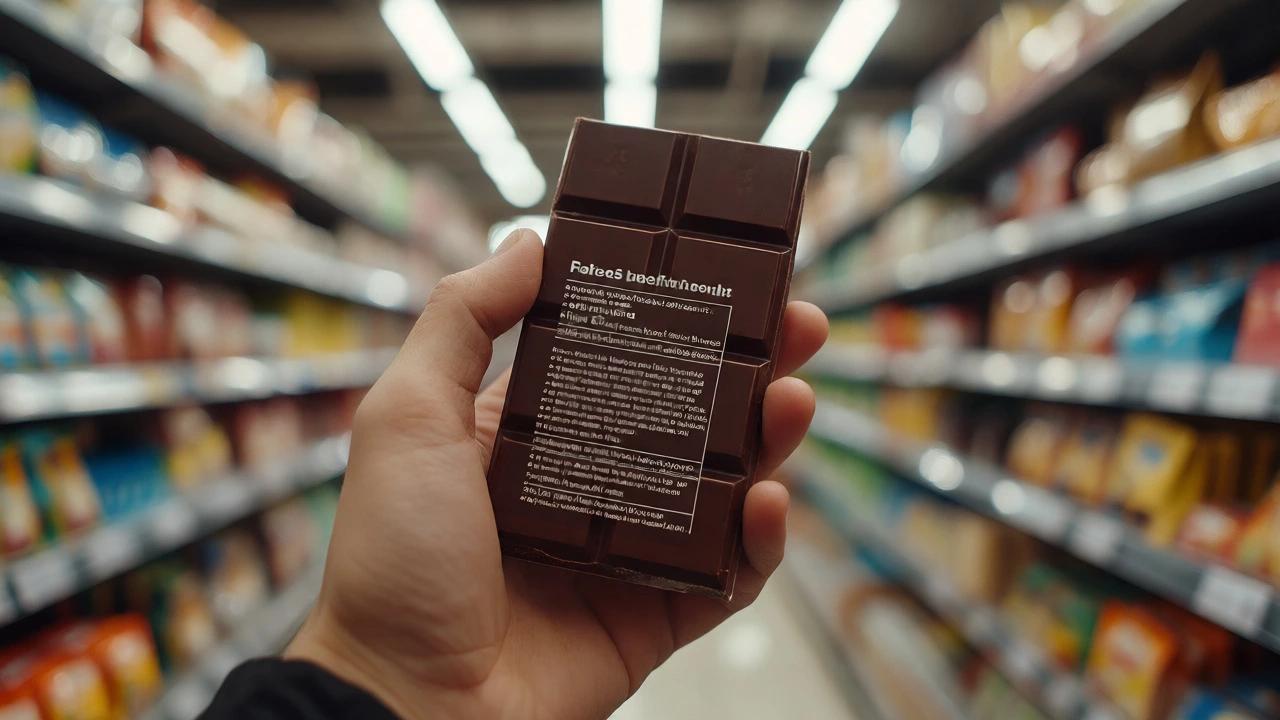
Vegan Chocolate Ingredient Checker
Paste the ingredient list from your chocolate bar below. We'll scan for hidden dairy, animal derivatives like shellac or honey, and potential cross-contamination warnings.
✅ Safe / Vegan-Friendly
Common plant-based ingredients found.
❌ Non-Vegan Ingredients
Animal-derived ingredients detected.
⚠️ Warnings & Ambiguities
Cross-contamination risks or vague terms requiring verification.
You’re standing in the grocery aisle, holding a bar of 70% dark chocolate. The ingredients list looks clean: cocoa mass, sugar, cocoa butter. You toss it in your cart, feeling smug about making a healthy, ethical choice. Then you get home, unwrap it, take a bite, and realize it tastes weirdly waxy or gritty. Or worse, you check the fine print later and see "may contain traces of milk" or, even more sneakily, "whey powder." What happened?
Here is the frustrating truth: not all dark chocolate is vegan, and not all vegan chocolate is good. Figuring out what chocolate is vegan requires looking past the marketing buzzwords and understanding the chemistry of what makes chocolate creamy versus crumbly, sweet versus bitter, and truly plant-based versus just accidentally free of obvious animal products.
Vegan chocolate is defined as chocolate that contains no animal-derived ingredients, including milk solids, butterfat, whey, casein, honey, or shellac. Unlike traditional confectionery, which relies on dairy for texture and mouthfeel, vegan versions must substitute these elements with plant-based fats or sugars without compromising the structural integrity of the cocoa crystals.
The Hidden Ingredients That Aren’t Vegan
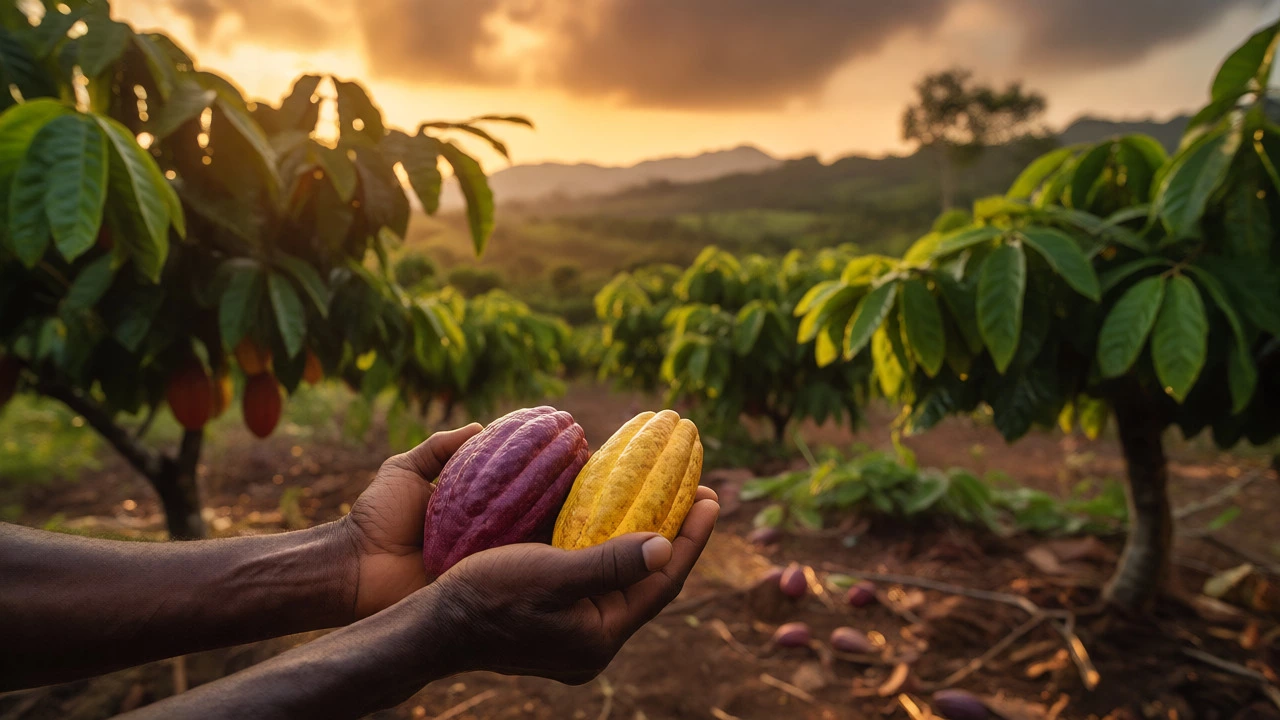
If you think avoiding milk means you’re safe, you’re missing half the battle. Cocoa beans themselves are naturally vegan-they are seeds from the Theobroma cacao tree. But the processing adds layers of complexity. Most commercial chocolates add emulsifiers and flavor enhancers that aren’t always obvious.
First, there’s milk fat. Even in "dark" chocolate, manufacturers often add small amounts of butterfat to improve melt-in-the-mouth quality. It’s cheap and effective. If you see "milk fat," "butterfat," or "anhydrous milk fat," put it back. Then there’s whey and casein. These are protein derivatives from milk. They show up in cheaper chocolate bars because they bulk up the product and allow for lower cocoa percentages while still maintaining a solid structure.
But the real sneaky ones are the additives:
- Lecithin: Usually soy lecithin (which is vegan), but sometimes egg lecithin. Always check the source.
- Shellac: Also known as confectioner’s glaze. It’s derived from lac bugs. It gives candies their shine, but it’s definitely not vegan.
- Honey: Often used as a sweetener in "natural" brands instead of cane sugar. Vegans generally avoid honey due to exploitation concerns.
- Carmine: A red dye made from crushed cochineal insects, sometimes found in colored chocolate coatings or fillings.
When I’m shopping in Halifax, I’ve learned to ignore the front of the package entirely. The words "plant-based" or "dairy-free" on the front can be misleading if the manufacturer hasn’t certified it. The back label is the only place that tells the whole story.
Dark Chocolate vs. Milk Chocolate: The Big Difference
For years, vegans relied exclusively on dark chocolate. Why? Because it was easy. High-percentage dark chocolate (70%+) usually doesn’t need milk to taste good. The bitterness of the cocoa masks the lack of creaminess. But this created a problem: many people don’t actually like very dark chocolate. They find it too intense, too dry, or too bitter.
This is where modern food science steps in. We now have vegan milk chocolate, but it’s not just dark chocolate with almond milk poured over it. Creating a stable emulsion without dairy proteins is difficult. Traditional milk chocolate uses casein to bind the fat and water phases together. Without it, the chocolate can separate, become grainy, or develop a "sandy" texture.
To solve this, manufacturers use different strategies:
- High-Cocoa Butter Content: Using more pure cocoa butter creates a smoother melt. This is expensive, so it’s common in premium brands.
- Plant-Based Milks: Oat milk, coconut milk, rice milk, and almond milk are dehydrated into powders. Coconut milk powder is popular because its high fat content mimics dairy fat well. Oat milk powder provides a neutral sweetness and creamy mouthfeel.
- Sugar Alcohols: Some brands use erythritol or xylitol instead of sugar. These provide bulk and sweetness without the calories, but they can cause digestive issues if you eat too much.
Not all vegan milk chocolates are created equal. Some taste like chalk. Others taste remarkably close to the real thing. The key indicator? Look for brands that specify the type of plant milk used. Vague terms like "non-dairy creamer" often hide palm oil or hydrogenated vegetable oils, which aren’t great for health or the environment.
Ethical Sourcing: Beyond Just Ingredients
Being vegan isn’t just about what’s in the bar; it’s about how it got there. Cocoa farming has a notorious history of labor exploitation. If you care about ethics, checking for vegan status isn’t enough. You need to look for fair trade certification.
The issue stems from West Africa, specifically Côte d’Ivoire and Ghana, which produce about 60% of the world’s cocoa. Smallholder farmers often live below the poverty line. Child labor and forced labor are persistent problems. When you buy cheap, uncertified chocolate, you’re likely supporting a supply chain where profits are prioritized over human rights.
Look for these certifications:
- Fairtrade Certified: Ensures farmers receive a minimum price and a premium for community development.
- Direct Trade: Roasters or manufacturers buy directly from farms, cutting out middlemen. This often results in higher quality beans and better pay for farmers.
- Rainforest Alliance: Focuses on environmental sustainability and farm management practices, though critics argue its social standards are less rigorous than Fairtrade.
In Canada, we have access to some excellent direct-trade bean-to-bar makers. Brands like Little Miracles or ChocZero often highlight their sourcing stories. Reading these stories helps you understand that "vegan" and "ethical" are two different metrics. You want both.

Top Vegan Chocolate Brands Worth Trying
With so many options flooding the shelves, it’s hard to know which ones are actually good. Here’s a breakdown of reliable brands based on texture, flavor profile, and ingredient simplicity.
| Brand | Type | Key Plant Base | Best For | Price Range |
|---|---|---|---|---|
| Endangered Species | Dark | N/A (No milk) | Purists who love deep cocoa notes | $ |
| ChocZero | Milk/Dark | Keto-friendly sweeteners | Low-sugar dieters | $$ |
| Unreal | Milk/Dark | Organic cane sugar | Gifts and kids' treats | $$$ |
| Plamil | Milk | Rice milk | Allergy-friendly options | $$ |
| Dandelion Chocolate | Dark | N/A | Single-origin enthusiasts | $$$$ |
Endangered Species is a staple in Canadian supermarkets. Their 78% Extra Dark is widely available, affordable, and genuinely vegan. They donate 10% of net profits to wildlife conservation, which adds an ethical layer. However, their lower-percentage bars sometimes contain milk fat, so double-check the 54% or 63% varieties.
Unreal markets itself heavily as a healthier alternative. They use organic ingredients and no artificial sweeteners. Their milk chocolate uses no dairy, relying on careful formulation to achieve creaminess. It’s pricier, but the texture is surprisingly smooth. It’s a great entry point for skeptics who claim vegan chocolate tastes bad.
Plamil is a UK brand but often found in specialty stores. They specialize in allergy-friendly foods. Their chocolate is made with rice milk and sunflower lecithin. It’s hypoallergenic and completely free from gluten, soy, and nuts. If you have multiple dietary restrictions, Plamil is a safe bet.
How to Spot Fake Vegan Claims
Marketing departments are clever. They know consumers want to believe they’re buying clean products. Here are three red flags to watch out for when scanning labels:
- "May Contain" Traces: This warning refers to cross-contamination during manufacturing. If you’re vegan for ethical reasons, this might be acceptable. If you’re allergic to milk, it’s a dealbreaker. Note that cross-contamination doesn’t make the product non-vegan by definition, but it signals shared equipment with dairy.
- "Natural Flavors": This vague term can hide anything. In chocolate, it’s usually vanilla extract (vegan) or castoreum (beaver secretion, rare but possible). If the brand doesn’t clarify, assume it might not be strictly vegan.
- Confectioner’s Glaze: As mentioned earlier, this is bug resin. It’s often listed as "glazing agent" or "E904." If you see E904, skip it.
A quick rule of thumb: if the ingredient list is longer than five items, proceed with caution. Simple is usually safer. Cocoa, sugar, cocoa butter, and vanilla are the core components. Anything else needs justification.
Baking with Vegan Chocolate
Using vegan chocolate in recipes requires slight adjustments. Dairy chocolate melts smoothly because of the water content in milk. Vegan chocolate, especially those using coconut oil bases, can seize up faster if exposed to steam or high heat.
When melting vegan chocolate for ganache or frosting:
- Use low heat. Microwave in 15-second intervals, stirring between each.
- Add a splash of plant-based cream (like full-fat coconut cream) to stabilize the emulsion.
- Avoid water contact. Even a drop of water can cause the chocolate to clump and turn grainy.
For brownies and cakes, vegan chocolate chips work well, but they may not spread as much as regular chips. If you want gooey centers, chop a bar of high-quality vegan chocolate instead of using pre-made chips. Chips contain stabilizers to hold their shape, which prevents them from melting fully.
Final Thoughts on Choosing Your Bar
There is no single "best" vegan chocolate. It depends on what you value. Do you prioritize low cost? Go for store-brand dark chocolate. Do you want ethical sourcing? Look for Direct Trade certifications. Do you miss milk chocolate? Seek out oat-milk or coconut-milk based brands.
The market has matured significantly since the early 2010s. Today, you can find vegan chocolate that rivals premium dairy brands in texture and depth. The key is reading labels critically and supporting companies that align with your values-not just regarding animals, but also regarding the people harvesting the beans.
Is all dark chocolate vegan?
No. While many dark chocolates are vegan, some contain milk fat, whey, or other dairy derivatives to improve texture. Additionally, some brands process dark chocolate on lines shared with milk chocolate, leading to cross-contamination. Always check the ingredient list for hidden dairy sources.
Why does my vegan chocolate feel gritty?
Grittiness often comes from poor tempering or the use of certain sugar substitutes like erythritol, which doesn't dissolve as easily as sucrose. It can also result from improper storage, causing sugar bloom. High-quality vegan chocolate should snap cleanly and melt smoothly.
Are white chocolates vegan?
Traditional white chocolate is rarely vegan because it relies heavily on milk solids and butterfat. However, specific vegan white chocolates exist, typically made with cocoa butter, sugar, and plant-based milk powders (like oat or coconut). These are less common than dark options and often more expensive.
Is honey considered vegan in chocolate?
Most vegans do not consider honey vegan because it is an animal product produced by bees. Many ethical vegans avoid it due to concerns about beekeeping practices. If a chocolate bar lists honey as an ingredient, it is generally not suitable for a strict vegan diet.
What is the best plant-based milk for vegan chocolate?
Oat milk and coconut milk are currently the most popular choices for vegan chocolate production. Oat milk provides a neutral flavor and creamy texture similar to dairy, while coconut milk offers richness due to its high fat content. Rice milk is another option, particularly for those with nut allergies.