Is It Vegan? Dessert Ingredient Checker
Have you ever stared at a chocolate bar wrapper, squinting at the ingredient list, wondering if that 'natural flavor' hides a trace of milk? You are not alone. The question what foods are 100% vegan is more complex than it sounds. While many people assume veganism means buying specially labeled products, the truth is that thousands of delicious treats have been plant-based for centuries. Understanding which foods are naturally free from animal derivatives saves you money, reduces packaging waste, and makes hosting dinner parties stress-free.
In this guide, we will strip away the confusion. We will look at the core categories of food that are inherently vegan, with a special focus on desserts-because let’s be honest, that’s where most accidental dairy consumption happens. By the end, you’ll know exactly what to reach for when you want a sweet treat without the guesswork.
The Foundation: Naturally Vegan Food Groups
Before we dive into cakes and cookies, it helps to understand the baseline. A significant portion of the global diet is already 100% vegan by nature. These are foods that require no processing to remove animal products because they never contained them in the first place.
Beyond produce, several staple pantry items are naturally vegan:
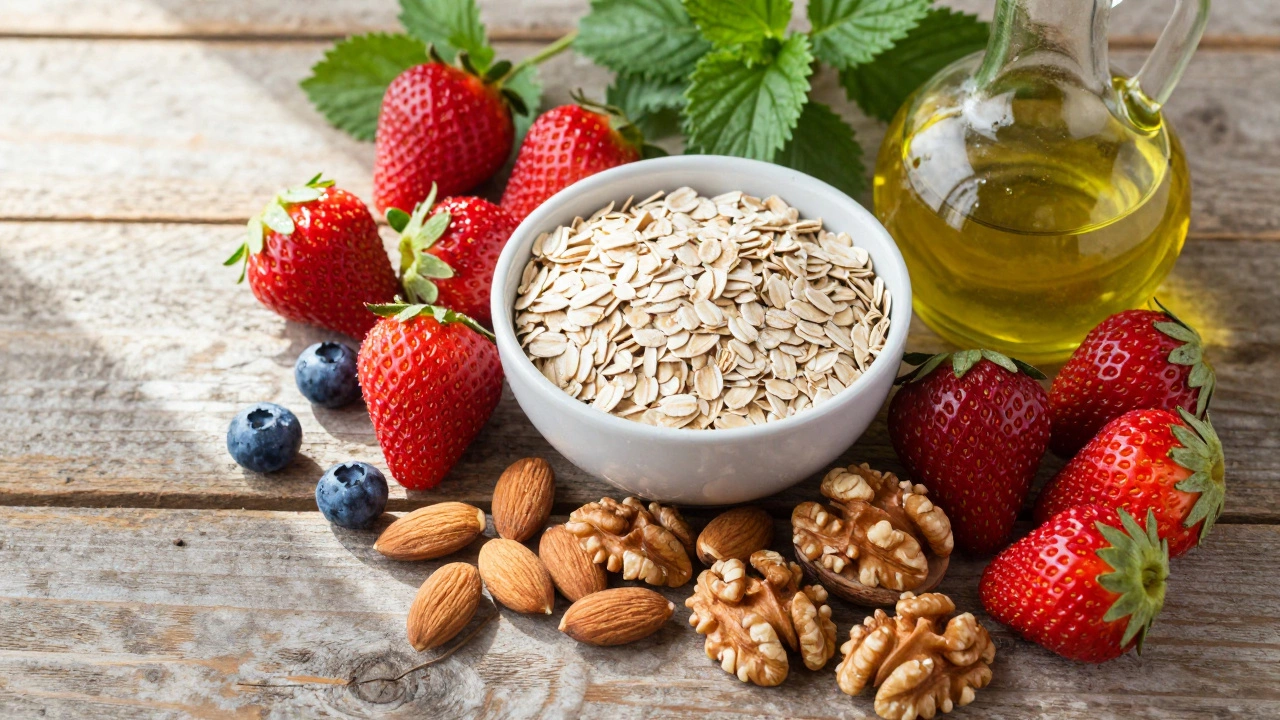
- Grains: Rice, oats, quinoa, barley, and wheat are all plant seeds. They become non-vegan only when processed with dairy (like flavored instant oatmeal) or eggs (like some enriched pastas).
- Legumes: Beans, lentils, chickpeas, and peas are protein powerhouses that contain zero animal products.
- Nuts and Seeds: Almonds, walnuts, chia seeds, and flaxseeds are naturally vegan. Note that roasted nuts sometimes contain honey or butter, so plain is best.
- Oils and Vinegars: Olive oil, coconut oil, apple cider vinegar, and balsamic vinegar are derived purely from plants or fermentation processes that do not involve animals.
These groups form the backbone of a vegan diet. When you build your meals around these whole foods, you automatically eliminate the vast majority of animal-derived ingredients.
Desserts That Are Naturally 100% Vegan
This is the exciting part. Many classic desserts were created before modern dairy farming became ubiquitous, or they rely on fruits and fats that are entirely plant-based. Here are the top categories of sweets that are typically 100% vegan without any modification.
Dark Chocolate
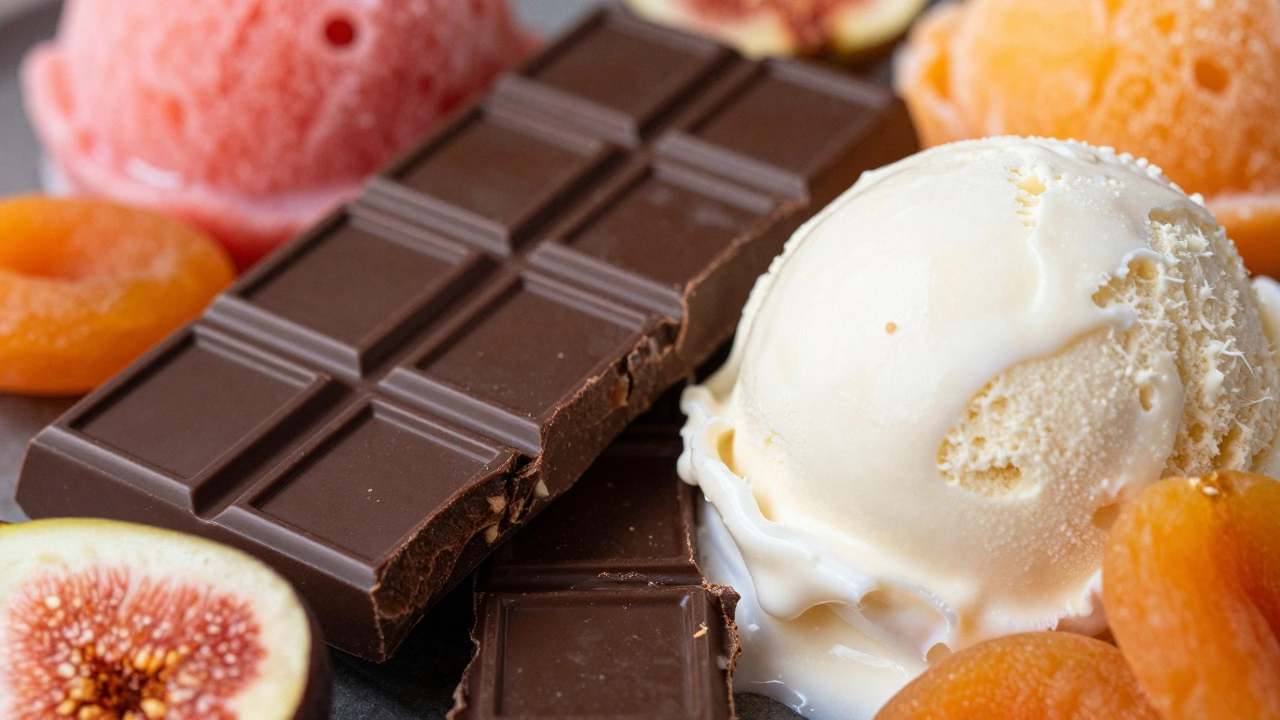
Why is this important? Because dark chocolate is the foundation of countless vegan desserts. If you buy a high-quality dark chocolate bar, you have just purchased a 100% vegan dessert.
Fruit-Based Sweets
Fruits are nature’s candy. Many traditional desserts rely solely on fruit for sweetness and texture:
- Fruit Sorbet: Made from fruit puree, sugar, and water. Unlike ice cream, it contains no dairy. Always check for additives like gelatin or egg whites, but most commercial sorbets are vegan.
- Fruit Crisps and Crumbles: The fruit filling is naturally vegan. The topping usually consists of flour, oats, sugar, and fat. If the recipe uses butter, it’s not vegan. But many store-bought versions use vegetable shortening or oil, making them accidentally vegan. Check the label for "butter" or "ghee."
- Dried Fruits: Raisins, dates, figs, and apricots are 100% vegan. Avoid candied fruits coated in glaze unless verified, as glazes can contain gelatin.
Coconut-Based Treats
Coconut is a miracle ingredient for vegans. It provides the creamy texture that dairy usually offers.
- Coconut Milk Ice Cream: Most brands now offer coconut milk-based ice creams that are rich and creamy without any dairy.
- Coconut Macaroons: Traditional macaroons are made from shredded coconut, sugar, and egg whites. Wait-egg whites make them non-vegan. However, many modern recipes replace egg whites with aquafaba (chickpea water) or simply rely on the sticky nature of sweetened coconut. Always verify the binding agent.
Specific Classic Desserts
Some iconic desserts are surprisingly vegan-friendly in their original forms:
- Carrot Cake (Glaze Check): The cake itself often contains oil instead of butter. The issue is the frosting. Cream cheese frosting is not vegan. However, many carrot cakes use a simple maple glaze or an orange icing, which is vegan.
- Lemon Bars: The crust is usually shortbread (flour, sugar, butter). Not vegan. But the lemon curd topping can be made vegan using cornstarch and oil instead of eggs and butter. Some store-bought versions use a graham cracker crust and a custard-like topping that may contain eggs. Proceed with caution.
- Brownies: Many brownie mixes and homemade recipes rely on melted chocolate and oil. If the recipe does not call for eggs or butter, it is 100% vegan. In fact, fudgy brownies often taste better without eggs.
The Hidden Traps: Ingredients That Aren’t Obvious
Knowing what is vegan is easy. Knowing what isn’t is harder. Several common ingredients in desserts are derived from animals but don’t sound like it. Here is what to avoid if you want 100% vegan certainty.
| Ingredient Name | Source | Found In |
|---|---|---|
| Gelatin | Animal collagen (skin, bones) | Gummy candies, marshmallows, some pie fillings |
| Carmine (E120) | Crushed cochineal insects | Red-colored frostings, candies, and drinks |
| Shellac (Confectioner’s Glaze) | Secretions of lac bugs | Shiny coating on licorice, jelly beans, and some chocolates |
| Whey / Casein | Milk proteins | Chocolate bars, baked goods, ice cream |
| L-Cysteine | Duck feathers or human hair | Some bread dough conditioners (rare in desserts, but possible) |
| Rennet | Stomach lining of calves | Cheese-based desserts like cheesecake |
Another subtle trap is refined sugar. Some white sugars are filtered through bone char (from cattle). While the final product contains no bone fragments, the process involves animal parts. Strict vegans often seek out organic or certified vegan sugar to avoid this. For casual vegans, this is a personal choice, but it’s worth knowing.
How to Verify if a Dessert is 100% Vegan
You don’t need to be a chemist to figure out if a dessert is vegan. Follow these three steps:
- Read the Ingredient List, Not Just the Label: Marketing terms like "natural," "artisanal," or "farm-fresh" mean nothing regarding vegan status. Look for specific words: milk, butter, eggs, honey, whey, casein, gelatin.
- Check for Allergen Statements: In Canada and the US, manufacturers must declare major allergens, including milk and eggs. If a cookie says "Contains: Wheat, Soy," it likely doesn’t contain milk or eggs. If it says "Contains: Milk," it’s not vegan.
- Use Apps: Apps like Is It Vegan? allow you to scan barcodes. This is incredibly useful when shopping in large supermarkets. They maintain databases of millions of products, updating regularly for reformulations.
When dining out, ask questions. "Does this dessert contain any dairy or eggs?" is a clear, direct question. Most chefs appreciate clarity. If they hesitate, it’s safer to skip it.
Building Your Own 100% Vegan Dessert Pantry
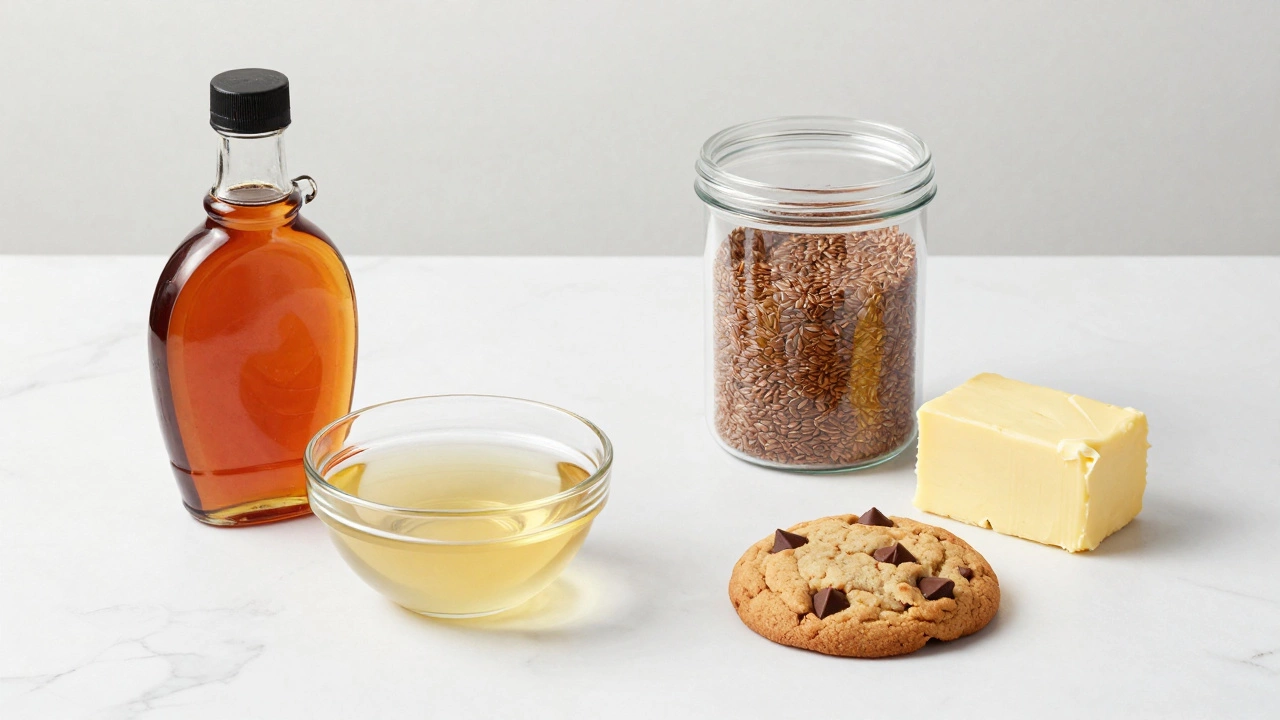
If you want to ensure you always have 100% vegan options on hand, stock these staples:
- Plant Milks: Oat, almond, soy, or coconut milk. Use them in baking just like dairy milk.
- Vegan Butter: Brands like Earth Balance or Miyoko’s create spreads that melt and bake similarly to dairy butter.
- Aquafaba: The liquid from a can of chickpeas. Whisked, it mimics egg whites perfectly for meringues and mousses.
- Flax Eggs: One tablespoon of ground flaxseed mixed with three tablespoons of water creates a binder similar to one egg. Great for cookies and brownies.
- Maple Syrup and Agave: Liquid sweeteners that work well in vegan baking where honey would traditionally be used.
With these items, you can transform almost any standard recipe into a 100% vegan delight. For example, a simple chocolate chip cookie recipe using vegan butter, flax eggs, and dairy-free chocolate chips yields a result indistinguishable from the original.
Conclusion: Confidence in Every Bite
Understanding what foods are 100% vegan empowers you to eat freely without guilt or confusion. From dark chocolate and fruit sorbets to carefully selected brownies, there is a world of naturally plant-based desserts waiting to be enjoyed. By learning to read labels, avoiding hidden animal derivatives, and stocking your kitchen with versatile vegan staples, you can indulge in sweet treats that align with your values. Next time you crave something sweet, remember: you don’t need special permission to enjoy dessert. You just need a little knowledge.
Is honey considered 100% vegan?
No, honey is not considered vegan. It is produced by bees, and vegans avoid exploiting insects for food. Common alternatives include maple syrup, agave nectar, and date syrup.
Are all cookies vegan?
No. Most traditional cookies contain butter and eggs. However, many chocolate chip cookies and ginger snaps can be made vegan by substituting butter with oil or vegan margarine and eggs with flax eggs or applesauce.
What is the difference between vegetarian and vegan desserts?
Vegetarian desserts may contain dairy (milk, butter, cheese) and eggs. Vegan desserts exclude all animal products, including dairy, eggs, honey, and gelatin.
Can I make vegan cheesecake?
Yes. Vegan cheesecakes typically use cashews or tofu blended with lemon juice and vanilla to mimic the creamy texture of cream cheese. The crust is usually made from crushed vegan biscuits and vegan butter.
Is white sugar vegan?
It depends. Some white sugars are filtered through bone char, which is not vegan. Organic sugar and beet sugar are generally vegan-safe. Look for "certified vegan" labels if this is a concern for you.