Eggless Cheesecake Texture Simulator
Results Preview
Adjust settings and click "Simulate Bake" to see predicted outcomes based on food science principles.
You’re standing in your kitchen, mixing bowl ready, and you realize you have exactly zero eggs left. Panic sets in. Do you run to the store? Do you cancel dessert night? Or do you just toss them in and hope for the best? The truth is, cheesecake without eggs isn’t a disaster-it’s a different beast entirely. But knowing what that beast looks like before you bake it saves you from serving a sad, sunken puddle of cream cheese.
Eggs aren’t just filler in this recipe. They are structural engineers, emulsifiers, and moisture managers all rolled into one shell. When you remove them, you change the physics of the bake. Whether you end up with a dense brick or a fluffy cloud depends entirely on how you compensate for their absence. Let’s break down exactly what happens chemically and physically when you skip the egg, so you can decide if you want to risk it or fix it.
The Structural Role of Eggs in Baking
To understand the failure (or success) of an eggless cheesecake, you first need to respect the job the egg does. In a standard New York-style cheesecake, the primary ingredients are cream cheese, sugar, sour cream, and eggs. The cream cheese provides fat and flavor. The sugar sweetens and tenderizes. But the eggs? They provide the skeleton.
When you beat eggs, you incorporate air. More importantly, when those eggs hit heat, the proteins coagulate. This process creates a firm network that holds the heavy weight of the dairy together. Without this protein web, the cheesecake relies solely on the setting power of the dairy fats as they cool. That’s why traditional baked cheesecakes feel jiggly but set firm in the center. No eggs means no protein scaffold. The result is often a product that never fully sets at room temperature, remaining wobbly and soft unless chilled aggressively.
Texture Changes: Dense vs. Crumbly
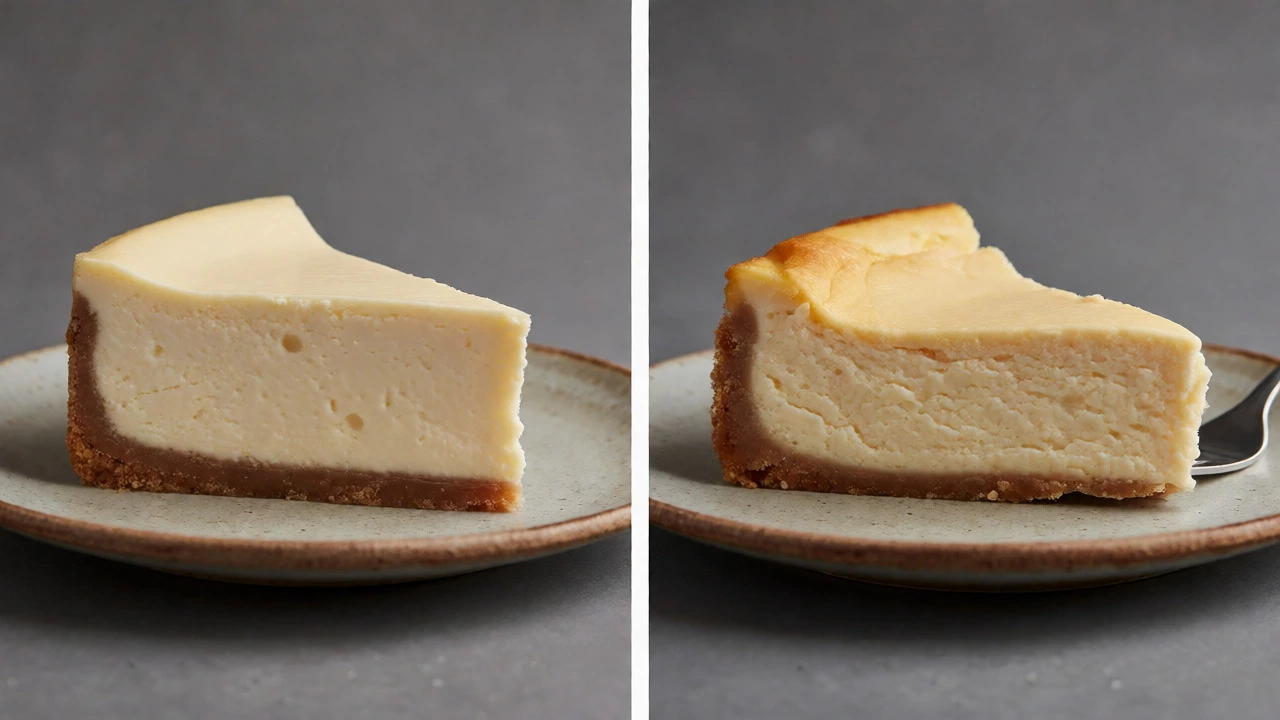
If you simply omit eggs and bake the rest of the batter as usual, expect two main texture issues: density and crumbliness. Because eggs add volume through leavening (air bubbles trapped in the foam), removing them results in a significantly denser final product. Your slice won’t stand tall; it will look compressed.
Furthermore, without the binding action of egg yolks, the crust-to-filling interface can become unstable. Egg yolks contain lecithin, a powerful emulsifier that keeps fat and water mixed smoothly. Without lecithin, the filling may separate slightly during baking, leading to a grainy or curdled texture rather than a silky-smooth mouthfeel. You might notice tiny pockets of whey separating from the cheese solids. It still tastes like cheesecake, but the luxurious, creamy glide you expect is gone.
Here is a quick comparison of what to expect based on whether you include eggs or not:
| Attribute | With Eggs | Without Eggs |
|---|---|---|
| Structure | Firm, holds shape well when sliced | Soft, prone to collapsing or sliding |
| Mouthfeel | Silky, smooth, airy | Dense, potentially grainy or gritty |
| Setting Time | Sets partially while hot, firms on cooling | Requires extensive refrigeration to set |
| Cracking Risk | Moderate (due to protein contraction) | Low (no protein shrinkage) |
Why Some Cheesecakes Don’t Need Eggs Anyway
Wait-if eggs are so critical, why do some recipes work without them? Enter the world of no-bake cheesecakes and specific regional variations. No-bake cheesecakes rely on whipped cream and gelatin or agar-agar to create structure. Since there is no heat involved, the protein coagulation of eggs isn’t needed. Instead, the fat in the cream whips up to trap air, and the gelling agent locks it in place once chilled.
Similarly, some European styles, like certain German Käsekuchen, use quark instead of cream cheese and rely heavily on starch (like cornstarch or potato flour) for stability. These versions often use fewer eggs or none at all because the starch gelatinizes during baking, providing the necessary rigidity. So, if you’re making a no-bake version, skipping eggs is perfectly fine. If you’re attempting a classic baked New York style, skipping them requires a substitute strategy.
How to Fix an Eggless Baked Cheesecake
If you are committed to baking a cheesecake without eggs, you cannot just leave the gap empty. You need to replace both the binding power and the moisture content. Here are the most effective substitutes, ranked by performance in my own kitchen tests here in Halifax.
- Cornstarch or Arrowroot Powder: Add 1 tablespoon of cornstarch per cup of cream cheese. This helps thicken the filling as it heats. It won’t give you the same rise, but it prevents the filling from turning into soup. It creates a pudding-like consistency that firms up nicely in the fridge.
- Heavy Cream: Increase the amount of heavy whipping cream in the recipe. The extra fat helps bind the mixture as it cools. Whip the cream separately until stiff peaks form, then fold it gently into the cheese mixture. This adds air back into the system, mimicking the leavening effect of beaten eggs.
- Gelatin: For a firmer slice, dissolve 1 teaspoon of unflavored gelatin in warm water and mix it into the batter. This is common in commercial "egg-free" cheesecakes. It ensures clean slices even after sitting out for a few minutes.
- Vegan Alternatives: If you are avoiding eggs for dietary reasons, silken tofu blended until completely smooth works surprisingly well. It provides protein and moisture. Combine it with a plant-based yogurt for tang and acidity.
Pro Tip: If using cornstarch, mix it with the sugar first before adding it to the wet ingredients. This prevents clumps. Nobody wants crunchy sugar bits in their creamy dessert.
Baking Adjustments for Egg-Free Batter
Changing the ingredient list changes how the cake behaves in the oven. An eggless batter has less structural integrity against high heat. Therefore, you must lower the temperature. Bake at 300°F (150°C) instead of the typical 325°F or 350°F. Low and slow is non-negotiable here.
Use a water bath (bain-marie). This is crucial. The steam surrounds the pan, ensuring gentle, even heating. It prevents the edges from cooking too fast and cracking before the center sets. Since eggless cheesecakes take longer to set via fat solidification, the water bath buys you time without drying out the surface.
Check for doneness differently. With eggs, you look for a slight jiggle in the center. Without eggs, the center should look matte and dry, not shiny. If it still looks wet, keep baking. However, remember that it will continue to firm up as it cools. Overbaking leads to rubbery textures, which are worse than underbaking in this context.
Taste Differences: Does It Still Taste Like Cheesecake?
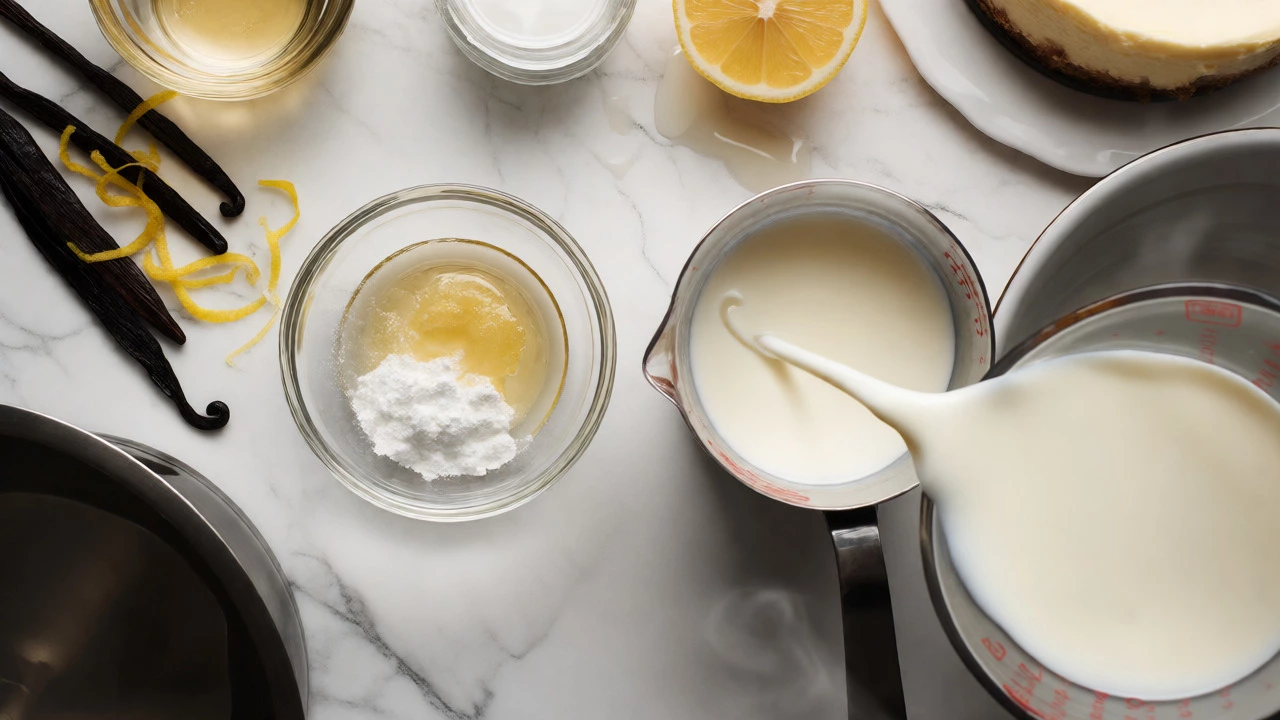
Honestly? Yes, but subtly different. Eggs contribute a richness and a slight sulfuric depth that rounds out the sharpness of the cream cheese. Without them, the flavor profile becomes brighter and more acidic. You might find the lemon juice or vanilla extract notes popping out more prominently.
Some people actually prefer this. If you love a tart, zesty cheesecake, going egg-free can highlight those flavors. Just be aware that the lack of yolk fat might make the sweetness feel sharper. You may want to reduce the sugar by 10% to balance the increased perception of acidity.
Common Mistakes to Avoid
Don’t try to whip the eggless batter too vigorously. Without eggs to stabilize the air bubbles, over-whipping incorporates large, unstable air pockets that collapse during baking, leaving holes in your slice. Mix just until combined.
Don’t rush the cooling process. Move the cheesecake from the oven to the counter, let it reach room temperature, then move it to the refrigerator. Skipping the room temp stage causes condensation to form on top, making the surface soggy. And please, don’t cut into it cold straight from the freezer. Let it sit at room temperature for 20 minutes before slicing to ensure the texture is right.
Can I use egg whites only in cheesecake?
Yes, but it changes the texture. Egg whites provide structure and lift but lack the fat and emulsifiers found in yolks. Using only whites results in a lighter, fluffier, but drier cheesecake. It may also taste more "eggy" due to the concentrated protein flavor. You typically need to increase the fat content elsewhere (like adding more cream) to compensate for the lost moisture and richness.
Will my cheesecake crack if I don't use eggs?
Actually, eggless cheesecakes are less likely to crack. Cracks usually happen when egg proteins contract too rapidly due to high heat. Without those contracting proteins, the surface remains flexible. However, if you bake it too hot or too fast, the surface can still split from uneven expansion, so low-and-slow baking is still recommended.
Is eggless cheesecake vegan?
Not necessarily. Omitting eggs makes it vegetarian-friendly, but standard cheesecake uses dairy cream cheese and sour cream, which are animal products. To make it vegan, you must also swap the dairy components for plant-based alternatives like cashew cream, coconut milk-based cream cheese, or soy yogurt.
How long should I chill an eggless cheesecake?
At least 8 hours, preferably overnight. Since the structure relies on fat solidification rather than protein coagulation, it needs significant time in the fridge to firm up enough for clean slices. If you try to cut it earlier, it will likely slide off the plate.
Can I freeze eggless cheesecake?
Yes, eggless cheesecakes freeze quite well. The texture remains stable because there are no egg proteins to break down upon thawing. Wrap individual slices tightly in plastic wrap and foil. Thaw slowly in the refrigerator overnight for best results.