
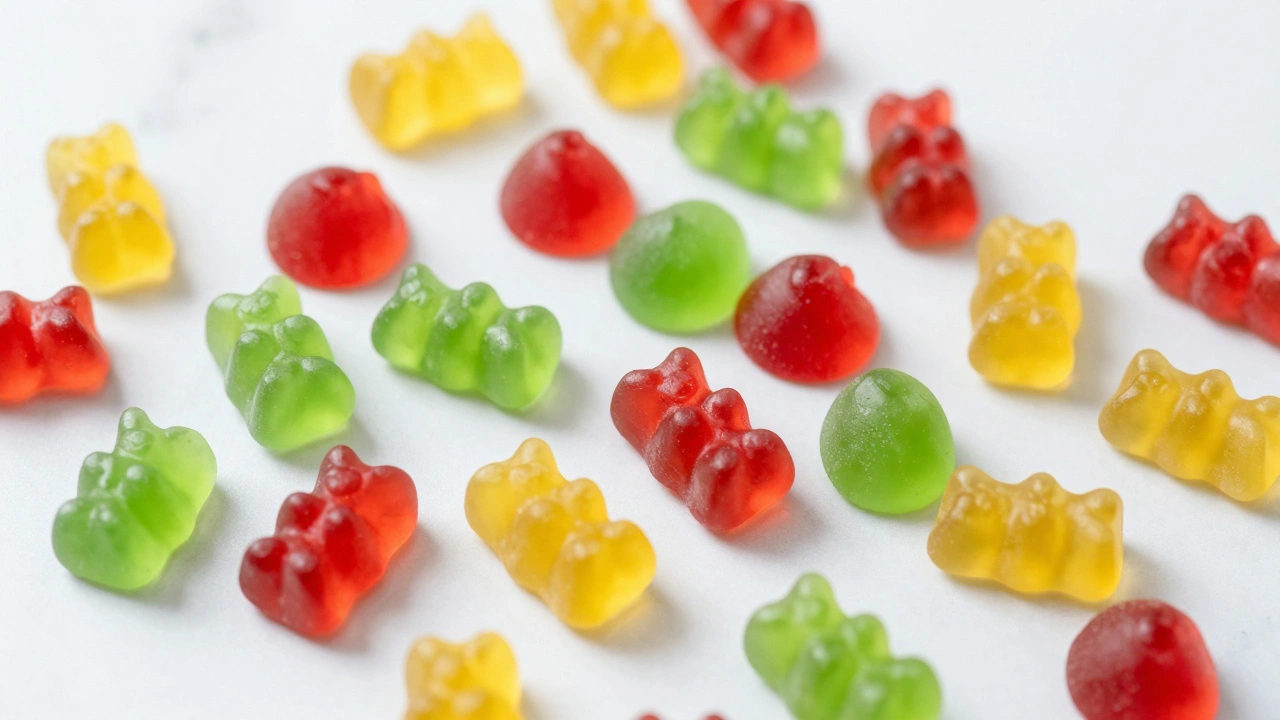
Vegan Candy Ingredient Checker
Select the ingredients you find on your candy packaging to see if they are vegan-friendly.
Gelling Agents & Texturizers
Colors & Glazes
Key Takeaways for Vegan Candy Shopping
- Traditional jelly sweets use gelatin, which is derived from animal collagen.
- Look for vegan jelly sweets made with pectin, agar-agar, or cornstarch.
- Always check for "hidden" animal products like carmine (insect-based dye) or beeswax.
- Many mainstream brands now offer plant-based alternatives that taste identical to the originals.
The Gelatin Problem: Why Most Gummies Aren't Vegan
To understand why jelly sweets are usually a problem, we have to look at Gelatin is a colorless, odorless protein produced by extracting collagen from animal connective tissue, tendons, and ligaments. This is the magic ingredient that gives gummy bears their bounce and chew. Because it's made by boiling down animal parts-usually from cows or pigs-it is fundamentally non-vegan and not vegetarian.
If you've ever noticed that some candies melt more easily than others, it's often because of the gelatin content. It creates a thermo-reversible gel, meaning it melts at body temperature, which is why those sweets feel like they're dissolving in your mouth. For someone avoiding animal products, this means avoiding the vast majority of "traditional" gummy candies found in old-school confectionery shops.
What to Look For: The Plant-Based Alternatives
The good news is that food science has caught up. Manufacturers have found ways to get that same springy texture without using animals. When you're scanning a label, look for these specific substitutes:
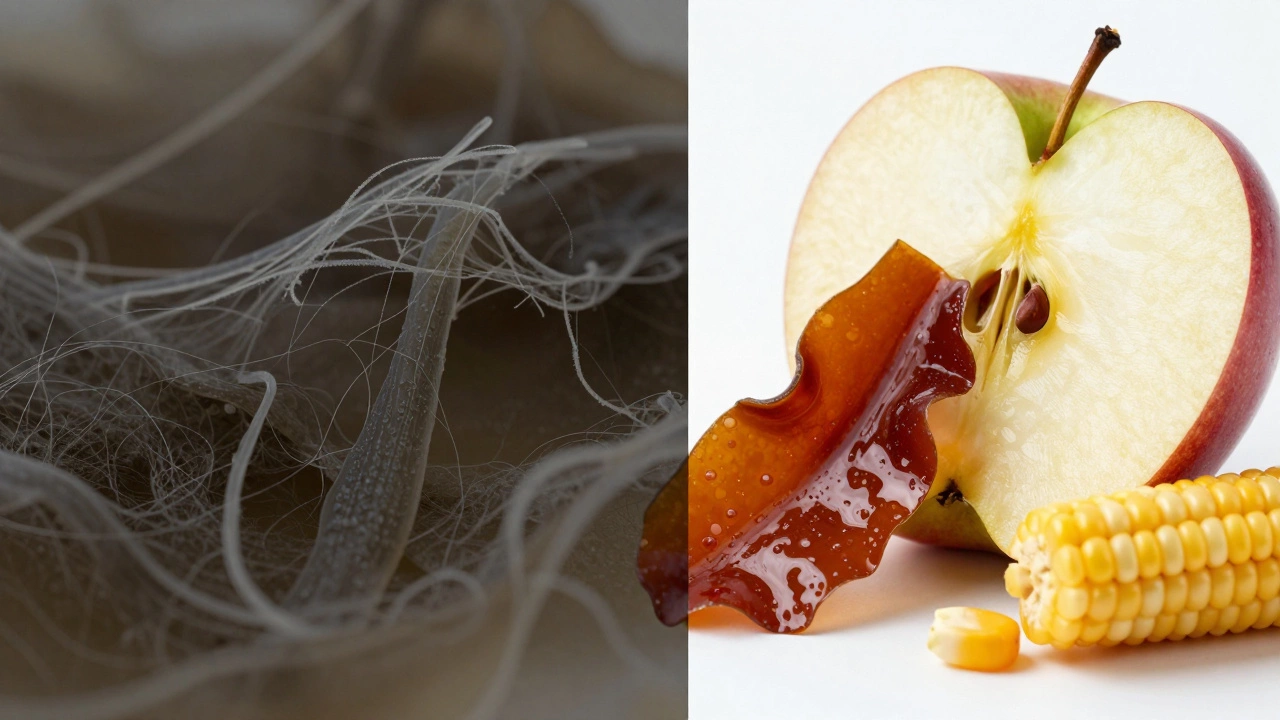
Pectin is a naturally occurring polysaccharide found in the cell walls of terrestrial plants, especially fruits like apples and citrus. This is the gold standard for vegan gummies. It creates a cleaner, slightly softer bite and is common in organic or high-end vegan sweets. Pectin is what makes jams set, so it's a very natural transition to candy.
Agar-Agar is a jelly-like substance derived from red algae, primarily used as a vegan substitute for gelatin in Asian cuisine and desserts. Agar provides a firmer, more "brittle" snap compared to gelatin. You'll often find this in Japanese candies or homemade vegan treats. It's incredibly powerful; a small amount of agar can set a huge batch of sweets.
Then there's cornstarch or tapioca starch. These are often used as fillers or thickening agents to give the candy more "body" and a matte finish, preventing the sweets from sticking together in the bag.
| Ingredient | Source | Texture | Vegan Status |
|---|---|---|---|
| Gelatin | Animal Collagen | Bouncy, Chewy | No |
| Pectin | Fruit/Citrus | Soft, Jammy | Yes |
| Agar-Agar | Seaweed/Algae | Firm, Brittle | Yes |
| Cornstarch | Corn Kernels | Dense, Opaque | Yes |
The "Hidden" Ingredients That Sneak In
Checking for gelatin is the first step, but the trap is often in the colors and coatings. Have you ever seen a candy listed as "natural red" or "cochineal"? That's Carmine is a red pigment derived from the crushed bodies of female scale insects. It's used to get those deep, vivid reds in many fruit-flavored sweets. If you see "E120" on a European label, put it back-it's not vegan.
Another common culprit is Beeswax is a natural wax produced by honey bees, often used as a glazing agent to give candies a shiny finish. While some vegans are okay with beeswax, many avoid it. Shellac (E904), which comes from the secretions of the lac bug, is also frequently used to make sweets shiny and is definitely not plant-based.
How to Spot Vegan Sweets in the Wild
You don't need to be a chemist to find safe treats. The easiest way is to look for the "Certified Vegan" logo. However, not all vegan candies are certified. If there's no logo, follow this quick checklist:
- Scan for "Gelatin" or "Gelatine"-if you see it, it's a no.
- Check for "Pectin" or "Agar"-these are your green lights.
- Look at the dyes-avoid Carmine, Cochineal, or Shellac.
- Beware of "Confectioner's Glaze"-this is usually shellac.
Interestingly, some candies are "accidentally vegan." Many sour belts and rings use cornstarch and pectin instead of gelatin because the texture of a sour belt needs to be different from a gummy bear. You'll often find that the "sour" section of the candy aisle is much friendlier to vegans than the "gummy" section.
Making Your Own: The DIY Route
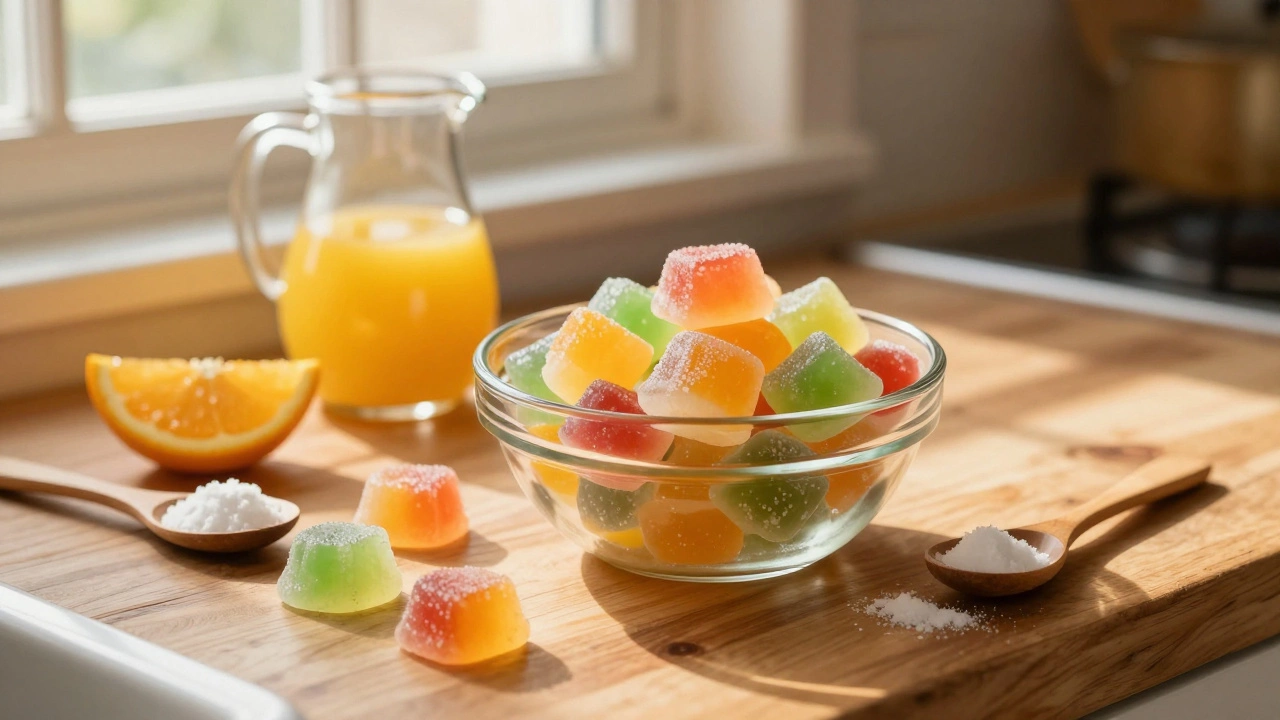
If you're tired of reading labels, making your own is surprisingly easy. You only need a few ingredients: fruit juice, a sweetener (like maple syrup or agave), and agar-agar powder. You simmer the juice and sweetener, whisk in the agar, and pour the mixture into molds. Because you're controlling the ingredients, you can avoid the artificial dyes and high-fructose corn syrup found in store-bought versions.
The trick to a great homemade gummy is the ratio. Using too much agar makes the candy feel like rubber; too little, and it stays a syrup. A good rule of thumb is about one teaspoon of agar powder for every cup of liquid. Let them set in the fridge for at least two hours, and you've got a snack that's actually healthy-ish.
Are all gummy bears vegan?
No, the majority of traditional gummy bears are made with gelatin, which is derived from animals. However, many brands now create specific vegan versions using pectin or modified cornstarch.
Can vegans eat Haribo?
Most classic Haribo products contain gelatin and are not vegan. However, they have introduced specific vegan ranges in various markets. Always check the packaging for the vegan label, as the standard gold bears are animal-based.
What is the best vegan alternative to gelatin?
Pectin is generally considered the best for a "classic" gummy texture, while Agar-Agar is better for a firmer, more structured jelly. The choice depends on whether you want a soft chew or a firm snap.
Is carmine vegan?
No. Carmine is a red food coloring made from crushed insects. It is not vegan or vegetarian and is often listed as E120 on ingredient lists.
Are sour worms usually vegan?
It varies. Some sour worms use gelatin, but many "sour belt" style candies use starch-based gelling agents. You must check the label specifically for gelatin to be sure.
What's Next for Your Vegan Snack Game?
Once you've mastered the art of the gummy hunt, you might want to explore other tricky dessert areas. If you enjoy the chewiness of jelly sweets, try looking into vegan marshmallows (which usually use soy protein or starch instead of gelatin) or vegan gummies made from real fruit purees. These often have a more intense flavor and fewer chemicals than the neon-colored options at the store. Keep an eye on new product launches, as plant-based confectionery is one of the fastest-growing segments in the food industry right now.