Biltmore Cheesecake Size Calculator
Adjust Your Recipe
Adjusted Recipe
Crust
Filling
Tip: Always use full-fat cream cheese. Baking time may increase by 5-10 minutes for larger pans.
The Biltmore cheesecake isn’t just another dessert-it’s a slice of history with a creamy, rich twist. Named after the Biltmore Estate in Asheville, North Carolina, this cheesecake became famous not because it was invented there, but because it was served in the estate’s grand dining rooms during the early 1900s. Wealthy guests at the Vanderbilt family’s mansion would enjoy it after dinner, and over time, it became a signature treat tied to Southern hospitality and elegance.
What Makes It Different From Other Cheesecakes?
Unlike New York-style cheesecake, which leans dense and heavy, or the light, airy Italian version, the Biltmore cheesecake strikes a perfect middle ground. It’s smooth, slightly tangy, and not overly sweet. The secret lies in its simple ingredients: cream cheese, sour cream, sugar, eggs, vanilla, and a graham cracker crust. No flour, no cornstarch, no heavy whipping cream-just pure, unadulterated dairy richness.
The sour cream is what really sets it apart. It adds moisture and a subtle tang that balances the sweetness, making each bite feel luxurious without being cloying. Many people assume all cheesecakes need a water bath, but the Biltmore version bakes perfectly without one. That’s a big win for home bakers who don’t want to deal with foil wraps and steam-filled ovens.
The Graham Cracker Crust: Simple, But Crucial
The crust is where many recipes fail. Too dry, too crumbly, too sweet-it ruins the whole experience. The Biltmore cheesecake uses a classic graham cracker crust made with just three things: crushed graham crackers, melted butter, and a pinch of sugar. No egg wash, no fancy binders. You press it into the pan, bake it for 8 minutes to set, and let it cool before adding the filling.
Pro tip: Use real butter, not margarine. The flavor difference is noticeable. And don’t skip the light toast step-baking the crust for even 8 minutes deepens its flavor and gives it a slight crunch that holds up against the creamy filling.
How to Make It (Step by Step)
- Preheat your oven to 325°F (163°C).
- Crush 1 ½ cups of graham crackers into fine crumbs. Mix with 6 tablespoons melted butter and 2 tablespoons sugar. Press into a 9-inch springform pan. Bake for 8 minutes, then cool.
- In a large bowl, beat 24 ounces (3 packages) of full-fat cream cheese until smooth. Add 1 cup granulated sugar and beat again.
- Stir in 1 cup sour cream, 2 large eggs, and 1 teaspoon pure vanilla extract. Mix just until combined-don’t overbeat.
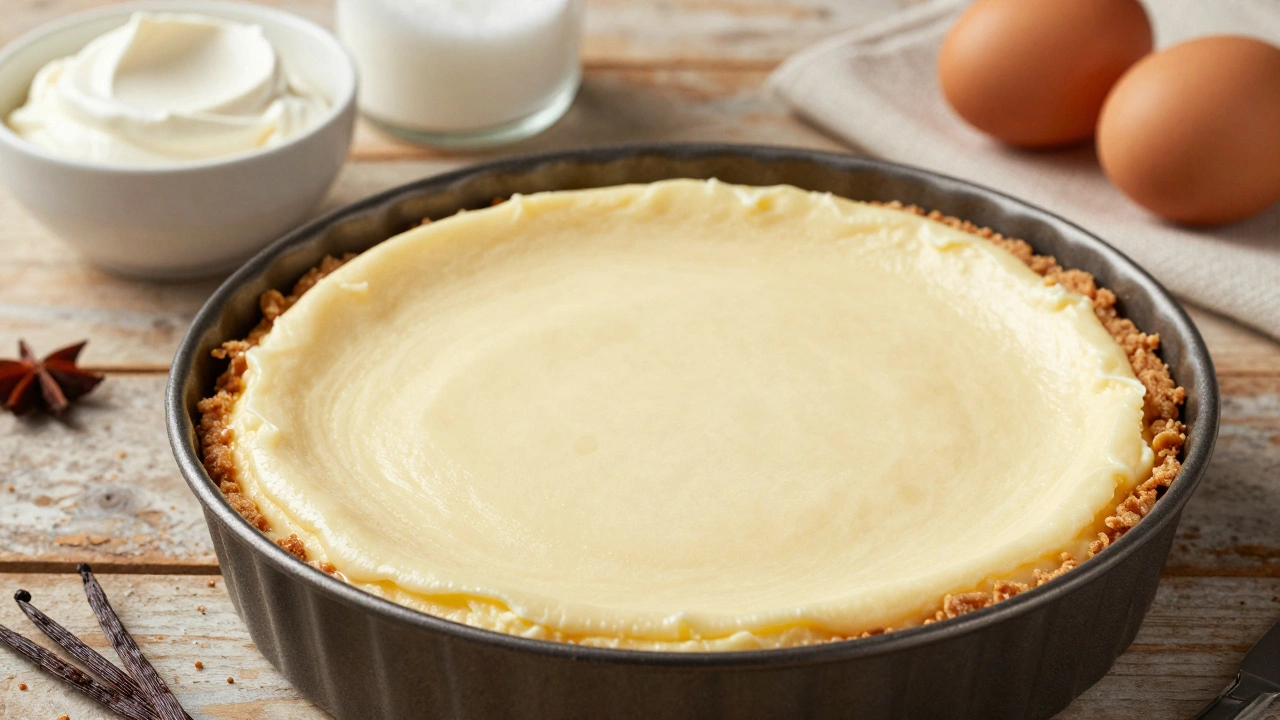
- Pour the filling over the cooled crust. Place the pan on a baking sheet (to catch any leaks) and bake for 50-60 minutes. The center should still jiggle slightly when you shake the pan.
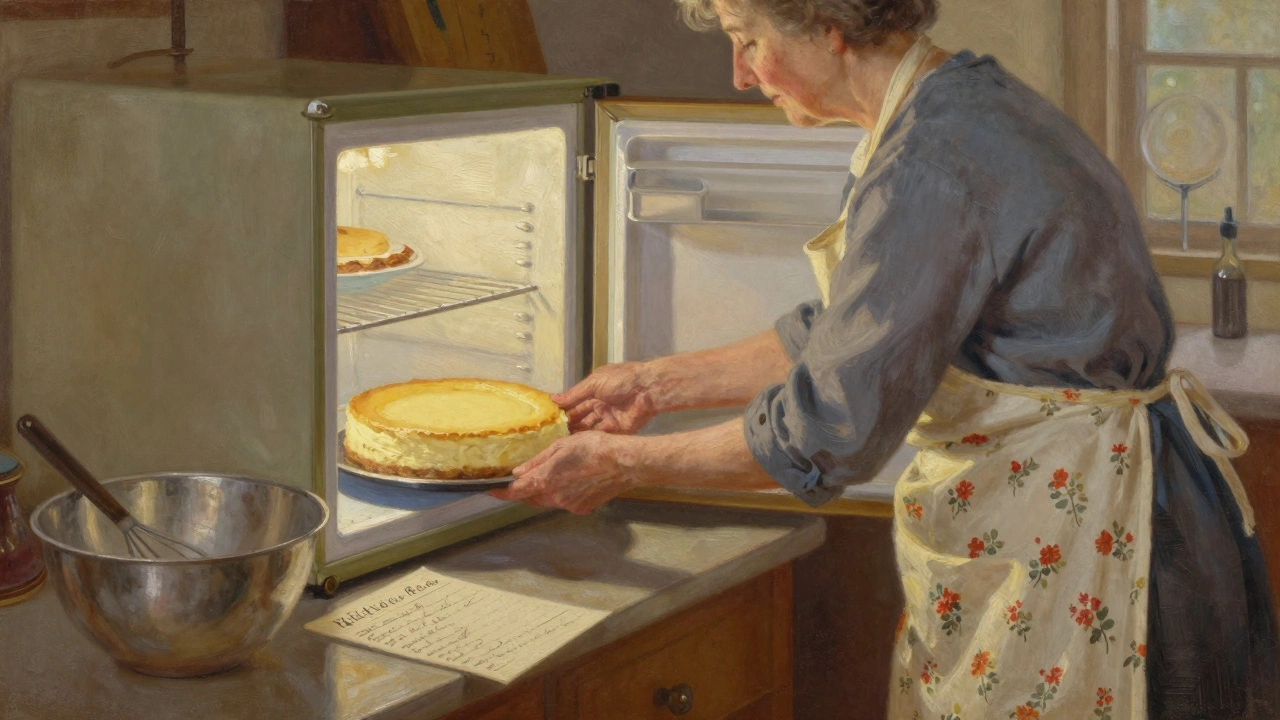
- Turn off the oven, crack the door open, and let the cheesecake sit inside for 1 hour. This prevents cracking.
- Refrigerate for at least 6 hours, preferably overnight.
Why It Stays Popular Today
Even in 2025, the Biltmore cheesecake remains a favorite at family gatherings, holiday tables, and church potlucks across the Southeast. Why? Because it’s reliable. It doesn’t need fancy tools. It doesn’t require a food processor or a stand mixer-just a bowl and a hand whisk. You can make it with ingredients most people already have in their pantry.
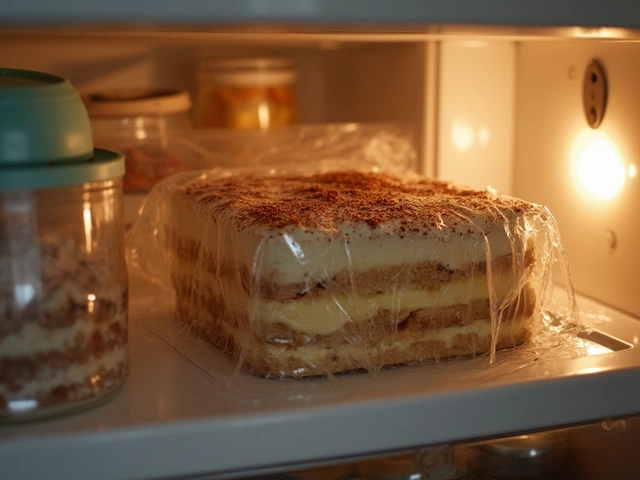
It also travels well. Unlike delicate meringue-topped pies or custard-based desserts, this cheesecake holds up in the fridge for up to five days. It freezes beautifully, too. Wrap it tightly in plastic and foil, and it’ll keep for two months. Thaw overnight in the fridge before serving.
Common Mistakes to Avoid
Even though it’s simple, people still mess it up. Here are the top three errors:
- Overmixing the batter-This incorporates too much air, leading to cracks and a grainy texture. Mix until just combined.
- Using low-fat cream cheese-It changes the texture. Full-fat is non-negotiable here. The fat content keeps it silky.
- Skipping the cooling step-Letting it cool slowly in the turned-off oven is what keeps the surface smooth. Rushing this step almost always results in cracks.
How to Serve It
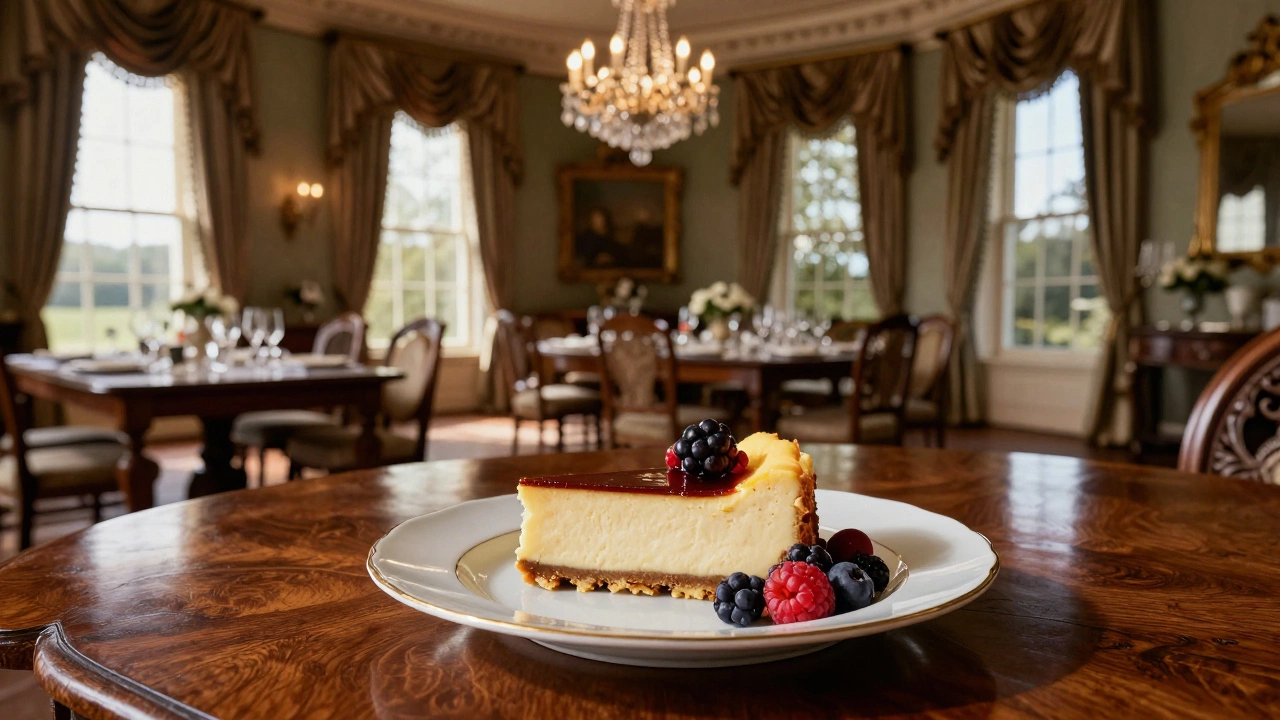
Traditionally, it’s served plain. But a light topping makes it feel special without overpowering the flavor. Fresh berries-strawberries, blueberries, or raspberries-are perfect. A drizzle of raspberry coulis or a dusting of powdered sugar works too. Avoid whipped cream on top; it masks the delicate balance of the cheesecake itself.
Some people like to add a splash of bourbon to the filling for a grown-up twist. Just 1 tablespoon adds warmth without making it taste like a cocktail. It’s optional, but if you’re serving it at a dinner party, it’s a quiet nod to Southern tradition.
Where It Comes From (And Why It Matters)
The Biltmore Estate was built by George Washington Vanderbilt II and opened in 1895. At its peak, it hosted presidents, industrialists, and celebrities. The estate’s kitchens employed dozens of staff, and their recipes were passed down through generations. The cheesecake was likely adapted from European dessert traditions but made local with American ingredients-sour cream, graham crackers, and American cream cheese.
Today, the Biltmore Estate still serves this cheesecake in its restaurants. Visitors can buy the recipe book, and many home bakers have replicated it exactly. It’s not just a dessert-it’s a connection to a time when meals were slow, thoughtful, and made with care.
Why You Should Try It
If you’ve been making the same cheesecake for years, it’s time to switch. The Biltmore version is easier than most, tastes better than most, and doesn’t require any special skills. It’s the kind of dessert that makes people ask, “Where did you get this recipe?”-and then they beg for the instructions.
It’s not flashy. It doesn’t have layers of caramel or chocolate ganache. But that’s the point. It’s pure, honest, and comforting. In a world full of complicated desserts, the Biltmore cheesecake reminds you that sometimes, the best things are the simplest.
Is Biltmore cheesecake the same as New York cheesecake?
No. New York cheesecake is denser, richer, and usually includes heavy cream or extra egg yolks. Biltmore cheesecake is lighter, uses sour cream instead of heavy cream, and has a simpler ingredient list. It’s smoother and less eggy, with a more delicate flavor.
Can I use a different crust?
You can, but you’ll lose the classic Biltmore flavor. A graham cracker crust is traditional because it’s slightly sweet and crunchy without overpowering the filling. Digestive biscuits work as a substitute, but avoid cookie crusts like Oreos-they’re too sweet and change the balance.
Do I need to use a water bath?
No. The Biltmore cheesecake was never made with a water bath. The slow cooling process in the turned-off oven is enough to prevent cracking. Adding water makes it more complicated and isn’t necessary for this recipe.
How long does it last in the fridge?
It keeps well for up to 5 days when covered tightly with plastic wrap or stored in an airtight container. Always refrigerate it-it’s a dairy-based dessert and doesn’t last at room temperature.
Can I freeze Biltmore cheesecake?
Yes. Freeze it without toppings. Wrap the whole cheesecake in plastic wrap, then in aluminum foil. It’ll keep for up to 2 months. Thaw overnight in the fridge before serving. The texture stays smooth, and the flavor doesn’t suffer.