Tiramisu Mascarpone Substitution Simulator
Select a substitute below to see how it changes the chemistry of your tiramisu.
Flavor Profile
Mild, buttery, and slightly sweet. It does not compete with espresso or cocoa.
Texture Impact
Smooth, dense, and velvety. Melts on the tongue without being watery.
Fat Content & Structure
~60-75% Fat. High fat content ensures the cream holds its shape when chilled but remains creamy.
Recommended Adjustment for This Substitute
- No major adjustments needed for authentic tiramisu.
- Ensure mascarpone is cold before mixing to prevent separation.
- Fold gently into whipped egg whites to maintain airiness.
Pro Tip: If using Cream Cheese, you must add extra sugar and lemon juice to mimic the tang-to-sweet balance of mascarpone, otherwise the result will be too sharp against the coffee.
You are standing in the grocery aisle, staring at a block of white cream that looks suspiciously like American cream cheese. The recipe for your dream tiramisu calls for it, but you hesitate. Is this the right stuff? Will it ruin the dessert? This confusion is common because most people know tiramisu as "coffee-soaked cake," not realizing that its soul lies in a specific Italian dairy product.
The answer to "what is the name of the Italian cheese" is Mascarpone. It is a fresh, high-fat cheese from Lombardy, Italy, that provides the creamy, velvety texture essential to authentic tiramisu. Unlike regular cream cheese, mascarpone has a much higher fat content (around 60-75%) and a delicate, slightly sweet flavor profile that doesn't compete with the espresso and cocoa.
Why Mascarpone Is Not Just Cream Cheese
Many home bakers make the mistake of swapping mascarpone for standard Philadelphia-style cream cheese. Don't do it. While they look similar, their chemical structures and culinary behaviors are worlds apart. Mascarpone is technically a type of curd cheese made by heating cream and adding an acid, such as citric or tartaric acid, until it thickens. It is not aged, so it retains a raw, fresh quality.
Cream cheese, on the other hand, is fermented with lactic acid bacteria. This fermentation gives it a tangy, sharp taste that can clash with the bitter notes of coffee and the sweetness of ladyfingers. If you use cream cheese, your tiramisu will taste sour rather than rich. Mascarpone is mild, buttery, and almost neutral, allowing the other ingredients-espresso, Marsala wine, and dark chocolate-to shine.
The Anatomy of Authentic Tiramisu
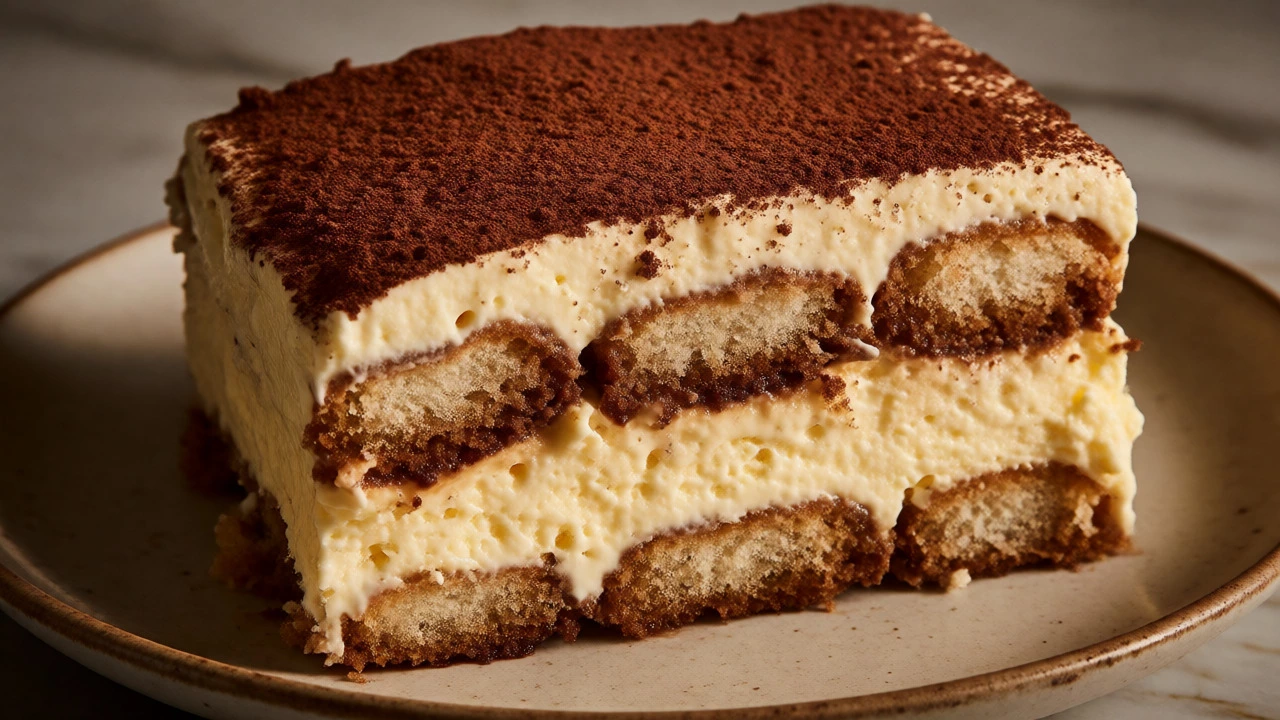
To understand why mascarpone is non-negotiable, you have to look at how tiramisu works mechanically. It’s a layered assembly where structure meets moisture. The layers consist of:
- Savoiardi (Ladyfingers): Dry, crisp sponge biscuits that act as sponges.
- Espresso: Strong, cooled coffee used to soak the biscuits.
- Mascarpone Cream: A mixture of mascarpone, egg yolks, sugar, and sometimes egg whites or heavy cream.
- Cocoa Powder: Dusting on top for bitterness and visual contrast.
The mascarpone cream acts as the binder. Because mascarpone has a high fat content and low water content compared to yogurt or cottage cheese, it holds its shape when chilled without becoming rubbery or watery. When you bite into a proper slice, the cream should melt on your tongue, not stick to your teeth.
| Feature | Mascarpone | Cream Cheese | Ricotta |
|---|---|---|---|
| Fat Content | ~60-75% | ~33-40% | ~13-20% |
| Flavor Profile | Mild, buttery, sweet | Tangy, salty, sharp | Milky, grainy, mild |
| Texture | Smooth, dense, spreadable | Firm, crumbly when cold | Grainy, wet |
| Best For | Tiramisu, frostings | Cheesecakes, bagels | Cannoli, lasagna filling |
Where Does Mascarpone Come From?
Mascarpone originated in the Lombardy region of northern Italy, specifically near Milan. Historically, it was made by farmers who had excess cream and needed a way to preserve it before refrigeration became widespread. By heating the cream and adding vinegar or lemon juice, they created a stable, high-calorie food source.
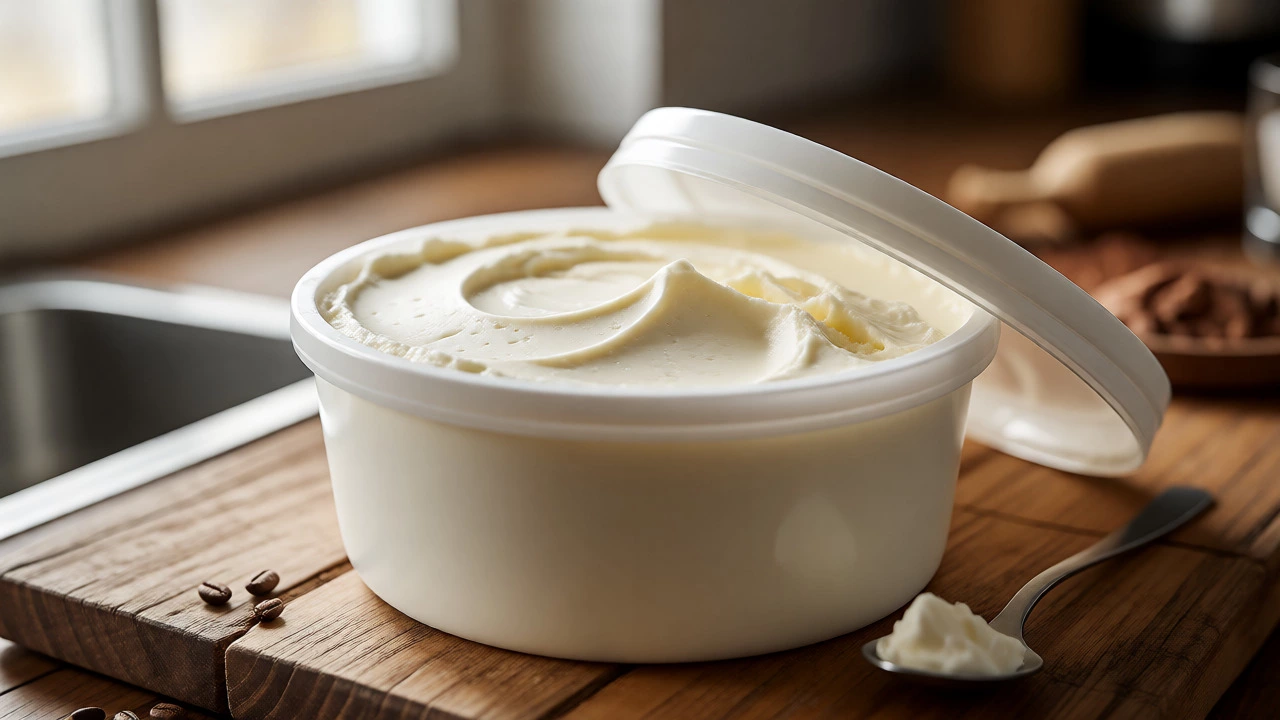
Today, while industrial production dominates, artisanal mascarpone is still prized for its purity. Look for brands that list only two ingredients: cream and citric acid. If you see stabilizers, gums, or preservatives, the texture might be gummy rather than silky. In North America, major supermarkets now stock mascarpone in the deli section, often near other soft cheeses like Brie or Camembert. It usually comes in small plastic tubs ranging from 8 oz to 1 lb.
How to Handle Mascarpone Without Ruining It
Mascarpone is temperamental. It separates easily if handled incorrectly. Here is the golden rule: keep it cold until you need it, then work quickly.
When making the cream base, beat the egg yolks and sugar first until pale and fluffy. Then, add the mascarpone. Do not overmix. Overbeating mascarpone breaks down the fat emulsion, turning it into butter and whey. You want a smooth, uniform consistency. If your kitchen is hot, chill your mixing bowl beforehand.
If you are using mascarpone in a frosting, ensure it is at room temperature just enough to blend smoothly but not so warm that it becomes runny. A good trick is to fold whipped cream into the mascarpone gently. This adds airiness without destabilizing the cheese.
Can You Substitute Mascarpone?
Sometimes you cannot find mascarpone, or you want a lighter option. While nothing replicates mascarpone perfectly, you can get close with a DIY hack.
The Cream Cheese Hack: Mix 8 oz of full-fat cream cheese with 1/4 cup of heavy whipping cream and 1 tablespoon of lemon juice. Whip until smooth. This mimics the fat content and softness better than plain cream cheese, though it will still retain some tang.
The Ricotta Hack: Blend whole-milk ricotta until completely smooth, then mix it with a little heavy cream. This works well if you prefer a lighter, less rich dessert, but the texture will be slightly grainier.
Avoid using Greek yogurt or cottage cheese unless you are making a health-focused variant. Their acidity and moisture levels change the chemistry of the tiramisu, often resulting in a soggy bottom layer.
Troubleshooting Your Tiramisu
If your tiramisu turns out wrong, the cheese is usually the culprit. Here are common issues:
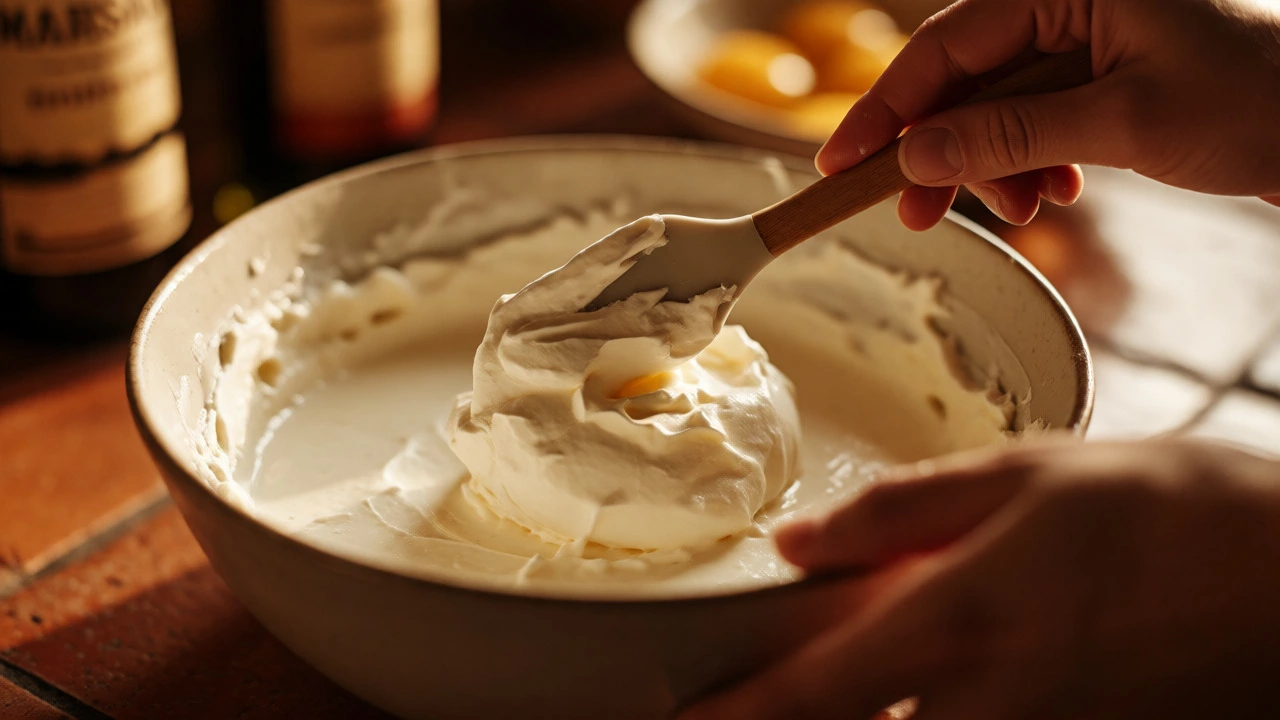
- Too Runny: You likely overmixed the mascarpone or added too much liquid (espresso/wine) to the cream. Next time, fold ingredients gently and let the dessert set in the fridge for at least 6 hours.
- Too Dense: You didn’t whip the egg whites or cream enough before folding them in. Mascarpone alone is heavy; it needs aerated components to lift it.
- Grainy Texture: The mascarpone may have been too cold when mixed with room-temperature eggs, causing shock separation. Let ingredients come to similar temperatures before combining.
Beyond Tiramisu: Other Uses for Mascarpone
While tiramisu is its most famous application, mascarpone is incredibly versatile. In Italy, it is often served simply with honey and berries for breakfast. It makes an excellent pasta sauce when stirred into hot noodles with garlic and sage. The heat melts the cheese into a creamy coating that clings to the pasta better than oil or butter.
You can also use it in savory applications. Spread it on crostini with fig jam, or dollop it onto roasted vegetables. Its mildness means it complements strong flavors like balsamic glaze or prosciutto without overpowering them.
Is mascarpone gluten-free?
Yes, pure mascarpone is naturally gluten-free. It is made from cream and acid. However, always check the label for potential cross-contamination warnings if you have celiac disease, especially if it is produced in a facility that handles wheat products.
How long does mascarpone last after opening?
Once opened, mascarpone should be consumed within 3 to 5 days. Keep it tightly sealed in the refrigerator. If you see yellowish discoloration or smell sour odors, discard it immediately. It spoils faster than harder cheeses due to its high moisture and lack of preservatives.
Can I freeze mascarpone?
Freezing mascarpone is generally not recommended for fresh use because the texture changes upon thawing. It becomes grainy and separates. However, if you plan to use it in cooked dishes like pasta sauces or baked cheesecakes, freezing is acceptable. Thaw it slowly in the fridge and whisk vigorously to re-emulsify.
Is mascarpone healthy?
Mascarpone is calorie-dense and high in saturated fat. One ounce contains about 120 calories. It is a good source of Vitamin A and calcium, but it should be enjoyed in moderation as part of a balanced diet. It is richer than yogurt or cottage cheese.
Why is my tiramisu bitter?
If your tiramisu tastes overly bitter, it is likely not the mascarpone’s fault. Check your espresso strength and cocoa powder. Using very dark, unsweetened cocoa or extremely concentrated coffee can overwhelm the sweetness of the mascarpone cream. Adjust by adding more sugar to the yolk mixture or using milk chocolate shavings instead of cocoa dusting.