Dessert Matchmaker: Ice Cream vs. Tiramisu
Not sure what to order? Answer these three quick questions to find out which global dessert champion fits your moment best.
Your Recommendation
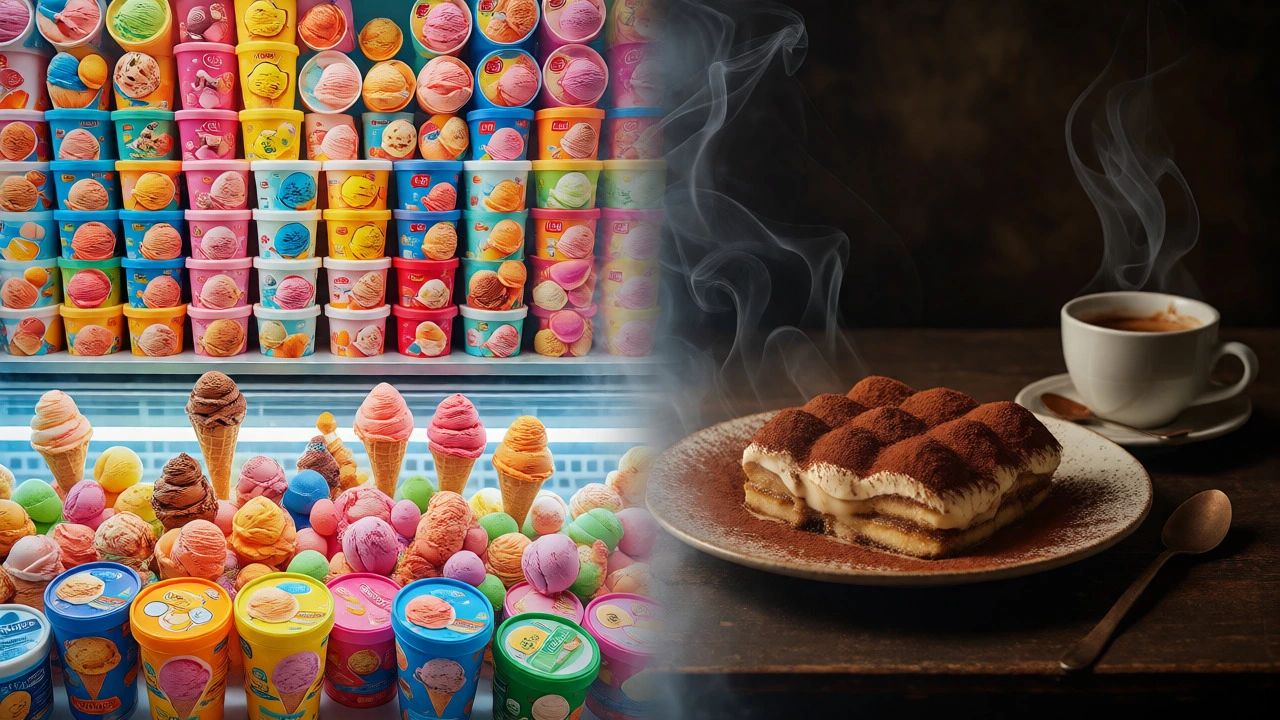
You might think it’s chocolate cake. Or maybe you’d bet on cheesecake. But if you look at raw sales data and global availability, there is one clear winner that dominates every continent: ice cream. It is a frozen dairy product consumed by billions of people annually, with global sales exceeding $80 billion USD per year. However, if we shift the metric from "total volume" to "most ordered restaurant dessert," tiramisu, an Italian coffee-flavored layered dessert made with ladyfingers soaked in espresso and mascarpone cheese, often takes the crown.
This distinction matters because "consumed" can mean two very different things. Are we talking about the snack you buy at a gas station in Ohio? Or the elegant finale to a dinner in Tokyo? The answer changes depending on whether you value sheer quantity or cultural prestige. Let’s break down why these two giants dominate the global sweet scene, and where other contenders like brownies and macarons fit into this delicious hierarchy.
The Undisputed King of Volume: Ice Cream
If you define "most consumed" by how many units are sold globally, ice cream isn’t just winning; it’s playing in a different league. According to the International Dairy Foods Association, global ice cream sales have consistently hovered around $80-$90 billion annually. That’s more than the GDP of some small nations.
Why does ice cream win on volume? Simplicity and accessibility. You don’t need a restaurant reservation to eat it. You can buy a cone for two dollars in Mumbai, a tub for five dollars in Halifax, or a scoop in Paris. It requires no cooking skills from the consumer. It satisfies a primal craving for sugar and fat while providing thermal relief in hot climates and comfort in cold ones.
Consider the numbers. The United States alone consumes over 650 million gallons of ice cream each year. China’s consumption has skyrocketed as its middle class grows, now rivaling European markets. In Australia, ice cream is so ubiquitous that it’s practically a food group. No other dessert has this level of geographic penetration. Chocolate bars come close, but they lack the ritualistic and social component that ice cream provides-sharing a sundae, eating a cone on a boardwalk, or enjoying a family-sized tub during a movie night.
Tiramisu: The Global Restaurant Champion
Now, let’s talk about tiramisu. If ice cream is the king of convenience, tiramisu is the emperor of experience. While exact global sales figures for specific plated desserts are harder to track than packaged goods, industry reports from hospitality sectors in Europe, Asia, and North America consistently rank tiramisu as the most requested dessert on menus.
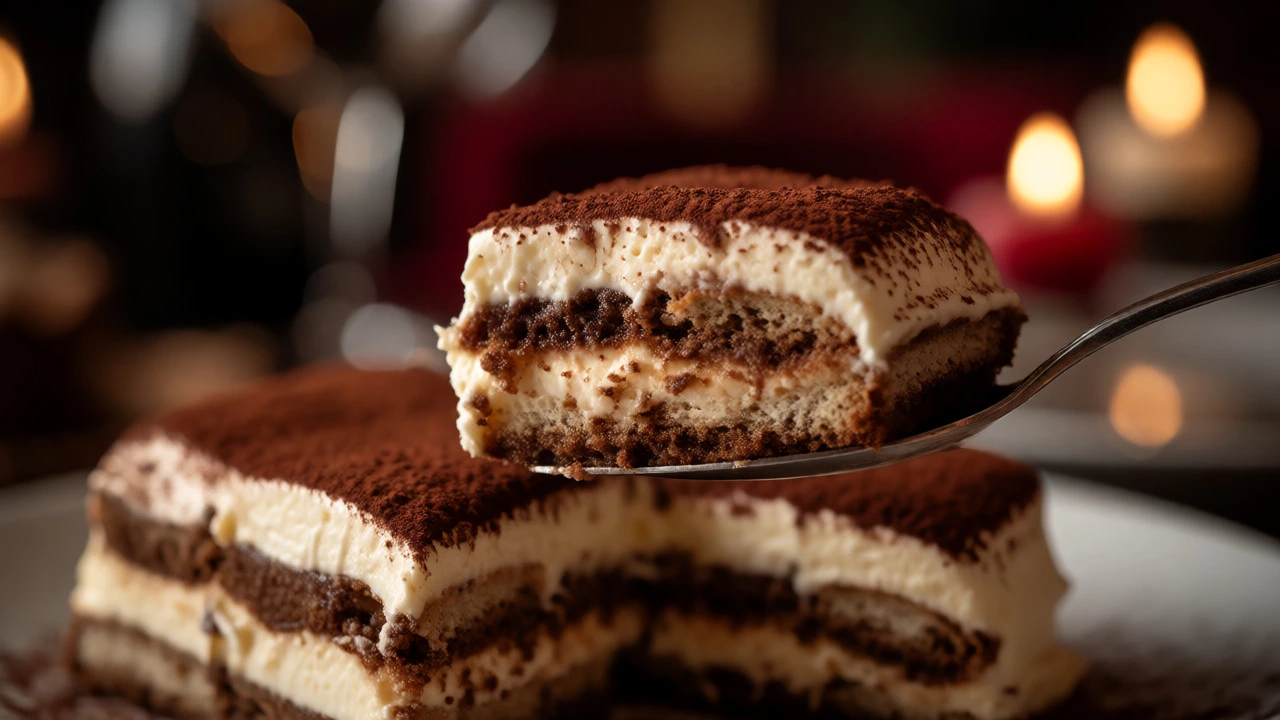
Tiramisu is a coffee-flavored dessert originating from Italy, specifically the Veneto region, which became internationally famous in the late 20th century. Its appeal lies in its sophisticated flavor profile. It combines the bitterness of espresso, the richness of mascarpone, and the sweetness of cocoa powder. Unlike ice cream, which is primarily about texture and temperature, tiramisu is about balance.
Why do chefs love serving it? Because it scales well. A large tray of tiramisu can serve twenty people with minimal plating effort compared to intricate French pastries. For customers, it feels luxurious without being overly heavy. It’s creamy but airy. It’s sweet but not cloying. This perfect storm of attributes has made it the default "safe" choice for diners who want something impressive but familiar.
| Dessert Type | Primary Consumption Context | Global Reach | Complexity | Key Ingredient Driver |
|---|---|---|---|---|
| Ice Cream | Retail, Street Food, Home | Universal (Every country) | Low (Pre-packaged) | Dairy & Sugar |
| Tiramisu | Restaurants, Cafes, Special Occasions | High (Urban centers globally) | Medium (Assembly required) | Coffee & Mascarpone |
| Chocolate Cake | Bakeries, Home Baking | Very High | Medium-High (Baking) | Cocoa & Flour |
| Cheesecake | Restaurants, Bakeries | High (Strong in US/Europe) | High (Baking/Water bath) | Cream Cheese |
Why Coffee Culture Boosts Tiramisu’s Popularity
You cannot separate tiramisu from the global explosion of coffee culture. Over the last thirty years, caffeine consumption has risen dramatically. From the rise of Starbucks to the proliferation of independent cafes in London, Berlin, and Toronto, coffee has become a daily ritual for hundreds of millions of people.
Tiramisu leverages this habit perfectly. It allows people to enjoy their favorite flavor profile-coffee-in a dessert format. It’s essentially edible coffee. When a diner orders a cappuccino after dinner, they are already thinking about coffee. Ordering tiramisu extends that experience. It’s a logical progression. This synergy with the beverage industry gives tiramisu a marketing advantage that fruit tarts or lemon sorbets simply don’t have.
Furthermore, tiramisu travels well culturally. It doesn’t clash with local palates in the same way extremely sweet American buttercreams might. The bitterness of the coffee cuts through the richness, making it acceptable even to those who claim they "don’t like sweets." This adaptability has helped it conquer markets from New York to Singapore.
The Rise of Chocolate-Based Competitors
While ice cream wins on volume and tiramisu on restaurant presence, chocolate-based desserts are the dark horses. Brownies and Macarons have seen massive growth in niche markets.
Brownies, particularly in North America, are a staple of home baking and school fundraisers. They are dense, fudgy, and portable. Unlike tiramisu, which must be eaten with a spoon, a brownie can be eaten on the go. This portability gives them an edge in casual settings. However, brownies lack the global brand recognition of tiramisu. In many Asian and European countries, the concept of a "brownie" is still secondary to traditional local sweets or Western classics like cake.
Macarons, on the other hand, have successfully rebranded themselves as luxury items. Thanks to brands like Ladurée, macarons are consumed as gifts and status symbols rather than everyday snacks. Their consumption is high in value terms but lower in volume compared to ice cream. They represent the premium end of the spectrum, whereas ice cream represents the mass market.
Regional Preferences: Where the Data Gets Messy
It’s important to acknowledge that "global average" hides significant regional differences. What is most consumed in one place may be rare in another.
- North America: Ice cream and chocolate chip cookies dominate. Apple pie remains a cultural icon but sells less than ice cream.
- Europe: Gelato (a type of ice cream) is huge in Italy and Spain. Tiramisu is the undisputed restaurant leader in France, Germany, and the UK.
- Asia: Mango sticky rice in Thailand, red bean desserts in Japan, and bubble tea-associated sweets in China are locally dominant. However, in urban centers, tiramisu and ice cream are rapidly gaining ground due to globalization.
- Middle East: Baklava and kunafa are traditional favorites, but western-style cheesecakes and ice creams are growing in popularity among younger demographics.
When you aggregate all these regions, ice cream still holds the top spot because it has adapted to every single one. There is a version of ice cream for every culture: matcha ice cream in Japan, dulce de leche in Argentina, kulfi in India. Tiramisu, while popular, hasn’t been localized to the same extent. You rarely see "matcha tiramisu" replacing traditional Japanese sweets in the same way matcha ice cream has replaced plain vanilla.
How to Choose Your Next Favorite
So, what should you eat? If you’re looking for the statistically most likely dessert to be available anywhere on Earth, go with ice cream. It’s cheap, accessible, and universally understood. If you’re dining out and want to impress your date or satisfy a sophisticated palate, order the tiramisu. It’s the safe, stylish, and delicious choice that bridges the gap between comfort food and gourmet experience.
Both desserts share a common trait: they rely on high-quality core ingredients. Bad ice cream tastes icy and artificial. Bad tiramisu tastes soggy and flat. The difference between a mediocre bowl and a memorable one lies in the sourcing. Look for ice cream with low overrun (less air whipped in) and real vanilla beans. For tiramisu, ensure the mascarpone is fresh and the espresso is strong enough to stand up to the cheese.
Ultimately, the title of "most consumed" depends on your lens. By volume, ice cream is the giant. By cultural impact and restaurant frequency, tiramisu is the champion. Both deserve their spots on the podium.
Is tiramisu really the most popular dessert in the world?
Not by volume. Ice cream is consumed in much larger quantities globally. However, tiramisu is frequently cited as the most popular *restaurant* dessert in many Western and Asian countries, surpassing items like cheesecake or apple pie in menu orders.
Why is ice cream considered the most consumed dessert?
Ice cream wins on volume due to its low cost, wide availability in retail stores, and universal appeal across different cultures and climates. Global sales exceed $80 billion annually, dwarfing the sales of any single plated dessert.
What is the main ingredient in tiramisu?
The core ingredients are mascarpone cheese, eggs, sugar, ladyfinger biscuits (savoiardi), strong espresso coffee, and cocoa powder. The coffee-soaked ladyfingers provide the signature moisture and flavor.
Does alcohol make tiramisu non-halal or non-kosher?
Traditional tiramisu often includes Marsala wine or rum. However, many modern versions omit alcohol entirely, using extra coffee or flavored syrups instead. Always check the recipe if dietary restrictions apply.
Which country invented tiramisu?
Italy is credited with inventing tiramisu, specifically the Veneto region. While there are competing claims from Friuli Venezia Giulia, the name "tiramisu" (meaning "pick me up") became globally associated with Italian cuisine in the 1970s and 80s.