Cheesecake Cheese Selector
What are you looking for?
Select your preferences to find the perfect cheese for your next bake.
Have you ever stared at the dairy aisle, paralyzed by a wall of white tubs and blocks, wondering why your last cheesecake turned out rubbery or split? The answer isn’t just in your oven temperature; it’s hiding in that block of fat and protein you’re about to beat into submission. Not all cheeses are created equal when it comes to making cheesecake. In fact, using the wrong one can turn a creamy dream into a curdled nightmare.
If you’ve been baking with generic ingredients, you might be surprised to learn that the texture, flavor profile, and structural integrity of your dessert depend entirely on the specific variety of cheese you choose. Some bring tangy brightness, others offer velvety richness, and some simply fall apart under heat. Let’s break down exactly which cheeses work, how they behave, and what kind of masterpiece you can create with each.
The Gold Standard: Cream Cheese
When people say "cheesecake," 90% of the time they are talking about New York-style cheesecake, and that means one thing: full-fat cream cheese. This is the undisputed king of the genre. But not all cream cheese is the same. You need to look for brands that list only pasteurized milk, cream, salt, and stabilizers like carob bean gum or xanthan gum. Avoid anything labeled "spreadable" or "light," as these contain added water and air that will cause your cake to collapse or crack during cooling.
| Attribute | Full-Fat (8 oz block) | Light/Spreadable |
|---|---|---|
| Fat Content | d>33-40%10-20% | |
| Texture Result | Dense, creamy, smooth | Airy, prone to cracking |
| Flavor Profile | Tangy, rich | Mild, watery |
| Baking Stability | High | Low |
The key here is fat content. Fat carries flavor and provides structure. When you bake a cream cheese cheesecake, the proteins coagulate while the fat melts slightly, creating that signature silky mouthfeel. If you use low-fat versions, the protein network tightens up too much without enough fat to lubricate it, resulting in a dry, crumbly texture that resembles cottage cheese more than dessert. Always buy the brick style, not the tub. Tub cheese has emulsifiers that make it spreadable on bagels but terrible for baking because it traps air bubbles that expand and pop in the oven.
The Italian Alternative: Ricotta
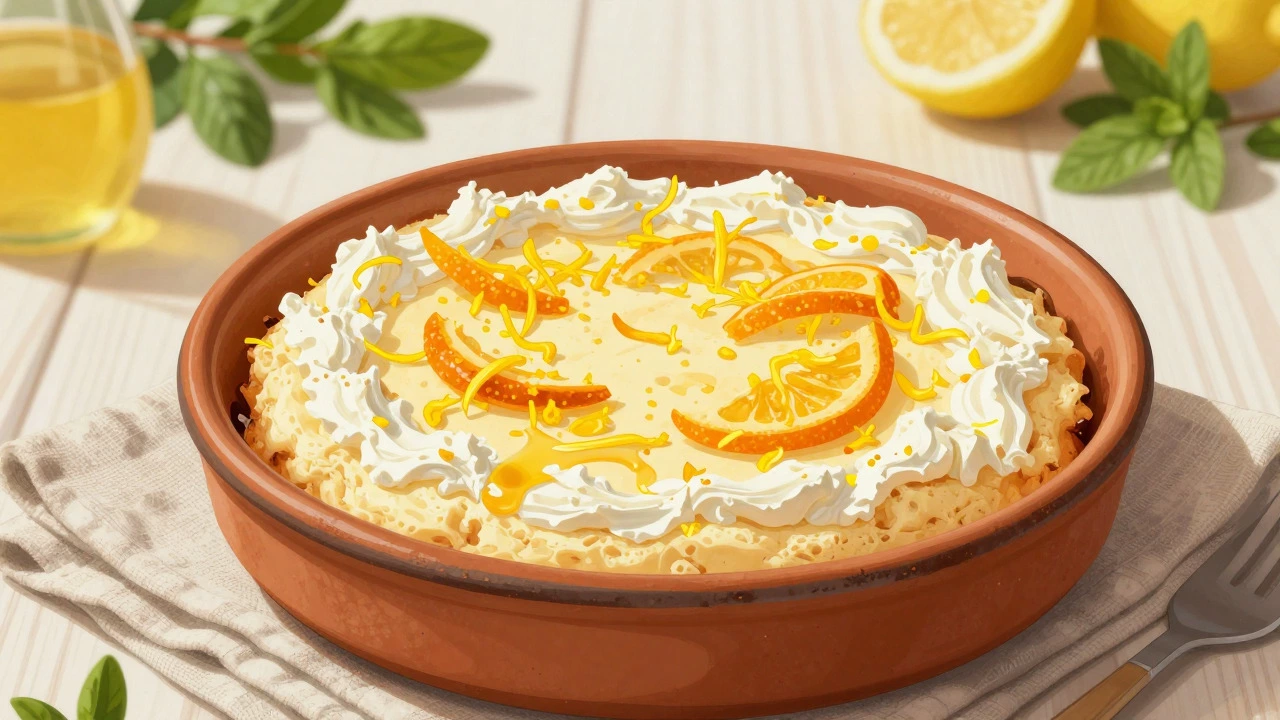
If cream cheese is dense and heavy, ricotta is its light, fluffy cousin. Traditional Italian cheesecakes-like those found in Naples or Sicily-rely almost exclusively on whole-milk ricotta. This cheese is made by reheating whey, which gives it a distinct graininess that many people mistake for poor quality. Don’t worry; this texture is intentional and desirable. It creates a lighter, fluffier cake that feels less like a meal and more like a cloud.
Ricotta has a lower fat content than cream cheese, usually around 10-15%, depending on whether it’s made from whole milk or skim. Because it lacks the high fat content of cream cheese, ricotta cheesecakes often require an addition of eggs or sometimes even mascarpone to bind them together. The flavor is milder and sweeter, lacking the sharp tang of American cream cheese. This makes it perfect for pairing with sweet toppings like lemon zest, candied fruits, or honey. If you’ve never tried a ricotta-based cake, you’re missing out on a version that tastes fresh and delicate rather than rich and indulgent.
The Luxury Upgrade: Mascarpone
Mascarpone is technically a cream cheese, but it’s so different that it deserves its own category. Originating from Lombardy, Italy, mascarpone is made by heating cream and adding an acid like citric acid or lemon juice. The result is a cheese with an incredibly high fat content-often between 40% and 60%. It doesn’t have the tang of cream cheese or the grain of ricotta. Instead, it is pure, buttery silk.
Using mascarpone alone can result in a cheesecake that is too soft to slice cleanly, so most bakers blend it with cream cheese. A common ratio is half cream cheese and half mascarpone. This hybrid approach gives you the structural stability of the cream cheese with the luxurious mouthfeel of the mascarpone. It’s the secret ingredient in many high-end bakery recipes. If you want a cheesecake that tastes like eating whipped butter, this is your move. Just be careful not to overmix it, as the high fat content can separate if beaten too vigorously.
Other Contenders: From Cottage Cheese to Goat Cheese
While cream cheese, ricotta, and mascarpone dominate the scene, other cheeses can play supporting roles or even take center stage in niche recipes.
- Cottage Cheese: Yes, really. Many Eastern European and Jewish grandmothers swear by cottage cheese for their cheesecakes. To use it, you must blend it until completely smooth in a food processor. The result is a very moist, slightly tangy cake that is lower in fat than cream cheese versions. It requires a good amount of straining to remove excess liquid, or your crust will get soggy.
- Goat Cheese (Chèvre): For a sophisticated twist, substitute half the cream cheese with fresh goat cheese. It adds a sharp, earthy tang that cuts through the sweetness of the sugar. This works beautifully with fruit compotes, especially berries or figs. The texture remains similar to cream cheese, but the flavor profile becomes complex and adult-oriented.
- Neufchâtel: Often found in North America, Neufchâtel is a lower-fat French-style cream cheese. It’s essentially a lighter version of cream cheese. While convenient, it rarely produces the same depth of flavor or density as full-fat cream cheese. Use it only if you are strictly watching calories, but expect a softer, less defined final product.
Common Mistakes That Ruin Your Cheesecake
Even with the right cheese, technique matters. One of the biggest errors home bakers make is taking cold cheese straight from the fridge and trying to mix it. Cold cheese resists blending, leading to lumps that no amount of beating will fix. Always let your cream cheese, ricotta, or mascarpone sit at room temperature for at least an hour before starting. This ensures a smooth, homogeneous batter that bakes evenly.
Another pitfall is overmixing. Once you add the eggs, stop mixing as soon as they are incorporated. Overbeating incorporates too much air, which expands in the oven and then collapses as the cake cools, causing cracks on the surface. Aim for gentle folding motions rather than high-speed whipping. Finally, don’t skip the water bath. Baking your cheesecake in a pan surrounded by hot water creates a humid environment that cooks the cheese gently and prevents the edges from setting too quickly, which is the primary cause of cracking.
How to Choose Based on Your Goal
Your choice of cheese should align with the experience you want to deliver. Are you hosting a holiday dinner where guests expect a classic, rich slice? Stick with full-fat cream cheese. Do you want something lighter for a brunch setting? Go with ricotta. Are you impressing a date with a decadent, restaurant-quality dessert? Blend cream cheese with mascarpone. There is no single "best" cheese, only the best cheese for your specific occasion and taste preference.
Experimentation is part of the fun. Try swapping 25% of your cream cheese for goat cheese next time, or blend ricotta with a touch of mascarpone for extra richness. Each variation teaches you something new about how dairy behaves under heat. The kitchen is your laboratory, and the cheese aisle is your toolkit.
Can I use cheddar cheese for cheesecake?
Technically yes, but it won't be a traditional cheesecake. Cheddar is a hard, aged cheese with a strong savory flavor. Using it would result in a dish closer to a quiche or a savory tart. For a sweet dessert, stick to fresh, soft cheeses like cream cheese, ricotta, or mascarpone.
Is mascarpone the same as cream cheese?
No, they are quite different. Mascarpone is made from cream and has a much higher fat content (40-60%) compared to cream cheese (33%). Mascarpone is sweeter, smoother, and less tangy. It is also softer and does not hold its shape as well when baked, so it is often mixed with cream cheese for structure.
Why did my cheesecake crack?
Cracking is usually caused by overmixing (incorporating too much air), baking at too high a temperature, or cooling too quickly. Using full-fat cream cheese and employing a water bath can help prevent this. Additionally, running a knife around the edge of the pan immediately after baking allows the cake to contract freely as it cools.
Can I use tub cream cheese instead of block cream cheese?
It is not recommended. Tub cream cheese contains stabilizers and emulsifiers that make it spreadable but trap air. This leads to a cheesecake that may rise too much and then collapse, resulting in a dense, gummy texture. Block cream cheese provides a cleaner, smoother result.
Do I need to strain ricotta for cheesecake?
Yes, especially if you want a very smooth texture. Store-bought ricotta can be watery. Straining it in a cheesecloth for a few hours removes excess moisture, concentrating the flavor and ensuring your cheesecake sets properly without becoming soggy.