Italian Authenticity Checker
Authenticity Score
Based on Italian tradition
Verdict:
Select options to see your verdict.
You’ve probably heard the rumor. Maybe it was from a travel vlogger, a friend who returned from Rome with a story, or a meme that circulated on your feed last summer. The claim is simple but shocking: breaking spaghetti before cooking it is illegal in Italy. Some versions even suggest you could face fines or social exile for snapping those long strands of dried pasta in half. It sounds like something out of a comedy sketch, yet it persists as one of the most stubborn myths about Italian culture. If you’re planning to visit Italy or simply love making tiramisu at home, understanding what’s real and what’s fiction helps you cook with confidence rather than fear.
The short answer is no. There is no law in Italy that criminalizes breaking spaghetti. No police officer will arrest you for splitting a strand of bucatini. No judge will fine you for using shorter noodles in a casserole. But why does this myth exist? And more importantly, why do Italians care so much about how you handle their pasta? To understand this, we need to look beyond legislation and into the heart of Italian culinary tradition, where technique matters more than statutes.
Where Did the Myth Come From?
Rumors like these rarely appear out of thin air. They usually stem from exaggerated truths or cultural misunderstandings. In Italy, food is not just sustenance; it is identity. Each region has its own recipes, ingredients, and methods passed down through generations. When outsiders modify these traditions-whether by adding ketchup to pizza or breaking spaghetti-it can feel like an insult to locals who view cooking as an art form.
This emotional connection explains why some Italians might react strongly if they see someone snap their spaghetti. A chef in Naples might roll his eyes. A grandmother in Bologna might shake her head. But none of them will call the police. The reaction is cultural, not legal. Over time, these strong opinions got twisted into stories about “laws” and “fines,” especially online, where exaggeration spreads faster than facts.
Another factor is tourism. Millions of visitors flock to Italy every year, eager to experience authentic cuisine. Many come with little knowledge of proper pasta preparation. Restaurants sometimes emphasize strict rules to educate customers-or to justify higher prices for traditionally prepared dishes. This dynamic fuels misconceptions that grow over time until they become accepted as truth.
Why Italians Prefer Long Pasta Strands
If breaking spaghetti isn’t illegal, why do Italians insist on keeping it whole? The reason lies in texture, sauce distribution, and eating mechanics. Long pasta shapes like spaghetti, linguine, and bucatini are designed to twirl around a fork. This method allows diners to capture both the noodle and the sauce in each bite. Shorter pieces tend to slip off the fork, leaving too much sauce behind.
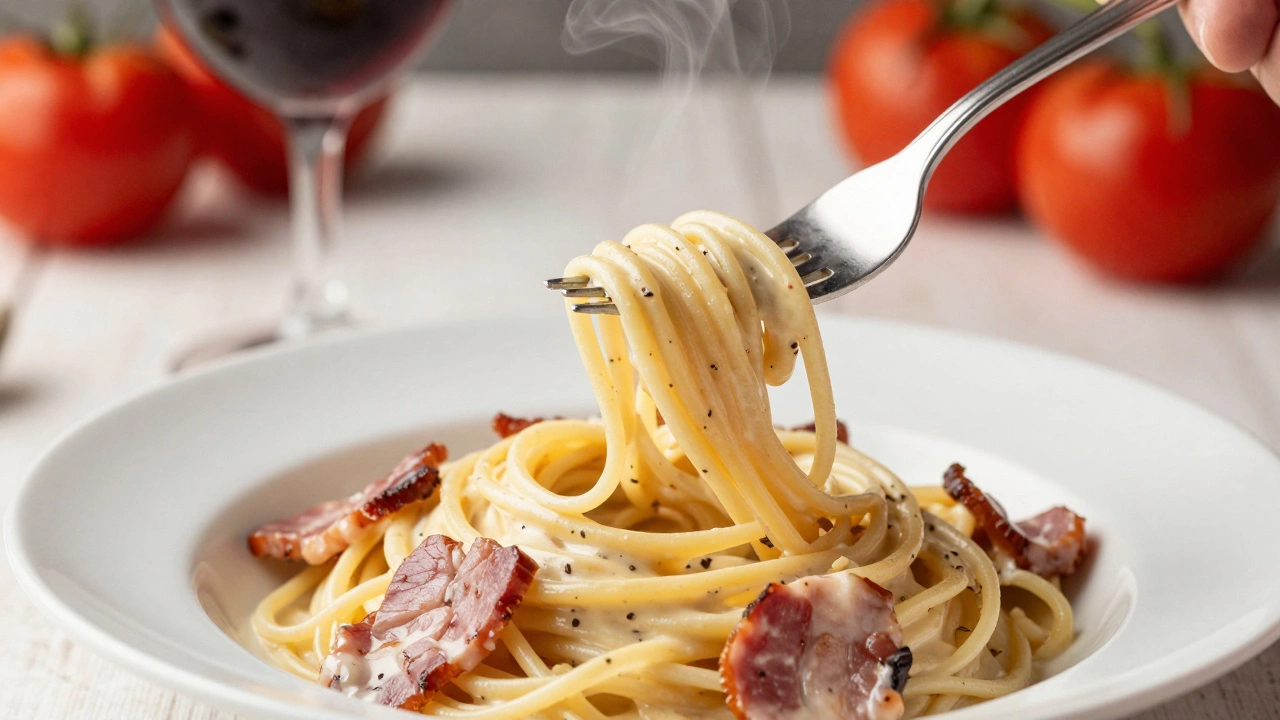
Consider the science of adhesion. Longer strands create more surface area for sauces to cling to. Oil-based dressings, tomato sauces, and creamy preparations all behave differently depending on the length and shape of the pasta. Chefs choose specific types for specific reasons. For example, carbonara works best with spaghetti because the eggs and cheese coat the long strands evenly. Breaking them would disrupt this balance.
There’s also tradition. In many households, children learn early on that you don’t break spaghetti. It’s part of growing up in an Italian family. You sit at the table, watch your parents twirl the pasta perfectly, and mimic their actions until you get it right. These small rituals build respect for the craft. To ignore them feels disrespectful-not because it’s against the law, but because it disregards centuries of accumulated wisdom.
Tiramisu: A Dessert That Follows Its Own Rules
While spaghetti gets all the attention when it comes to controversial food habits, another iconic Italian dish deserves scrutiny: tiramisu. Unlike pasta, which varies wildly by region, tiramisu follows a fairly consistent structure across Italy. Originating in Veneto during the 1960s, this dessert combines ladyfinger biscuits soaked in espresso, layered with a mixture of mascarpone cheese, eggs, sugar, and cocoa powder.
What makes tiramisu interesting in this context is how rigidly it adheres to its original recipe. While there’s no law governing its preparation, purists argue fiercely about deviations. Should you use rum? Is gelatin acceptable? Can you substitute coffee with tea? Most traditionalists say no. Just as breaking spaghetti breaks the intended experience, altering tiramisu compromises its delicate flavor profile.
Mascarpone provides creaminess without heaviness. Espresso adds bitterness that balances sweetness. Cocoa dusted on top offers aroma and visual appeal. Every element plays a role. Remove one, change another, and you risk turning tiramisu into something else entirely. That doesn’t make it illegal-but it does mean you’ll lose credibility among those who know better.
| Ingredient | Traditional Choice | Common Substitution | Effect on Flavor/Texture |
|---|---|---|---|
| Coffee | Espresso | Instant Coffee / Tea | Loses depth and intensity |
| Cheese | Mascarpone | Cream Cheese | Becomes tangier and denser |
| Biscuits | Ladyfingers (Savoiardi) | Graham Crackers | Adds crumbly texture instead of softness |
| Alcohol | Marsala Wine or None | Rum or Bourbon | Changes aromatic complexity |
How to Cook Spaghetti Without Breaking It
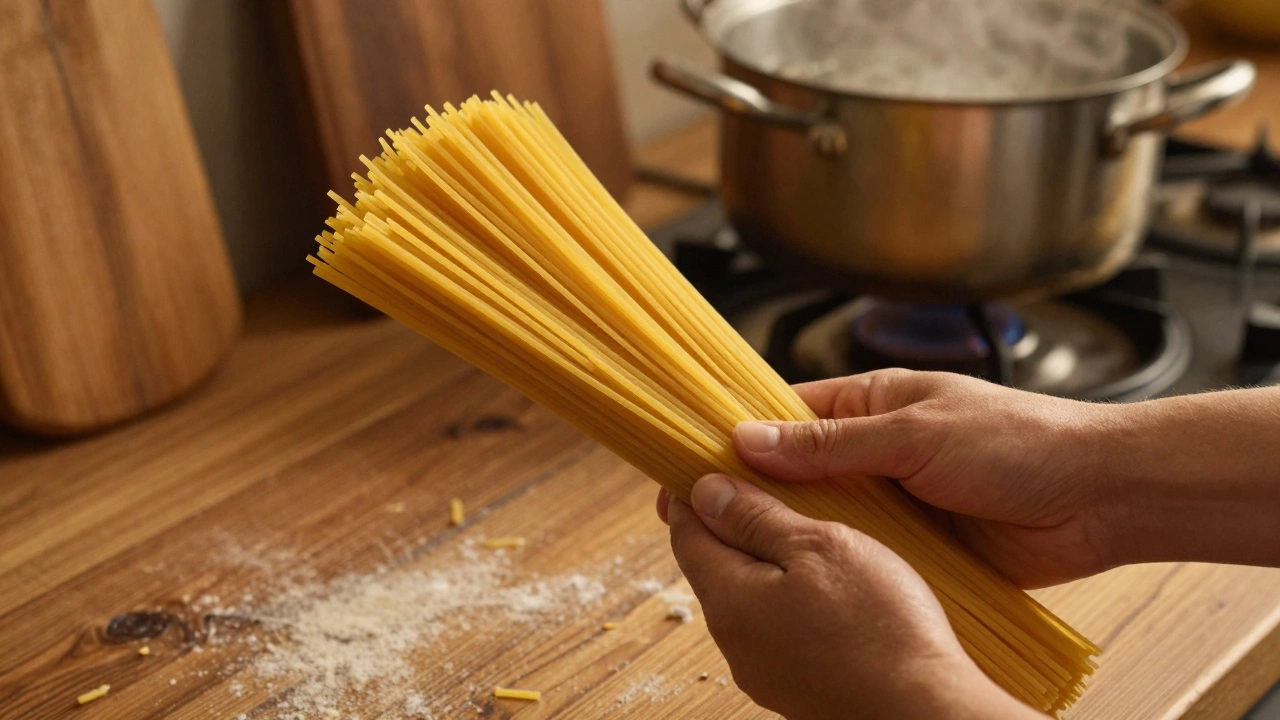
If you want to honor Italian tradition while still enjoying delicious meals, here’s how to manage long pasta without snapping it. Start with a large pot filled generously with water. Use approximately four liters per kilogram of pasta. Add salt once the water boils-not before-to ensure even seasoning throughout the cooking process.
When adding spaghetti, gently lower it into the boiling water. Don’t drop it straight down; let it soften slightly at the edges first. As it becomes pliable, push it further into the pot using tongs or a wooden spoon. Stir occasionally to prevent sticking, especially during the first two minutes when starch release is highest.
For serving, drain the pasta briefly but reserve some cooking liquid. This starchy water helps bind sauces to the noodles. Transfer everything back to the pan, toss gently, and serve immediately. Twirling remains the preferred technique for picking up individual strands along with adequate sauce coverage.
- Use plenty of water to give pasta room to move freely
- Salt after boiling begins for optimal absorption
- Lower pasta gradually rather than forcing it all at once
- Stir frequently during initial cooking phase
- Reserve cooking liquid to enhance sauce consistency
- Toss pasta directly with sauce before plating

When Breaking Pasta Makes Sense
Tradition matters, but practicality counts too. There are situations where breaking spaghetti actually improves the final result. Casseroles benefit from shorter lengths since they fit neatly into baking dishes. Kids often prefer manageable bites over tangled forks full of slippery noodles. Leftovers reheat better when cut into smaller portions.
In professional kitchens, chefs adapt based on customer needs. Family-style restaurants may offer broken spaghetti for young guests. Catering services sometimes shorten strands for easier transport. Even high-end establishments recognize flexibility serves functionality.
That said, always consider context. Serving unbroken spaghetti alongside fresh marinara shows respect for classic pairing principles. Using pre-broken strands in lasagna layers demonstrates thoughtful adaptation. Knowing when to follow tradition-and when to bend it-is what separates good cooks from great ones.
Understanding Food Culture Beyond Laws
Food customs evolve constantly. What seems sacred today might seem strange tomorrow. Generations shift preferences, technology changes tools, globalization introduces new influences. Yet core values endure. Respect for quality ingredients, appreciation for skilled craftsmanship, willingness to learn from elders-these remain constant regardless of trends.
Instead of worrying about imaginary penalties, focus on improving your technique. Watch videos showing proper twirling methods. Read books detailing regional variations. Talk to people who grew up preparing these dishes regularly. Experience builds intuition far quicker than memorizing arbitrary rules ever could.
Remember, too, that innovation drives progress. New combinations emerge daily. Fusion cuisines blend elements creatively. Modern interpretations challenge old norms respectfully. Progress happens when curiosity meets caution. Balance tradition with experimentation, and you’ll discover flavors worth sharing.
Is breaking spaghetti really illegal in Italy?
No, breaking spaghetti is not illegal in Italy. There is no law prohibiting this action. The idea stems from cultural sensitivity toward traditional cooking practices rather than actual legislation.
Why do Italians dislike broken spaghetti?
Italians prefer long pasta strands because they allow better twirling, improved sauce adherence, and enhanced dining experience. Breaking them disrupts these qualities and appears disrespectful to established culinary traditions.
Can I break spaghetti for casseroles?
Yes, breaking spaghetti for casseroles is completely acceptable. Shorter strands fit better in baking dishes and distribute heat evenly. Practical considerations override traditional preferences in such cases.
What is the correct way to eat spaghetti?
The traditional method involves twirling spaghetti around a fork to capture both noodles and sauce simultaneously. Avoid cutting strands with knives unless necessary for portion control.
Does changing tiramisu ingredients ruin the dessert?
Substituting key components like mascarpone or espresso alters tiramisu's signature taste and texture significantly. While not forbidden, modifications reduce authenticity and may disappoint knowledgeable palates.