Gluten-Free Flour Blend Builder
Select up to three flours to build a balanced gluten-free mix. Remember the "Big Three" concept: you need bulk, elasticity, and moisture/binding.
Select flours to see analysis...
You’re staring at a recipe for a fluffy vanilla sponge. The instructions say "all-purpose flour." You reach for the bag, then remember: you can’t use that. Your gut will hate you for it, and your cake might turn out like a brick if you just swap in a random alternative without knowing what you’re doing.
Here is the truth most people miss: there isn’t one single "best" gluten-free flour. If you try to replace wheat flour 1-for-1 with just rice flour or just almond flour, you’ll end up with something gritty, oily, or crumbly. Baking without gluten is chemistry, not just substitution. Gluten is the protein net that holds everything together. Without it, you need to build a new structure using starches, fibers, and gums.
The Big Three: What Actually Works
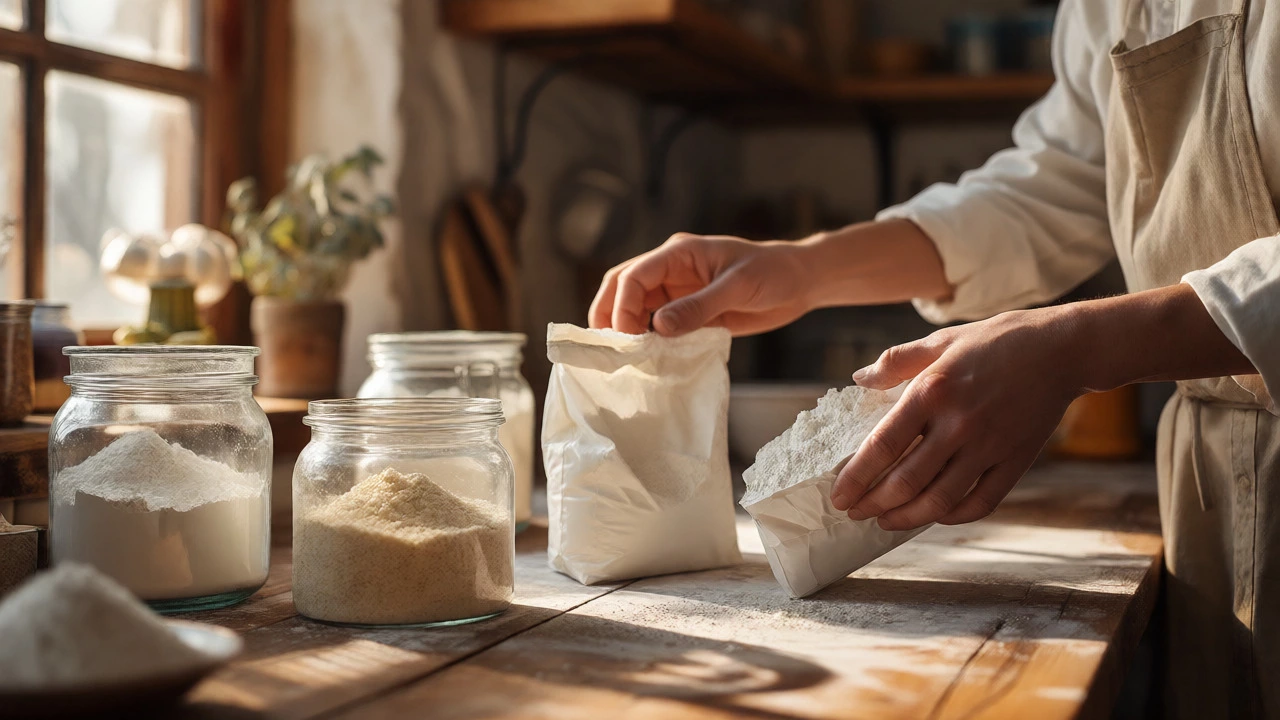
When bakers ask which flour has no gluten, they are usually looking for a direct replacement. But you don’t buy one flour; you buy a toolkit. Here are the three heavy hitters you need in your pantry right now.
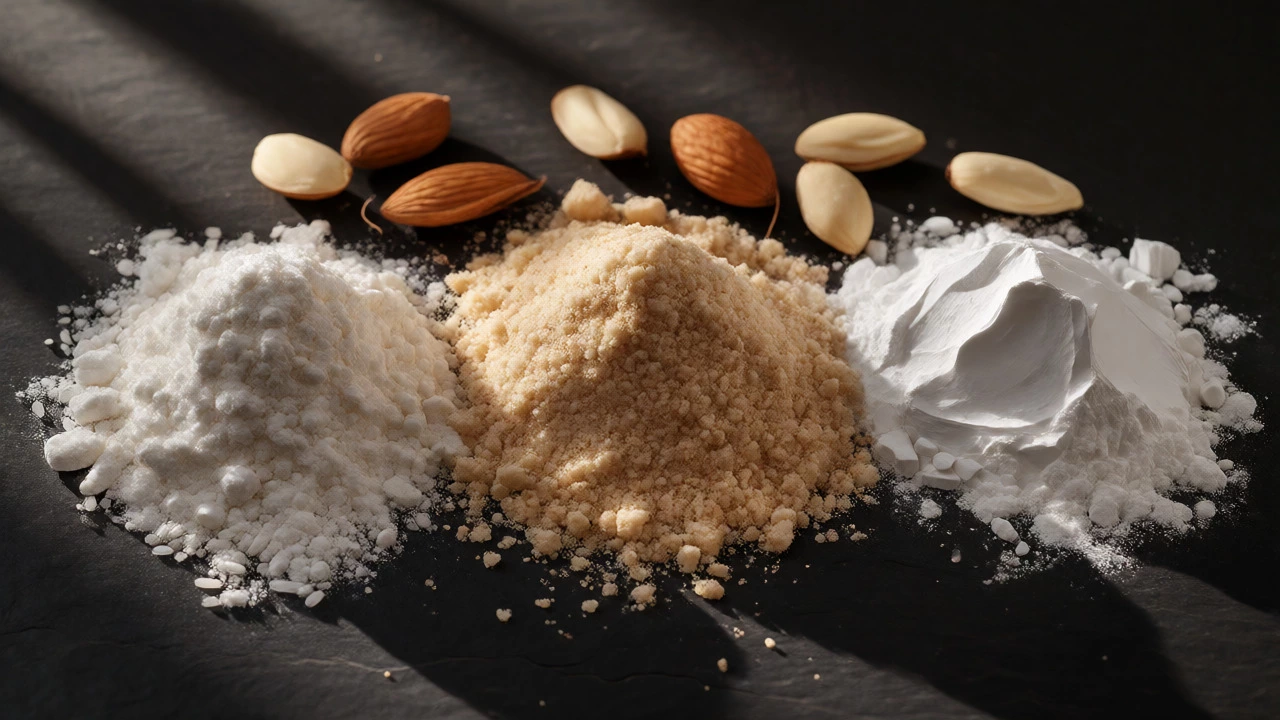
Rice Flour is the workhorse of gluten-free baking. It comes in white and brown varieties. White rice flour is mild and neutral, making it perfect for light cakes and cookies. Brown rice flour has more fiber and a nuttier taste but can feel gritty if you don’t sift it well. Think of rice flour as the bulk ingredient-it gives you volume and weight. But on its own? It’s dry. It needs help sticking together.
Almond Flour is another staple. Unlike almond meal, which includes the skins, almond flour is made from blanched almonds ground into a fine powder. It’s high in fat and protein, which keeps cakes moist. This is why macarons and keto cakes love it. However, because it lacks starch, it doesn’t rise well on its own. Use it for density and moisture, not for fluffiness.
Tapioca Starch (often called tapioca flour) is the secret weapon. It’s not really a flour in the traditional sense; it’s a pure starch extracted from cassava root. In gluten-free baking, it provides chewiness and elasticity. It helps mimic the stretchy quality of gluten. If your cake feels like sand, add some tapioca starch. If it’s too gummy, cut back. It’s all about balance.
Beyond the Basics: Other Contenders
Once you master the big three, you can experiment with other options depending on the flavor profile you want.
- Coconut Flour: This is thirsty. Extremely thirsty. It absorbs up to four times its weight in liquid. You cannot swap this 1-for-1 with any other flour. You typically use only 15-20% of the total flour weight. It adds a subtle sweetness and works great in chocolate cakes where the cocoa masks the coconut taste.
- Sorghum Flour: Made from an ancient grain, sorghum has a sweet, corn-like flavor. It browns beautifully and has a texture surprisingly similar to whole wheat. It’s excellent for spice cakes and banana breads.
- Oat Flour: Oats are naturally gluten-free, but cross-contamination is common during processing. Always buy certified gluten-free oats. Oat flour makes tender, moist baked goods. It’s great for muffins and quick breads but can make cakes dense if used alone.
- Cassava Flour: Made from the whole cassava root, unlike tapioca starch which is just the starch. It behaves very similarly to wheat flour in terms of texture. It’s neutral-tasting and works well in savory applications or paleo-friendly cakes.
The Magic Blend Formula
So, how do you combine these? You don’t guess. You follow a ratio. Most successful gluten-free cake recipes rely on a blend of starches and non-starchy flours. A classic starting point is the 70/30 rule: 70% starches (like tapioca, potato, or cornstarch) and 30% heavier flours (like rice, almond, or sorghum).
| Flour Type | Role in Recipe | Best Used For | Texture Note |
|---|---|---|---|
| Rice Flour | Base/Bulk | Vanilla, Lemon, Light Sponge | Can be gritty; sift twice |
| Tapioca Starch | Elasticity/Chew | All Cakes | Adds shine and chew |
| Almond Flour | Moisture/Fat | Chocolate, Nutty Cakes | Dense; lowers rise |
| Potato Starch | Lightness | Airy Cakes, Chiffon | Makes crumb soft |
| Xanthan Gum | Binder | All Cakes | Replaces gluten network |
Notice Xanthan Gum in the table? That’s not a flour. It’s a binder. When you remove gluten, you remove the glue. Xanthan gum acts as that glue. You usually need about 1/4 teaspoon per cup of flour. Without it, your cake slices will fall apart when you try to plate them.
Pitfalls to Avoid
I’ve baked hundreds of gluten-free cakes in my kitchen in Halifax. Here are the mistakes I see beginners make over and over.
First, measuring by volume instead of weight. Gluten-free flours vary wildly in density. One cup of almond flour weighs differently than one cup of rice flour. Buy a digital scale. Measure in grams. This is the single biggest upgrade to your consistency.
Second, under-mixing or over-mixing. With wheat flour, you mix until combined to avoid developing tough gluten strands. With gluten-free batter, you actually want to beat it a bit longer. Since there’s no gluten to worry about, vigorous mixing incorporates air, which helps the cake rise. Don’t be afraid to whisk hard.
Third, ignoring hydration. Gluten-free batters often look thinner than wheat-based ones. They also thicken as they sit. Let your batter rest for 15-30 minutes before baking. This allows the starches to absorb the liquid fully, preventing a gritty mouthfeel.
Practical Application: Simple Vanilla Cake
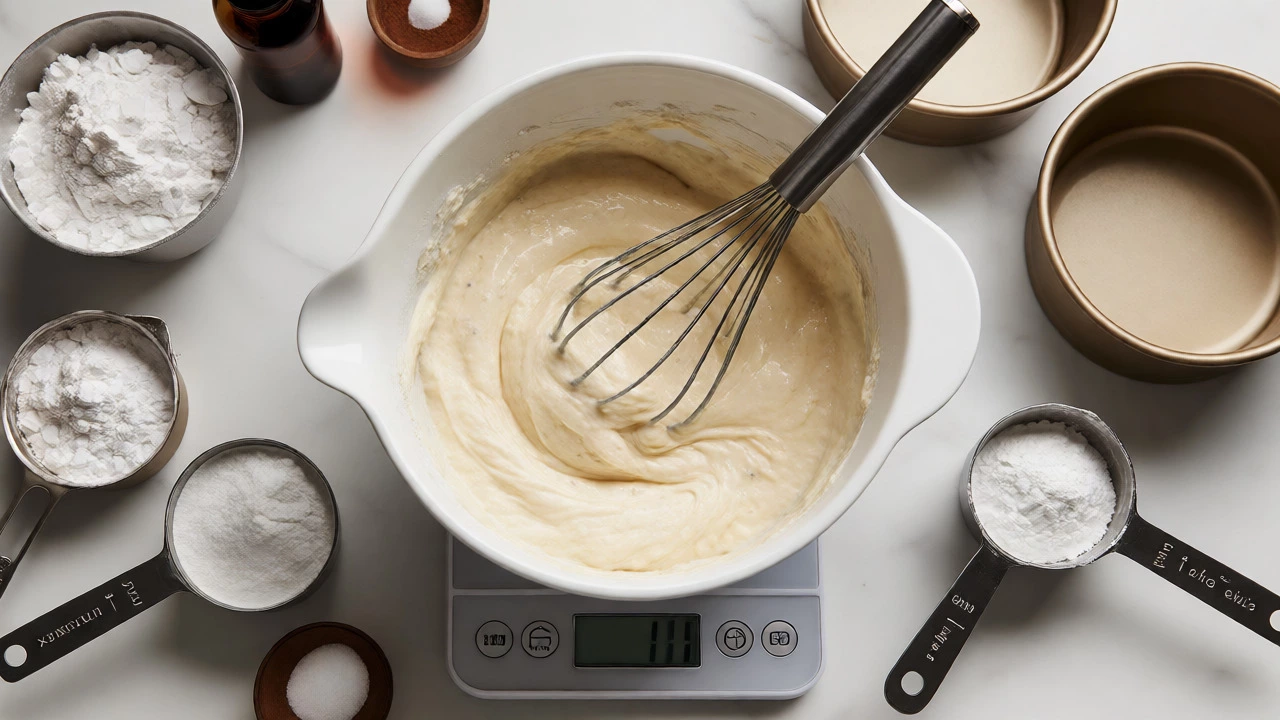
Let’s put this into practice. Here is a basic framework for a gluten-free vanilla cake that actually tastes like a real cake.
- Dry Mix: Whisk together 1.5 cups white rice flour, 1 cup tapioca starch, 1/2 cup potato starch, 1 tsp xanthan gum, 1 tsp baking powder, and 1/2 tsp salt.
- Wet Mix: Cream 1 cup butter with 1.5 cups sugar. Beat in 4 eggs, one at a time. Stir in 1 tsp vanilla extract.
- Combine: Alternate adding dry and wet ingredients (1 cup milk). Mix until smooth.
- Bake: Pour into two 8-inch pans. Bake at 350°F (175°C) for 25-30 minutes. Check with a toothpick.
This blend balances the grittiness of rice with the chew of tapioca and the tenderness of potato starch. It’s forgiving and reliable.
Related Concepts and Next Steps
If you’re diving deeper into gluten-free baking, look into amaranth flour for protein boosts or buckwheat flour for earthy notes in pancakes. Remember that "gluten-free" doesn’t automatically mean "healthy." Many store-bought blends are high in refined starches. Making your own blend lets you control the nutrition.
Also, check your baking powder. Some brands use cornstarch, which is safe, but others might have additives. Always verify labels if you are highly sensitive.
Is almond flour completely gluten-free?
Yes, almonds are naturally gluten-free. However, always check the packaging for "certified gluten-free" labels to ensure they weren't processed in a facility that handles wheat, which prevents cross-contamination.
Can I use coconut flour instead of almond flour?
Not directly. Coconut flour absorbs much more liquid than almond flour. If you substitute coconut flour for almond flour, you must increase the amount of eggs and liquid significantly, or the result will be dry and crumbly.
Why does my gluten-free cake taste metallic?
This is often due to the leavening agents. Some baking powders contain aluminum. Switch to an aluminum-free baking powder. Also, certain mineral-rich flours like buckwheat can have a stronger taste that some perceive as metallic.
Do I need xanthan gum if I use a pre-made gluten-free flour blend?
Usually, no. Most commercial blends (like Bob's Red Mill or King Arthur) already include xanthan gum or guar gum. Check the ingredient list. If it's listed, don't add more, or your cake will become gummy.
Which gluten-free flour is best for beginners?
A pre-made 1-to-1 baking blend is easiest for beginners. These blends are formulated to mimic all-purpose flour. Once you are comfortable, try blending your own rice and tapioca starches for better control over texture and cost.