
Asian Dessert & Fudge Recipe Generator
Discover how condensed milk transforms simple ingredients into creamy Asian-inspired treats.
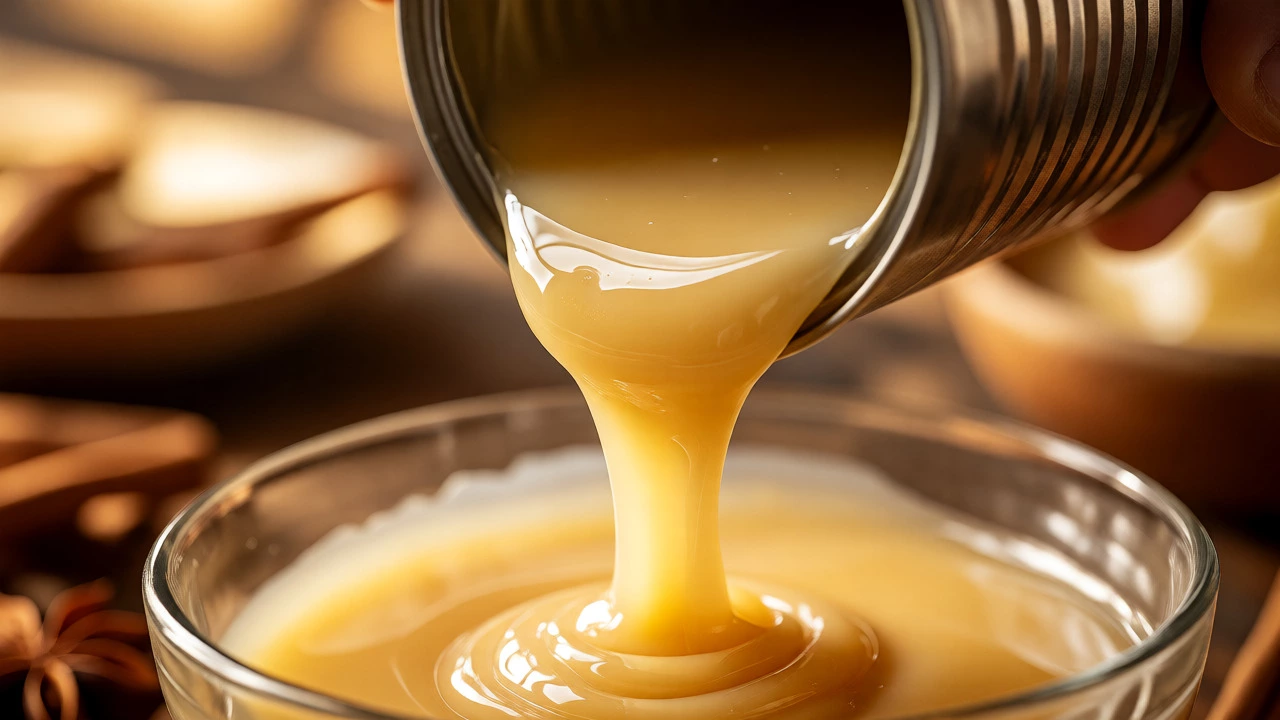
You open a can of sweetened condensed milk and it looks like liquid gold. Thick, sticky, and intensely sweet. If you grew up in North America or Europe, you probably associate this ingredient with key lime pie or coffee creamer. But if you have ever visited a bakery in Manila, Bangkok, or Jakarta, you know that condensed milk isn't just an ingredient; it is the backbone of half the dessert menu.
So, why do so many Asian cultures rely on it? Is it just about sweetness? Not really. It’s about chemistry, history, and a specific type of texture that fresh dairy simply cannot replicate. When we talk about fudge recipes or creamy custards, condensed milk does something magic: it prevents ice crystals from forming and keeps sugar from crystallizing into grit. Let’s unpack why this canned staple became a pantry essential across Asia and how you can use it to make better treats at home.
The Science of Texture and Shelf Stability
First, let’s look at what condensed milk actually is. It is cow’s milk from which water has been removed and to which sugar has been added. This process creates a product with a very low water activity. In food science terms, bacteria and mold need free water to grow. By removing most of the water and saturating the rest with sugar, manufacturers create an environment where spoilage organisms struggle to survive.
This is crucial for regions with humid climates. Before widespread refrigeration, keeping fresh milk safe was a nightmare in tropical zones. Condensed milk offered a solution. You could buy a tin, store it in a cupboard for months, and still have a dairy-rich base for cooking. Today, even with modern fridges, the preference remains because of the texture. Fresh milk contains lactose and casein proteins that behave differently than the concentrated milk solids in condensed milk. When heated, condensed milk undergoes the Maillard reaction more readily, creating those deep, caramel-like flavors found in desserts like leche flan or dulce de leche.
For fudge makers, this matters immensely. Traditional fudge relies on precise temperature control to get the right crystal size. Add condensed milk, and you are adding inverted sugars (glucose and fructose) along with sucrose. These interfere with the formation of large sucrose crystals. The result? A smoother, creamier bite that doesn’t turn grainy after sitting on the counter for two days.
Historical Roots: Colonialism and Trade Routes
You might wonder how a European invention became an Asian staple. The answer lies in trade and colonialism. In the late 19th and early 20th centuries, companies like Borden and Nestlé aggressively marketed condensed milk in their colonies and trading partners. In the Philippines, which was under American rule until 1946, American GIs brought cans of condensed milk as rations. Locals discovered they could mix it with eggs and vanilla to create a rich custard, giving birth to the iconic leche flan.
In Southeast Asia, British and Dutch traders introduced similar products. In India, the influence of Portuguese colonizers helped popularize dairy sweets, but the industrialization of condensed milk made them accessible to the masses. It wasn’t just about convenience; it was about status. Having imported tinned goods signaled access to global markets. Over time, local cuisines adapted these ingredients. Chefs realized that the high sugar content balanced out strong spices like cardamom or saffron without needing extra refined sugar. This synergy cemented condensed milk’s place in regional cookbooks.
Culinary Versatility Beyond Desserts
While we often think of condensed milk in sweets, its use extends further. In Vietnam, cà phê sữa đá (iced coffee with condensed milk) is world-famous. Why condensed milk instead of fresh milk? Because Vietnamese coffee is brewed with robusta beans, which are bitter and heavy. Fresh milk gets lost in that intensity. Condensed milk, with its thick viscosity and intense sweetness, cuts through the bitterness and adds body. It transforms a harsh brew into a smooth, dessert-like drink.
In Thailand, you’ll find condensed milk drizzled over shaved ice (kakigori-style desserts) or mixed into pandan-flavored cakes. In Malaysia and Singapore, it’s the secret behind kaya, a coconut jam that pairs with toast. Notice a pattern? These dishes thrive on richness. Condensed milk provides fat, protein, and sugar in one go. It simplifies the recipe. Instead of reducing cream on the stove for hours, you pour a can. That efficiency appeals to home cooks and street vendors alike.

Making Better Fudge with Condensed Milk
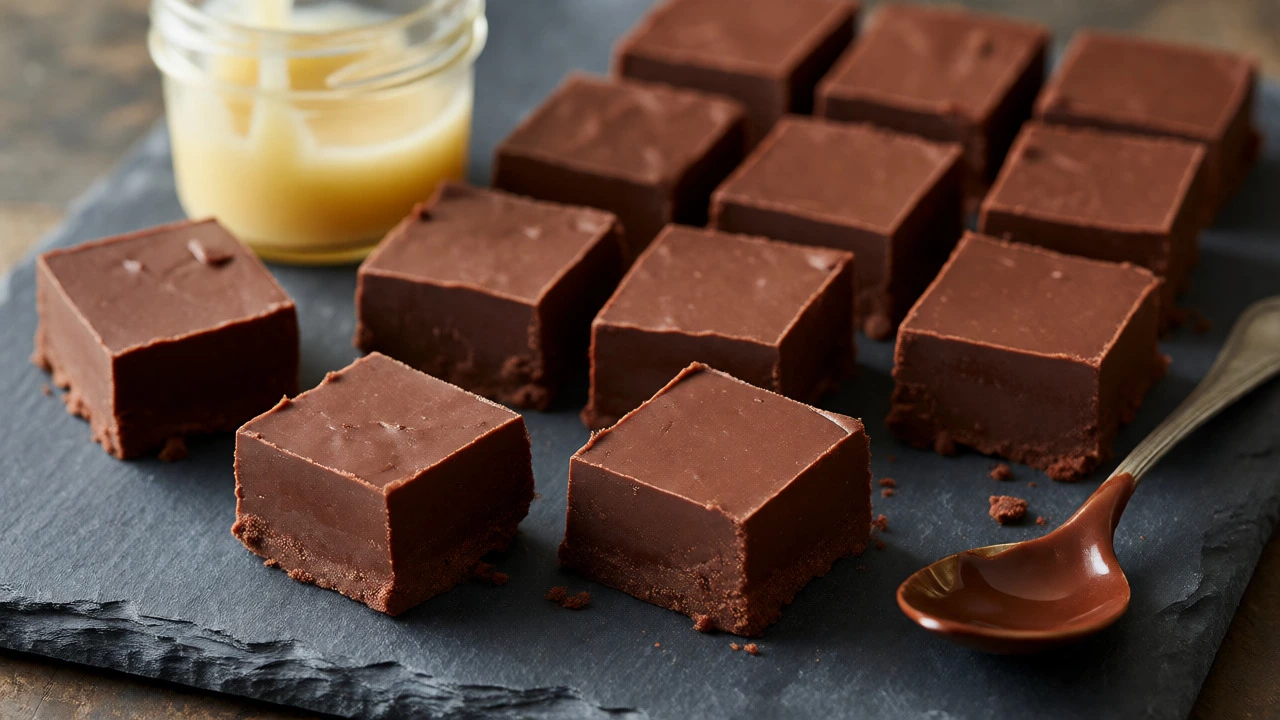
If you are looking to improve your fudge recipes, consider swapping some of the traditional butter-and-sugar method for a condensed milk approach. This is often called "quick fudge" or "no-cook fudge," though technically it involves heating. The ratio usually leans toward equal parts chocolate chips and condensed milk, melted together gently.
Here is why this works better for beginners:
- No Candy Thermometer Needed: You don’t need to hit the soft-ball stage (235°F/112°C). You just melt and mix.
- Guaranteed Smoothness: The corn syrup-like properties of condensed milk stop sugar crystals from forming.
- Richer Flavor: The slight caramel notes complement dark chocolate or matcha powder beautifully.
A common pitfall is overheating. If you boil condensed milk too hard, it can separate or become rubbery. Keep the heat low and stir constantly. Once the mixture coats the back of a spoon and holds its shape when dropped, it’s ready. Pour it into a lined pan, chill, and slice. You’ll notice a dense, truffle-like consistency that traditional boiled fudge sometimes lacks.
Regional Variations and Specific Uses
Different countries use condensed milk differently, reflecting local tastes and available ingredients. Understanding these variations helps you choose the right application for your kitchen.
| Region/Country | Common Dish | Role of Condensed Milk | Key Companion Ingredient |
|---|---|---|---|
| Philippines | Leche Flan | Sweetener & Thickener | Egg Yolks |
| Vietnam | Cà phê sữa đá | Creamer & Sweetener | Robusta Coffee |
| Thailand | Tub Tim Grob | Sauce Base | Coconut Milk & Water Chestnuts |
| India | Gulab Jamun Syrup | Glaze & Moisture | Milk Solids (Khoya) |
| Hawaii* | Poi Bread | Moisturizer | Taro Flour |
*Note: While not Asia, Hawaii shares culinary ties with Pacific Islander and Asian immigrant communities, heavily utilizing condensed milk in baked goods.
In the Philippines, the egg-to-milk ratio is critical. Too much condensed milk makes the flan cloying; too little leaves it watery. Most families swear by a specific brand, often preferring thicker varieties like Carnation or Eagle Brand. In contrast, Thai cooks might dilute condensed milk with coconut cream to balance the sweetness against salty or spicy elements in savory dishes, though this is less common in pure desserts.
Choosing the Right Product
Not all condensed milks are created equal. When shopping, check the label. You want sweetened condensed milk, not evaporated milk. They look similar but act differently. Evaporated milk has no added sugar and requires you to add sweetness separately. Using evaporated milk in a condensed milk recipe will result in a bland, runny mess.
Look for brands with minimal additives. Some cheaper versions replace milk fat with vegetable oil, which alters the mouthfeel. For fudge, this means a waxy aftertaste. Stick to products listing whole milk and sugar as the primary ingredients. If you are vegan, oat-based condensed alternatives exist, but they lack the same protein structure, leading to softer set times. Adjust your chilling duration accordingly.
Troubleshooting Common Mistakes
Even simple recipes fail. Here are quick fixes if your condensed milk dessert goes wrong:
- Too Runny: You likely didn’t cook it long enough to reduce moisture. Return to low heat and stir until it thickens significantly. Alternatively, add a tablespoon of cocoa powder or instant pudding mix to absorb excess liquid.
- Grainy Texture: Did you boil it vigorously? High heat causes protein coagulation. Next time, keep the simmer gentle. If it’s already grainy, blend it with a stick blender to break up crystals.
- Too Sweet: Balance it with acidity or salt. A pinch of sea salt enhances flavor complexity. For drinks, add unsweetened cocoa or espresso powder.
Storage is another factor. Once opened, transfer any leftover condensed milk to a glass jar and refrigerate. It lasts about two weeks. Don’t leave it in the metal can; acidic foods can react with the lining, imparting a metallic taste.
Final Thoughts on Embracing the Can
Condensed milk isn’t a shortcut; it’s a tool. It solves specific problems-texture stability, shelf life, and flavor concentration-that fresh dairy struggles with. Whether you’re making a batch of chocolate fudge for a holiday gift or experimenting with Vietnamese coffee, understanding why this ingredient dominates Asian pantries helps you use it more effectively. It turns simple ingredients into luxurious experiences without requiring professional pastry skills.
What is the difference between condensed milk and evaporated milk?
The main difference is sugar content. Condensed milk has water removed AND sugar added, making it thick and sweet. Evaporated milk has only water removed, leaving it unsweetened and thinner. They are not interchangeable in recipes without adjusting sugar levels.
Can I use condensed milk in savory Asian dishes?
Yes, though less commonly than in desserts. In some Filipino stews or Thai curries, a small amount balances acidity or spice. However, be cautious as it adds significant sweetness. Always start with a teaspoon and adjust.
Why does my condensed milk fudge stay soft?
This usually happens if the mixture wasn’t heated enough to evaporate excess moisture or if the chocolate-to-milk ratio was off. Ensure you melt the chocolate completely and stir continuously. Chilling in the fridge for at least 4 hours helps it firm up.
Is condensed milk healthy?
It is calorie-dense and high in sugar, so it should be consumed in moderation. However, it does provide protein and calcium from the milk base. For those managing blood sugar, portion control is key.
How long does opened condensed milk last?
Once opened, transfer leftovers to an airtight container and refrigerate. It typically stays good for up to two weeks. Discard if it develops an off smell or discoloration.