Macaron Crack Risk Analyzer
Answer each question about your last batch. The risk score and diagnosis update as you go — no submit button needed.
Most Likely Causes
Targeted Fixes
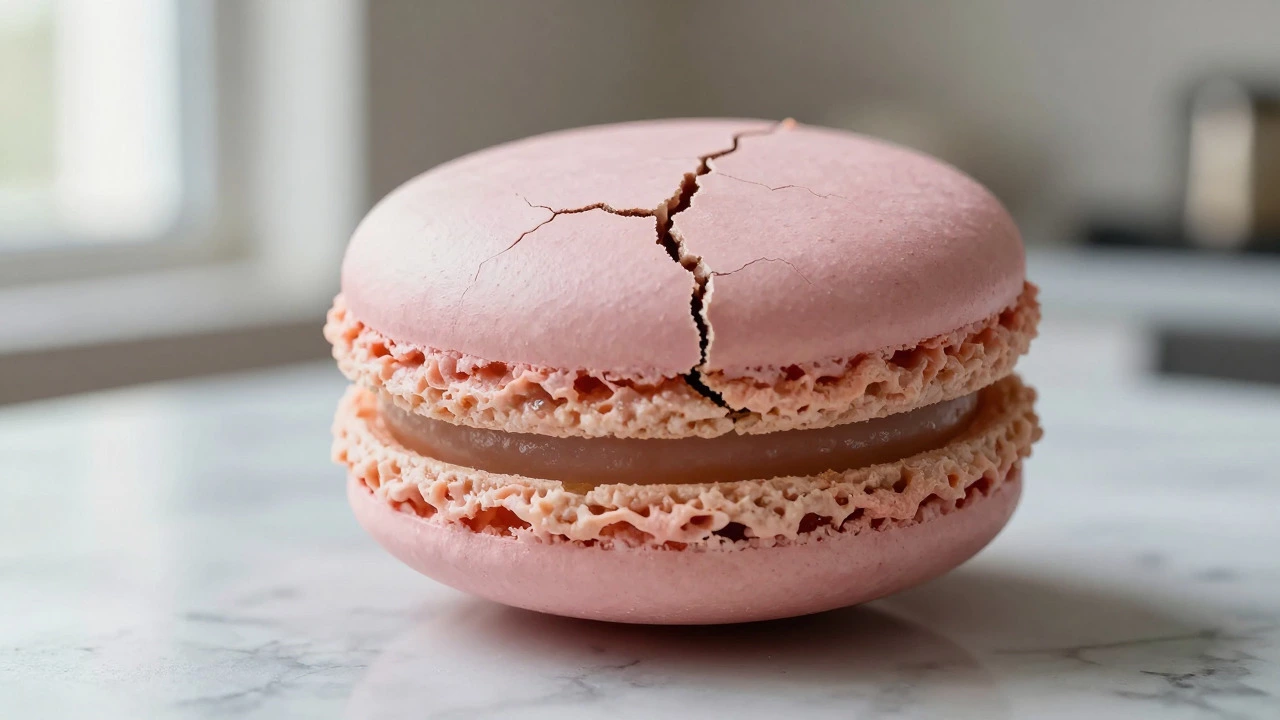
You bake the batter, pipe it perfectly, and wait. Then you open the oven to find a crater in the center of your macaron shells. The top has split like dry earth. It’s frustrating, especially when the filling looks delicious. But that crack isn’t random bad luck. It is a chemical signal telling you exactly where the process failed.
Cracking happens when the outer skin forms too quickly or unevenly while the inside is still wet. This creates tension. As the heat rises, the trapped moisture expands and pushes against that rigid crust. When the pressure gets too high, the shell gives way. Understanding this physics allows you to stop guessing and start controlling the outcome.
The Role of Humidity and Environment
Air moisture is the silent killer of smooth macaron tops. If the air in your kitchen holds more than 60% relative humidity, the surface of your piped batter struggles to dry out. Without a proper skin, the structure lacks integrity. You can check this with a simple digital hygrometer, which costs less than a bag of premium almond flour.
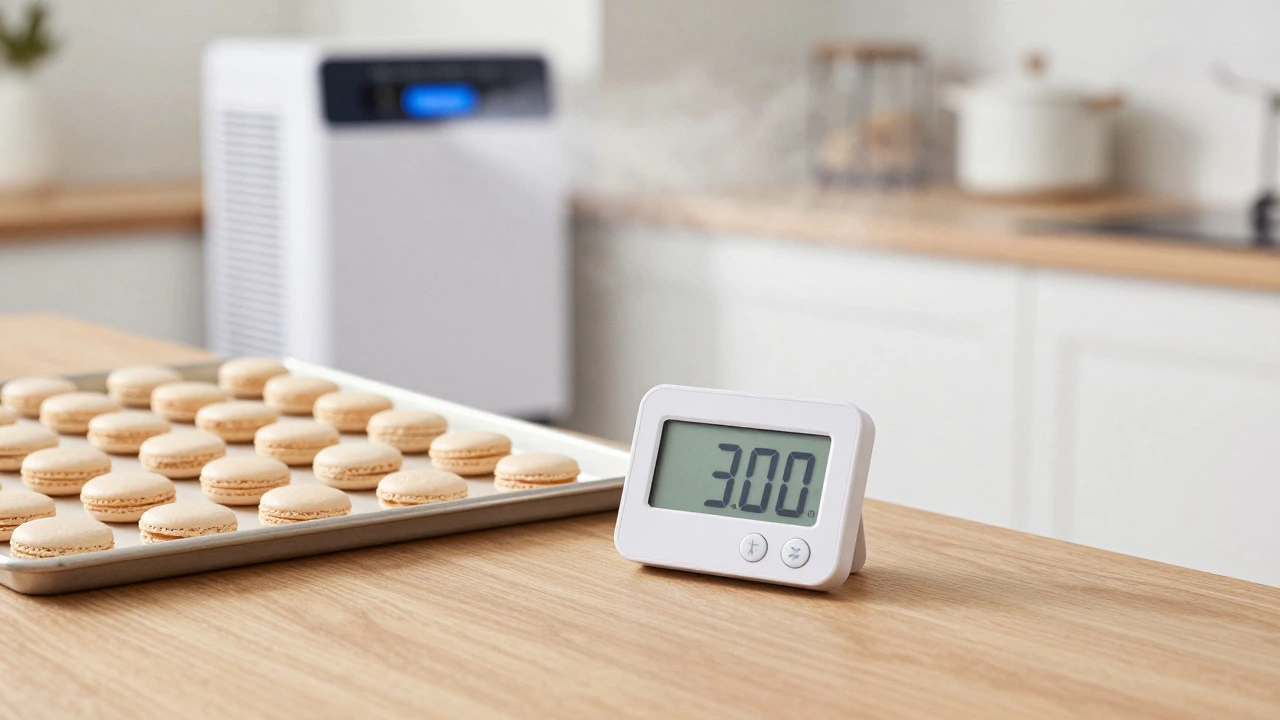
If you live in a humid climate, like coastal Halifax or tropical regions, you need to adjust your workflow. Run an air conditioner or dehumidifier for at least 30 minutes before starting. Some bakers even use fans directed at the tray during the resting phase. The goal is to lower the ambient moisture so the egg whites can evaporate from the surface efficiently. If you cannot control the room, consider baking on days when the weather is naturally drier.
Meringue Stability and Technique
The base of every macaron is a meringue made from egg whites and sugar. The stability of this foam determines how well the shell holds its shape. There are two main methods: Italian meringue and French meringue. Each has different tolerance levels for error.
Italian meringue involves pouring hot sugar syrup into whipping egg whites. This method pasteurizes the eggs and creates a very stable, glossy structure. It is forgiving for beginners because the heat sets the protein bonds firmly. On the other hand, French meringue relies on beating raw egg whites with granulated sugar until stiff peaks form. It is faster but more delicate. If you underbeat the French meringue, the bubbles remain large and unstable. These large bubbles expand rapidly in the oven, causing significant cracking.
Always aim for stiff peaks. Lift the beater; the peak should stand straight up without drooping. If it bends over, you have soft peaks. That extra minute of mixing makes a massive difference in structural integrity.
Batter Consistency and Macaronage
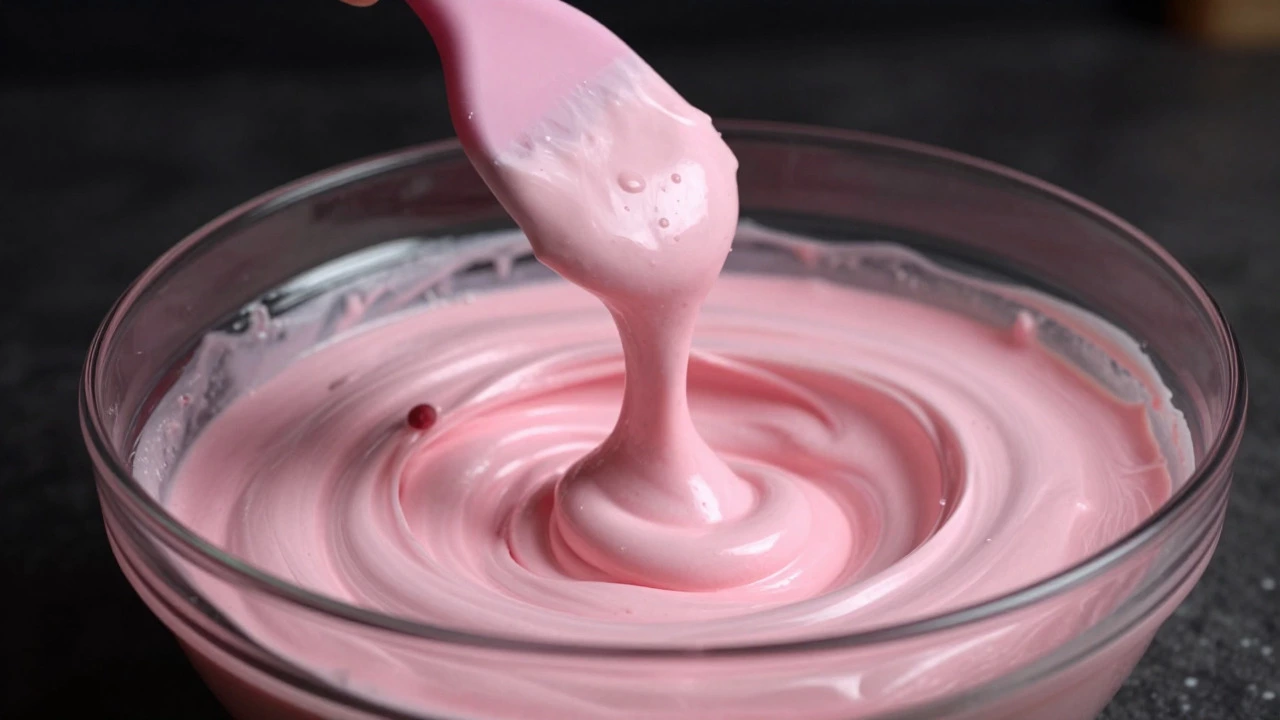
Folding the dry ingredients into the meringue is called macaronage. This step controls the viscosity of the final batter. If you fold too little, the batter stays thick and stiff. It won’t spread properly in the oven, leading to domed, cracked tops. If you fold too much, the batter becomes runny. It spreads too thin, creating flat shells with no feet.
The ideal consistency is often described as "lava-like." When you lift the spatula, the batter should fall in a slow, continuous ribbon. It should not break immediately, nor should it pool instantly. Think of it like honey. If it snaps back quickly, keep folding. If it flows like water, you’ve gone too far. Practice this visual cue. It is more reliable than counting folds, which varies based on ingredient ratios.
Oven Temperature and Heat Distribution
Heat shock is another primary cause of cracking. If your oven runs too hot, the exterior sets instantly while the interior remains liquid. The steam generated inside has nowhere to go except up, splitting the top. Most home ovens are inaccurate by 15 to 25 degrees Fahrenheit. Relying on the dial setting is risky.
Use an independent oven thermometer to verify the actual temperature. For standard recipes, 300°F (150°C) is a common baseline. However, if you notice cracking, try lowering the temperature to 275°F (135°C) and increasing the bake time slightly. Slower heat allows the moisture to escape gradually rather than explosively. Also, ensure your oven rack is in the middle position. Top racks expose the shells to direct radiant heat, accelerating surface drying and cracking.
| Issue | Symptom | Solution |
|---|---|---|
| High Humidity | No skin forms, sticky surface | Run dehumidifier, extend rest time |
| Underbeaten Meringue | Large bubbles, weak structure | Beat to stiff, non-drooping peaks |
| Too Thick Batter | Shells don't spread, dome up | Macaronage longer until lava-like flow |
| Hot Oven | Instant skin, explosive steam | Lower temp to 275°F, use thermometer |
Resting Time and Skin Formation
Many bakers skip or shorten the resting phase, thinking it wastes time. But this step is critical. After piping, the macarons must sit at room temperature until a dry skin forms on top. You know they are ready when you lightly touch the surface with a finger and it feels matte and tacky, not wet or sticky. This usually takes 20 to 40 minutes, depending on humidity.
If you bake them before the skin forms, the top will crack almost certainly. The skin acts as a barrier that slows down evaporation from the deeper layers. Without it, the heat penetrates too fast. In dry climates, you might only need 15 minutes. In humid areas, it could take an hour. Do not guess. Test the texture. Patience here prevents most cracking issues.
Ingredient Quality and Ratios
Almond flour is the other key dry ingredient. It must be fine and consistent. Coarse particles create uneven surfaces that crack easily. Sift your almond flour twice. Remove any large pieces. If you buy pre-ground almond meal, check the texture. It should look like powder, not sand. Some bakers prefer blanched almonds processed in a food processor, stopping just before it turns into paste.
Egg white age also matters. Fresh egg whites have higher moisture content, which can lead to puffier, more prone-to-crack shells. Aged egg whites (separated and stored in the fridge for 2-3 days) have less water and more protein density. This creates a tighter, smoother meringue. Many professional bakers use aged whites for this exact reason. If you are struggling with cracks, try separating your eggs two days before baking.
Troubleshooting Specific Scenarios
If your macarons crack only on one side, check your oven door seal. A draft or uneven heat source can cause asymmetric drying. Close the door tightly and avoid opening it during the first 10 minutes of baking. If they crack in the center but have good feet, the batter was likely too thick. Fold more next time. If they crack and spread too much, the meringue was likely overbeaten or the oven was too hot. Balance these factors iteratively.
Keep a baking journal. Note the humidity, temperature, egg age, and resting time for each batch. Patterns will emerge quickly. You will see that maybe your Tuesday batches always crack because the AC is off. Or perhaps Friday batches fail because you rushed the resting time. Data beats intuition when troubleshooting complex chemical reactions.
Frequently Asked Questions
What is the ideal humidity level for baking macarons?
Aim for below 60% relative humidity. Lower is better, ideally between 40% and 50%. Use a dehumidifier or air conditioning to maintain this range. High humidity prevents the skin from forming, leading to cracked shells.
Should I use fresh or aged egg whites?
Aged egg whites are preferred for stability. Separate them 2-3 days in advance and store them in the refrigerator. They contain less moisture and form a stiffer meringue, which reduces the risk of cracking compared to fresh egg whites.
How long should macarons rest before baking?
Rest until a dry skin forms, typically 20 to 40 minutes. The surface should feel matte and slightly tacky when touched lightly. Do not rely on time alone; test the texture. In humid conditions, resting may take longer.
Does oven type affect macaron results?
Yes. Convection ovens can dry out macarons too quickly if the fan is on high. Use convection mode carefully or stick to conventional heat. Ensure your oven is calibrated accurately using a separate thermometer, as built-in sensors are often inaccurate.
Can I fix cracked macarons after baking?
Not really. Cracks indicate structural failure during baking. You can hide minor imperfections with a generous amount of filling, but significant cracks will show through. Prevention through proper technique is the only true solution.