Fudge Temperature & Altitude Calculator
Have you ever stood over a bubbling pot of sugar and butter, watching it climb toward a specific temperature, only to end up with a bowl of sticky, grainy disappointment instead of smooth, creamy confectionery? You are not alone. Fudge is widely considered one of the most unforgiving desserts in the kitchen. Unlike cookies, where a slightly underbaked batch might just be chewier, or cakes that can survive minor measuring errors, fudge demands precision. It is less of a recipe and more of a chemistry experiment disguised as a sweet treat.
The reason fudge is so difficult to make comes down to physics and chemistry. Specifically, it is about controlling how sugar molecules behave when heated and then cooled. If you get the timing wrong by even thirty seconds, or if you stir at the exact wrong moment, the texture changes completely. This article breaks down exactly why this process is so tricky, what goes wrong at each step, and how you can finally master the art of silky-smooth fudge.
The Science of Sugar Crystallization
To understand why fudge fails, you first need to understand what fudge actually is. At its core, fudge is a supersaturated solution of sugar. When you boil sugar, water, and cream together, you are evaporating the water to create a thick syrup. As this syrup cools, the sugar wants to return to its solid state. This process is called crystallization.
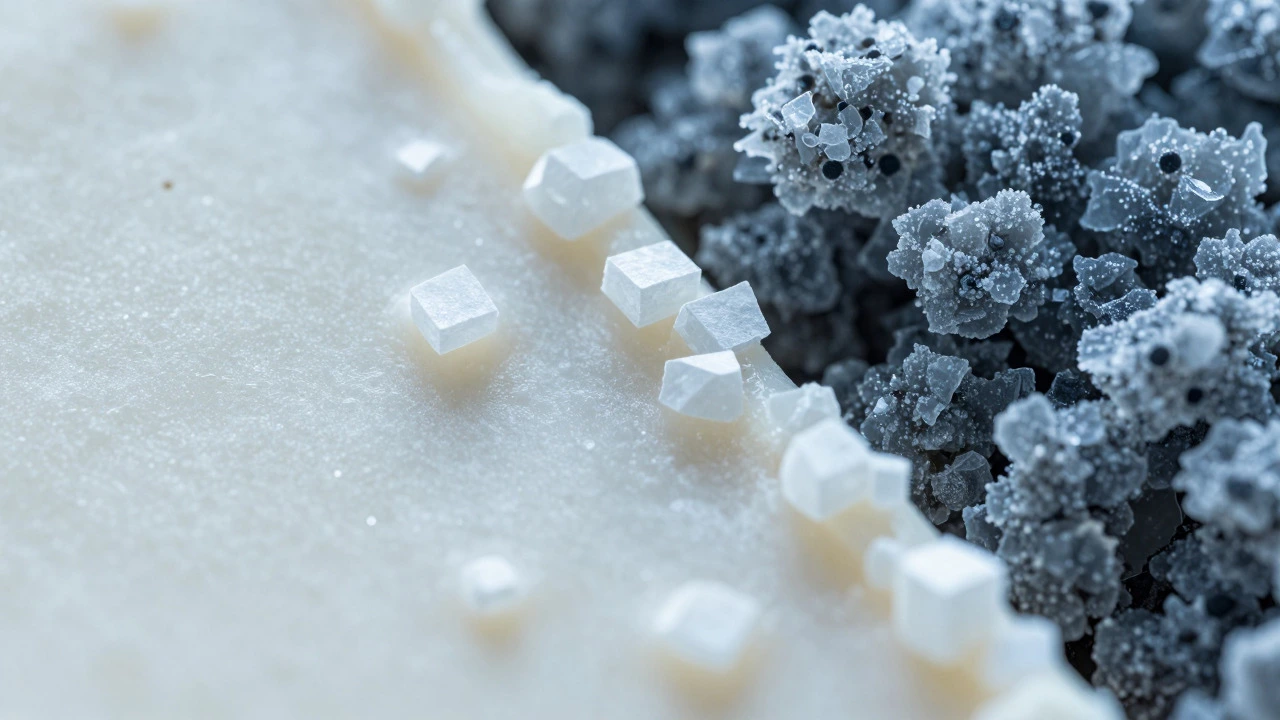
In most candies, like hard candy or lollipops, you want to prevent crystallization entirely. You want the sugar to stay in an amorphous glass state. But in fudge, you actually want crystals to form. The catch? You want them to be microscopic. If the crystals are tiny enough-smaller than what your tongue can detect-the fudge feels smooth and creamy. If the crystals grow too large, the fudge tastes gritty and sandy.
This creates a delicate balancing act. You need to encourage crystal formation, but keep it strictly controlled. This is why the agitation (stirring) phase is critical. Stirring introduces "seed" crystals, which give other sugar molecules a place to attach. If you don't stir enough, no crystals form, and you end up with a sticky, uncuttable mass. If you stir too vigorously or for too long, those seed crystals grow rapidly into large, coarse grains. That is the difference between professional-grade fudge and a failed batch.
The Critical Role of Temperature Control
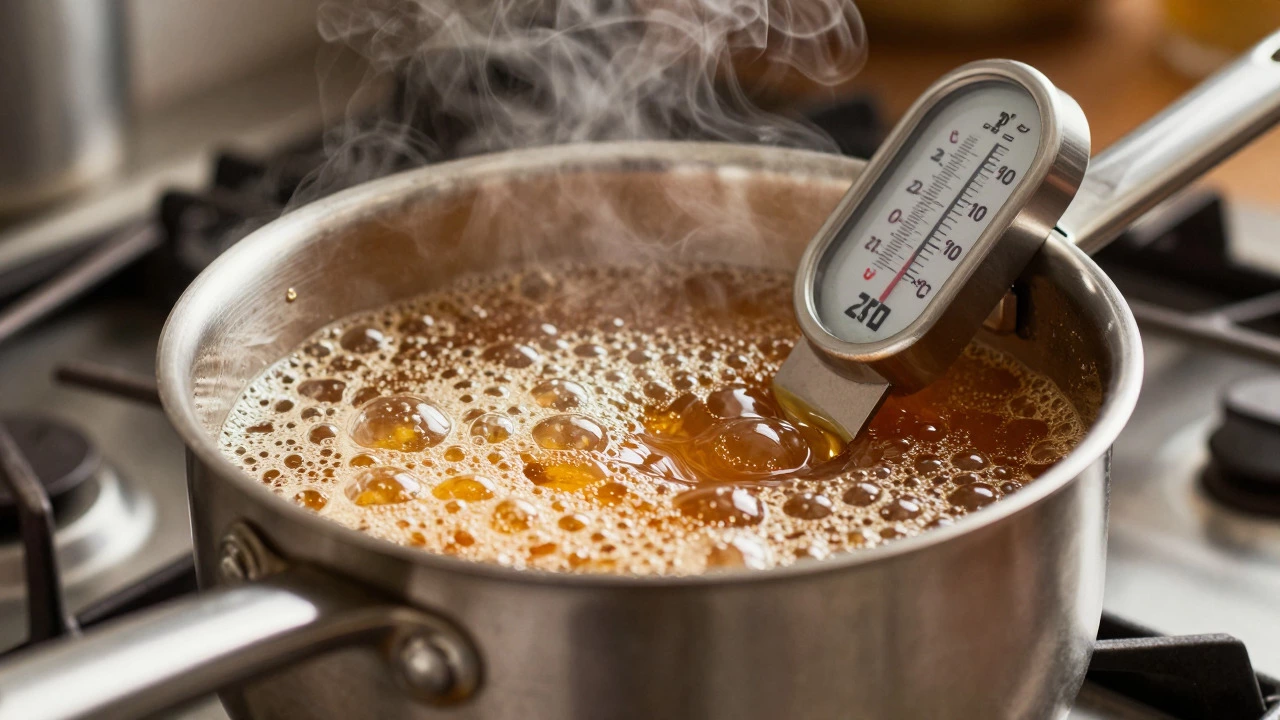
If crystallization is the mechanism, temperature is the trigger. The difficulty of making fudge lies heavily in hitting the exact right temperature range. In the world of candy making, this is known as the Soft Ball Stage, which occurs between 234°F and 240°F (112°C - 116°C).
Why does this narrow window matter? Because the amount of water remaining in the syrup determines the final texture. If you pull the pot off the heat too early (below 234°F), there is too much water left. The fudge will never set; it will remain soft and gooey, unable to hold its shape. If you cook it too long (above 240°F), you evaporate too much water. The result is a dry, crumbly, or even rock-hard product that shatters rather than bends.
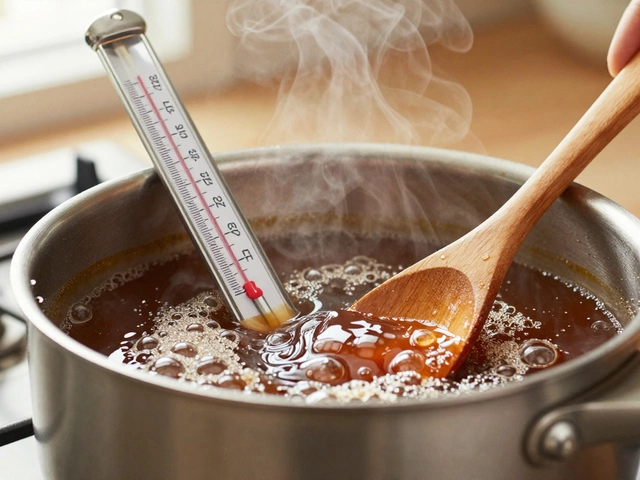
Most home cooks struggle here because they rely on visual cues or guesswork. While experienced chefs might use the "cold water test"-dropping a bit of syrup into ice water to see if it forms a soft ball-this method is subjective and prone to error. A digital Candy Thermometer is not just a helpful tool; for many, it is a necessity. Without precise temperature data, you are flying blind in a process where a 5-degree variance ruins the outcome.
Common Culprits: Graininess and Stickiness
When fudge goes wrong, it usually manifests in one of two ways: it becomes grainy or it stays sticky. Understanding the cause of these failures helps you troubleshoot future batches.
Grainy Fudge: This is the most common complaint. Graininess happens when large sugar crystals form. This can occur if:
- You stir the mixture while it is boiling. Agitation during the cooking phase encourages premature crystallization.
- You didn't dissolve the sugar completely before heating. Undissolved granules act as large seed crystals.
- You added flavorings or mix-ins (like nuts or chocolate chips) too early, disrupting the cooling process.
- The pan was dirty or had residual sugar crystals on the sides, which acted as nucleation sites for large crystals.
Sticky or Runny Fudge: If your fudge doesn't set, it’s almost always a temperature issue. You likely pulled it off the heat too soon. Another possibility is humidity. Sugar is hygroscopic, meaning it absorbs moisture from the air. If you are making fudge on a humid day, especially in a coastal city like Halifax, the atmosphere can interfere with the setting process, leaving the fudge tacky to the touch.
Ingredients Matter More Than You Think
While technique is king, ingredients play a supporting role that cannot be ignored. Not all sugars are created equal, and substitutions can derail the chemical balance.
| Ingredient | Standard Use | Effect of Substitution/Error |
|---|---|---|
| Granulated White Sugar | d>Primary sweetener and structure builderUsing brown sugar adds molasses, which interferes with crystal formation, often leading to softer, less defined fudge. | |
| Heavy Cream | d>Provides fat and milk solidsUsing low-fat milk increases the water content, requiring longer cooking times and increasing the risk of burning or scorching. | |
| Butter | d>Adds richness and inhibits crystal growthMargarine contains water and stabilizers that can separate during boiling, causing a greasy texture. | |
| Corn Syrup | d>Inversion agent (prevents large crystals)Omitting corn syrup makes the fudge more prone to graininess, as pure sucrose crystallizes more easily. |
Notice the inclusion of corn syrup in traditional recipes. Corn syrup contains glucose and maltose, unlike table sugar which is pure sucrose. These different types of sugars interfere with the sucrose molecules' ability to link up into large crystals. This is why corn syrup is often called an "inversion agent." Skipping it to save calories or avoid high-fructose corn syrup often results in a harder time achieving a smooth texture, unless you are very skilled at manual agitation.
Tools That Make or Break Your Batch
You can have the best recipe in the world, but without the right equipment, fudge remains a gamble. The two non-negotiable tools are a heavy-bottomed saucepan and a reliable thermometer.
A thin-bottomed pan heats unevenly. Hot spots can cause the sugar to caramelize (burn) in one area while remaining undercooked in another. Caramelized sugar turns brown and bitter, ruining the flavor profile of classic white or chocolate fudge. A heavy copper or stainless steel pan distributes heat evenly, giving you control over the rise in temperature.
Regarding thermometers, analog dial thermometers are often inaccurate. They take time to register temperature changes and can drift out of calibration. Digital instant-read thermometers or clip-on digital candy thermometers provide real-time data. For the best results, calibrate your thermometer by placing it in boiling water; it should read 212°F (100°C) at sea level. If you live at a higher elevation, remember that water boils at a lower temperature, so you may need to adjust your target temperatures accordingly.
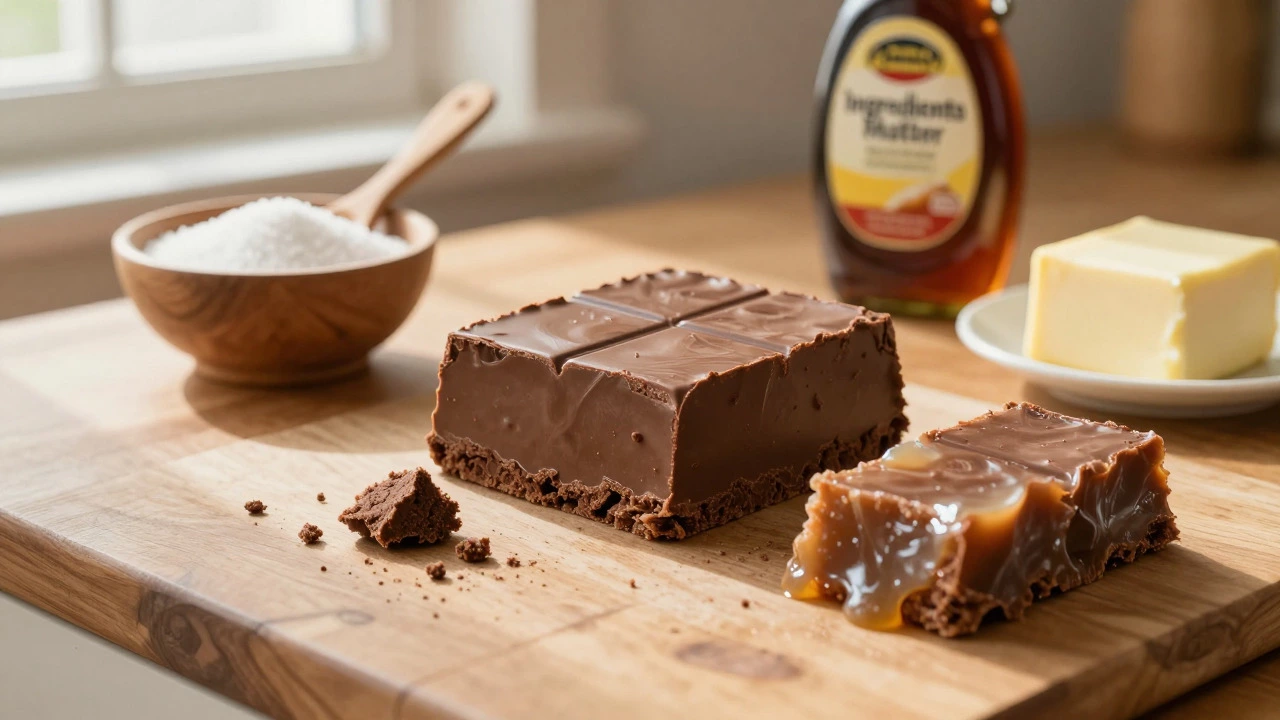
Troubleshooting Your Failed Fudge
So, you’ve made a mess. Is it salvageable? Sometimes, yes. Here is how to diagnose and potentially fix common issues.
If it’s grainy: Unfortunately, once large crystals have formed, it is nearly impossible to reverse the process. However, you can try re-melting the fudge gently over low heat, stirring constantly until smooth, and then re-cooking it to the correct temperature. This works sometimes, but often the damage is done. Prevention is key here: ensure your pan is clean and avoid stirring during the boil.
If it’s runny: Pour the mixture back into the saucepan. Add a small amount of water (about 1 tablespoon) to help dissolve any settled sugar, then bring it back to a boil. Cook it again until it reaches the proper soft-ball stage (234-240°F). Be careful not to burn it since it has already been cooked once. Remove from heat and beat as usual.
If it’s too hard: This is harder to fix. You can try microwaving small pieces with a splash of milk to soften them for eating, but they won’t return to their original creamy texture. To prevent this, watch the thermometer closely and remove the pan from heat immediately upon reaching 240°F.
Pro Tips for Success
Mastering fudge takes practice, but these tips will increase your success rate significantly:
- Grease the Pan Early: Lightly grease your 8x8 or 9x9 inch baking pan before you start cooking. Having it ready prevents delays when the fudge needs to be poured quickly.
- Don’t Peek: Avoid lifting the lid or stirring the mixture while it is coming to a boil and during the initial cooking phase. Let the bubbles do the work.
- Use a Wooden Spoon for Cooling: Once you remove the hot syrup from the heat, let it cool undisturbed to 110°F (43°C). Then, beat it vigorously with a wooden spoon. The wood provides enough friction to encourage crystal formation without scratching the pan.
- Beat Until It Loses Its Gloss: This is the visual cue for doneness. As you beat the fudge, it will change from a shiny, translucent liquid to a dull, opaque, thicker paste. Stop beating as soon as it starts to thicken and pile up on the spoon.
- Pour Immediately: Once the fudge loses its gloss, pour it into the prepared pan right away. It sets quickly, and waiting too long means you’ll have a stiff lump that’s hard to spread.
Fudge is difficult because it leaves no room for error. It requires patience, precise tools, and an understanding of the science behind sugar. But when you get it right, the reward is a dessert that melts in your mouth with a richness that store-bought versions simply cannot match. Keep practicing, trust your thermometer, and soon, that perfect batch will become your new normal.
Why did my fudge turn out grainy?
Grainy fudge is caused by large sugar crystals forming. This usually happens if you stirred the mixture while it was boiling, if the sugar wasn't fully dissolved before heating, or if the pan had residue on it. Large crystals feel gritty on the tongue, whereas smooth fudge has microscopic crystals.
What temperature should fudge be cooked to?
Fudge should be cooked to the soft-ball stage, which is between 234°F and 240°F (112°C - 116°C). Below this range, it won't set properly; above it, it will become hard and crumbly.
Can I make fudge without a candy thermometer?
Yes, but it is much harder. You can use the cold water test: drop a small amount of syrup into a bowl of ice water. If it forms a soft ball that flattens when pressed, it's ready. However, this method is less accurate than using a digital thermometer.
Why is my fudge still sticky after cooling?
Sticky fudge usually means it wasn't cooked long enough and still contains too much water. High humidity in the air can also prevent it from setting firmly. You can try recooking it to the correct temperature to evaporate the excess moisture.
Does altitude affect fudge making?
Yes. Water boils at a lower temperature at higher altitudes. For every 500 feet above sea level, you need to increase the target temperature by 1°F. If you live in a high-altitude area, adjust your thermometer settings accordingly to ensure proper evaporation.