Miserable Cake Myth-Buster & Quiz
Think you know why it's called "Miserable"? Test your knowledge against the facts from the article.
Question goes here?
Quiz Complete!
You scored:
Key Takeaways
- The name refers to the baker's financial status, not their mood.
- It is naturally vegan (no eggs/dairy).
- Vinegar + Baking Soda = Lift (instead of eggs).
- Oil keeps it moister than butter-based cakes.
You’re standing in your kitchen, staring at a bowl of batter that looks suspiciously like wet sand. You pour it into a pan, bake it, and then-this is the part that confuses people-you dump a mixture of brown sugar, butter, and hot water over the top. The result is a gooey, dense, incredibly sweet dessert. But when you ask someone what it’s called, they don’t say "gooey chocolate cake." They call it Miserable Cake. Why on earth would you name a delicious treat after a negative emotion? Is it because eating it makes you sad? Or is there a darker, more practical story behind the label?
The answer isn’t about sadness at all. In fact, if you dig into the history of this dessert, you’ll find that the name "Miserable Cake" is actually a bit of a misnomer-or perhaps a very specific kind of irony. This article breaks down exactly where the term comes from, why it stuck, and how to make sure yours doesn’t taste as bad as its reputation sounds.
The Short Answer: It’s About Money, Not Mood
| Aspect | Detail |
|---|---|
| Primary Origin | Great Depression / Economic Hardship |
| Core Ingredient | Sugar (often excessive) |
| Name Logic | Eating sweets was one of the few "luxuries" available to those living miserably poor lives. |
| Alternative Names | Crazy Cake, Wacky Cake, Depression Cake |
Here is the core truth: The name Miserable Cake refers to the financial state of the baker, not their emotional state while eating it. During the Great Depression in the 1930s, many families were literally "living in misery" due to poverty. Eggs, milk, and butter were expensive luxuries. Sugar, however, remained relatively cheap and accessible. So, people baked cakes that relied heavily on sugar and oil, skipping the dairy and eggs entirely. The cake itself was a small joy in a miserable time. The name is a grim joke-a reminder of the circumstances under which the recipe was born.
Historical Context: The Era of Scarcity
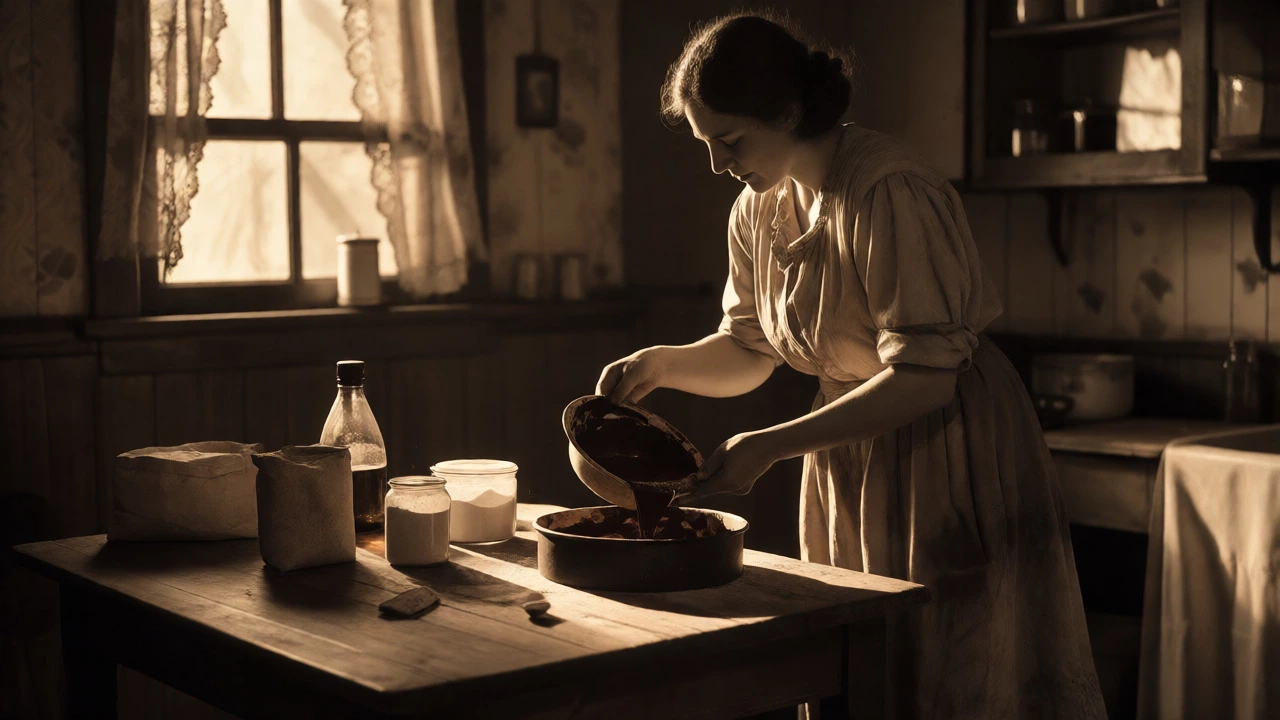
To understand the name, you have to step back into the shoes of a home cook in 1935. Imagine your pantry. You have flour, cocoa powder, baking soda, salt, oil, vinegar, and sugar. That’s it. No fridge full of eggs. No carton of milk sitting on the counter. If you wanted a birthday celebration for your kid, you couldn’t just run to the store and buy a pound of butter. You had to improvise.
This led to the creation of what are now collectively known as Depression Cakes. These recipes were genius hacks. They used chemical reactions-specifically between vinegar and baking soda-to create lift without eggs. They used oil instead of butter for moisture. And they used massive amounts of sugar to mask the lack of richness that dairy usually provides.
The term "Miserable" likely evolved as a colloquial shorthand for "cake made by people who are miserable because they have no money." It wasn’t meant to be an insult to the flavor. It was a descriptor of the socioeconomic status of the baker. Think of it like calling something a "poor man’s steak." The steak might still be tasty, but the name reflects the budget constraints.
Is It Actually Tasty? Breaking Down the Flavor Profile
If you’ve never tried it, you might assume a cake with no eggs or milk tastes like cardboard. Wrong. When done correctly, Miserable Cake is intensely moist, rich, and deeply chocolatey. Here’s why:
- Oil vs. Butter: Oil coats flour proteins differently than solid fats. It creates a tender crumb that stays moist longer than traditional butter cakes, which can dry out quickly.
- Vinegar’s Role: The acidity in vinegar reacts with baking soda to produce carbon dioxide bubbles, giving the cake rise. More importantly, it tenderizes the gluten strands, making the texture softer.
- Sugar Concentration: Because there’s no dairy fat to balance the sweetness, these cakes often feel richer and denser. For some, this is heaven; for others, it’s overwhelming.
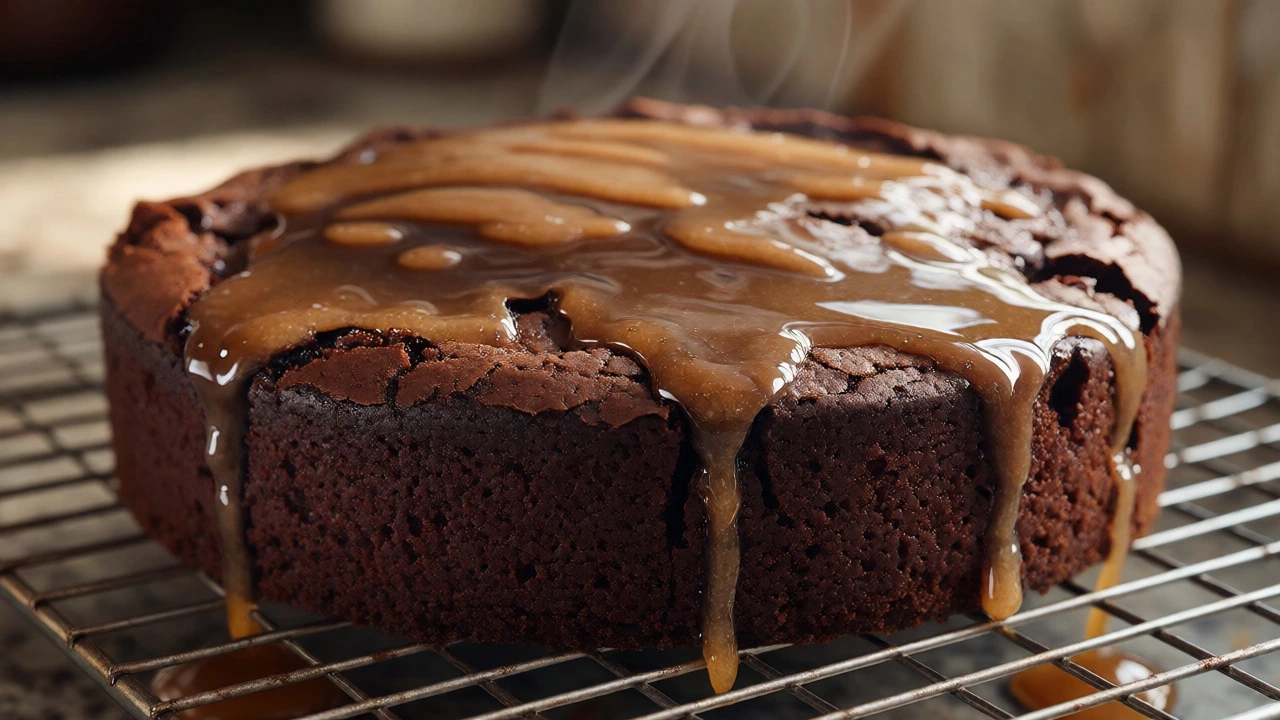
The confusion often arises because modern palates are used to lighter, airier cakes. A Miserable Cake is heavy. It’s substantial. If you expect a fluffy angel food cake, you’ll be disappointed. But if you want a dense, fudgy slice that sticks to your ribs, it delivers.
Common Misconceptions: Sadness vs. Sweetness
Many people hear the name and think, "This must be a sad cake." There’s a persistent myth that the name comes from the idea that the cake tastes so bad it makes you miserable. This is rarely true for well-made versions. The "bad taste" rumor usually stems from two things:
- Poor Execution: Using too much baking soda or not mixing the vinegar properly can leave a metallic aftertaste. This ruins the experience, leading people to believe the concept itself is flawed.
- Over-Sweetening: Some old-school recipes call for nearly a cup of sugar per layer. Without the balancing act of butter or cream cheese frosting, this can be cloying.
In reality, most people who try a properly balanced Miserable Cake end up asking for seconds. The name is just historical baggage. Don’t let it scare you off.
How to Make It Taste Good (Not Miserable)
If you want to bake this at home, here are three tips to ensure your cake earns its place on the table, regardless of its name.
1. Balance the Acidity
Use apple cider vinegar rather than white distilled vinegar. Apple cider vinegar has a milder flavor profile and adds a subtle fruity note that complements chocolate better than the sharp bite of white vinegar. Use 1 tablespoon per standard recipe, and mix it thoroughly into the dry ingredients before adding liquids.
2. Upgrade the Frosting
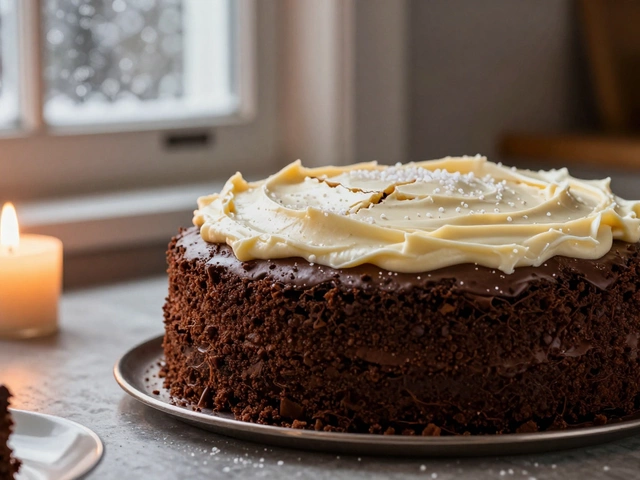
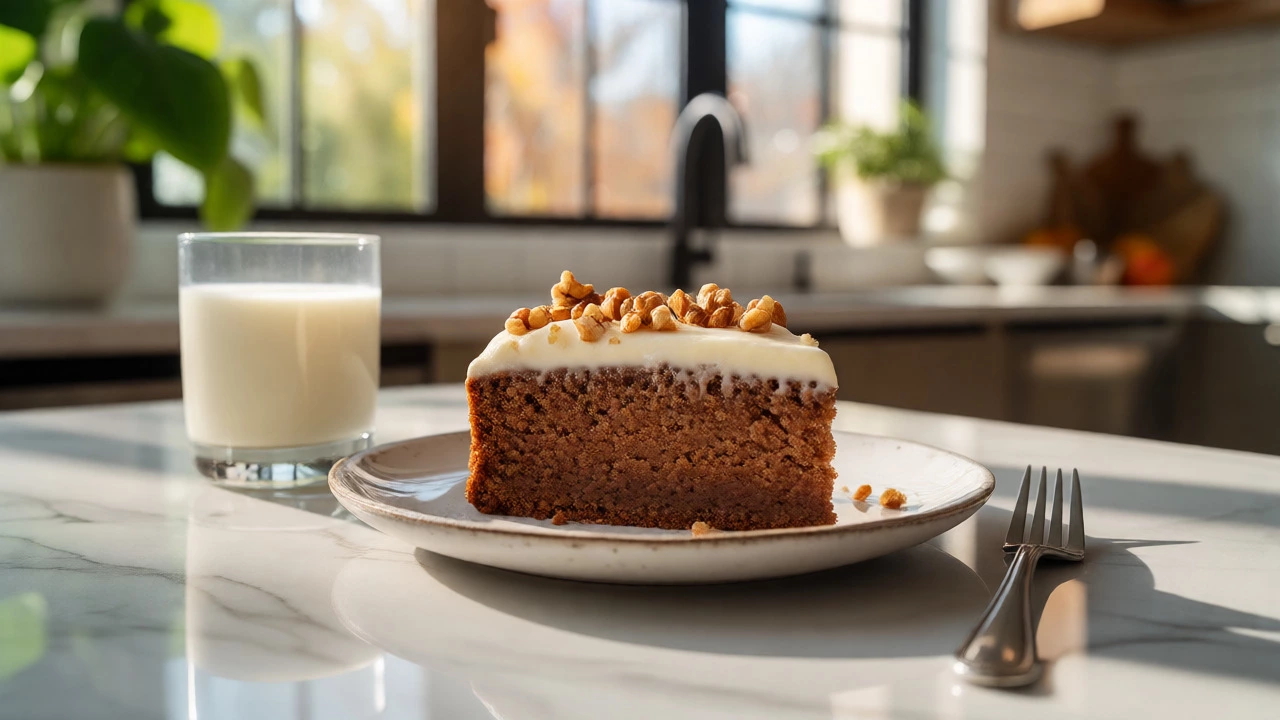
Traditional Miserable Cake often skips frosting or uses a simple glaze. To counteract the density, pair it with a tangy element. A cream cheese frosting works wonders here. The slight sourness of the cheese cuts through the intense sweetness of the cake, creating a more complex flavor profile.
3. Add Texture
Since the cake is uniform and soft, add crunch. Sprinkle toasted walnuts or pecans on top of the frosting. This contrast makes each bite more interesting and distracts from the heaviness of the crumb.
Regional Variations: What Else Is It Called?
Depending on where you live, you might know this cake by a different name. This variation in naming helps trace how the recipe spread across North America during the mid-20th century.
| Region/Culture | Common Name | Distinctive Feature |
|---|---|---|
| United States (General) | Crazy Cake | Emphasizes the weird method (mixing directly in the pan). |
| United Kingdom | Wacky Cake | Often includes coffee in the batter for depth. |
| Australia/NZ | Black Forest Variation | Sometimes adapted with cherries despite lack of kirsch. |
| Canada (Atlantic) | Miserable Cake | Retains the economic reference strongly. |
In Halifax, where I live, we tend to stick with "Miserable Cake" or simply "Depression Cake." The term "Crazy Cake" is less common here, possibly because the mixing method isn’t considered "crazy" enough-it’s just resourceful. The name "Miserable" resonates more with our cultural memory of hard times and practical baking.
Why Does This Matter Today?
We aren’t living through the Great Depression anymore. We have refrigerators stocked with eggs and milk. So why do we still bake Miserable Cake? Two reasons:
- Dietary Restrictions: It’s naturally vegan. No eggs, no dairy. For vegans or those with lactose intolerance, this is a go-to chocolate cake that doesn’t require expensive specialty substitutes.
- Convenience: You don’t need a mixer. You don’t need multiple bowls. You can mix everything in one pot. It’s the ultimate low-effort dessert for last-minute guests.
The name serves as a connection to our grandparents’ resilience. Baking it today is a small nod to ingenuity in the face of scarcity. It’s a reminder that good food doesn’t always require luxury ingredients.
Frequently Asked Questions
Is Miserable Cake really vegan?
Yes, traditionally, Miserable Cake is vegan. The classic recipe omits eggs and dairy products, relying on oil, water (or coffee), and vinegar for moisture and leavening. However, always check specific recipes, as some modern variations might add butter or milk for richness, which would break the vegan status.
Why does my Miserable Cake taste metallic?
A metallic taste usually indicates an imbalance between baking soda and acid. If you use too much baking soda or not enough vinegar, the excess sodium bicarbonate remains unreacted, leaving a soapy or metallic aftertaste. Ensure you measure the vinegar precisely and mix it thoroughly into the dry ingredients before adding liquids.
Can I substitute the vinegar in Miserable Cake?
You can, but you need another acid. Lemon juice is a common substitute, though it will alter the flavor profile slightly, adding a citrus note. Apple cider vinegar is preferred over white vinegar for a milder taste. Do not skip the acid entirely, as it is crucial for activating the baking soda and ensuring the cake rises.
Is Miserable Cake the same as Crazy Cake?
Generally, yes. "Crazy Cake," "Wacky Cake," and "Miserable Cake" are often used interchangeably to describe eggless, dairy-free chocolate cakes popularized during the Great Depression. The names vary by region and family tradition, but the core recipe principles remain the same.
Does Miserable Cake keep well?
Surprisingly, yes. Due to the high oil content, Miserable Cake tends to stay moist for several days at room temperature, often longer than butter-based cakes. Store it covered in an airtight container. It can also be frozen successfully for up to three months.