Baking Spice Flavor Architect
Select spices from the pantry below to build your custom flavor profile. See how they pair with specific cookies and their intensity levels.
Your Spice Pantry
Flavor Profile Summary
Select spices to start building your recipe profile...
-
Quick Guide to Your Spice Pantry
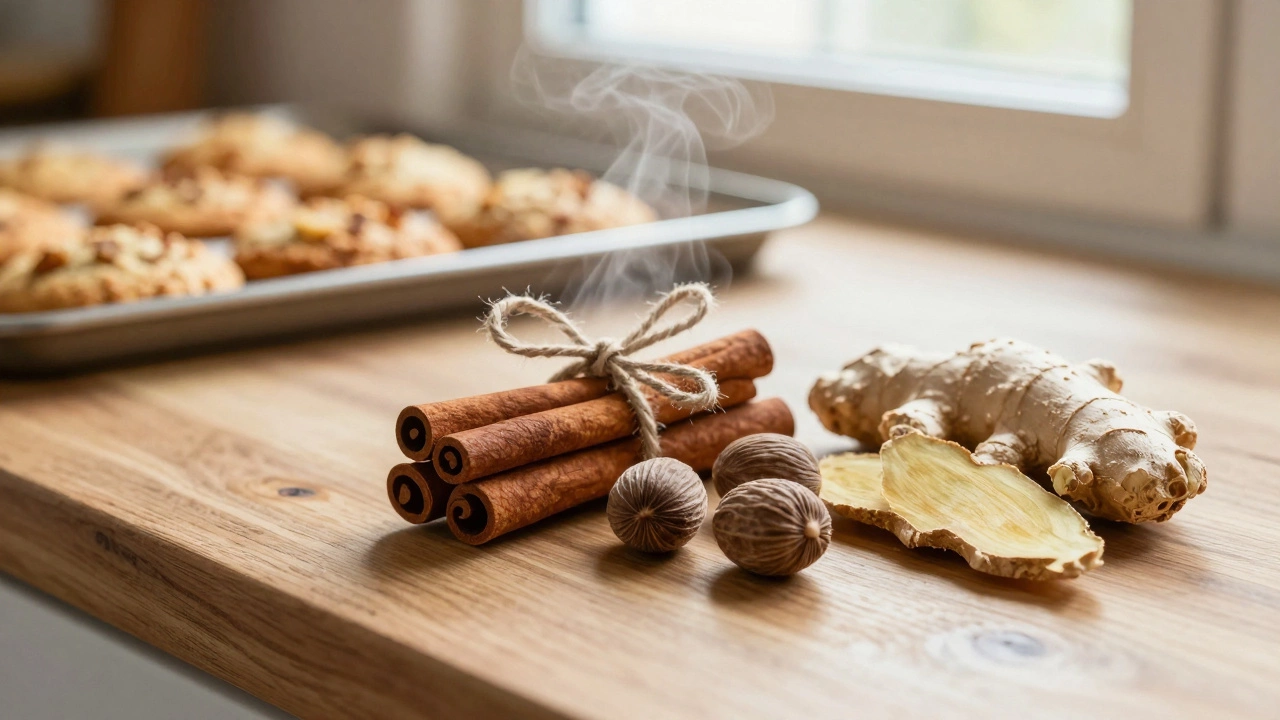
- Sweet Spices: The core of most cookie recipes (Cinnamon, Nutmeg, Ginger).
- Warm Aromatics: Add complexity and a "cozy" feel (Cardamom, Cloves, Allspice).
- Savory Basics: Essential for balancing sweetness or making savory treats (Salt, Black Pepper).
- Botanicals: High-impact flavors that add a gourmet touch (Vanilla, Star Anise).
The Sweet Core: The Non-Negotiables
If you have nothing else, start here. These are the heavy hitters that define the taste of a classic bakery. Cinnamon is a woody, sweet spice derived from the inner bark of several tree species from the genus Cinnamomum. It is the backbone of almost every autumn-flavored treat. For cookies, use Ceylon cinnamon if you want a milder, sweeter taste, or Cassia for that punchy, spicy kick found in commercial snacks.
Next is Nutmeg, which is the seed of the Myristica fragrans tree. It provides a nutty, slightly sweet warmth. Pro tip: always buy whole nutmeg and grate it fresh. Pre-ground nutmeg loses its volatile oils quickly, leaving you with a dusty taste instead of a rich aroma.
Then we have Ginger, a pungent rhizome that comes in both fresh and dried powdered forms. In the world of essential kitchen spices, ground ginger is a staple for snap cookies, while crystallized ginger adds chewy, spicy bursts of flavor. It cuts through the heaviness of butter and sugar, providing a sharp contrast that keeps you coming back for another bite.
The Warm Complexity Layer
Once you've mastered the basics, you need spices that add "mystery." This is where the flavor goes from "good" to "professional." Cardamom is a seed pod known as the queen of spices, offering a citrusy, herbal sweetness. If you add a pinch of cardamom to a standard sugar cookie, it suddenly tastes like it came from a high-end Scandinavian bakery. It pairs exceptionally well with chocolate and orange.
Cloves are intense, dried flower buds that provide a powerful, medicinal warmth. Be careful here-cloves are incredibly potent. A quarter teaspoon can dominate an entire batch of dough. They are best used in spice blends or gingerbread recipes where they support the ginger and cinnamon.
Don't overlook Allspice. Despite the name, it isn't a blend of all spices; it's a single berry from Jamaica. It tastes like a natural hybrid of cinnamon, nutmeg, and cloves. It is the secret weapon for "pumpkin spice" profiles, giving a rounded, full-bodied warmth without needing three different jars.
Essential Balancers and Enhancers
You might not think of these as "spices" in the traditional sense, but without them, your cookies will taste one-dimensional. Sea Salt is a mineral-rich seasoning harvested from evaporated seawater. Salt isn't just for savory food; it suppresses bitterness and enhances the perception of sweetness. A sprinkle of flaky salt on top of a chocolate chip cookie creates a contrast that makes the chocolate taste more intense.
Similarly, Vanilla Bean (or extract) provides the aromatic base for almost every sweet treat. While often categorized as a flavoring, the pods are the fruit of an orchid. The vanillin in vanilla acts as a bridge, tying all your other spices together so they don't clash.
And yes, Black Pepper has a place in the cookie jar. A tiny pinch of pepper in a dark chocolate cookie doesn't make it "spicy," but it highlights the fruity notes of the cocoa. It’s a trick used by pastry chefs to add a subtle, sophisticated edge to rich desserts.
| Spice | Primary Note | Best Cookie Pairing | Intensity Level |
|---|---|---|---|
| Cinnamon | Sweet/Woody | Snickerdoodles | Medium |
| Cardamom | Citrus/Floral | Shortbread | High |
| Ginger | Sharp/Zesty | Molasses Cookies | High |
| Nutmeg | Nutty/Warm | Butter Cookies | Medium |
| Allspice | Complex/Deep | Pumpkin Cookies | High |
The Specialized Pantry: Expanding Your Palette
Now that we have the core, let's look at the spices that allow you to experiment. Star Anise is a star-shaped fruit that tastes strongly of licorice. If you like the taste of black licorice, grinding a bit of star anise into a lemon-flavored cookie creates a surprising and refreshing profile.
Then there is Saffron, the most expensive spice in the world, derived from the Crocus sativus flower. While rare in standard cookies, using saffron in a shortbread adds a golden hue and a honey-like, earthy aroma that is completely unique. It turns a simple snack into a luxury experience.
For a bit of a kick, consider Cayenne Pepper. Adding a tiny pinch to chocolate-based cookies creates a "Mexican Chocolate" effect. The heat hits the back of the throat seconds after the chocolate melts, creating a dynamic eating experience.
If you want something earthy and unexpected, Turmeric can be used for more than just curry. In small amounts, it adds a bright yellow color and a mild, musky sweetness to vegan cookies, often pairing well with coconut and maple syrup.
Round Out Your Rack: The Final Essentials
To reach the top 20, we need a few more supporting actors. Mace is the outer coating of the nutmeg seed. It tastes like a lighter, more citrusy version of nutmeg. It's a great alternative when you want the warmth of nutmeg without it overpowering the other ingredients.
For those who enjoy a touch of acidity, Sumac offers a lemony tang. While primarily used in Middle Eastern savory dishes, a pinch of sumac in a sugar cookie can mimic the effect of lemon zest, providing a bright, acidic lift.
Don't forget Paprika (specifically the smoked variety). Smoked paprika in a salted caramel cookie adds a campfire quality that makes the dessert feel sophisticated and rustic.
Finally, keep Coriander, the seed of the cilantro plant. When toasted, coriander seeds have a sweet, lemony, and floral aroma. Grinding them into a butter cookie creates a professional-grade flavor profile that tastes like something from a boutique pâtisserie.
How to Store Your Spices for Maximum Flavor
Buying the best spices is only half the battle. If you store them incorrectly, they become useless powder. Heat, light, and air are the enemies of flavor. Avoid storing your spice rack directly above the stove; the heat from the burners will cook the oils right out of your cinnamon and ginger.
Instead, keep them in a cool, dark drawer or a pantry. Use airtight glass jars. If you use plastic, make sure the seal is tight. You can tell when a spice has gone bad if you rub a bit between your palms and it doesn't release a strong scent. If it smells like nothing, it will taste like nothing in your cookies.
Another pro tip is to "bloom" your spices. Before adding them to your wet ingredients, sauté them briefly in a teaspoon of butter or oil over low heat. This wakes up the fat-soluble flavor compounds, making the final cookie taste significantly more intense and complex.
Can I substitute one spice for another in cookie recipes?
Yes, to an extent. Allspice is the best general substitute because it mimics cinnamon, cloves, and nutmeg. However, you can't substitute ginger with cinnamon, as they provide completely different flavor profiles (sharp vs. sweet). If you're missing nutmeg, a tiny bit of mace works well.
How long do ground spices actually last?
Ground spices generally stay potent for 6 to 12 months. Whole spices, like cinnamon sticks or cardamom pods, can last 2 to 3 years if kept dry. Once they lose their aroma, they won't spoil your food, but they won't add any flavor either.
What is the difference between Ceylon and Cassia cinnamon?
Ceylon cinnamon is known as "true cinnamon." It is lighter in color, milder in taste, and more expensive. Cassia cinnamon is the common store-bought version; it's darker, stronger, and contains more coumarin, which gives it that bold, spicy kick.
Is it better to use ground or whole spices for baking?
Whole spices are vastly superior for flavor longevity. Grinding them yourself right before adding them to the dough ensures the volatile oils are at their peak. For convenience, ground is fine, but for a professional result, a mortar and pestle or a spice grinder is the way to go.
Do I need to sift spices into my flour?
Absolutely. Spices like cinnamon and ginger tend to clump. If you just dump them into the dough, you might end up with a "spice pocket" where one cookie tastes like a cinnamon bomb and another tastes like nothing. Sifting them with your flour ensures an even distribution.
Next Steps for Your Flavor Journey
If you're feeling adventurous, try creating your own signature spice blend. Mix cinnamon, ginger, cloves, and a hint of cardamom in a jar and label it "House Cookie Mix." This saves time and ensures your baking has a consistent, unique flavor that people can't quite put their finger on.
For those struggling with flavor balance, remember the rule of opposites. If your cookie is too sweet, add a pinch more salt or a dash of black pepper. If it tastes too bland, add a touch of acidity with sumac or a bit of heat with cayenne. Baking is as much about chemistry as it is about art, and your spice rack is your primary toolkit.