
Vegan Dessert Ingredient Checker
Check Your Dessert Ingredients
Select ingredients found in your dessert to see if it's vegan-friendly
Your selected ingredients are all vegan-safe.
Look for certified vegan labels when shopping for store-bought desserts.
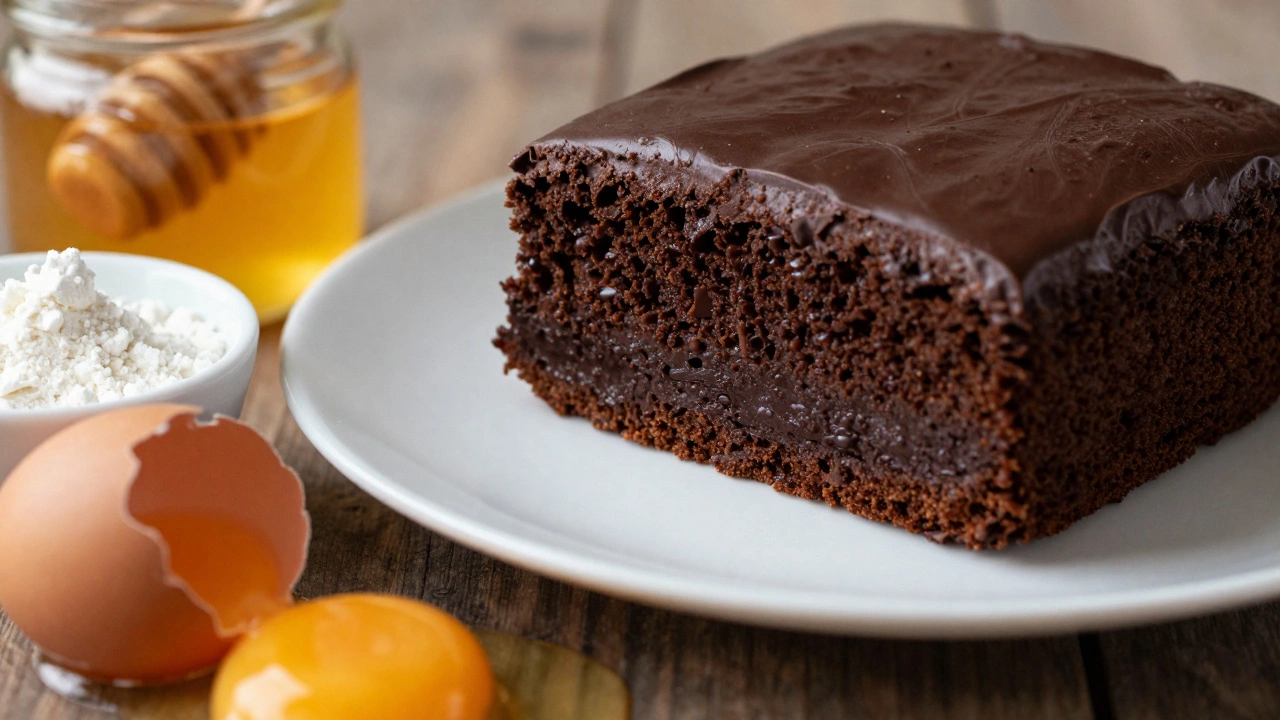
Grab a chocolate cake from the bakery. It looks innocent enough-rich, dark, and moist. But take a closer look at the ingredient list, and you might spot eggs or milk powder hiding in plain sight. This is the reality for most traditional desserts. They are built on a foundation of animal products that have been standard in baking for centuries.
So, are all desserts vegan? The short answer is no. In fact, the vast majority of commercial and traditional desserts contain animal-derived ingredients. However, the landscape is changing rapidly. With more people adopting plant-based diets, understanding what makes a dessert non-vegan is crucial. You don't need to be a chemist to figure it out, but you do need to know where to look.
The Big Three: Why Most Desserts Aren't Vegan
When we think about why a dessert isn't vegan, three main culprits usually come to mind: dairy, eggs, and honey. These ingredients provide structure, moisture, and sweetness. Without them, traditional recipes fall apart. That’s why bakers rely on them so heavily.
Dairy is everywhere. Milk, butter, cream, cheese, and yogurt form the backbone of creamy textures. Think about a classic cheesecake. It relies entirely on cream cheese for its body. A custard needs egg yolks and milk for that silky finish. Even something as simple as a vanilla ice cream cube contains heavy cream and sugar derived from cane juice, which sometimes uses bone char for filtering.
Eggs act as binders and leavening agents. They help cakes rise and cookies hold their shape. If you’ve ever tried to bake without eggs, you know how tricky it can be to replicate that elasticity. Honey is another common sweetener that vegans avoid because it comes from bees. Many granola bars and oatmeal cookies use honey instead of refined sugar.
Hidden Ingredients You Might Overlook
It’s not just the obvious stuff like milk and eggs. Some ingredients sneak into your favorite treats under confusing names. Reading labels carefully is essential if you want to stick to a vegan diet.
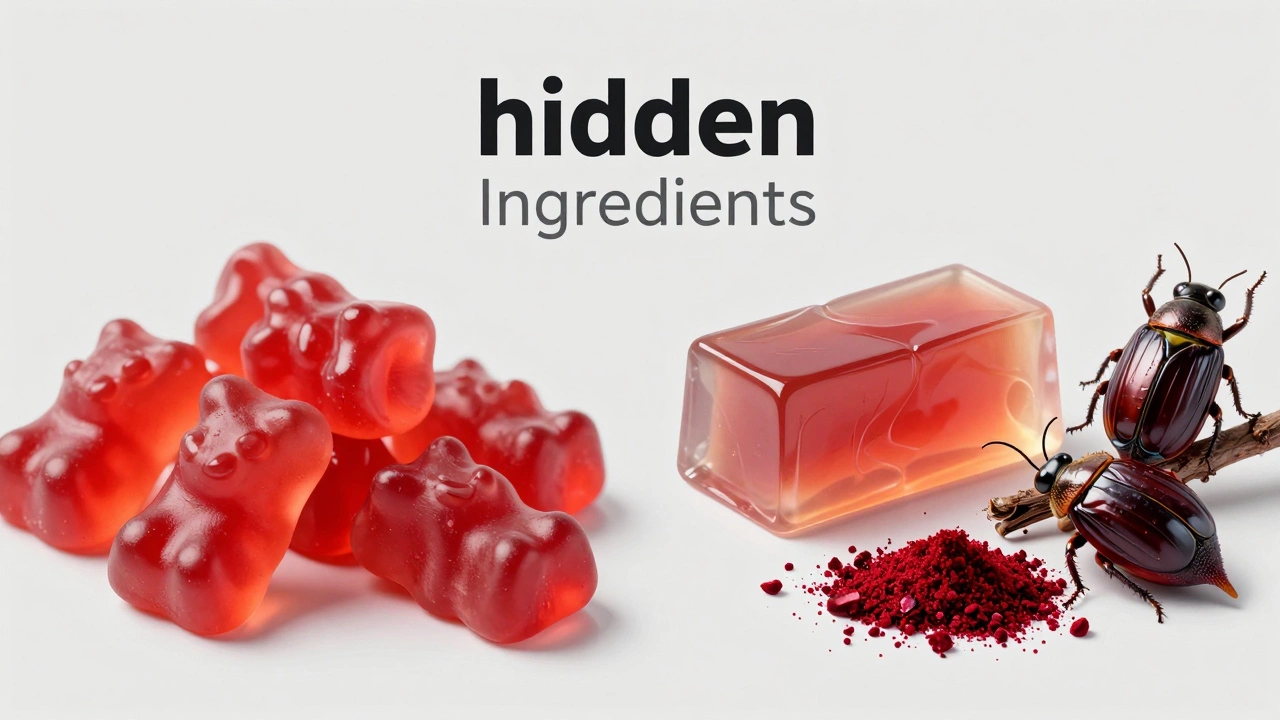
- Gelatin: Found in gummies, marshmallows, and some jellies. It’s made from collagen extracted from animal skin and bones. Agar-agar is the vegan alternative here.
- Carmine (E120): A bright red dye used in fruit-flavored candies and yogurts. It’s crushed beetles. Yes, really. Look for beet juice or synthetic red dyes instead.
- Lecithin: Often found in chocolate and baked goods. While soy lecithin is vegan, sunflower lecithin is too. However, egg lecithin exists and is less common but still possible in artisanal chocolates.
- Shellac: Used to give hard candies and some licorice that shiny glaze. It’s secreted by the lac insect. A quick rinse with water won’t remove this coating.
- Whey and Casein: These are milk derivatives. Whey is the liquid part of milk, and casein is the protein. They often appear in protein bars and flavored milks.
If you see these on an ingredient list, put the item back. They might sound technical, but they’re definitely not plant-based.
Naturally Vegan Desserts: The Easy Wins
Not every sweet treat is off-limits. Some desserts are naturally vegan because they rely on fruits, nuts, and grains rather than dairy or eggs. This is great news for anyone who wants to indulge without checking every label twice.
| Dessert Type | Key Ingredients | Why It's Vegan |
|---|---|---|
| Fruit Sorbet | Fruit puree, sugar, water | No dairy or eggs; frozen fruit base |
| Dark Chocolate | Cocoa solids, cocoa butter, sugar | High-quality dark chocolate rarely contains milk solids |
| Vegan Ice Cream | Coconut milk, almond milk, cashew cream | Uses plant milks instead of cow's milk |
| Rice Pudding (Store-bought) | Rice, water, sugar, cinnamon | Traditional versions use water; check for added milk |
| Macarons | Almond flour, egg whites, sugar | Note: Traditional macarons use egg whites, so they are NOT vegan unless specified |
Sorbets are a perfect example. They’re just fruit, sugar, and water. No cream, no eggs. Dark chocolate is another winner, provided it doesn’t have milk powder added. Many premium brands make purely cocoa-based chocolates that are rich and satisfying.
Even some cookies can be vegan. Shortbread cookies, for instance, often just need flour, butter, and sugar. Swap the butter for a high-quality vegan margarine, and you’re good to go. Brownies are another easy swap. Use applesauce or flax eggs instead of real eggs, and coconut oil instead of butter.
The Rise of Plant-Based Alternatives
The food industry has responded to demand with impressive innovation. You can now find vegan versions of almost any dessert. From whipped cream made from coconut fat to mozzarella-style cheese for pizza, the options are expanding daily.
Oat milk has become a superstar in baking. It browns beautifully and adds a creamy texture similar to dairy milk. Almond milk works well for lighter batters, while coconut cream mimics heavy whipping cream perfectly. Cashews blended with water create a smooth, nutty base for cheesecakes and puddings.
Butter substitutes have improved dramatically. Brands like Miyoko’s Creamery and Earth Balance offer cultured butters that melt and spread just like the real thing. They add that savory depth to pastries that unrefined oils sometimes lack.
Baking Your Own: Tips for Success
Making vegan desserts at home gives you total control over ingredients. Plus, it’s often cheaper than buying specialized store-bought items. Here are a few tricks to ensure your homemade treats turn out right.
- Use Flax Eggs: Mix one tablespoon of ground flaxseed with three tablespoons of water. Let it sit for five minutes until it becomes gel-like. This replaces one egg in most recipes.
- Add Acid: Vinegar or lemon juice helps activate baking soda, giving your cakes lift. Add a teaspoon when using self-rising flour or baking soda.
- Don’t Skip Fat: Oil or melted vegan butter keeps baked goods moist. Water alone won’t cut it. Use half the amount of oil compared to butter called for in the recipe.
- Chill Your Dough: Cookie dough spreads easily without eggs. Chill it for at least 30 minutes before baking to keep shapes intact.
- Taste Test Batter: Since there are no raw eggs, tasting the batter is safe. Adjust sweetness or flavorings before putting it in the oven.
Experimentation is key. Not every substitute works for every recipe. Applesauce makes muffins dense, while aquafaba (chickpea brine) whips up like meringue for pavlovas and mousses.
Reading Labels Like a Pro
Shopping for vegan desserts requires patience. Manufacturers aren’t always clear about cross-contamination or hidden sources. Look for certifications like the Vegan Society logo or "Certified Vegan" seal. These guarantee no animal testing and no animal ingredients.
If there’s no certification, read the fine print. Watch out for phrases like "may contain traces of milk" if you have severe allergies, though strict vegans might ignore this depending on their personal standards. For casual vegans, accidental trace amounts are often acceptable, but intentional inclusion is not.
Also, be wary of "natural flavors." This vague term can hide animal-derived substances. When in doubt, contact the manufacturer. Many companies respond quickly to email inquiries about specific ingredients.
Conclusion: It’s Possible, But Requires Attention
Are all desserts vegan? Definitely not. But many can be, and many already are. By learning to identify hidden ingredients and embracing plant-based alternatives, you can enjoy a wide variety of sweets without compromising your values. Whether you’re baking at home or shopping at the store, knowledge is your best tool. Next time you crave something sweet, remember that deliciousness doesn’t require dairy or eggs.
Is vanilla ice cream vegan?
No, traditional vanilla ice cream contains milk, cream, and sometimes egg yolks. However, many brands now offer vegan versions made with coconut milk, almond milk, or oat milk.
What can I use instead of eggs in baking?
Common egg substitutes include flax eggs (ground flaxseed + water), chia seeds, mashed bananas, applesauce, silken tofu, and aquafaba (chickpea liquid). Choose based on whether you need binding, leavening, or moisture.
Are Oreos vegan?
The ingredients in standard Oreos are technically vegan, but they are manufactured in facilities that process milk. Cross-contamination is possible, so strict vegans may choose to avoid them or opt for certified vegan cookies.
Is honey considered vegan?
No, honey is not vegan because it is produced by bees. Vegans avoid exploiting animals, including insects. Agave nectar, maple syrup, and date syrup are popular vegan alternatives.
Can I make vegan cheesecake?
Yes! Vegan cheesecakes typically use cashews soaked and blended with lemon juice, nutritional yeast, and sweeteners to mimic the tangy, creamy texture of traditional cream cheese. Tofu can also be used as a base.