Cheesecake Style Selector
Your Preferences
Quick Comparison
| Feature | Baked | Continental |
|---|---|---|
| Prep Time | 1-2 hours + cooling | 30 mins + 6+ hours chill |
| Texture | Dense, firm | Airy, jiggly |
| Setting Agent | Eggs & heat | Gelatin/cream |
| Shelf Life | 5-7 days | 3-4 days |
| Best For | Traditional taste | Quick prep, cool kitchens |
Did You Know?
Continental cheesecake can be adapted for vegan diets using agar-agar instead of gelatin, while baked versions work well with tofu or cashew bases.
🎯 Your Perfect Match:
Why This Choice:
Key Tips:
Time Investment:
You’ve probably stood in the bakery aisle or scrolled through dessert menus wondering why some cheesecakes are dense and golden while others are pale, airy, and served straight from the fridge. It’s not just a matter of preference; it’s about two completely different culinary techniques. One relies on heat to set its structure, while the other uses chemistry and cold temperatures. Understanding this distinction changes how you bake, how you store your leftovers, and even which flavor profiles you should try.
When we talk about baked cheesecake, we’re referring to the traditional method where eggs and sugar act as the binding agents that solidify under oven heat. On the flip side, what is often called continental cheesecake-more commonly known as no-bake or refrigerator cheesecake-skips the oven entirely, relying on gelatin or whipped cream to hold its shape. Let’s break down exactly how these two giants of the dessert world differ, from their crusts to their cooling times.
The Structural Science: Eggs vs. Gelatin
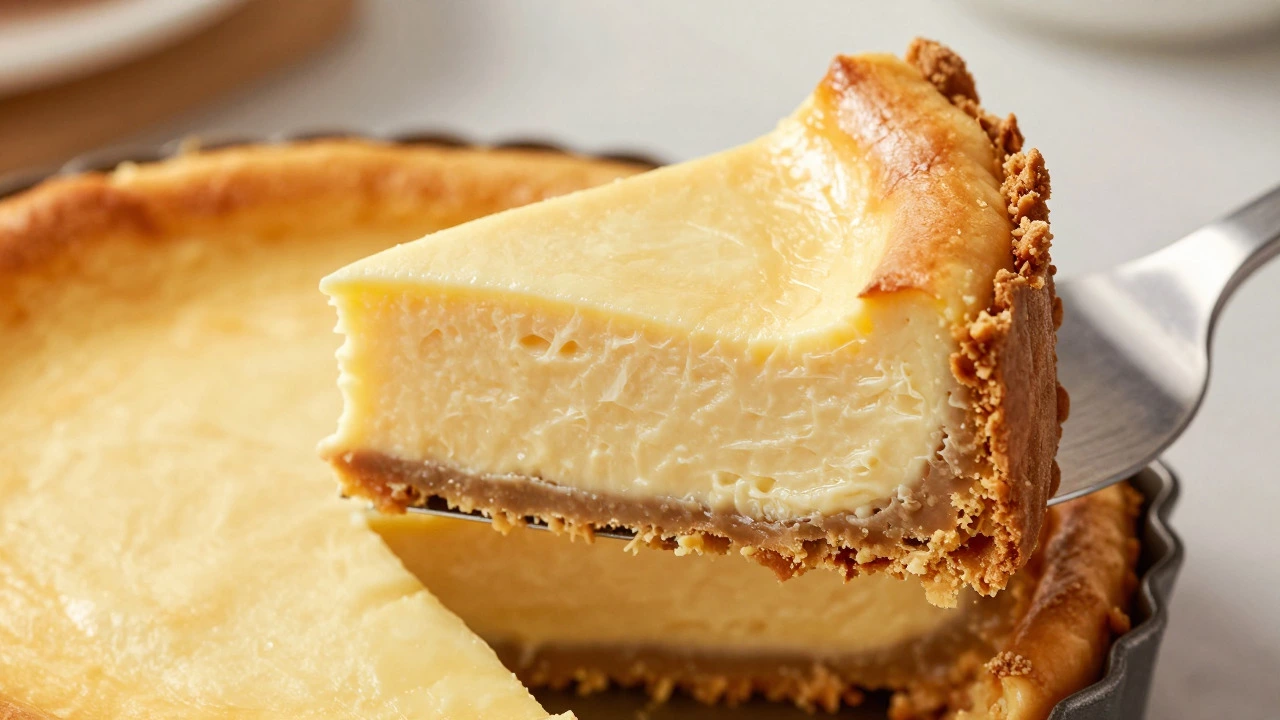
The biggest difference isn’t visual; it’s structural. A baked cheesecake gets its firmness from coagulated proteins. When you beat eggs into cream cheese and bake them, the egg whites denature and form a network that traps moisture. This creates a slice that holds its shape firmly on a plate. You can cut a perfect wedge, lift it with a spatula, and it stays intact. This is why baked versions are often denser and heavier.
In contrast, a continental cheesecake is essentially a sophisticated mousse. Without eggs to provide structure, bakers use gelatin or heavily whipped heavy cream to stabilize the mixture. Gelatin forms a gel when chilled, creating a jiggly but stable texture. If you’ve ever eaten a continental cheesecake that felt too rubbery, it was likely due to too much gelatin. Too little, and it collapses like wet sand. The result is a lighter, airier bite that melts in your mouth rather than requiring chewing.
| Feature | Baked Cheesecake | Continental (No-Bake) Cheesecake |
|---|---|---|
| Setting Agent | Eggs and Heat | Gelatin or Whipped Cream |
| Texture | Dense, creamy, firm | Airy, light, jiggly |
| Cooking Method | Oven (often water bath) | Refrigerator only |
| Preparation Time | 1-2 hours baking + cooling | 30 mins prep + 6+ hours chilling |
| Shelf Life | 5-7 days refrigerated | 3-4 days refrigerated |
The Crust: Gritty vs. Crunchy
While the filling gets most of the attention, the base plays a huge role in the experience. Baked cheesecakes typically use a crust made from graham crackers (or digestive biscuits outside North America), butter, and sugar. Because this crust goes into the oven, it becomes toasted and sturdy. It can withstand the weight of a dense filling without turning soggy immediately. Some bakers even pre-bake the crust for extra crunch.
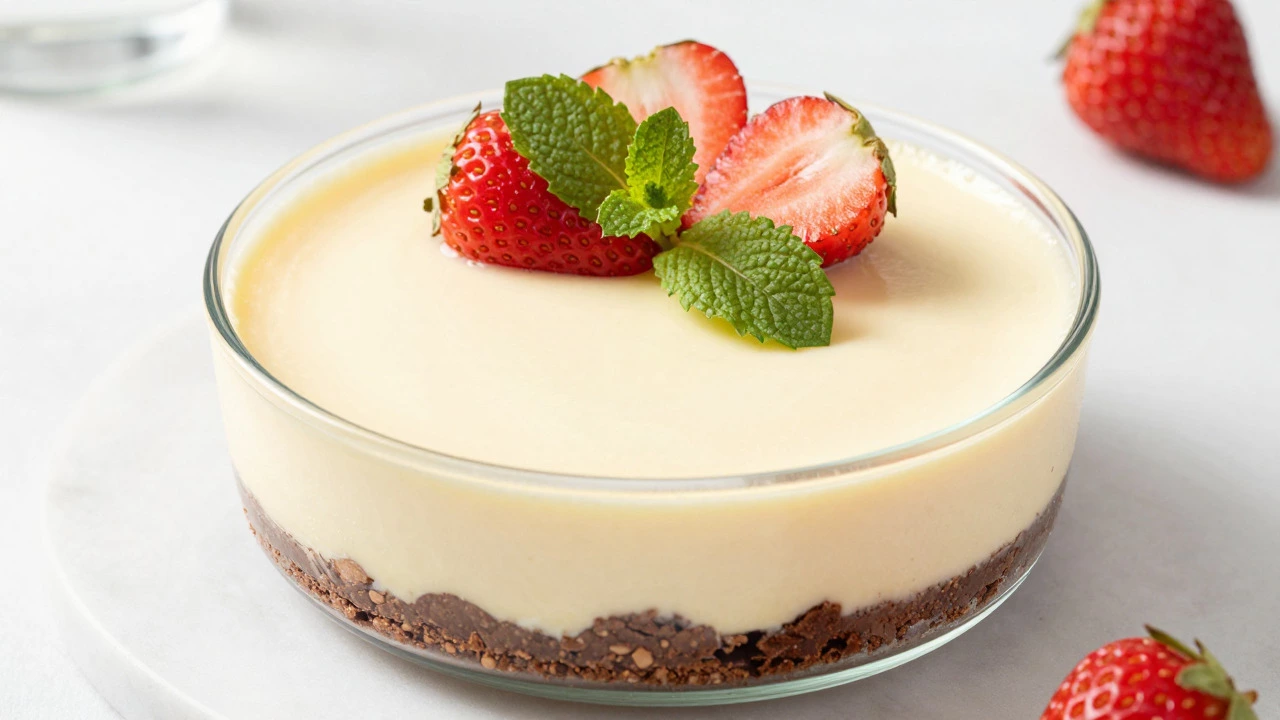
Continental cheesecakes, however, face a different challenge. Since they never see heat, the butter in the crust doesn’t melt and re-solidify around the crumbs in the same way. Instead, the crust is usually pressed into the pan and then frozen or chilled until hard. Many recipes call for a higher ratio of chocolate or nuts to add structural integrity. A common trick for no-bake bases is to mix melted chocolate with the crumbs, which acts as a glue once chilled. This results in a crust that is more brittle and snaps when bitten, rather than crumbling softly.
Flavor Profiles: Tangy Richness vs. Bright Freshness
Baking changes the chemical composition of dairy. When cream cheese is heated, the fats separate slightly, and the flavors concentrate. This gives baked cheesecake a deeper, richer, and tangier profile. It pairs beautifully with heavy toppings like caramel, berry compotes, or chocolate ganache because the dense filling can support those intense flavors without being overwhelmed.
Continental cheesecake tastes closer to the raw ingredients. Because it’s not cooked, the taste of the cream cheese is fresher and milder. This makes it an ideal canvas for delicate flavors. Think lemon zest, fresh strawberries, mint, or passion fruit. The airy texture also means that citrus juices don’t weigh down the cake; instead, they integrate smoothly into the mousse-like consistency. If you prefer a dessert that feels refreshing rather than indulgent, the continental style usually wins out.
Technique and Troubleshooting
Making a baked cheesecake is less forgiving. The biggest enemy here is cracking. To prevent this, many bakers use a water bath (bain-marie), placing the springform pan in a larger roasting pan filled with hot water. This creates a humid environment that cooks the cake gently and evenly. Overmixing the batter introduces too much air, which expands in the oven and causes cracks. You also have to cool the cheesecake slowly-turning off the oven and leaving the door ajar for an hour is a standard technique to avoid thermal shock.
Continental cheesecake seems easier, but it has its own pitfalls. The main issue is setting time. If you pull it out of the fridge too soon, it will slide apart. Most recipes require at least six hours, preferably overnight, to set properly. Another challenge is blooming the gelatin correctly. If you pour gelatin into cold liquid, it clumps. You must dissolve it in warm liquid first, then temper it into the cream cheese mixture. Also, be careful not to over-whip the cream cheese, or it can become grainy and curdled before you even add the stabilizers.
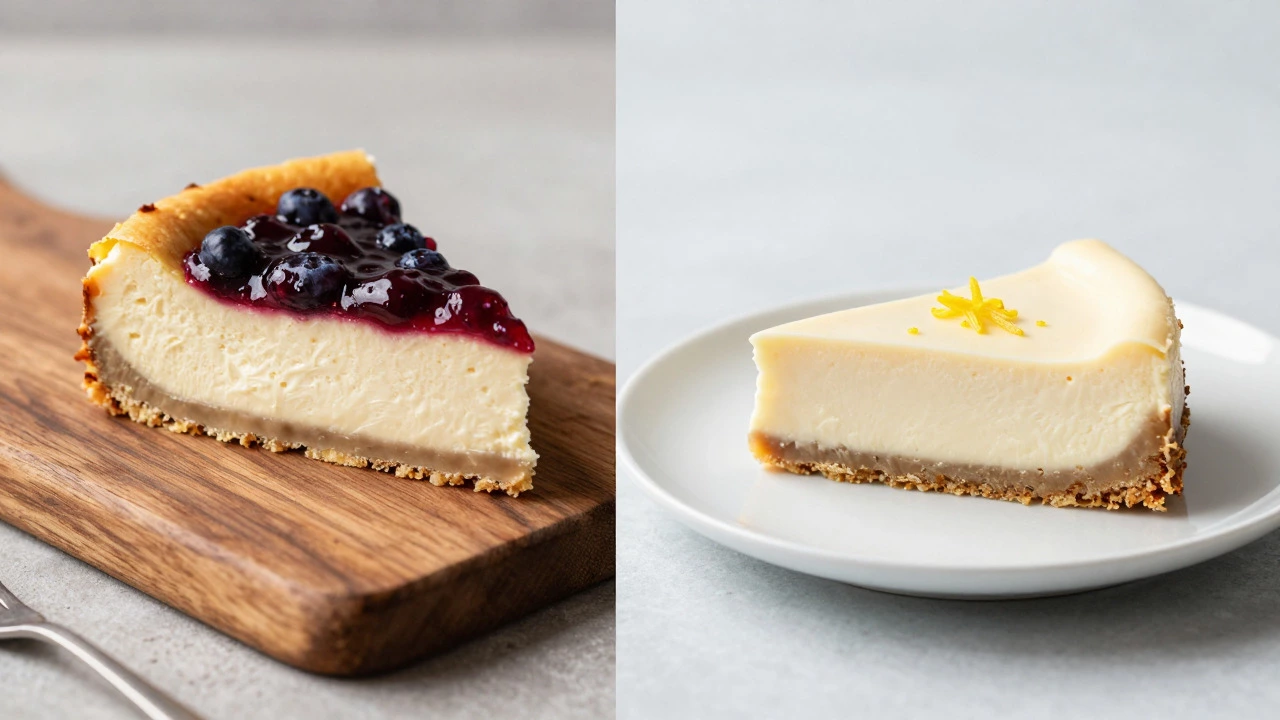
Which One Should You Make?
Your choice depends on your timeline and your palate. If you have a weekend ahead and want a show-stopping centerpiece for a formal dinner, go with the baked version. It feels more traditional and luxurious. However, if you’re hosting a last-minute barbecue or need a dessert that won’t make guests sweat in a hot kitchen, the continental style is superior. It requires zero oven space and keeps everyone cool.
Also consider dietary restrictions. While neither is naturally gluten-free unless modified, the continental version is easier to adapt for low-carb diets by swapping the crust for almond flour and using erythritol. The lack of eggs in the continental version also makes it suitable for certain vegan adaptations using agar-agar instead of gelatin, though true vegan baked cheesecakes exist too using tofu or cashews.
Serving and Storage Tips
Storage matters differently for each type. Baked cheesecake can last up to a week in the fridge, wrapped tightly to prevent it from absorbing odors. It can also be frozen for up to three months. Just thaw it in the fridge overnight. Continental cheesecake, due to its high water content and gelatin structure, doesn’t freeze as well. Freezing can cause the gelatin to break down, resulting in a watery mess upon thawing. Stick to eating it within four days.
When serving baked cheesecake, let it sit at room temperature for 15 minutes before slicing. This softens the density just enough for a cleaner cut. For continental cheesecake, wipe your knife with a warm, damp cloth between slices. The cold surface tends to stick to metal, so warmth helps glide through the mousse cleanly.
Can I substitute gelatin with something else in continental cheesecake?
Yes, you can use agar-agar for a vegan option, though it sets harder and faster than gelatin. Another alternative is to rely solely on very stiffly whipped heavy cream, but this requires precise timing and yields a softer set that may not hold up to heavy toppings.
Why does my baked cheesecake crack on top?
Cracking is usually caused by overmixing (incorporating too much air), baking at too high a temperature, or cooling too quickly. Using a water bath and cooling the cake inside the turned-off oven with the door cracked open are the best preventive measures.
Is continental cheesecake healthier than baked?
Not necessarily. While continental cheesecake lacks eggs, it often contains more sugar and sometimes added fats to compensate for the lack of structure. Both are high-calorie desserts. However, continental versions can be lighter in texture, leading people to eat smaller portions.
Do I need a springform pan for both types?
A springform pan is highly recommended for both. For baked cheesecake, it allows easy removal after cooling. For continental cheesecake, it prevents you from having to dig the cake out of a rigid pan, which would ruin the delicate mousse structure.
Can I make a hybrid of both styles?
You can! Some recipes bake the crust and part of the filling lightly, then chill it with a whipped cream topping. This gives you the structural integrity of a baked base with the airy texture of a continental top layer.