
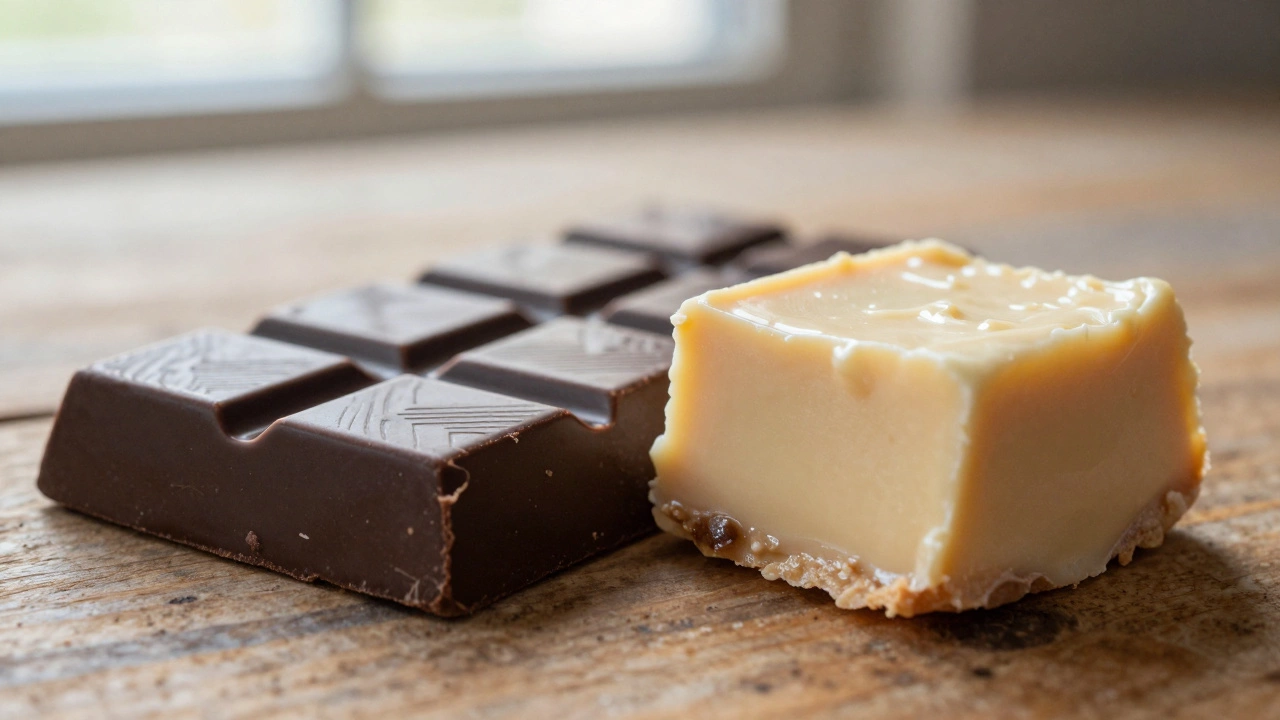
Fudge vs. Chocolate: The Health Showdown
Configure Your Treat
Traditional Fudge
The BaselineDark Chocolate
70% CocoaVerdict:
Calculate to see the winner.
You’re standing in the candy aisle. On one side sits a bar of dark chocolate, promising antioxidants and that deep, bitter-sweet satisfaction. On the other is a tin of creamy, dense fudge, looking like pure indulgence. Which one deserves your money-and your guilt-free conscience?
It’s a common dilemma for dessert lovers. We often assume that because chocolate comes from cocoa beans, it must be the "healthier" option by default. But when you look at how fudge is made versus how chocolate is processed, the answer isn’t as simple as pointing to the cocoa. The reality depends entirely on the specific ingredients used, the type of chocolate involved, and how much you actually eat.
The Nutritional Reality of Fudge
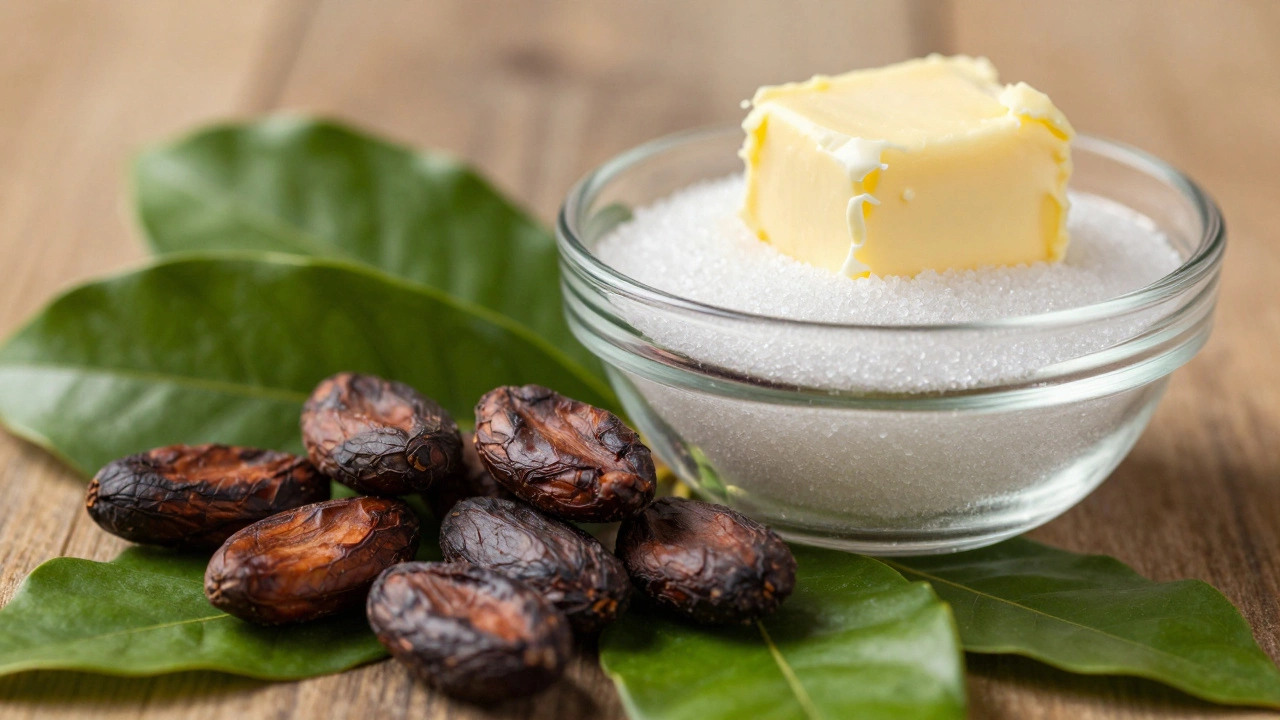
To understand if fudge is healthier, we first have to look at what it actually is. Traditional fudge is a crystalline candy made primarily from sugar, butter, and milk or cream. Sometimes it includes chocolate, but the base is dairy and sweetener.
Fudge is a soft, creamy confection characterized by its high sugar and fat content. Unlike hard candies, it relies on precise temperature control during cooking to achieve its signature texture.
A standard square of vanilla or chocolate fudge (about 15-20 grams) typically contains around 70 to 90 calories. More importantly, almost all of those calories come from sugar and saturated fats. There is virtually no fiber, protein, or micronutrients in traditional fudge unless you add mix-ins like nuts or dried fruit.
- Sugar: High. It’s the main structural ingredient.
- Fat: High. Butter and heavy cream provide the richness.
- Protein: Negligible. Milk solids contribute a tiny amount, but not enough to matter nutritionally.
- Fiber: Zero.
Because fudge lacks fiber and protein, it has a high glycemic index. This means it spikes your blood sugar quickly, leading to an energy crash shortly after eating it. If you are watching your weight or managing diabetes, traditional fudge is essentially empty calories.
The Nutritional Profile of Chocolate
Chocolate is more complex because it exists on a spectrum. You have white chocolate, milk chocolate, and dark chocolate. Each has a drastically different nutritional profile.
Dark chocolate, especially varieties with 70% cocoa or higher, is widely recognized for its health benefits. Cocoa beans are rich in flavonoids, specifically flavanols, which act as antioxidants. These compounds can help reduce inflammation, improve blood flow, and even lower blood pressure. Dark chocolate also contains iron, magnesium, and copper.
Milk chocolate, however, tells a different story. To make it palatable to a wider audience, manufacturers add significant amounts of sugar and milk powder. While it still contains some cocoa, the ratio of sugar to cacao is much higher than in dark chocolate. White chocolate contains no cocoa solids at all-just cocoa butter, sugar, and milk.
| Nutrient | Traditional Fudge | Dark Chocolate (70%) | Milk Chocolate |
|---|---|---|---|
| Calories | ~180 kcal | ~170 kcal | ~160 kcal |
| Sugar | ~20g | ~10g | ~14g |
| Saturated Fat | ~10g | ~9g | ~8g |
| Fiber | 0g | 3g | 1g |
| Antioxidants | None | High | Low |
As you can see, dark chocolate wins on nearly every metric except perhaps total calorie count, which is comparable. The fiber and antioxidants in dark chocolate slow down sugar absorption and provide cellular protection, making it a functional food in small doses.
Why Texture Matters for Satiety
Here is where things get tricky. Even if dark chocolate is nutritionally superior, human behavior plays a huge role in whether it’s "healthier" for *you*. Fudge is incredibly dense and rich. One small square feels substantial. It coats your mouth and triggers satiety signals relatively quickly due to the high fat content from butter and cream.
Chocolate bars, especially thin ones or chips, are easy to overeat. You might consume three squares of dark chocolate thinking you’re being healthy, only to realize you’ve eaten 500 calories and 30 grams of sugar. Fudge, because of its intense sweetness and density, often acts as a self-limiting treat. Most people stop after one or two pieces because they feel too full to continue.
This is known as the "palatability threshold." Highly processed sweets often push past this threshold, allowing us to consume massive amounts without feeling full. Fudge sits right on the edge-it’s rich enough to satisfy, but sweet enough to warn you to stop.
Can You Make Fudge Healthier?
If you love the texture of fudge but want to avoid the sugar spike, the good news is that fudge is highly adaptable. Unlike chocolate, which requires specific tempering techniques to maintain its structure, fudge is forgiving. You can swap ingredients to create a version that aligns better with your dietary goals.
- Use Natural Sweeteners: Replace refined white sugar with coconut sugar, maple syrup, or monk fruit. Coconut sugar has a lower glycemic index than white sugar, though it is still a sugar.
- Add Protein: Incorporate peanut butter, almond butter, or whey protein isolate into the mixture. This adds protein and healthy fats, slowing down digestion.
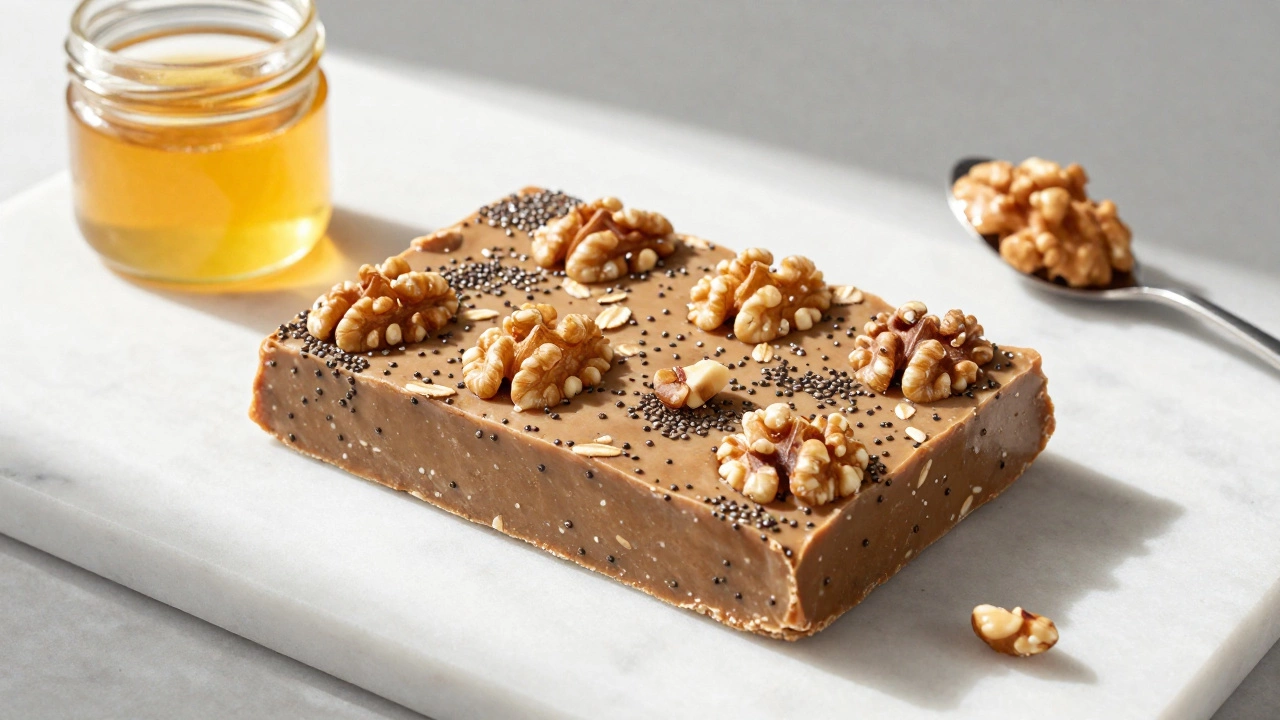
- Increase Fiber: Mix in chia seeds, flaxseeds, or chopped walnuts. These add crunch and fiber, which helps blunt the blood sugar response.
- Reduce Dairy Fat: Use Greek yogurt or evaporated skim milk instead of heavy cream. This cuts saturated fat significantly while maintaining creaminess.
For example, a "protein fudge" made with peanut butter, honey, and oats provides sustained energy rather than a quick crash. It transforms the treat from a guilty pleasure into a post-workout snack.
The Verdict: Which Should You Choose?
So, is fudge healthier than chocolate? In its traditional form, **no**. Dark chocolate is objectively more nutritious due to its antioxidant content, fiber, and lower sugar-to-cocoa ratio. If you are choosing between a bar of 85% dark chocolate and a tin of store-bought vanilla fudge, the chocolate is the clear winner for heart health and longevity.
However, context matters. If you are comparing traditional fudge to low-quality milk chocolate loaded with artificial flavors and excess sugar, the difference narrows. Both are high in sugar and fat. In that scenario, the choice becomes about preference and portion control.
Think of it this way: Dark chocolate is a supplement-like treat. It offers health benefits when consumed in moderation. Fudge is a comfort food. It offers emotional satisfaction and textural pleasure. Neither is "healthy" in the sense of a vegetable, but both can fit into a balanced diet if you manage your portions.
If you crave the fudge texture, don’t deprive yourself. Instead, modify the recipe. Make a small batch using dark chocolate chips, peanut butter, and a touch of honey. You get the best of both worlds: the antioxidants from the cocoa and the satisfying chew of the fudge.
Does fudge contain any vitamins or minerals?
Traditional fudge contains minimal vitamins or minerals. It is primarily composed of sugar, butter, and milk solids. While milk provides small amounts of calcium and vitamin D, the quantity in a typical serving of fudge is negligible compared to drinking a glass of milk. Any nutritional value usually comes from added mix-ins like nuts or chocolate chips.
Is dark chocolate really better for you than milk chocolate?
Yes. Dark chocolate has a higher percentage of cocoa solids, which are rich in flavonoids and antioxidants. Milk chocolate contains more sugar and less cocoa, reducing its antioxidant potential. For health benefits, choose dark chocolate with at least 70% cocoa content.
Can I eat fudge if I am diabetic?
Traditional fudge is not recommended for diabetics due to its high sugar content and lack of fiber. However, you can make diabetic-friendly fudge using sugar substitutes like erythritol or stevia, and adding high-fiber ingredients like nuts or seeds to slow glucose absorption. Always consult your doctor before making dietary changes.
What is the glycemic index of fudge?
The glycemic index (GI) of traditional fudge is high, likely above 70, similar to table sugar. This means it causes a rapid spike in blood sugar levels. Adding fats (like butter) and proteins (like nuts) can slightly lower the overall glycemic load of a meal, but the fudge itself remains a high-GI food.
How many calories are in a piece of fudge?
A standard 1-inch square of fudge (approximately 15-20 grams) contains between 70 and 90 calories. Larger pieces or fudge with added ingredients like caramel or extra nuts will have higher calorie counts. It is easy to consume 300+ calories if you eat several pieces.