
Key Takeaways for Better Baking
- Use a pinch of salt to activate sweetness.
- Freshly ground spices beat pre-ground powders every time.
- Warm spices need a fat source (like butter) to bloom.
- Less is more; a hint of spice should support the chocolate or vanilla, not overpower it.
The Salt Secret: The Most Important 'Spice'
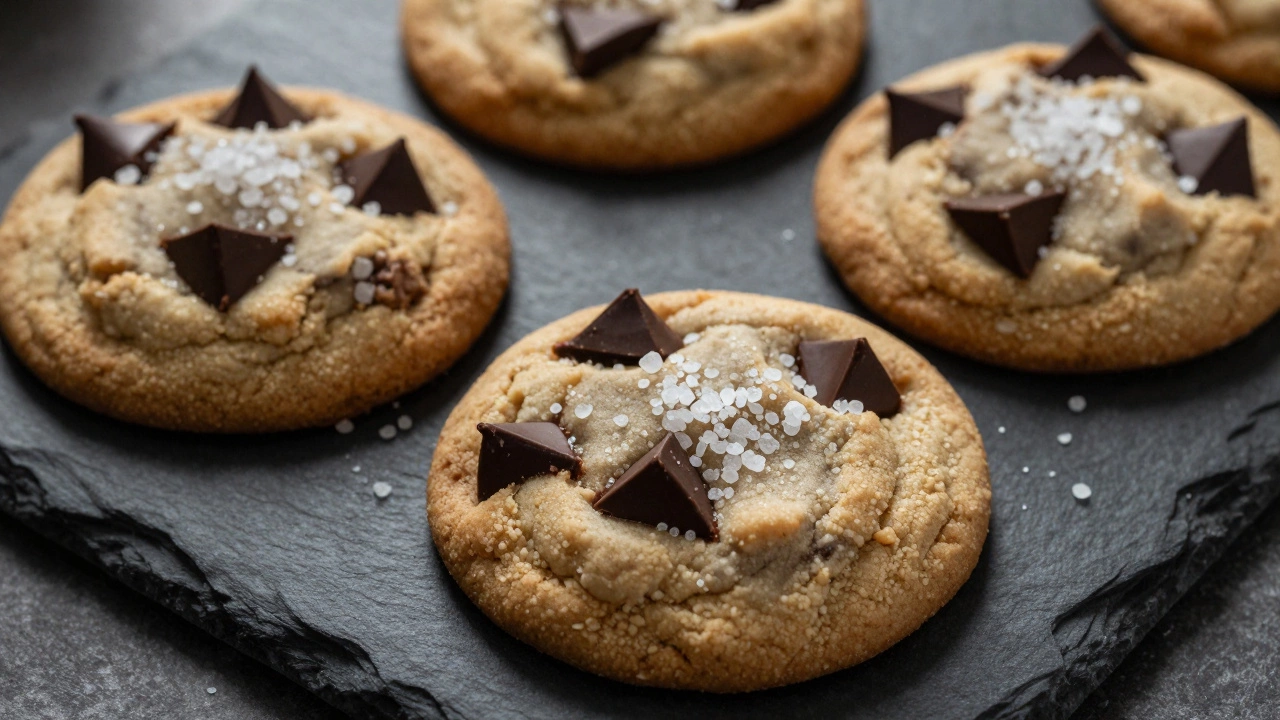
Before we even touch the cinnamon or ginger, we have to talk about salt. In the world of homemade cookies, salt isn't just for savory food; it's a flavor enhancer. Ramsay often emphasizes the use of Sea Salt or Fleur de Sel. Why? Because table salt is one-dimensional. Flaky sea salt provides a burst of mineral flavor that breaks up the richness of the butter.
If you're making a chocolate chip cookie, adding a sprinkle of Maldon salt on top right after they come out of the oven creates a contrast. This prevents the cookie from tasting like a sugar bomb and instead makes the chocolate taste deeper and more complex. It's the difference between a snack that makes you thirsty and one that makes you want another bite.
Warming the Palate: Cinnamon and Nutmeg
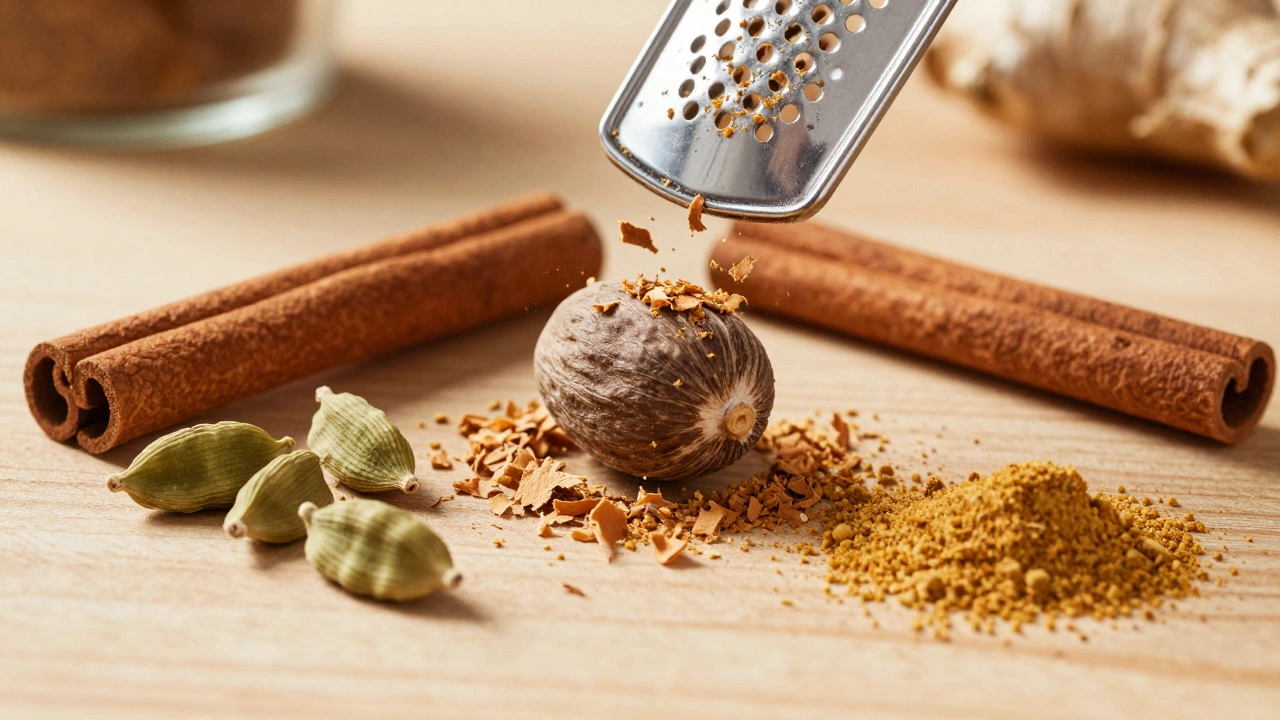
For those classic, cozy flavors, Ramsay leans into the 'warm' category. Cinnamon is the heavy hitter here. However, the pro move is using Ceylon Cinnamon (the 'true' cinnamon) rather than the common Cassia variety. Ceylon is milder and more citrusy, which prevents the cookie from tasting like a candle.
Then there's Nutmeg. You won't see a lot of it, but a tiny pinch of freshly grated nutmeg in a sugar cookie or a shortbread adds an earthy, nutty undertone. If you use pre-ground nutmeg from a jar, it often tastes dusty. Grating it fresh from the whole seed is where the magic happens. It adds a hidden layer of sophistication that makes people ask, "What is that flavor?" without being able to name it.
The Zest and the Kick: Cardamom and Ginger
When Ramsay moves away from the basics, he looks for brightness. Cardamom is a secret weapon for high-end baking. It has a floral, almost eucalyptus-like quality. In a white chocolate or lemon cookie, a tiny amount of ground cardamom elevates the sweetness into something elegant.
For a bit of heat, Ginger is the go-to. But here's the catch: he often combines ground ginger with a bit of fresh ginger juice or zest. The ground version provides the steady base, while the fresh version provides the "zing." This duality is a hallmark of professional cooking-combining a dried version of a spice for depth and a fresh version for vibrancy.
| Spice | Best For... | Pro Tip | Flavor Profile |
|---|---|---|---|
| Sea Salt | Chocolate Chip | Apply after baking | Mineral / Contrast |
| Ceylon Cinnamon | Oatmeal / Snickerdoodles | Bloom in melted butter | Sweet / Woody |
| Nutmeg | Butter Cookies | Grate fresh from seed | Earthy / Warm |
| Cardamom | White Chocolate / Citrus | Use sparingly | Floral / Citrusy |
| Ginger | Molasses / Spice Cookies | Mix ground and fresh | Spicy / Sharp |
The Technique: How to 'Bloom' Your Spices
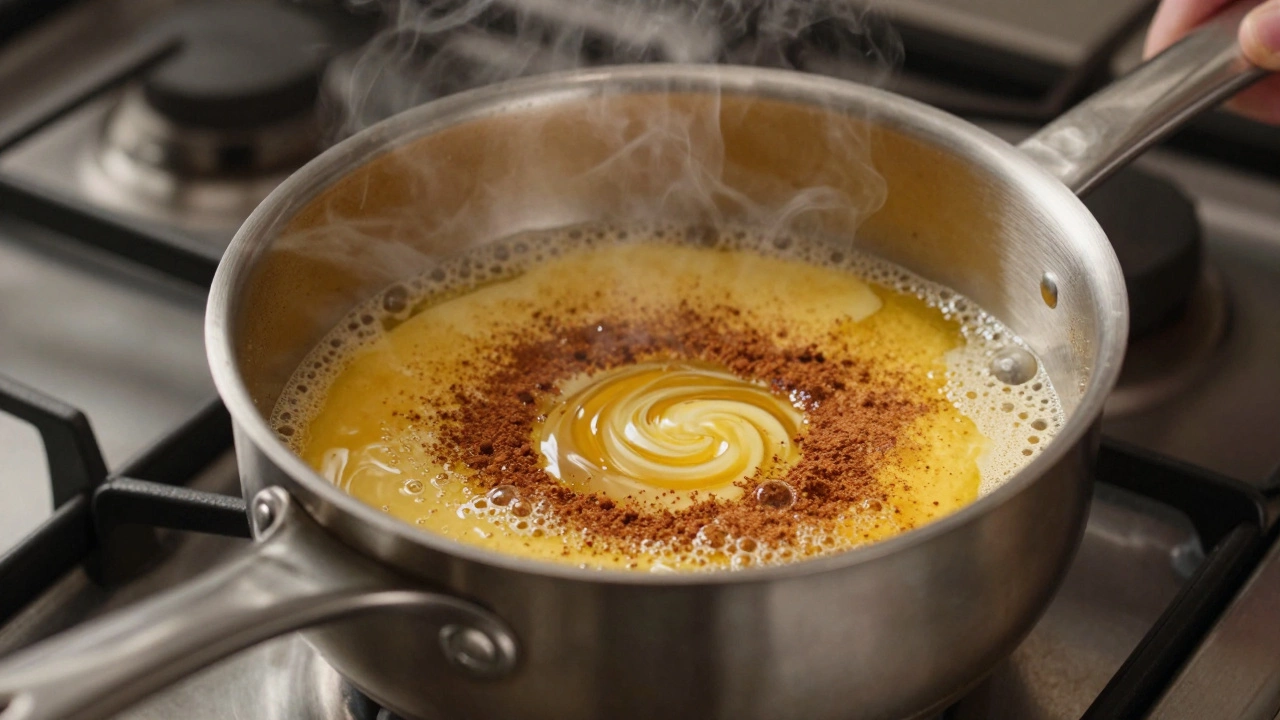
Using the right spice is only half the battle; how you introduce them to the dough matters just as much. One trick used in professional kitchens is "blooming." Instead of just mixing cinnamon or ginger into the dry flour, you stir them into the melted butter or creamed fat first.
Spices are fat-soluble, meaning their flavor compounds are released and intensified when heated with fat. By sautéing your spices in butter for 30 seconds before adding other ingredients, you unlock a much more potent aroma. This is why a restaurant cookie often tastes more "intense" than one made by simply stirring powders into a bowl.
Common Mistakes to Avoid
A huge mistake home bakers make is over-spicing. When you use too much cinnamon or ginger, you lose the flavor of the butter and vanilla, and the cookie starts to taste like a spice cake. The goal is a background note, not a lead singer. Always taste your batter (if safe) or a small test cookie before committing to a giant batch.
Another pitfall is using old spices. Spices don't necessarily "go bad" in a way that makes you sick, but they lose their volatile oils. If you smell your cinnamon and it doesn't hit you immediately, it's useless. Replace your baking spices every six months to ensure your cookies have that professional punch.
Building a Professional Spice Pantry
If you want to bake like a pro, stop buying the pre-mixed "pumpkin spice" or "apple pie" blends. These are often filled with flour or cornstarch as fillers. Instead, buy the individual components. By controlling the ratio of cinnamon to cloves or ginger to allspice, you can tweak the flavor to suit your specific recipe.
Start with high-quality vanilla bean paste instead of extract. While not a spice in the traditional sense, Vanilla Bean Paste provides the seeds and the concentrated flavor that act as the foundation for all other spices. Without a strong vanilla base, your spices will feel disconnected from the sweetness of the cookie.
Can I use ground cinnamon instead of Ceylon cinnamon?
Yes, you can. Most store-bought cinnamon is Cassia. It's stronger and a bit more "spicy." If you use it, just reduce the amount slightly so it doesn't overpower the other ingredients in your cookies.
Why does Gordon Ramsay use salt on sweet cookies?
Salt acts as a chemical foil to sugar. It suppresses bitterness and enhances the perception of sweetness, making the overall flavor profile more balanced and less cloying.
What is the best way to store spices for baking?
Keep them in airtight containers in a cool, dark place. Avoid storing them directly above the stove or oven, as the heat and steam can degrade the essential oils and make them lose flavor faster.
Does the type of butter affect how spices taste?
Absolutely. Unsalted butter allows you to control the salt levels precisely. Using a high-fat European-style butter provides more "carrier' molecules" for the spices, resulting in a richer, more aromatic cookie.
How do I know if my spices have lost their potency?
The "rub test" is best. Put a small amount of the spice in your palm and rub it with your other thumb. If the aroma isn't strong and immediate, the spice is spent and should be replaced.
Next Steps for Your Baking Journey
If you're just starting out, don't try to use every spice listed here at once. Start by mastering the salt-to-sugar balance in a basic chocolate chip recipe. Once that feels natural, try adding a pinch of cinnamon to a batch of oatmeal cookies to see how the flavor shifts.
For those who want a challenge, try the "blooming" technique with cardamom in a sugar cookie. Notice how the aroma fills the room more than it would if you just mixed the powder in. The path to professional baking isn't about complicated recipes; it's about mastering these small, sensory details.