Italian Pasta Etiquette & Portion Calculator
Have you ever watched an Italian dinner scene in a movie and noticed something odd? Maybe the way they twirl the fork, or the fact that nobody cuts their spaghetti. It feels different, doesn't it? There is a rhythm to eating in Italy that goes beyond just hunger. It is about respect for the food, the company, and centuries of tradition.
If you are wondering how Italians eat pasta, you are asking more than a question about utensils. You are asking about a cultural code. And yes, even though this guide focuses on pasta, we cannot talk about an Italian meal without mentioning its grand finale: dessert. Specifically, we need to touch on why Tiramisu is the quintessential Italian coffee-flavored dessert that often follows a heavy pasta course.
The First Rule: Pasta Is Never Boiled Alone
Let’s start with the basics. In many households outside of Italy, people boil pasta, drain it completely, and then add sauce. This is a mistake. Italians call this "scottare" (to scald) the pasta, and it ruins the texture.
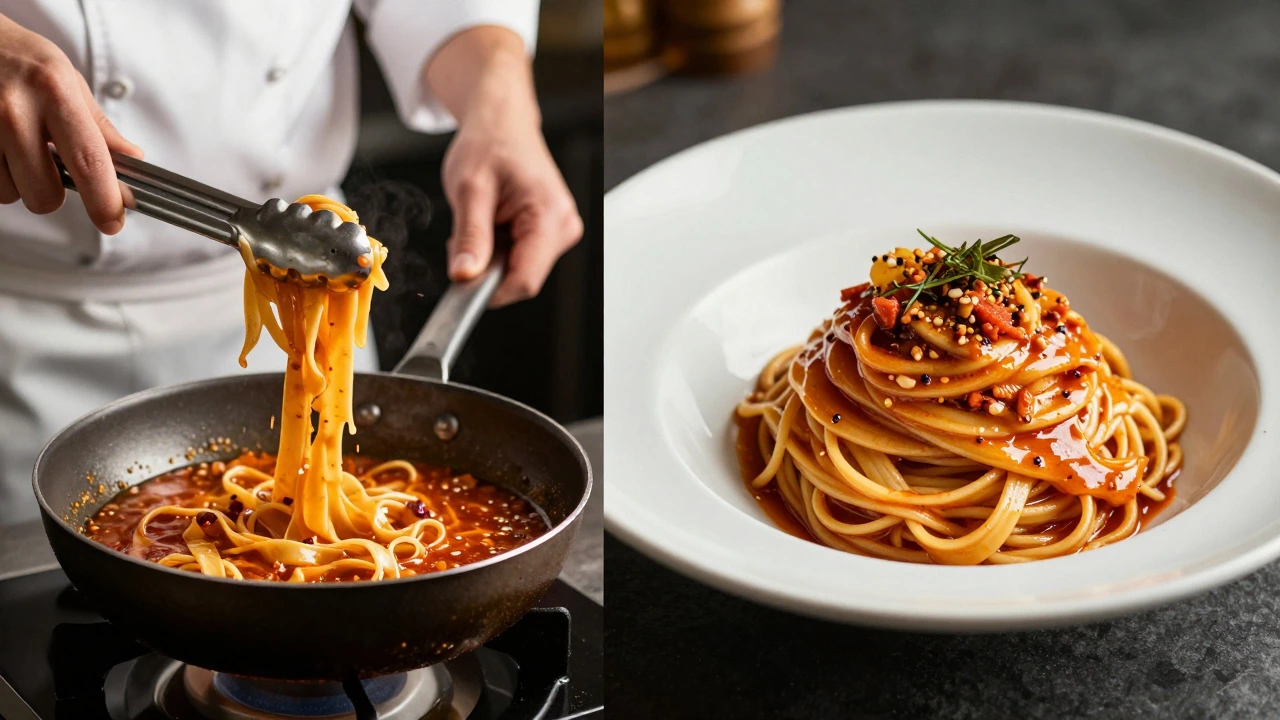
Here is what actually happens in an Italian kitchen. The pasta cooks in salted water until it is almost done-usually one minute less than the package says. Then, using tongs, the cook transfers the pasta directly into the pan with the sauce. A splash of the starchy cooking water joins them. Why? Because that starch acts as an emulsifier. It helps the oil, cheese, and tomato bind together into a creamy coating that clings to every strand or shape.
This technique is called mantecatura. It is the secret to why restaurant pasta tastes better than home-cooked versions. Without that final minute in the pan, the sauce sits on top of the pasta instead of becoming part of it. When you serve it, the pasta should be glossy, not dry.
Fork Mechanics: Twirling vs. Cutting
Now, let’s talk about your hands. Or rather, your fork. If you see someone cutting spaghetti with a knife, you know they are not from Italy. Long pasta like spaghetti, linguine, or bucatini is meant to be twirled.
Here is the proper form:
- Take a small bite-sized amount of pasta on your fork.
- Rest the fork against the side of your plate or bowl.
- Use a spoon (optional but common) or the back of another fork to gently rotate the pasta around the tines.
- Lift and eat.
You might hear people say you shouldn’t use a spoon. That is true for formal settings in Rome or Florence, where only a fork is used. But in Naples, or at a family Sunday lunch, a spoon is perfectly acceptable to help manage the strands. The key is control. No slurping. No messy drips. Just clean, efficient bites.
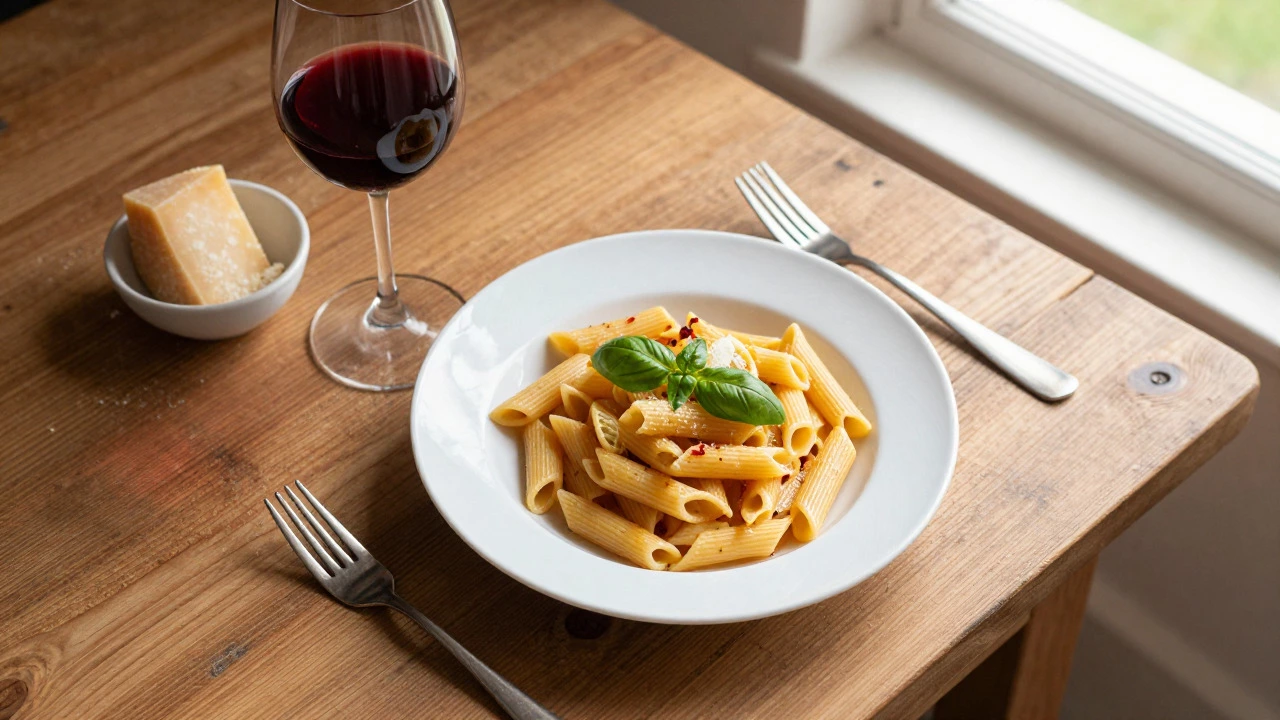
What about short pasta? Shapes like penne, rigatoni, or farfalle are eaten differently. You spear them with the fork. Sometimes, if the pieces are large, you might tilt the plate slightly to help slide them onto the fork, but you never cut them. Ever. Cutting pasta is seen as disrespectful to the chef who shaped it by hand or machine.
The Cheese Controversy
This is where things get heated. Literally. Can you put Parmesan cheese on your pasta? Yes. But not always.
In Northern Italy, cheese is king. Grana Padano or Parmigiano-Reggiano is sprinkled generously over meat ragùs, butter-based sauces, and simple olive oil dishes. But in Southern Italy, especially in coastal regions, seafood pasta is a sacred category. Putting hard cheese on fish or shellfish is considered a culinary crime. The delicate flavor of the seafood clashes with the salty, sharp punch of aged cheese.
So, here is the rule of thumb:
- Meat or Vegetable Sauces: Cheese is welcome. Use freshly grated Parmigiano-Reggiano, not the pre-shredded stuff in the green can. That powder contains anti-caking agents that prevent melting.
- Seafood Sauces: No cheese. Use lemon zest, fresh parsley, or a drizzle of high-quality extra virgin olive oil instead.
- Cream-Based Sauces: Usually no additional cheese, as the sauce already contains dairy. Adding more can make it greasy.
Portion Sizes and Pacing
Italians do not rush through dinner. A pasta course, known as primo, is meant to be savored. The standard portion size is between 80 and 100 grams per person for dried pasta. Fresh pasta is lighter, so portions might be slightly larger, around 120 grams.
Notice that pasta is rarely the main event. It is the first course. After pasta, you might have a secondo (meat or fish) with vegetables, followed by fruit or dessert. This structure means you don’t need a massive plate of carbs to feel full. You eat smaller portions of higher quality ingredients. This pacing allows the flavors to register without overwhelming your palate.
From Pasta to Tiramisu: The Sweet Finish
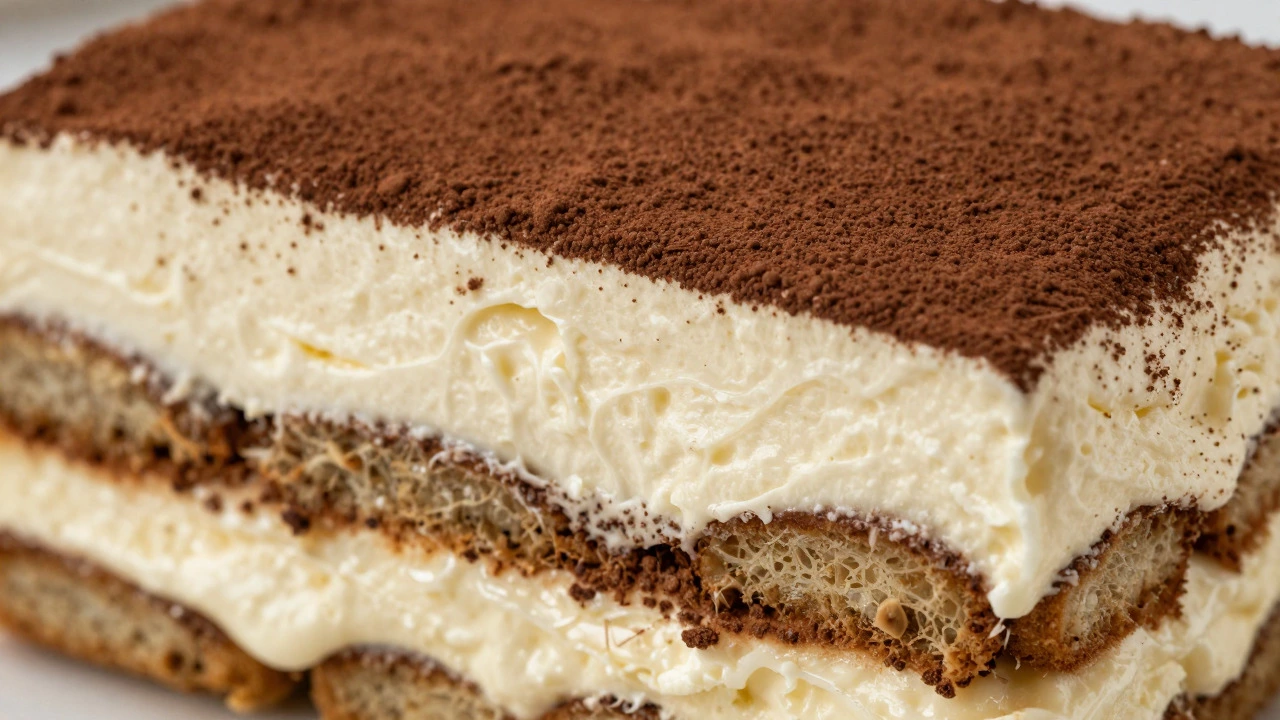
We started with pasta, but an Italian meal isn’t complete without dessert. And while there are hundreds of options, few are as iconic as Tiramisu is a no-bake dessert made with ladyfingers soaked in espresso, layered with mascarpone cream, and dusted with cocoa powder.
Why mention Tiramisu in a pasta article? Because it represents the same philosophy: simplicity and quality. Just as pasta relies on good flour, eggs, and sauce, Tiramisu relies on four key ingredients:
- Espresso: Strong, hot coffee. Not instant, not weak. The bitterness balances the sweetness.
- Mascarpone: A rich, creamy Italian cheese. It provides the luxurious texture without needing whipped cream.
- Ladyfingers (Savoiardi): Dry, sponge-like biscuits that absorb the coffee without turning to mush.
- Cocoa Powder: Unsweetened, sifted finely over the top for a bitter finish.
Tiramisu was invented in the Treviso region of Veneto in the 1960s or 70s. Its name translates to "pick me up," referring to the energy boost from the coffee and sugar. It is the perfect antidote to a heavy pasta meal because it is served cold and light, despite being rich in calories. Unlike cake, which requires baking, Tiramisu is assembled. It shows that Italian cuisine values technique and ingredient integrity over complex processes.
Common Mistakes Tourists Make
If you are traveling to Italy or trying to host an authentic dinner at home, avoid these pitfalls:
| Mistake | Why It’s Wrong | Authentic Approach |
|---|---|---|
| Rinsing pasta after draining | Washes away starch needed for sauce adhesion | Save starchy water; mix pasta directly with sauce |
| Adding garlic to tomato sauce | Traditional Neapolitan pizza/pasta sauce uses only tomatoes, basil, and olive oil | Use raw garlic in oil separately, or skip it for classic red sauce |
| Ordering cappuccino after lunch | Milk interferes with digestion of heavy meals; reserved for breakfast | Drink espresso after dinner; save cappuccino for morning |
| Putting ketchup on pasta | Ketchup masks the flavor of fresh tomatoes and herbs | Use fresh San Marzano tomatoes and basil |
Another big no-no is asking for extra sauce on the side. In Italy, the sauce is integrated into the dish. Asking for it separately suggests the chef didn’t balance the flavors correctly. Trust the cook. If it looks dry, remember the mantecatura step-it will loosen up as you eat.
The Social Aspect of Eating
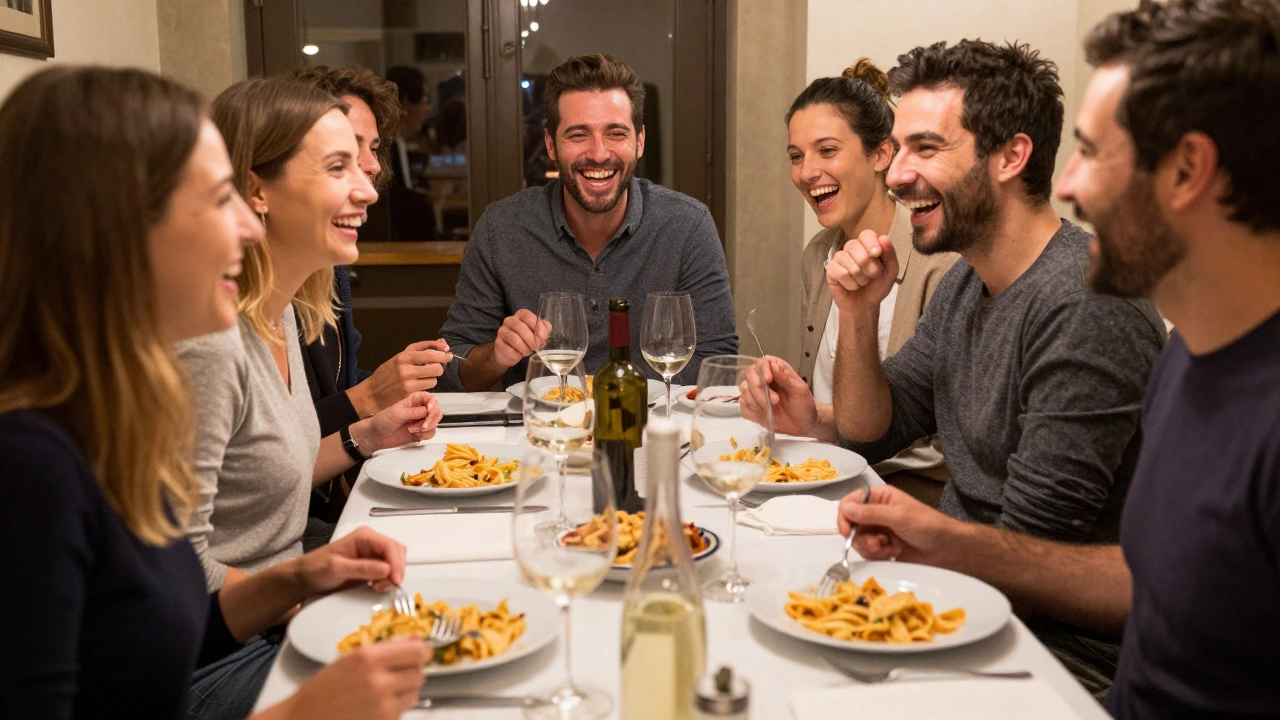
Eating in Italy is social. You don’t scroll through your phone at the table. You talk. You laugh. You argue. The meal is an event, not fuel. This mindset changes how you chew and swallow. You take smaller bites to keep the conversation flowing. You wait for everyone to be served before starting. You raise your glass for a toast (salute!) before taking the first sip of wine.
Wine pairing is also crucial. Red wine with meat-based pasta, white wine with seafood or cream-based pasta. The acidity of the wine cuts through the richness of the cheese and oil. It cleanses the palate for the next bite. This attention to detail elevates the experience from mere sustenance to pleasure.
Final Thoughts on Italian Dining
Learning how Italians eat pasta is about slowing down. It is about respecting the ingredients. Whether you are twirling spaghetti in Rome or digging into a slice of Tiramisu in Venice, the goal is the same: enjoyment. Don’t worry about getting every detail perfect. Italians are forgiving. They value passion and presence over perfection. So, grab your fork, save some starchy water, and enjoy the meal.
Should I rinse my pasta after boiling?
No, never rinse your pasta unless you are making a cold pasta salad. Rinsing washes away the starch that helps the sauce stick to the noodles. Instead, reserve a cup of the starchy cooking water to help emulsify your sauce when you toss the pasta in the pan.
Is it okay to use a spoon to eat spaghetti?
Yes, it is acceptable, especially in casual settings or in certain regions like Naples. While traditional etiquette in Rome suggests using only a fork, many Italians use a spoon to help twirl the pasta neatly. The most important thing is to avoid cutting the noodles with a knife.
Can I put Parmesan cheese on seafood pasta?
Generally, no. In Italian cuisine, adding hard cheese like Parmigiano-Reggiano to seafood dishes is considered a faux pas. The strong, salty flavor of the cheese overwhelms the delicate taste of the fish or shellfish. Use lemon juice, parsley, or olive oil instead.
What is the origin of Tiramisu?
Tiramisu originated in the Veneto region of Northern Italy, specifically around Treviso, in the late 1960s or early 1970s. Several restaurants claim to have invented it, but it quickly became a national favorite due to its simple ingredients: espresso, mascarpone, eggs, sugar, and ladyfingers.
How much pasta should I cook per person?
For dried pasta, the standard Italian portion is 80 to 100 grams per person. For fresh pasta, which is lighter and absorbs more sauce, you can increase this to 120 grams per person. Remember that pasta is usually a first course, followed by other dishes, so portions are moderate.
Why do Italians add water to their pasta sauce?
They don’t add plain water; they add the starchy water from boiling the pasta. This liquid, often called "liquid gold," contains starch that helps bind the fat (oil or butter) and water-based components of the sauce together. This process, called mantecatura, creates a creamy, cohesive sauce that coats the pasta evenly.
Is Tiramisu baked?
No, Tiramisu is a no-bake dessert. It is assembled by layering coffee-soaked ladyfingers with a mixture of beaten eggs, sugar, and mascarpone cheese. It must be refrigerated for several hours, preferably overnight, to allow the flavors to meld and the structure to set.
What wine pairs best with pasta?
The pairing depends on the sauce. Light tomato or seafood pairings go well with crisp white wines like Pinot Grigio or Vermentino. Heavier meat ragùs or cream sauces pair better with medium-bodied reds like Chianti or Sangiovese. The acidity in the wine helps cut through the richness of the dish.