Vegan Hummus Flavor Checker
Grab a pita chip. Dip it in that creamy, beige bowl of goodness. It tastes like comfort. But if you are navigating the world of plant-based eating, you might have paused mid-bite. You look at the label, or maybe you just remember hearing something about dairy in savory dips. The question pops up: is hummus for vegans? It seems silly to ask. Chickpeas are plants. Garlic is a plant. Olive oil comes from trees. So, what could possibly be wrong?
The short answer is yes. Traditional hummus is absolutely vegan. In fact, it is one of those rare foods that fits almost every dietary restriction without needing a special "vegan" version. You don't need to hunt down a specific brand labeled "plant-based" because the original recipe never included animals in the first place.
The Anatomy of Classic Hummus
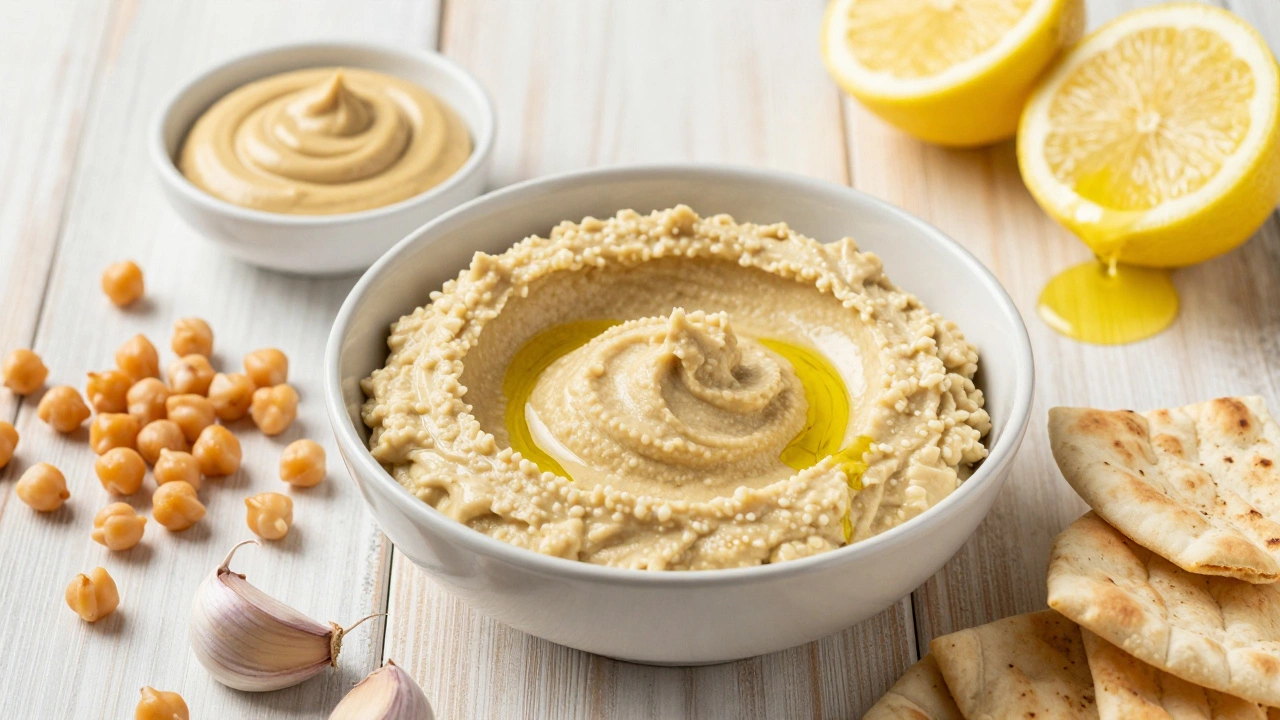
To understand why this dip is so safe for your diet, we have to look at what actually goes into it. The word "hummus" literally translates to "chickpeas" in Arabic. That tells you the star ingredient right off the bat. A standard jar or homemade batch relies on four main pillars:
- Chickpeas (Garbanzo beans): These legumes provide the bulk and protein. They are grown in fields, harvested, and canned or dried. No cows involved.
- Tahini: This is sesame seed paste. It gives hummus its signature creaminess and nutty depth. Sesame seeds are plants. While some people worry about cross-contamination with honey (since bees love flowers), tahini itself is strictly seeds and oil.
- Lemon Juice: Freshly squeezed or bottled. Citrus fruit provides acidity to cut through the richness of the sesame paste.
- Olive Oil: Pressed from olives. It adds mouthfeel and health benefits.
You usually add garlic, salt, and sometimes cumin. Every single one of these ingredients is derived directly from the earth. There is no butter, no sour cream, no yogurt, and certainly no cheese. If you make this at home, you are 100% guaranteed a vegan product.
Where Things Get Complicated: Store-Bought Traps
Here is where the confusion starts. If you walk into a grocery store, especially in the United States or Canada, you will see dozens of brands. Most are fine. But food manufacturers love to experiment, and sometimes they mess with the formula in ways that break vegan rules.
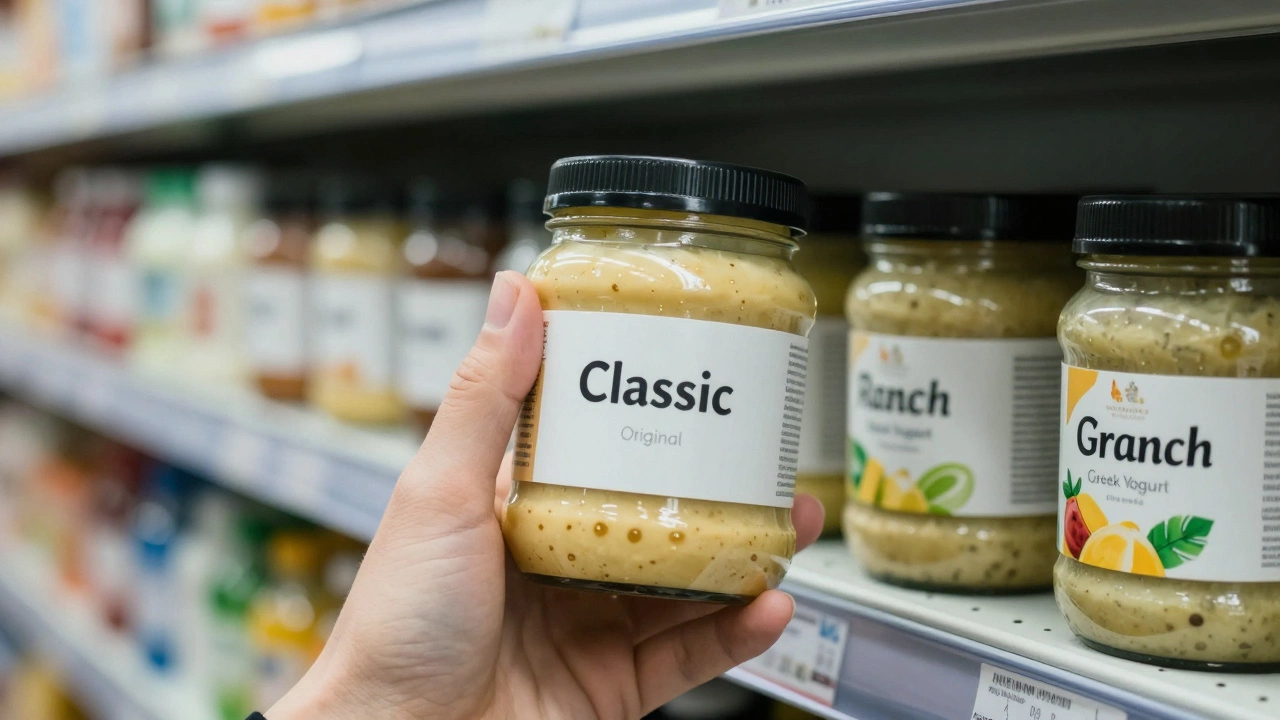
The biggest culprit? Flavor variations. Plain hummus is almost always safe. But once you start seeing words like "Ranch," "Buffalo," "Smoked Gouda," or "Greek Yogurt" on the label, you need to stop and read the fine print.
Some brands try to mimic the tanginess of dairy by adding whey powder or casein. Others might use natural flavors that contain hidden animal derivatives. For example, a "Creamy Herb" hummus might sound innocent, but if it uses real parmesan cheese for garnish or flavoring, it is out. Always check the allergen statement. If it says "Contains Milk," put it back on the shelf.
| Flavor Type | Typical Ingredients | Vegan Safe? |
|---|---|---|
| Classic / Original | Chickpeas, Tahini, Lemon, Garlic | Yes |
| Rosemary & Garlic | Herbs, Olive Oil, Base Mix | Yes |
| Buffalo | Hot Sauce, Sometimes Butter Powder | Check Label (Often No) |
| Ranch | Dairy Powders, Buttermilk Solids | No |
| Roasted Red Pepper | Peppers, Vinegar, Base Mix | Yes |
| Spinach & Artichoke | Vegetables, Sometimes Cheese Blend | Check Label (Often No) |
The Honey Question
This is a niche debate, but it matters to strict vegans. Some artisanal or gourmet hummus brands sweeten their blends with honey instead of sugar. Why? Because honey pairs surprisingly well with roasted garlic or fig flavors. To a casual eater, it’s just "sweetener." To a vegan, honey is an animal product produced by bees.
If you avoid honey, look for agave nectar, maple syrup, or cane sugar in the ingredient list. Most mass-market brands use high-fructose corn syrup or plain sugar, which are vegan-friendly. But that fancy little jar at the farmers' market? Read the label.
Why Hummus Fits Perfectly Into Vegan Desserts
Wait, did I say desserts? Yes. You might be wondering how a savory dip connects to Vegan Desserts. It’s all about texture and fat content. Hummus is essentially a puree of legumes and seeds. It is dense, creamy, and neutral enough to carry other flavors.
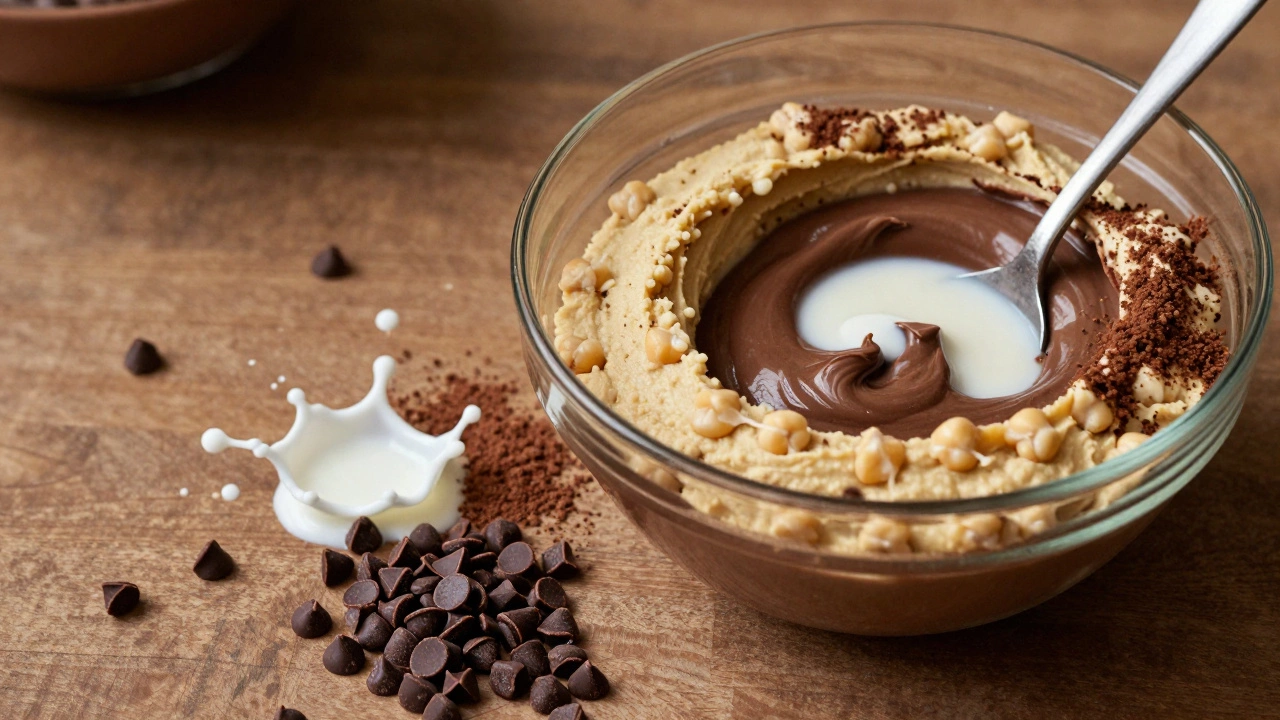
Chef-driven vegan baking often uses black bean brownies or avocado chocolate mousse. Hummus works similarly. You can blend white chickpea hummus with cocoa powder, vanilla extract, and maple syrup to create a rich, fudge-like base. The tahini adds a nuttiness that mimics peanut butter or almond flour, while the chickpeas provide structure without gluten.
Try this simple swap next time you are craving something sweet: Take half a cup of plain hummus, mix it with two tablespoons of cocoa powder and a splash of almond milk. Microwave it for thirty seconds. Stir in some dark chocolate chips. You have a quick, protein-packed truffle base. It sounds weird until you taste it. Then you realize that creamy texture you loved in the dip is now working magic in your dessert.
Nutritional Benefits Beyond Being Vegan
Being vegan isn't just about excluding meat; it's often about including nutrient-dense plants. Hummus delivers on both fronts. A typical serving (half a cup) offers around 100-140 calories, depending on the olive oil content. More importantly, it packs about 5 grams of protein and 4 grams of fiber. That combination keeps you full longer than a cracker alone ever could.
The tahini contributes calcium and iron. Chickpeas are loaded with folate and manganese. Olive oil brings heart-healthy monounsaturated fats. When you pair this with whole-grain pita or raw veggies, you have a balanced mini-meal. It is far superior to many processed snacks that claim to be healthy but are mostly empty carbs.
Making It Yourself: Total Control
If you want to guarantee your hummus is vegan, organic, and free from preservatives, making it takes less than ten minutes. You need a food processor. Throw in a can of rinsed chickpeas, half a cup of good quality tahini, the juice of one lemon, two cloves of garlic, and a pinch of salt. Add ice water one tablespoon at a time while blending. This trick emulsifies the mixture, making it incredibly smooth and fluffy rather than gritty.
By controlling the process, you avoid hidden sugars, excessive sodium, or questionable additives. You also save money. A jar of store-bought hummus costs anywhere from $4 to $8. Making it at home costs less than $2 per batch. Plus, you can customize it. Want it spicier? Add more garlic. Want it richer? Use extra virgin olive oil drizzled on top.
Conclusion: Enjoy Without Worry
So, go ahead and grab that dip. Whether you are hosting a party, packing a lunch, or looking for a base for your next vegan baking experiment, hummus is your friend. Just keep an eye on those fancy flavored jars. Stick to the classics, or make your own, and you will never have to worry about accidentally breaking your diet. It is simple, delicious, and completely plant-powered.
Is all hummus vegan?
Most traditional hummus is vegan, but not all varieties are. Flavored versions like Ranch, Buffalo, or those containing cheese or yogurt are not vegan. Always check the ingredient list for dairy products like whey, casein, or buttermilk.
Does hummus contain eggs?
No, traditional hummus does not contain eggs. It is made from chickpeas, tahini, lemon juice, garlic, and olive oil. However, some fusion recipes or commercial brands might add egg whites for texture, so checking the label is wise if you have an allergy.
Can I use hummus in vegan desserts?
Yes! Plain chickpea hummus has a neutral flavor and creamy texture that works well in desserts. It can be blended with cocoa powder, vanilla, and sweeteners to make chocolate mousse, brownie batter, or energy balls.
Is tahini vegan?
Yes, tahini is made from ground sesame seeds and is naturally vegan. It is a key ingredient in hummus that provides creaminess and a nutty flavor without using any animal products.
Why do some hummus brands cost more?
Higher-priced hummus often uses premium ingredients like cold-pressed olive oil, organic chickpeas, or fresh-squeezed lemon juice instead of concentrates. Artisanal brands may also use smaller batches and higher-quality tahini, affecting the final price.