Milky Way Cookie Gender Stereotype Checker
Does your recipe fit the stereotype? Or does it break the mold? Analyze your cookie's characteristics below.
Flavor & Texture Analysis
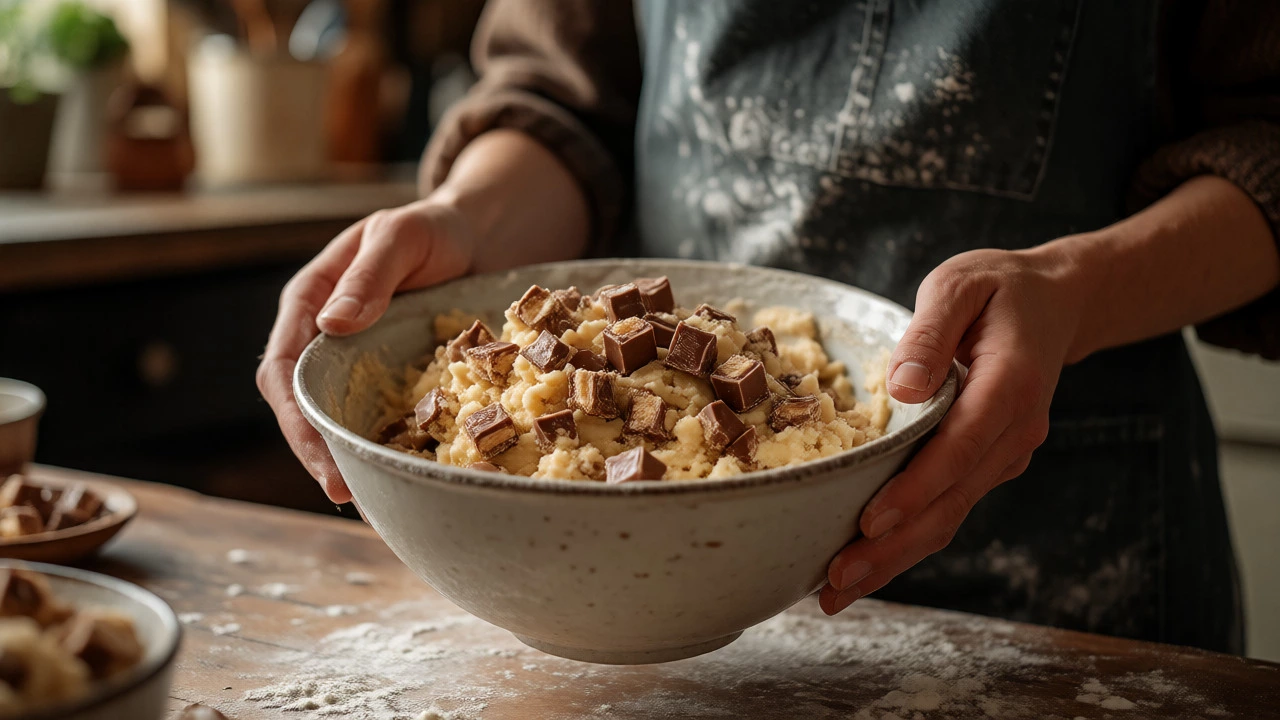
You’re standing in your kitchen, flour on your apron, staring at a batch of Milky Way chocolate bars that have been chopped up and folded into cookie dough. A friend walks in, sees them, and asks, "Are these for the girls?" You pause. Why would a candy bar named after our galaxy imply a specific gender? It’s a question that pops up more often than you’d think, usually over a plate of warm, gooey treats. The short answer is no, a Milky Way cookie isn't inherently a "girl's" cookie. But the long answer involves marketing history, linguistic quirks, and the weird way we assign gender to food.
This confusion usually stems from the name itself. "Milky" sounds soft, sweet, and traditionally feminine in some cultural contexts. Meanwhile, dark chocolate or coffee-flavored cookies get coded as "masculine" or "serious." But does the name dictate who should eat it? Absolutely not. Let’s break down why this question exists, what makes a Milky Way cookie distinct, and how to make the best version of it without worrying about gender stereotypes.
The Name Game: Why We Assign Gender to Food
Food labeling has always been a mess of stereotypes. Think about it: pink packaging for yogurt, blue for protein powder. When Mars Inc. released the Milky Way candy bar in 1923, they weren’t thinking about gender politics. They were thinking about texture. The name was chosen to evoke smoothness and creaminess, qualities associated with milk. Over time, however, society started coding "sweet" and "creamy" as feminine traits, while "bitter," "crunchy," or "intense" became masculine markers.
This isn’t just a hunch. Marketing studies show that women are still targeted more heavily for confectionery advertising, especially those involving caramel and nougat-key ingredients in a Milky Way. So when someone asks if a Milky Way cookie is for girls, they’re unconsciously repeating a century of advertising tropes. But here’s the thing: taste buds don’t have genders. If you like caramel, nougat, and milk chocolate, you belong in the Milky Way club, regardless of whether you identify as male, female, or non-binary.
In my own kitchen in Halifax, I’ve seen dads fight their kids for the last Milky Way cookie. I’ve seen teenage boys devour them faster than anyone else. The idea that these cookies are exclusively for women is a myth that dies hard because it’s easier to categorize snacks than to admit everyone loves sugar.
What Exactly Is a Milky Way Cookie?
Before we settle the identity crisis, let’s define the entity. A Milky Way Cookie is a homemade dessert that incorporates pieces of the Milky Way candy bar into a standard chocolate chip or brown butter cookie base. It’s not a standardized commercial product like an Oreo; it’s a DIY creation. This means the "gender" of the cookie depends entirely on the baker’s choices.
There are two main types of Milky Way cookies people bake:
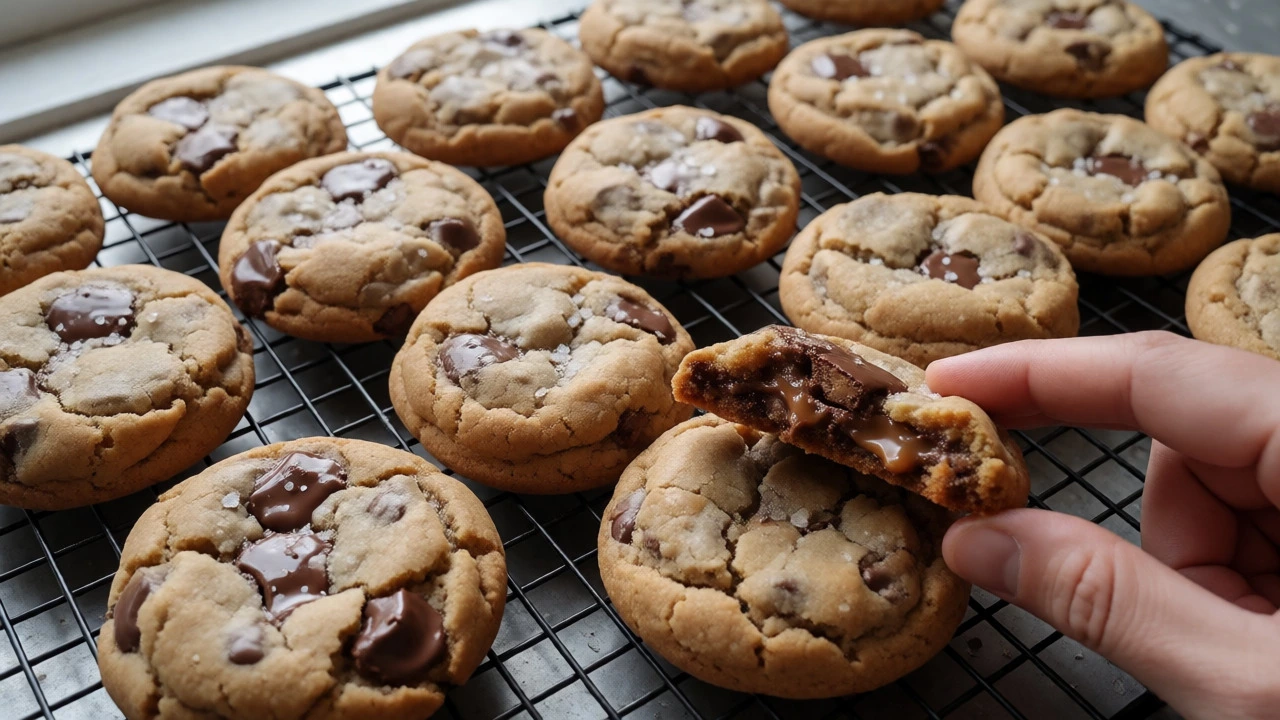
- The Chunk Method: You chop whole Milky Way bars into bite-sized chunks and fold them into the dough. This creates pockets of melted caramel and nougat inside the cookie.
- The Melted Mix: You melt the candy bars down and mix them directly into the batter. This results in a denser, fudge-like cookie with a uniform flavor profile.
Both methods produce a delicious result, but neither leans particularly feminine or masculine. The Chunk Method is texturally complex-chewy, crunchy, soft-which appeals to people who enjoy sensory variety. The Melted Mix is intense and rich, appealing to those who prefer bold flavors. Neither requires a specific gender to appreciate.
Debunking the "Girl Cookie" Myth with Science
Let’s look at the actual components of a Milky Way bar to see if there’s any biological basis for the stereotype. According to Mars Inc., the US version contains corn syrup, sugar, palm oil, skim milk, cocoa, malted barley, and egg whites. The UK version differs slightly, using almond nougat instead of malted barley, which changes the texture significantly.
| Nutrient | Amount per Bar (21g) | Common Stereotype Association |
|---|---|---|
| Sugar | 15g | Feminine (Sweetness) |
| Fat | 7g | Neutral (Energy source) |
| Protein | 1g | Masculine (Strength) |
| Caramel/Nougat | Primary Fillings | Feminine (Softness) |
See the pattern? The high sugar content and soft fillings trigger the "feminine" association. But protein and fat are present too. In reality, men consume nearly as much chocolate as women. Data from the National Confectioners Association suggests that men actually buy more chocolate bars for themselves than women do. So, statistically, the "Milky Way is for girls" argument falls apart. Men love these cookies. They just might not talk about it as openly due to social conditioning.
How to Bake the Ultimate Milky Way Cookies
If you’re ready to bake these yourself, forget the gender debate and focus on technique. The biggest mistake people make is treating the candy bar like regular chocolate chips. Milky Way bars contain nougat and caramel, which behave differently under heat. Caramel can burn if exposed to direct oven heat too long, and nougat can become rubbery if not protected by dough.
Here’s a foolproof method I use in my Halifax kitchen, where the cold air demands hearty desserts:
- Prep the Candy: Chop the Milky Way bars into small, uniform pieces. About half-inch cubes work best. Too big, and they leak; too small, and they disappear.
- Chill the Dough: This is crucial. Because the candy adds extra moisture and fat, your dough will spread more than usual. Refrigerate it for at least 30 minutes before baking. This keeps the cookies thick and chewy rather than flat and crispy.
- Temperature Control: Bake at 350°F (175°C). Higher temperatures cause the caramel to separate and leak out onto the baking sheet, creating a sticky mess. Lower temperatures ensure even cooking without burning the sugars.
- Don’t Overbake: Pull them out when the edges are golden but the centers still look slightly underdone. They’ll firm up as they cool. This preserves the gooey center that defines the Milky Way experience.
For a twist, try adding a pinch of sea salt on top right after pulling them from the oven. Salt enhances the sweetness of the caramel and cuts through the richness of the chocolate. It’s a game-changer that works for everyone, regardless of gender.
Variations That Break the Mold
If you want to further distance your cookies from the "girly" stereotype, consider these variations. They prove that the concept of a Milky Way cookie is versatile enough to suit any palate.
- Dark Chocolate Swap: Use Dark Milky Way bars (available in many markets) or mix in dark chocolate chips. The bitterness balances the sweetness, appealing to those who find standard milk chocolate too cloying.
- Espresso Infusion: Add a teaspoon of instant espresso powder to the dry ingredients. Coffee pairs beautifully with chocolate and caramel, adding depth and sophistication. This variation is popular among adults who want a less sugary treat.
- Peanut Butter Twist: Fold in swirls of peanut butter. Peanut butter is often marketed as gender-neutral or even masculine in sports nutrition contexts. Combining it with Milky Way chunks creates a hearty, substantial cookie that feels indulgent but grounded.
These tweaks aren’t just about taste; they’re about reclaiming the snack from outdated marketing narratives. A cookie doesn’t need to fit a box. It just needs to taste good.
Why Does This Question Even Matter?
You might wonder why we’re spending so much time on a silly question. It matters because food policing is real. People judge others based on what they eat. Women are often shamed for eating "too much" sweets, while men are judged for enjoying "soft" foods. By asking if a Milky Way cookie is a girl’s cookie, we’re reinforcing the idea that certain pleasures are off-limits or embarrassing for certain groups.
When you bake these cookies, you’re making a statement. You’re saying that joy, comfort, and sweetness are universal human experiences. Whether you’re a dad hiding in the pantry, a student studying late, or a friend hosting a party, the Milky Way cookie belongs to you. Don’t let a name or a marketing campaign tell you otherwise.
So, next time someone asks, "Is this for the girls?" just smile, take a bite, and say, "No, it’s for anyone who likes chocolate, caramel, and nougat." Then offer them one. Watch their face change as they realize the stereotype was wrong all along.
Is the Milky Way candy bar considered feminine?
No, the Milky Way candy bar is not inherently feminine. While its sweet, creamy, and soft textures are often culturally coded as feminine due to historical marketing trends, the product itself is enjoyed by all genders. Statistical data shows that men purchase and consume significant amounts of milk chocolate products, including Milky Ways.
Can I use other candy bars to make similar cookies?
Yes, you can use Snickers, Three Musketeers, or Twix bars. Each brings a different texture: Snickers adds peanuts for crunch, Three Musketeers offers a lighter nougat, and Twix provides a crisp cookie layer. The baking technique remains largely the same, though you may need to adjust baking times slightly depending on the density of the added candy.
Why do my Milky Way cookies spread too much?
Milky Way cookies often spread because the candy bars add extra fat and moisture to the dough. To prevent excessive spreading, chill your dough for at least 30-60 minutes before baking. Additionally, ensure your butter is properly creamed and avoid overmixing the flour, which can develop too much gluten and cause structural issues during baking.
Are Milky Way cookies gluten-free?
Standard Milky Way bars are not gluten-free because they contain malted barley. However, the UK version uses almond nougat and is generally considered gluten-free (always check the label for cross-contamination). For the cookies themselves, you must use gluten-free flour blends and ensure your candy bars are certified gluten-free to make the entire recipe safe for those with celiac disease or gluten sensitivity.
How should I store homemade Milky Way cookies?
Store them in an airtight container at room temperature for up to 5 days. Because of the high sugar and fat content, they stay moist longer than standard cookies. If you live in a humid climate, place a piece of bread in the container to maintain softness. For longer storage, freeze the baked cookies for up to 3 months.