Fudge Cooking Phase Guide
Select the current phase of your cooking process to see the correct technique.
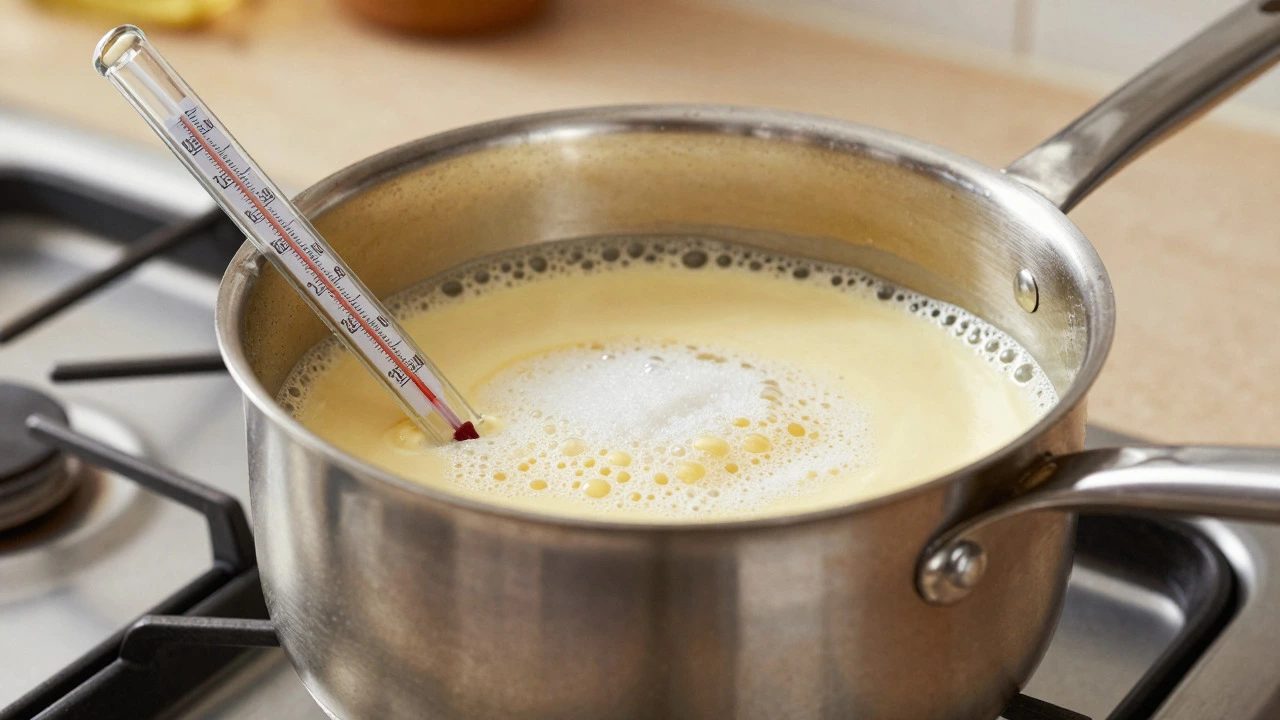
The Boil
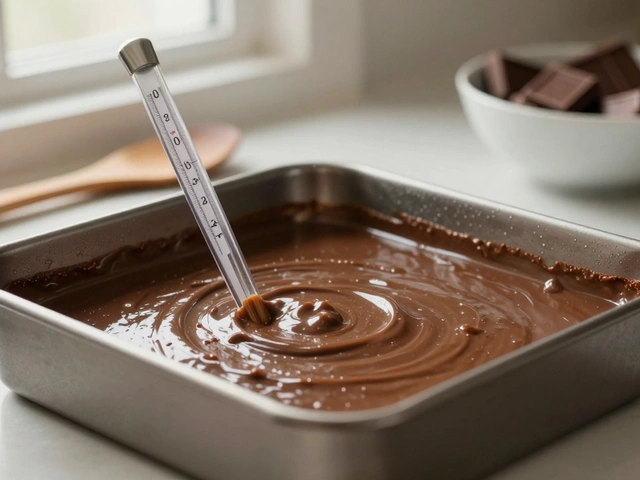
Don't TouchTemp Check
Critical MomentThe Cooling
PatienceThe Beat
Vigorous StirPhase 1: The Boil
STOP STIRRING
Once the mixture comes to a boil, stop stirring entirely. Agitation now encourages large crystals (graininess) and cools the surface, ruining temperature accuracy.
Have you ever pulled a pot of fudge off the stove, poured it into a dish, and waited with bated breath for it to set-only to find a sticky, uncuttable mess or, worse, a block so hard it could crack a tooth? If that sounds familiar, the culprit might not be your recipe. It might be your wrist.
The question of whether to stir fudge constantly while cooking is one of the most debated topics in home confectionery. Some old-school recipes swear by non-stop agitation. Modern guides often suggest letting it simmer quietly. So, who is right? The answer isn't a simple yes or no. It depends entirely on when you are stirring and why.
The Science Behind the Stir: Why Agitation Matters
To understand why we stir, we have to look at what is actually happening in that saucepan. Fudge is essentially supersaturated sugar syrup. When you heat sugar, water, and butter together, you are driving off moisture. As the water evaporates, the concentration of sugar increases. Eventually, the solution becomes unstable. The sugar molecules want to group together and form crystals.
This crystallization is the heart of fudge. Without it, you don't get fudge; you get caramel or taffy. However, the size of those crystals determines the texture. Large crystals create a gritty, grainy mouthfeel. Tiny, microscopic crystals create that smooth, creamy snap we all crave.
Agitation, or stirring, introduces nucleation points. Think of it like this: if you drop a single grain of sand into a supersaturated solution, crystals will form around that grain. In fudge, air bubbles, dust particles, or even the sides of the pan can act as these seeds. Constant stirring during the boiling phase can introduce too many nuclei, leading to rapid, large crystal formation. This is why many professional confectioners advise against vigorous stirring while the mixture is reaching its target temperature.
Phase 1: The Boil (Don't Touch It)
When you first combine your ingredients-typically sugar, milk or cream, butter, and corn syrup-and place them on the heat, your goal is even heating. At this stage, gentle stirring is necessary to prevent the sugar from scorching on the bottom of the pan. Sugar burns quickly, and burnt sugar ruins the flavor profile before you even start.
Once the mixture comes to a boil, however, the rules change. Most modern fudge recipes recommend stopping the stirring entirely once the boil begins. Here is why:
- Temperature Accuracy: Stirring cools the surface of the liquid. If you are using a candy thermometer, constant movement can give you inaccurate readings because the thermometer bulb is exposed to cooler air or the cooler sides of the pan rather than the hottest part of the liquid center.
- Crystal Control: Vigorous agitation encourages the formation of larger sugar crystals. By letting the mixture boil undisturbed, you allow the water to evaporate steadily without triggering premature crystallization.
- Splatter Prevention: Boiling sugar syrup is volatile. Stirring it can cause hot droplets to splash out, which is dangerous and creates a mess on your stovetop.
If you are worried about the mixture sticking, use a heavy-bottomed saucepan. These distribute heat evenly and reduce the risk of hot spots where sugar can burn. Brush the sides of the pan with a wet pastry brush occasionally to dissolve any sugar crystals that may have formed there. This prevents those stray crystals from falling back into the mix and seeding unwanted graininess.
Phase 2: The Temperature Check (The Critical Moment)
You need to cook the fudge until it reaches the "soft-ball stage." This occurs between 234°F and 240°F (112°C - 116°C). At this temperature, a small amount of syrup dropped into cold water will form a soft, pliable ball.
This is the only time you should interact with the boiling mixture significantly. Remove the pan from the heat briefly to check the temperature. Do not stir it during this check unless absolutely necessary. Dip the thermometer gently, read the value, and return the pan to the heat if needed. Precision here is key. If you overshoot to the firm-ball stage (250°F+), your fudge will be hard and brittle. If you undershoot, it will remain sticky and never set properly.
Phase 3: The Cooling (Patience Is a Virtue)
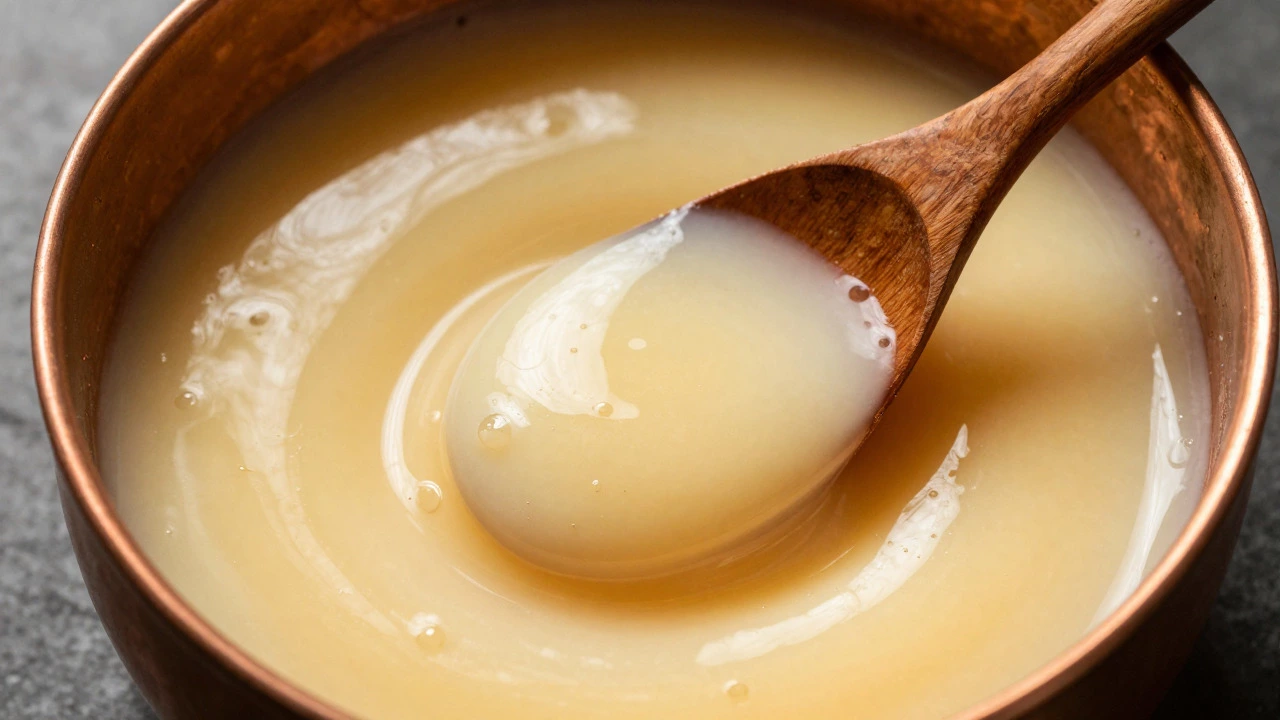
Once you hit that magic number, remove the pan from the heat immediately. Now, the counter-intuitive part: do not stir yet. Let the mixture cool down to approximately 110°F (43°C).
Why wait? As the syrup cools, it thickens. If you start beating it while it is still piping hot, the structure won't hold, and you'll just make a mess. More importantly, cooling allows the viscosity to increase naturally. During this cooling period, keep the pan undisturbed. Avoid moving the kitchen or opening windows near the stove, as drafts can affect the cooling rate and potentially introduce contaminants that seed crystals.
Phase 4: The Beat (Stir Like Your Life Depends On It)
This is where the confusion usually lies. People hear "stir fudge" and think of the entire cooking process. But the real work happens after the boil. Once the mixture has cooled to 110°F, you begin to beat it vigorously.
You can use a wooden spoon, a hand mixer, or an electric stand mixer. The goal is to agitate the mixture rapidly to break up forming crystals into tiny, uniform pieces. As you beat, you will notice a distinct change in color and texture. The shiny, translucent amber liquid will turn opaque, pale yellow, and thicker. This is called "breaking" the fudge.
Continue beating until the mixture loses its gloss and starts to mound slightly on the spoon. This usually takes 5 to 10 minutes depending on your method. If you stop too early, the fudge will be runny. If you beat it too long, it can become overly dense or dry. Trust your eyes more than the clock here. Look for that matte finish.
Common Mistakes That Ruin Texture
Even with perfect timing, other factors can interfere with your stirring strategy. Understanding these pitfalls helps you adjust your technique.
| Problem | Likely Cause | Solution |
|---|---|---|
| Grainy Texture | Stirring during the boil or undissolved sugar crystals on pan sides | Brush sides with water; avoid agitation during heating |
| Hard/Brittle Fudge | Cooked past the soft-ball stage (overheated) | Use a reliable candy thermometer; aim for 238°F |
| Sticky/Runny Fudge | Undercooked or insufficient beating | Cool to correct temp; beat longer until opaque |
| Greasy Separation | Mixture cooled too much before beating or over-beating | Beat promptly at 110°F; stop once matte finish appears |
Another critical factor is the type of sugar inverters you use. Recipes often include corn syrup, honey, or cream of tartar. These ingredients interfere with crystal formation, helping to keep the crystals small and smooth. If you skip these, you have to rely even more heavily on precise temperature control and careful agitation techniques. Corn syrup, in particular, contains glucose and maltose, which don't crystallize as easily as sucrose (table sugar), providing a buffer against graininess.
Equipment Recommendations for Success
Your tools matter almost as much as your technique. A thin aluminum pan heats unevenly, creating hot spots that can burn sugar on one side while leaving another undercooked. Invest in a heavy-bottomed stainless steel or copper saucepan. Copper is the gold standard for confectionery because it conducts heat incredibly efficiently and evenly, but stainless steel with a clad bottom works nearly as well for home cooks.
Regarding thermometers, digital instant-read thermometers are convenient but can be less accurate for continuous monitoring than traditional glass dial candy thermometers. Clip-on thermometers are ideal because they stay in place, allowing you to monitor the temperature without lifting the lid or stirring the pot. Ensure your thermometer is calibrated correctly by testing it in boiling water (it should read 212°F at sea level) before you start cooking.
Variations: Does Flavor Change the Rule?
Does adding chocolate, nuts, or extracts change how you should stir? Generally, no. The base chemistry remains the same. However, when you add solid ingredients like chopped nuts or chocolate chips, you typically do so after the beating phase, just before pouring the fudge into the prepared pan.
If you are making chocolate fudge, some recipes call for melting chocolate into the hot syrup. In this case, you might stir gently to incorporate the chocolate fully, but this is done off the heat. The primary rule of avoiding agitation during the boil still applies. For nutty fudges, ensure the nuts are toasted beforehand for better flavor, then fold them in gently at the end to maintain their crunch without deflating the airy structure you created during the beating phase.
Final Thoughts on Technique
Fudge making is part science, part art, and entirely dependent on attention to detail. The short answer to "should you constantly stir fudge while cooking" is no. You should stir gently at the start to dissolve sugar, not at all during the boil to protect crystal structure and temperature accuracy, and then beat vigorously at the end to create the desired texture.
By respecting these phases, you take control of the crystallization process rather than fighting it. The next time you stand over that stove, resist the urge to stir the boiling syrup. Trust the thermometer. Wait for the cool. And then, put in the work during the beat. Your patience will be rewarded with fudge that is smooth, creamy, and perfectly set every single time.
What happens if I stir fudge while it is boiling?
Stirring fudge while it is boiling can introduce air bubbles and encourage the formation of large sugar crystals. This often results in a grainy or gritty texture rather than the smooth, creamy consistency you want. Additionally, stirring can lower the surface temperature, giving you inaccurate readings on your candy thermometer.
How do I know when my fudge is ready to be beaten?
Your fudge is ready to be beaten when it has cooled to approximately 110°F (43°C). At this temperature, the mixture will feel warm but not hot to the touch. It should also appear thickened slightly compared to when it came off the heat. Using a candy thermometer is the most reliable way to determine this.
Can I make fudge without a candy thermometer?
Yes, you can use the "cold water test." Drop a small amount of the boiling syrup into a bowl of ice water. If it forms a soft ball that flattens when you pick it up with your fingers, it has reached the soft-ball stage (234°F-240°F). However, this method is less precise than using a thermometer and requires practice to master.
Why is my fudge grainy?
Grainy fudge is usually caused by large sugar crystals forming. This can happen if you stirred the mixture vigorously while it was boiling, if sugar crystals formed on the sides of the pan and weren't brushed down with water, or if the mixture wasn't beaten enough after cooling to break up the crystals into smaller sizes.
Should I cover the pot while cooking fudge?
Generally, no. You want the water to evaporate to concentrate the sugar. Covering the pot traps steam, which can drip back into the mixture and alter the temperature and consistency. Keep the pot uncovered to allow for steady evaporation and accurate temperature monitoring.
How long should I beat the fudge?
You should beat the fudge until it changes from a shiny, translucent liquid to an opaque, matte paste. This typically takes 5 to 10 minutes with a hand mixer or wooden spoon. Stop beating once the mixture holds its shape slightly and loses its gloss. Over-beating can make the fudge tough.
What is the role of corn syrup in fudge?
Corn syrup acts as an invert sugar. It interferes with the crystallization process of the sucrose (table sugar), preventing large crystals from forming. This helps ensure a smooth, creamy texture. Honey or light corn syrup are common substitutes that serve the same purpose.