Brazilian Sweet Finder
Not sure which Brazilian treat to try first? Select the flavor or texture you're craving and find your perfect match!
Brigadeiro
Chocolate & MilkQuindim
Egg & CoconutBeijinho
Coconut & MilkPaçoca
Roasted PeanutsPudim de Leite
Caramel & MilkQuick Guide to Brazilian Sweets
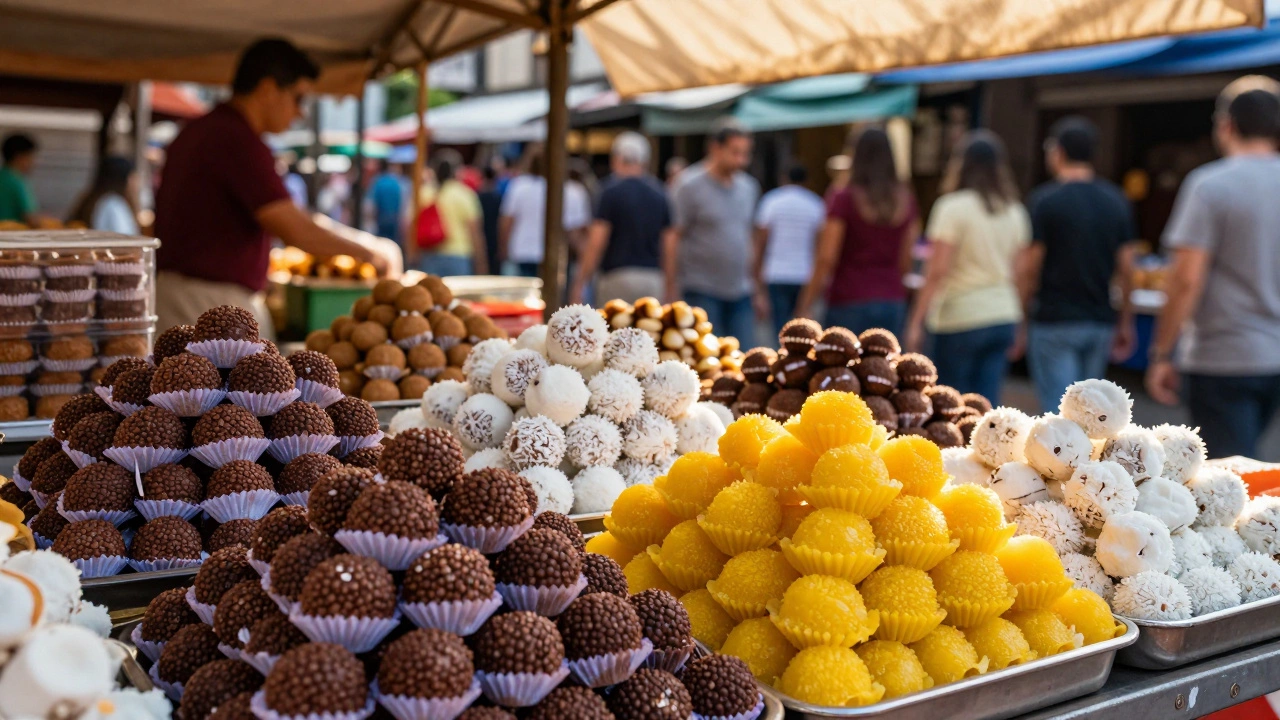
- Brigadeiro: The national favorite chocolate truffle.
- Quindim: A bright yellow coconut and egg yolk custard.
- Beijinho: A coconut version of the brigadeiro.
- Paçoca: A crumbly peanut candy from the interior.
- Pudim de Leite: The classic Brazilian flan.
The Unbeaten King: Brigadeiro
If you only have one bite to experience Brazil, it has to be the Brigadeiro is a traditional Brazilian chocolate truffle made from condensed milk, cocoa powder, and butter. Known as the "Brazilian chocolate ball," it is present at every single birthday party in the country. You can't have a celebration without them.
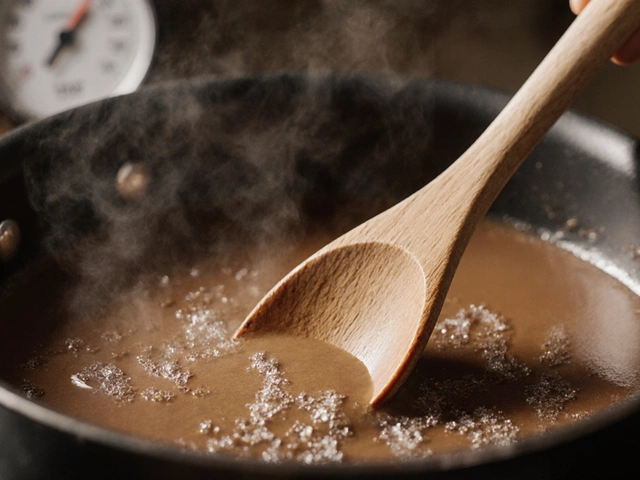
The magic happens during the cooking process. You simmer these three ingredients in a pan until the mixture thickens and reaches a point where it doesn't stick to the bottom. Once cooled, you roll them into small balls and coat them in chocolate sprinkles. For a pro tip: if you want a more modern version, try using 70% dark chocolate to balance the intense sweetness of the condensed milk. This is a great way to make the dessert more palatable for people who prefer a less sugary treat.
The Golden Glow of Quindim
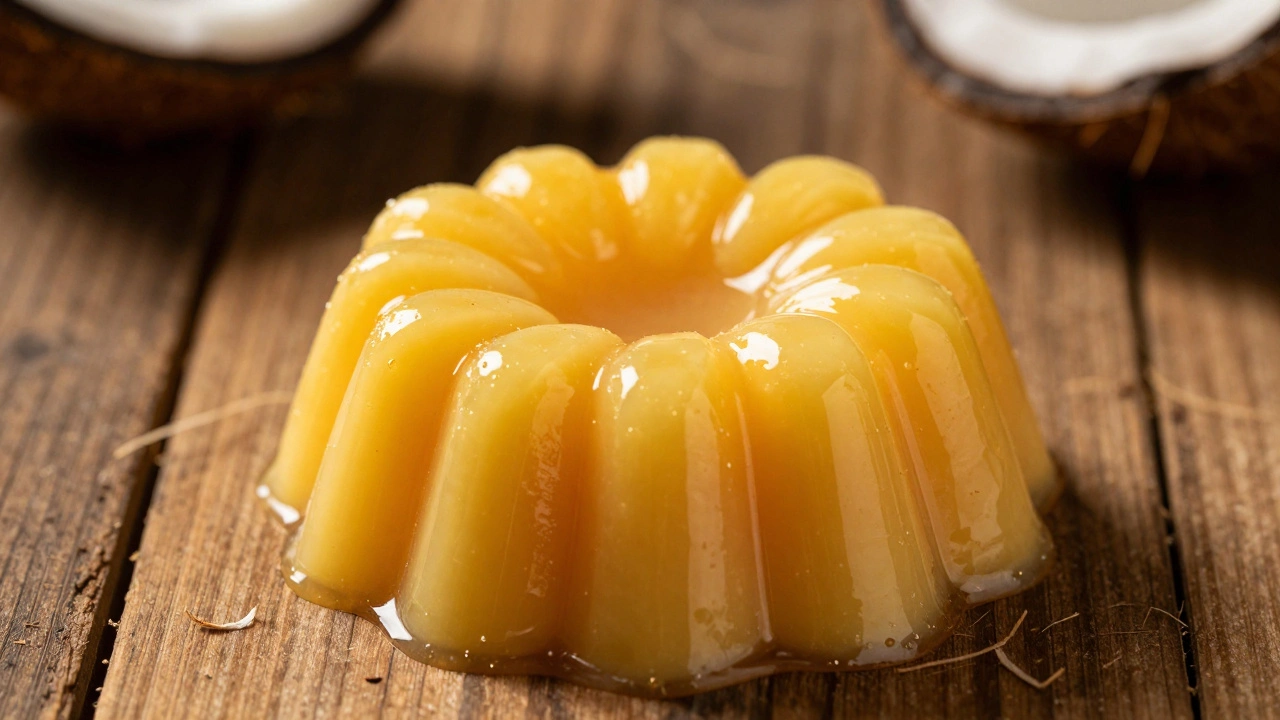
While chocolate dominates the parties, the Quindim is a bright yellow custard dessert made from sugar, egg yolks, and ground coconut. It's a direct descendant of the Portuguese quindim, but Brazilians added a heavy dose of coconut to make it their own.
The texture is a bit of a contradiction-it's creamy and gelatinous at the same time, with a glossy, mirrored surface. It’s usually baked in small, fluted molds, giving it a flower-like shape. Because it uses a high concentration of egg yolks, the flavor is incredibly rich and buttery. It's the kind of dessert that feels luxurious and old-world, reminding many of their grandparents' kitchens.
Coconut and Peanut Classics: Beijinho and Paçoca
Brazil's love for coconut is evident in the Beijinho (which literally means "little kiss"). It uses the same base as the brigadeiro but replaces the cocoa with shredded coconut. These are typically rolled in granulated sugar or more coconut flakes. They provide a lighter, fresher alternative to the heavy chocolate of the brigadeiro.
On the other hand, Paçoca is a completely different beast. It’s not cooked on a stove; instead, it's a pressed candy made from roasted peanuts, salt, and sugar. It has a dry, crumbly texture that melts in your mouth. Paçoca is deeply connected to the caipira (countryside) culture of Brazil, especially during the June Festivals (Festas Juninas). It's a high-protein, rustic treat that balances the sweetness of other Brazilian desserts with a salty, nutty punch.
The Elegance of Pudim de Leite Condensado
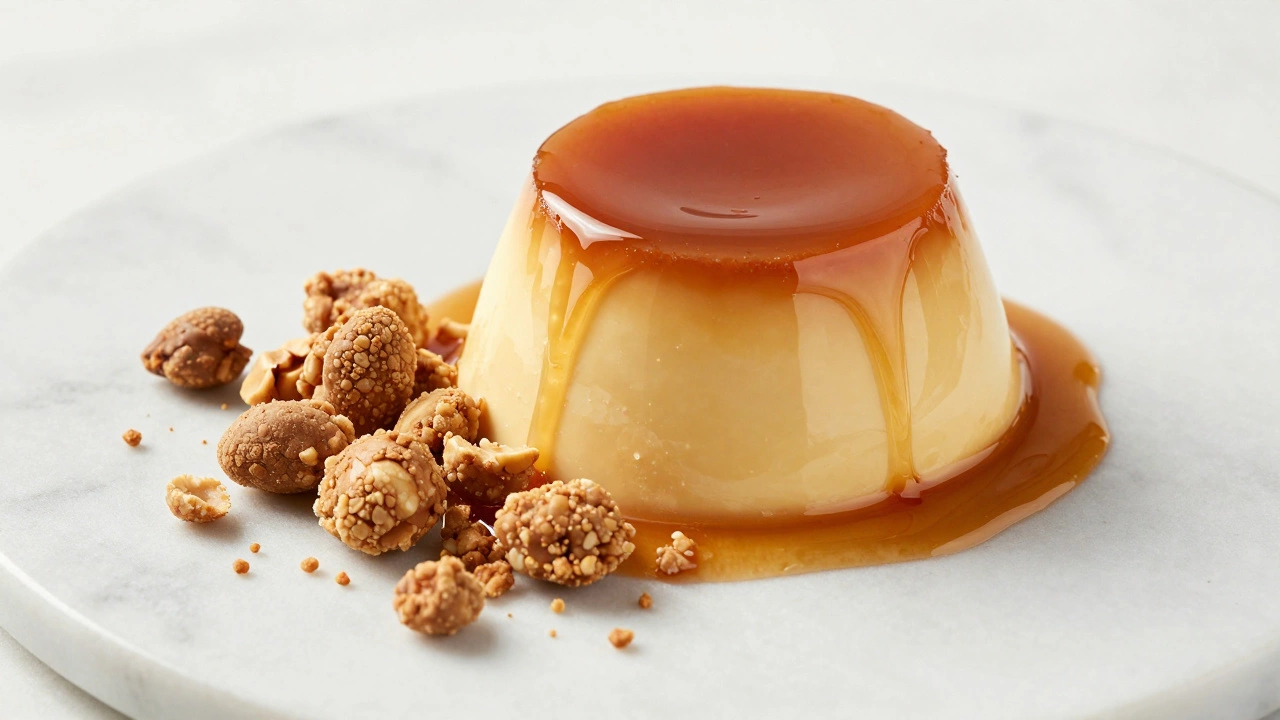
You can't talk about Brazilian sweets without mentioning the Pudim de Leite. While it looks like a standard flan, the Brazilian version is denser and creamier because it uses condensed milk instead of just evaporated milk or cream.
The process is a lesson in patience: you make a clear caramel syrup, pour it into the bottom of a mold, and then add the creamy batter. After baking in a water bath (banho-maria), the result is a silky, wobbling masterpiece. The contrast between the bitter burnt sugar of the caramel and the sweet, milky body of the pudding is what makes it a staple in every Brazilian household's Sunday lunch.
| Dessert | Main Ingredient | Texture | Flavor Profile |
|---|---|---|---|
| Brigadeiro | Condensed Milk & Cocoa | Fudgy/Soft | Rich Chocolate |
| Quindim | Egg Yolks & Coconut | Gelatinous/Creamy | Sweet & Buttery |
| Paçoca | Roasted Peanuts | Crumbly/Dry | Salty & Nutty |
| Pudim | Condensed Milk & Eggs | Silky/Smooth | Caramel & Milk |
How These Sweets Compare to Tiramisu
Coming from a world where Tiramisu is the gold standard for creamy desserts, you might notice a huge difference. Tiramisu relies on the bitterness of espresso and the tang of mascarpone cheese to create balance. Brazilian sweets, however, embrace the "sweet" part of the word. They don't try to hide the sugar; they celebrate it.
While both use creamy bases, the Brazilian approach is more about the viscosity of condensed milk-which is a staple in almost every recipe-compared to the airy, whipped nature of a classic Italian dessert. If Tiramisu is a sophisticated evening treat, a Brigadeiro is a burst of pure, childlike joy.
Common Pitfalls When Making Brazilian Desserts
If you're trying to make these at home, watch out for a few things. First, don't rush the brigadeiro. If you turn the heat too high, the sugar will burn, and you'll end up with a gritty texture instead of a smooth fudge. Keep the heat medium-low and stir constantly.
For the Quindim, the biggest mistake is not straining the egg yolks. To get that professional, mirror-like finish, you must pass the yolks through a fine-mesh sieve to remove the chalazae (the white stringy bit of the egg). Otherwise, you'll have little lumps in your custard that ruin the mouthfeel.
Do I need a specific brand of condensed milk for Brigadeiros?
While any brand works, look for one with a higher percentage of milk solids. The thicker the condensed milk, the faster your brigadeiro will reach the "point" (the stage where it peels away from the pan), resulting in a firmer ball that's easier to roll.
Is Quindim naturally gluten-free?
Yes, traditional Quindim is naturally gluten-free as it consists only of eggs, sugar, and coconut. It is a great option for those avoiding wheat or gluten.
Can I make a vegan version of these sweets?
Absolutely. You can replace condensed milk with a reduction of coconut milk and agave syrup or maple syrup. For the brigadeiro, using a vegan butter substitute and high-quality cocoa powder creates a very similar fudgy consistency.
How long do these sweets last in the fridge?
Brigadeiros and Beijinhos stay fresh for about 5 to 7 days in an airtight container. Pudim and Quindim should be eaten within 3 to 4 days as they contain high amounts of egg and dairy.
Where can I find authentic Paçoca outside of Brazil?
Look for Brazilian specialty markets or Latin American grocery stores. Brands like Paçoquita are the most common exports and offer the same authentic, crumbly taste found in Brazil.
What to Try Next
Once you've mastered these sweets, you might want to explore the savory side of Brazil. Try pairing a sweet brigadeiro with a salty Pão de Queijo (cheese bread) for the perfect contrast. If you enjoy the creamy texture of the Pudim, you should look into making a Mousse de Maracujá (passion fruit mousse), which brings a tart, tropical acidity that cuts through the sweetness of these traditional candies.