Brownie Symbolism Decoder
Ever wonder what your brownie choice says about you or the situation? Select your scenario below to decode the hidden message.
The Hidden Message
Psychological Tone
Social Signal
You bite into a warm brownie, and suddenly the world feels a little softer. It’s not just sugar and cocoa hitting your taste buds; it’s a memory, a mood, or even a cultural statement. But have you ever stopped to ask what these dense, fudgy squares actually represent beyond being a delicious snack? The answer is surprisingly deep, touching on history, psychology, and social connection.
The Psychology of Comfort in Every Bite
When we talk about what brownies symbolize, we often start with comfort food. This isn’t just a marketing term; it’s a psychological concept rooted in emotional regulation. Psychologists suggest that foods high in carbohydrates and fats trigger the release of serotonin and dopamine, brain chemicals associated with pleasure and calm. For many, a brownie isn't just dessert-it’s a edible hug after a bad day.
This symbolic power comes from consistency. Unlike a delicate soufflé that might collapse if you look at it wrong, a brownie is reliable. It promises density and richness every single time. That reliability makes it a symbol of stability in chaotic times. Think about the last time you were stressed. Did you crave a light salad, or did you reach for something heavy and sweet? The brownie wins because it offers immediate, tangible relief. It represents the idea that some things in life are guaranteed to be good, no matter how messy everything else gets.
A Historical Symbol of American Ingenuity
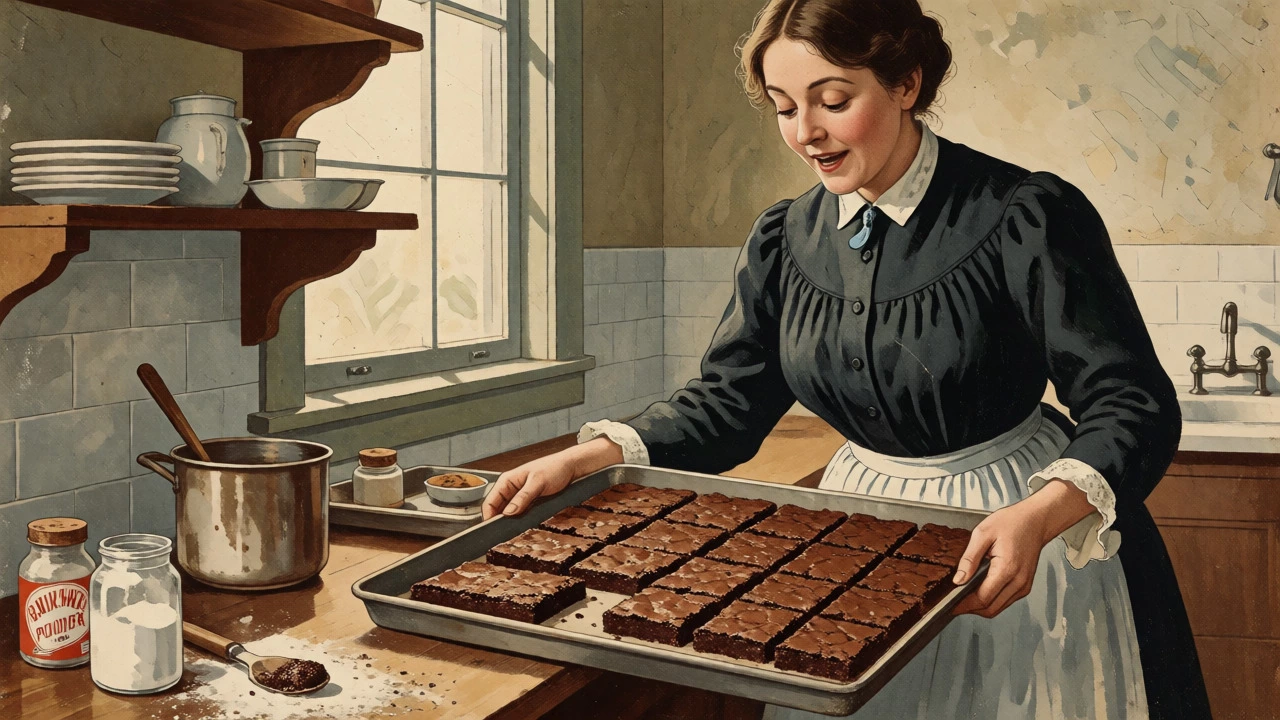
To understand the symbolism, you have to look at where they came from. Most food historians agree that the first brownies appeared in the late 19th century in the United States. One popular story involves a housewife in Bangor, Maine, who forgot to add baking powder to her chocolate cake batter. The result was a flat, dense square rather than a fluffy cake. She served them anyway, and guests loved them.
This origin story gives the brownie a unique symbolic status: it represents accidental success and adaptability. It’s a dessert born from a mistake. In a culture that often fears failure, the brownie stands as proof that errors can lead to something better than the original plan. It’s the underdog of the dessert world. While cakes require precision and frosting skills, brownies forgive imperfections. You can overmix the batter slightly, use the wrong pan size, or bake them a minute too long, and they’re still fantastic. This forgiving nature makes them a symbol of accessibility and home-baked authenticity.
Social Connection and Shared Experience
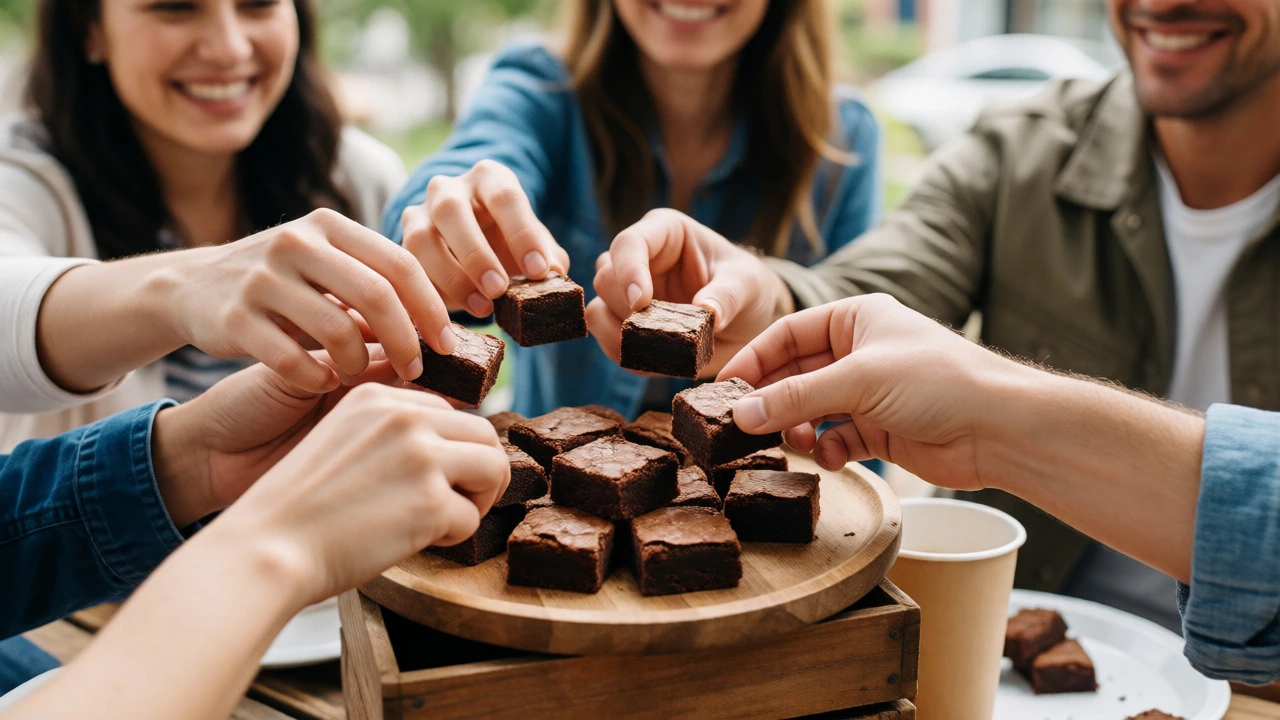
Brownies are rarely eaten alone. Their shape-squares cut from a larger slab-is designed for sharing. You don’t plate a brownie like you do a slice of pie; you hand someone a corner piece or a middle chunk. This physical structure reinforces their role as a social lubricant. They are the ultimate potluck contribution, the office breakroom staple, and the go-to gift for neighbors.
| Dessert Type | Primary Symbolism | Social Context | Emotional Tone |
|---|---|---|---|
| Brownie | Comfort, Reliability, Informality | Casual gatherings, gifting, self-care | Warm, Nostalgic, Grounding |
| Cake | Celebration, Achievement, Formality | Birthdays, Weddings, Milestones | Festive, Special, Elevated |
| Cookie | Childhood, Simplicity, Snacking | School lunches, quick breaks | Playful, Light, Casual |
Notice the difference between a brownie and a cake in the table above. Cake symbolizes big events; brownies symbolize everyday moments. When you bring brownies to a friend’s house, you aren’t marking a milestone. You’re saying, "I care about you, but I’m keeping it low-pressure." This subtlety is part of their charm. They lower the stakes of social interaction. You don’t need fancy plates or forks (though you can use them). You can eat a brownie with your hands while standing up. This informality breaks down barriers, making brownies a symbol of approachable hospitality.
The Spectrum of Texture: Fudgy vs. Cakey
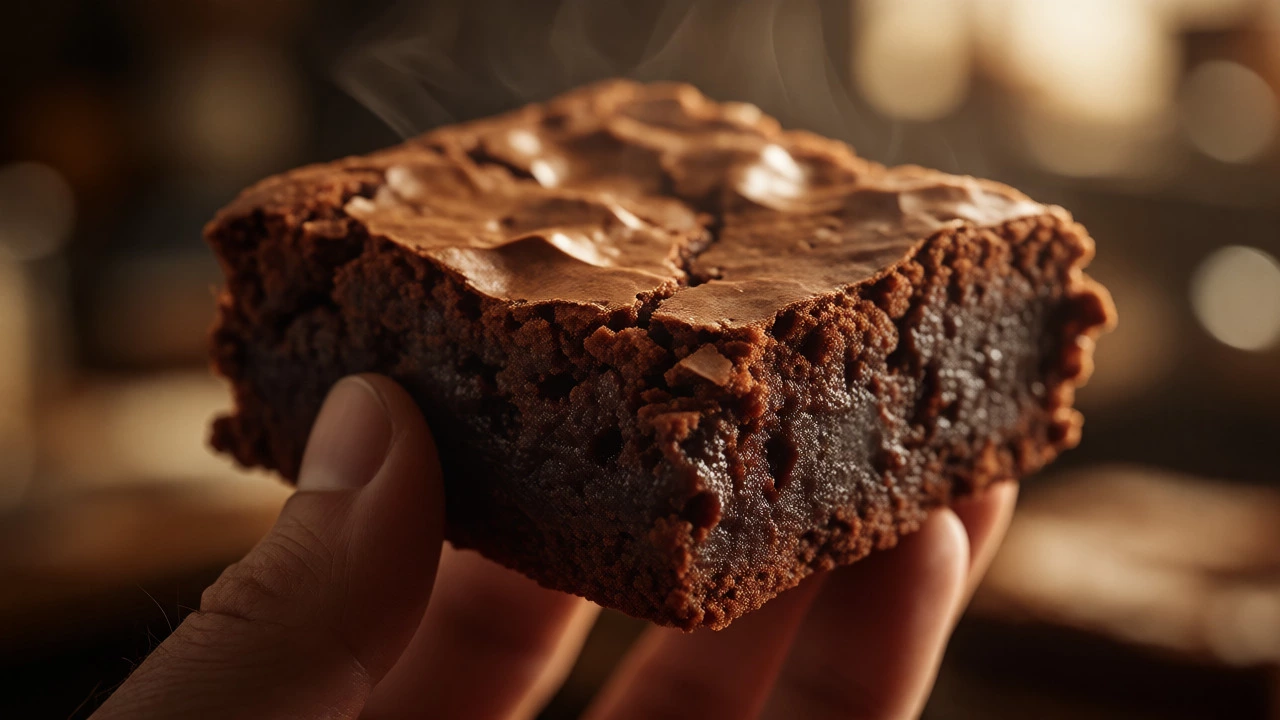
Not all brownies mean the same thing. There’s a fierce debate among bakers about whether a brownie should be fudgy or cakey. This isn’t just about taste; it’s about intent. A fudgy brownie, dense and moist with a shiny crust, symbolizes indulgence and luxury. It’s rich, almost decadent, and suggests you’re treating yourself to something special. It requires less flour and more butter/chocolate, emphasizing richness over volume.
On the other hand, a cakey brownie is lighter, airier, and more bread-like. It symbolizes familiarity and sustenance. It’s closer to a snack you could eat for breakfast without feeling guilty. The choice between fudgy and cakey reflects the baker’s message. Are you offering a moment of escape (fudgy) or a comforting companion to your coffee (cakey)? Understanding this distinction helps you decode the intention behind the baked goods someone shares with you.
Modern Twists and Cultural Evolution
In recent years, the symbolism of brownies has expanded with culinary trends. Vegan brownies, made with flax eggs or applesauce instead of dairy, symbolize ethical consumption and inclusivity. They say, "Everyone can enjoy this," regardless of dietary restrictions. Gluten-free versions using almond flour or oat flour represent health-consciousness without sacrificing joy.
There’s also the rise of the "loaded" brownie, topped with ice cream, salted caramel, or pretzels. These elaborate creations shift the symbolism from simple comfort to theatrical experience. They turn a humble snack into an event. This evolution shows how adaptable the brownie is. It can be a cheap, store-bought treat or a $15 artisanal creation. Its core identity remains flexible, allowing it to fit into any economic or social context.
Why We Crave Them Specifically
So, why do we choose brownies over other desserts when we want comfort? Part of it is the texture contrast. The crackly top against the soft interior provides sensory satisfaction that smooth pudding or crisp cookies can’t match. That contrast mirrors the complexity of human emotion-we want something that feels both solid and yielding.
Moreover, brownies are portable. You can wrap one in foil and take it hiking, to work, or on a date. This portability adds a layer of freedom to their symbolism. They are desserts that go wherever you go, unlike a towering cake that stays put. This independence makes them appealing to modern lifestyles that value flexibility and movement.
Frequently Asked Questions
Are brownies considered healthy?
Generally, no. Brownies are calorie-dense due to high amounts of sugar, butter, and chocolate. However, dark chocolate contains antioxidants, and homemade versions allow control over ingredient quality. They are best viewed as an occasional treat rather than a health food.
What is the difference between a brownie and a blondie?
A brownie uses cocoa powder or melted chocolate as its primary flavor base, giving it a dark color and chocolate taste. A blondie replaces chocolate with brown sugar and vanilla, resulting in a golden-colored bar with a butterscotch or caramel-like flavor profile. Both share similar textures and baking methods.
Why do brownies have a crackly top?
The crackly top forms when sugar dissolves into the egg mixture before baking. As the brownie bakes, moisture evaporates from the surface, causing the sugar to crystallize into a thin, crisp shell. Achieving this requires beating eggs and sugar thoroughly before adding other ingredients.
Can brownies be used as gifts?
Yes, brownies make excellent gifts because they are easy to transport, have a relatively long shelf life compared to frosted cakes, and appeal to a wide audience. Packaging them in a decorative box or wrapping them individually enhances their presentation and thoughtfulness.
Do brownies need refrigeration?
Standard brownies can stay at room temperature in an airtight container for 3-4 days. Refrigeration extends their life to about a week but may alter the texture, making them firmer. If they contain perishable fillings like cream cheese or fresh fruit, refrigeration is necessary.