
Vegan Sweet Checker
Common Non-Vegan Traps
- Gelatin: From animal bones/skin (gummies).
- Shellac: Bug resin (shiny candies).
- Carmine: Red insect dye.
- Whey/Casein: Milk derivatives.
- Honey: Bee product.
Results will appear here...
You just walked into a bakery, or maybe you’re staring at the candy aisle at your local grocery store in Halifax, and suddenly you feel like an outsider. Everyone else is grabbing fudge bars and cream-filled donuts, but you’re left wondering: what sweets can you eat as a vegan? It’s a frustrating question because for years, "vegan dessert" meant sad fruit salad or dry rice cakes. But that era is dead. Today, you have access to rich chocolates, fluffy cakes, and chewy caramels that are completely free of animal products.
The trick isn’t just avoiding meat; it’s understanding what hides in sweet treats. Gelatin (from bones), shellac (from bugs), and whey (from milk) are common culprits. Once you know how to spot them, the world opens up. Whether you’re buying pre-packaged snacks or whipping up something in your kitchen, here is exactly what you can eat-and what you should probably skip.
Key Takeaways
- Dark Chocolate is Your Best Friend: Most high-quality dark chocolates (70% cocoa or higher) are naturally vegan, containing only cacao, sugar, and cocoa butter.
- Beware of Hidden Ingredients: Always check labels for gelatin, carmine, shellac, and honey, which are not vegan despite being common in sweets.
- Plant-Based Alternatives Work: Aquafaba (chickpea water) replaces eggs in meringues, while coconut oil mimics the melt-in-your-mouth texture of butter.
- Store-Bought Options Exist: Brands like Enjoy Life, Go Raw, and many generic store brands offer certified vegan cookies and candies.
- Homemade is Easiest: Swapping dairy milk for oat or almond milk and using flax eggs makes almost any traditional recipe vegan-friendly.
Understanding the Non-Vegan Traps in Candy
Before we talk about what you can eat, let’s clear up why so many sweets are off-limits. It’s not always obvious. You might think a gummy bear is just sugar and flavoring, but it’s often made with Gelatin, a protein derived from boiling animal skin, tendons, ligaments, and bones. This gives gummies their bounce. Without it, they’d be syrup.
Then there’s the shine on your candy apples or jelly beans. That glossy coating is frequently Shellac, a resin secreted by the female lac bug. Yes, bug spit. If that doesn’t bother you, consider Carmine (also known as Cochineal extract), a red dye made from crushed insects used in strawberry-flavored yogurts and red candies.
Dairy is the other big one. Milk solids, whey powder, and casein lurk in white chocolate, caramel, and even some "fruit" chews. If the ingredient list includes anything ending in "-in" or mentioning milk, put it back. Honey is also debated, but strict vegans avoid it because it’s an animal product.
Chocolate: The Easy Win
If you love chocolate, you’re already halfway to a happy vegan life. Dark chocolate is typically the safest bet. High-quality dark bars usually contain just three ingredients: cacao mass, cocoa butter, and sugar. Cocoa butter is a fat extracted from the cacao bean, not a dairy product, despite the name.
However, read the fine print. Some cheaper dark chocolates add milk fat or milk solids for smoothness. Look for phrases like "may contain traces of milk" if you have severe allergies, but for ethical veganism, these cross-contamination warnings are generally acceptable. White chocolate is trickier because it relies heavily on milk solids. Unless it’s specifically labeled as a "plant-based white chocolate" (often made with soy or rice powder), it’s likely non-vegan.
| Chocolate Type | Typical Ingredients | Vegan Friendly? | Notes |
|---|---|---|---|
| Dark Chocolate (70%+) | Cacao, Sugar, Cocoa Butter | Usually Yes | Check for added milk fat. |
| Milk Chocolate | Cocoa, Milk Solids, Sugar | No | Contains dairy unless specified. |
| White Chocolate | Cocoa Butter, Milk, Sugar | Rarely | Look for "Dairy-Free" label. |
| Ruby Chocolate | Cacao, Milk, Sugar | No | Almost always contains milk. |
Gummies and Chews: Finding the Bounce Without Bones
Missing gummy bears or sour worms? You don’t have to give them up. The market has exploded with pectin-based and agar-agar-based alternatives. Pectin is a natural fiber found in fruits like apples and citrus peels. It creates a softer, less chewy texture than gelatin, but it’s entirely plant-based.
Agar-agar, derived from seaweed, offers a firmer bite. Many health-food brands now use these instead of gelatin. When shopping, look for the word "pectin" or "agar" in the ingredients. Avoid anything listing "gelatin," "collagen," or "bone broth." Popular brands like YumEarth and SmartSweets often cater to this niche, offering allergen-friendly and vegan options that actually taste good.
Fruit leathers and dried fruits are also safe bets, provided they aren’t coated in honey or beeswax. Dried mangoes, apricots, and bananas are naturally sweet and require no additives. Just rinse them if they feel sticky, as some commercial producers use vegetable oil glazes that are fine, but occasionally they use shellac.
Baked Goods: Cookies, Cakes, and Brownies
This is where home cooking shines. Traditional recipes rely on eggs for structure and moisture, and butter for flavor and flakiness. Vegans have mastered substitutions that work surprisingly well.
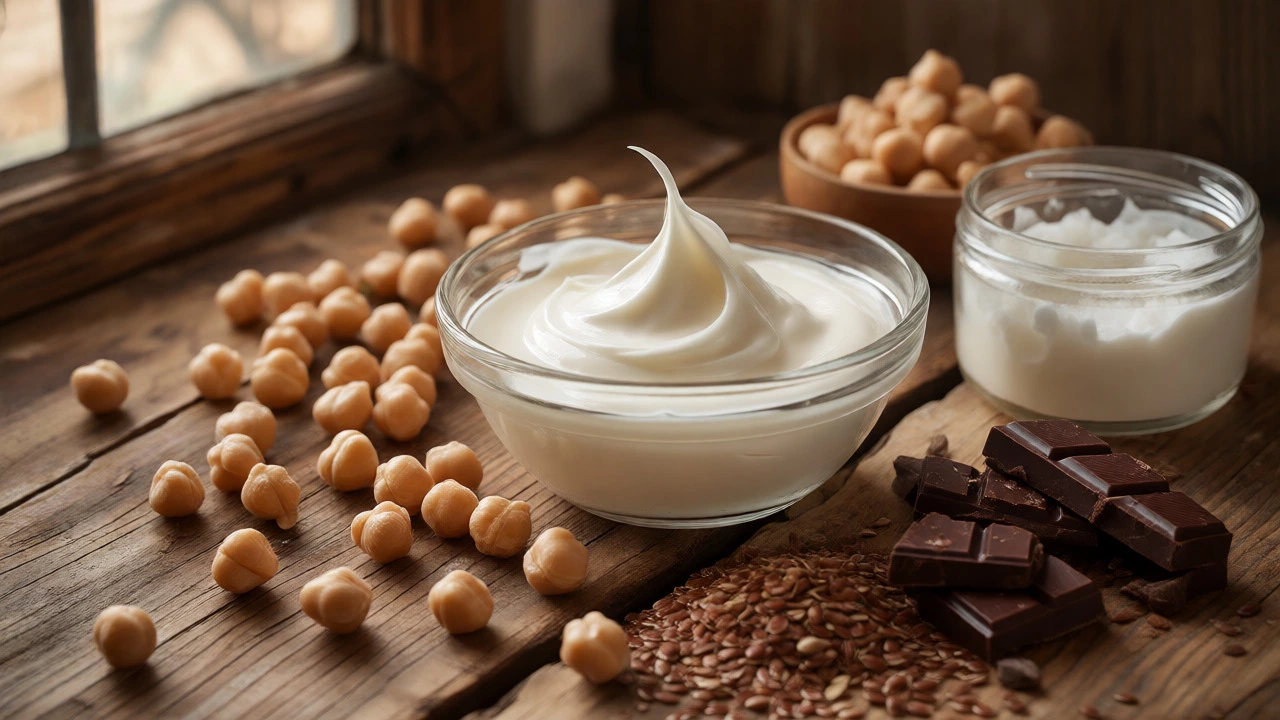
For cookies, you can swap butter for coconut oil or vegan margarine. For eggs, try a "flax egg" (one tablespoon ground flaxseed mixed with three tablespoons water, left to sit for five minutes). It gels up and binds ingredients similarly to chicken eggs. Another magic ingredient is Aquafaba, the liquid from canned chickpeas. Whipped up, it behaves exactly like egg whites, making it perfect for meringues, macarons, and light cakes.
Store-bought baked goods are getting better too. Many bakeries now label items clearly. However, watch out for "natural flavors," which can sometimes include dairy derivatives. If you’re buying packaged cookies, brands like Nutter Butter (check specific varieties), Oreos (most standard varieties are vegan), and Lenny & Larry’s are reliable choices. Always double-check the label, as formulations change.
Frozen Treats: Ice Cream and Sorbet
Ice cream used to be a dairy-only zone. Not anymore. Coconut milk, almond milk, cashew milk, and oat milk bases create creamy textures that rival traditional dairy. Cashew-based ice creams tend to be the richest and most neutral in flavor, closely mimicking heavy cream. Coconut-based options have a distinct tropical note but are incredibly popular.
Sorbets are almost always vegan since they’re made from fruit puree, sugar, and water. They’re lighter than ice cream but equally refreshing. Just ensure the sorbet doesn’t contain honey or milk solids, which some manufacturers sneak in for richness. In Canada, major chains like Ben & Jerry’s and Haagen-Dazs now offer extensive plant-based lines, often marked with a green leaf logo or "Non-Dairy" label.
How to Spot Vegan Sweets: A Quick Checklist
Navigating the supermarket doesn’t have to be stressful. Use this simple heuristic when picking up a new treat:
- Look for Certification: The "Certified Vegan" logo or the V-Label (common in Europe and growing in North America) is the fastest way to verify status.
- Scan for Red Flags: Search the ingredient list for milk, cream, butter, whey, casein, lactose, gelatin, carmine, shellac, and honey.
- Check "Natural Flavors": If unsure, contact the manufacturer. While most natural flavors are plant-based, some can be derived from castoreum (beaver secretion) or dairy.
- Assume Dark is Safe: If it’s dark chocolate without milk listed, it’s likely okay. If it’s white or milk chocolate, assume it’s not unless stated otherwise.
Local Tips for Vegans in Halifax
Living in Halifax, you’ve got great access to both mainstream stores and specialty shops. Superstore and Walmart carry dedicated vegan aisles with brands like Earth Balance and Follow Your Heart. For artisanal sweets, check out local bakeries that explicitly advertise vegan options-many now offer vegan donuts and cupcakes on weekends. Farmers' markets are also excellent sources for fresh fruit and locally made vegan jams or fruit leathers without hidden additives.
Frequently Asked Questions
Are all dark chocolates vegan?
No, not all dark chocolates are vegan. While many are made with just cocoa, sugar, and cocoa butter, some manufacturers add milk fat, milk solids, or whey powder to improve texture. Always check the ingredient list for dairy-derived components.
Can vegans eat marshmallows?
Traditional marshmallows are not vegan because they contain gelatin, which comes from animal collagen. However, vegan marshmallows made with aquafaba or carrageenan are widely available in health food stores and online.
Is honey considered vegan?
Strict vegans do not consume honey because it is an animal product produced by bees. Many vegans opt for plant-based sweeteners like maple syrup, agave nectar, or date syrup instead. However, some individuals who follow a plant-based diet for health reasons may still choose to eat honey.
Why are some gummy bears not vegan?
Most conventional gummy bears contain gelatin, a substance obtained from boiling animal parts such as skin, tendons, and bones. This provides the chewy texture. Vegan gummies use plant-based gelling agents like pectin or agar-agar instead.
What is aquafaba?
Aquafaba is the viscous liquid remaining after cooking or canning legumes, most commonly chickpeas. It has unique foaming and binding properties similar to egg whites, making it a popular vegan substitute in meringues, macarons, and mousses.
Are Oreos vegan?
The original Oreo cookie is technically vegan as it does not contain animal-derived ingredients. However, they are processed in facilities that handle milk, leading to potential cross-contamination. Strict vegans may avoid them due to this risk, while others enjoy them without issue.