Fudge Temperature Simulator
Drag the slider to explore how different temperatures affect your fudge outcome. The perfect range for creamy fudge is highlighted.
✓ Perfect Range
234°F - 240°F
Soft, pliable, creamy texture ideal for fudge and caramel
⚠ Too Low
Below 234°F
Will remain sticky and may never set properly
✗ Too High
Above 240°F
Becomes brittle, crumbly, or grainy
Altitude Adjustment Calculator
For every 500 feet above sea level, reduce target temperature by approximately 1°F. At high altitudes, water boils at lower temperatures, so sugar concentrates faster.
There is nothing quite as disappointing as pulling a batch of homemade fudge out of the pan, only to find it grainy, hard as a rock, or still sticky after an hour. If you have ever wondered why your fudge fails while someone else’s looks like glossy perfection, the answer almost always comes down to one specific number: temperature.
Making fudge is less about artistic flair and more about chemistry. It is a precise science where sugar, water, and heat interact in predictable ways. If you miss the target temperature by even five degrees, the texture changes completely. But don’t worry-you don’t need a degree in food science to get this right. You just need to understand what happens to sugar when it heats up and how to measure it accurately.
The Magic Number: 234°F to 240°F
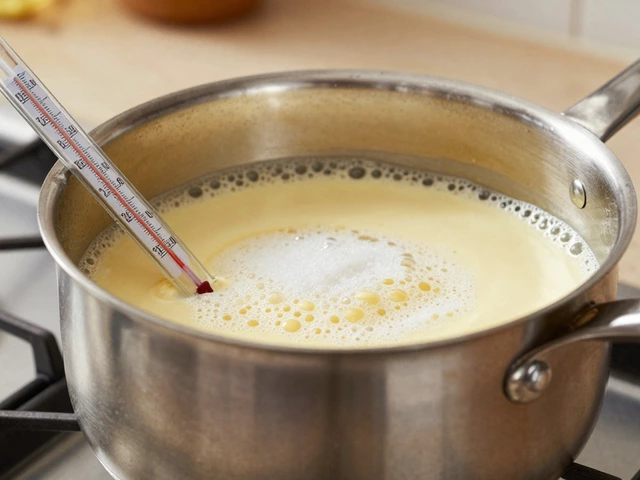
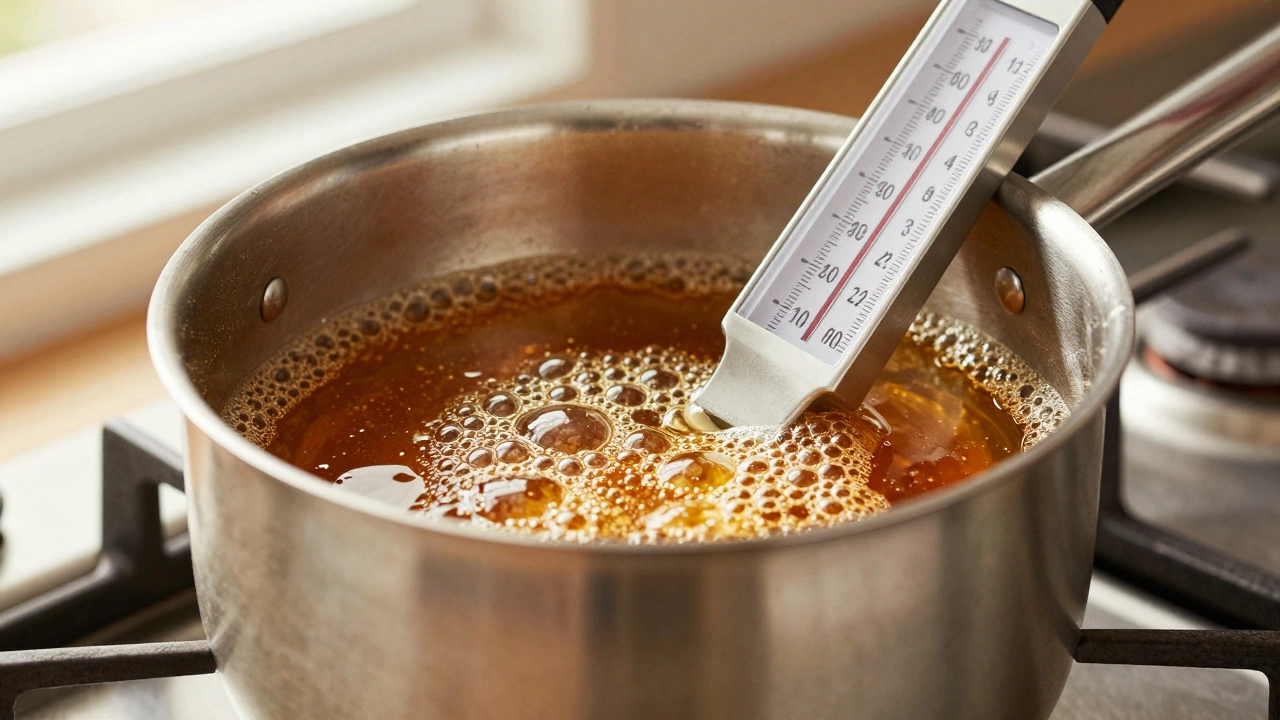
To make classic, creamy fudge, you need to cook your sugar mixture to the soft-ball stage. In practical terms, this means heating your ingredients until they reach between 234°F and 240°F (112°C to 116°C). This narrow window is critical. Below 234°F, your fudge will be too soft and may never set properly. Above 240°F, it becomes brittle and crumbly, losing that signature melt-in-your-mouth quality.
Why this specific range? Sugar solutions change their physical properties as water evaporates. At lower temperatures, there is too much water left in the mix. As you approach 234°F, the concentration of sugar reaches a point where it forms small, stable crystals when cooled and agitated. These tiny crystals are what give fudge its smooth texture. If you go higher, the crystals become larger and harder, resulting in a gritty or sandy mouthfeel.
| Temperature (°F) | Stage Name | Resulting Texture | Best For |
|---|---|---|---|
| 212°F - 230°F | Thread Stage | Sticky, syrupy | Syrups, glazes |
| 234°F - 240°F | Soft-Ball Stage | Soft, pliable, creamy | Fudge, caramel |
| 245°F - 250°F | Firm-Ball Stage | Firm but slightly bendable | Nougat, taffy |
| 270°F - 290°F | Hard-Crack Stage | Brittle, shatters easily | Lollipops, brittles |
Why Your Thermometer Might Be Lying to You
You can follow a recipe perfectly and still end up with failed fudge if your tools are off. Candy thermometers are not created equal, and many inexpensive ones drift significantly over time. A thermometer that reads 234°F might actually be showing 228°F or 240°F. This discrepancy is the silent killer of good fudge.
To ensure accuracy, perform a simple calibration test before you start cooking. Boil a pot of water on high heat. Pure water boils at exactly 212°F (100°C) at sea level. Place your thermometer in the boiling water (making sure the bulb doesn't touch the bottom of the pan). If it reads 212°F, you are good to go. If it reads 210°F, add 2°F to all future readings. If it reads 215°F, subtract 5°F. This quick step saves hours of frustration later.
Also, consider altitude. If you live in a high-altitude area like Denver or Salt Lake City, water boils at a lower temperature. For every 500 feet above sea level, the boiling point drops by approximately 1°F. Consequently, the target temperature for fudge also decreases. In Halifax, where I live, we are at sea level, so 234°F is our standard. But if you are baking in the mountains, you might aim for 230°F instead. Check local guidelines for your specific elevation to adjust accordingly.
The Cold Water Test: A Backup Plan
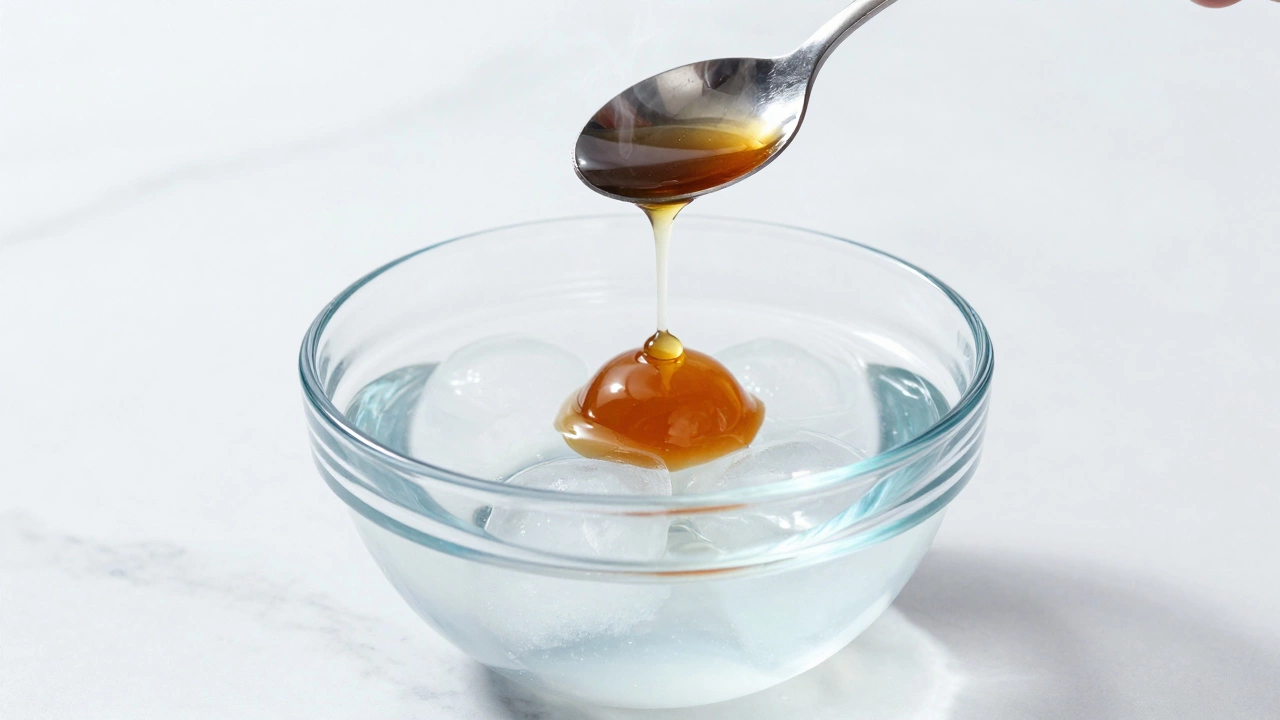
What if you don’t have a candy thermometer? Or what if it breaks mid-cook? You can still make fudge using the "cold water test," a traditional method used by bakers before digital gadgets existed. This technique relies on the physical behavior of sugar droplets in cold water.
Here is how to do it:
- Fill a small bowl with ice-cold water and place it next to your stove.
- When your sugar mixture has been cooking for several minutes and looks thickened, use a metal spoon to drop a tiny amount of the hot syrup into the cold water.
- Immediately try to retrieve the droplet with your fingers. It will be hot, so be careful.
- If the droplet holds together and feels soft and pliable-like a soft ball of dough-you have reached the soft-ball stage. Remove the pan from the heat immediately.
- If the droplet dissolves back into the water, keep cooking. If it forms a hard ball that snaps when bent, you have gone too far.
This method requires practice, but it is surprisingly accurate once you know what "soft" feels like. It is a great skill to have, especially when making large batches where multiple thermometers might fail.
Avoiding Graininess: The Secret of Seeding
Hitting the right temperature is only half the battle. The other half is controlling crystallization. If sugar crystals form too quickly during cooling, your fudge will be grainy. To prevent this, you need to introduce "seed" crystals at the right moment.
After removing the pan from the heat, let the mixture cool undisturbed to about 110°F. Do not stir it yet. Stirring too early encourages large crystal formation. Once it cools to 110°F, begin beating the mixture vigorously. This agitation forces the sugar to form millions of microscopic crystals rather than a few large ones. The result is a smooth, creamy texture.
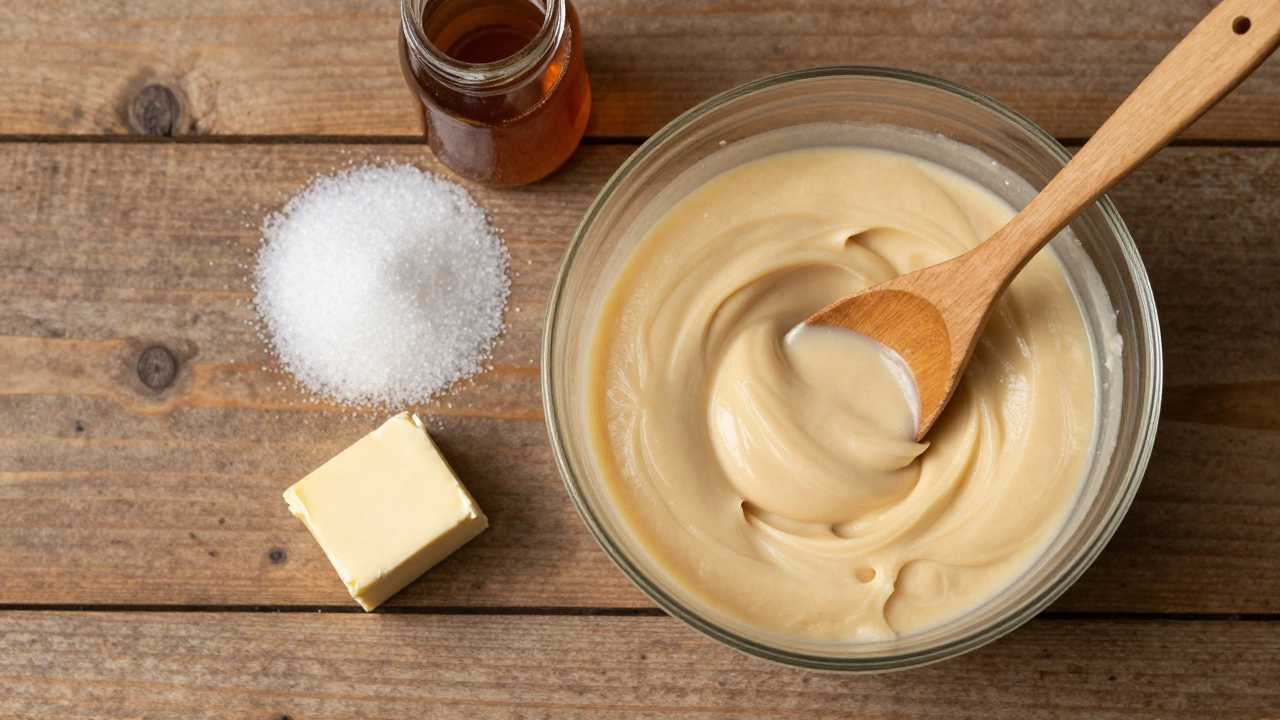
Some recipes call for adding corn syrup or cream of tartar at the beginning. These ingredients interfere with crystal formation, helping to keep the crystals small. Corn syrup contains glucose and maltose, which do not crystallize as easily as sucrose (table sugar). By including these invert sugars, you create a barrier that prevents the sucrose from clumping together. This is why professional fudge makers rarely skip the corn syrup step.
Troubleshooting Common Fudge Failures
Even with the right temperature, things can go wrong. Here are the most common issues and how to fix them:
- Too Soft/Won't Set: You likely undercooked the mixture. If you catch it early, you can return it to the heat and cook it to the correct temperature. However, if it has already been beaten, it is difficult to rescue. Next time, trust your thermometer.
- Too Hard/Crumbly: You overcooked it. The water content was too low. While you cannot uncook fudge, you can soften it by wrapping it tightly in foil and letting it sit at room temperature for a few days. The moisture from the air will slowly penetrate the fudge, softening it slightly.
- Grainy/Sandy: You stirred too early or didn't beat enough. Ensure you wait until the mixture cools to 110°F before beating. Also, scrape down the sides of the pan during cooking to prevent sugar crystals from forming on the edges, which can act as unwanted seeds.
- Greasy/Oily: Too much butter or fat was used, or the emulsion broke. Make sure to use the exact amount of butter specified in the recipe. Butter should be added after removing from heat, not during the boiling phase.
Pro Tips for Consistent Results
Experience helps, but these habits will make you successful from day one:
- Use a Heavy-Bottomed Pan: A stainless steel or copper saucepan distributes heat evenly. Thin pans cause hot spots, leading to uneven cooking and burnt sugar.
- Don't Lick the Spoon: Saliva contains enzymes that can break down sugar and affect crystallization. More importantly, it introduces impurities that can seed unwanted crystals. Use a clean spoon for testing.
- Clean the Sides: During the initial boil, sugar splashes can stick to the sides of the pan. These crystals can fall into the mixture and cause graininess. Dip a pastry brush in hot water and wipe the sides of the pan occasionally to dissolve any stray crystals.
- Patience During Cooling: Resist the urge to stir immediately. Letting the mixture cool to 110°F without disturbance is crucial for smooth texture. Use a regular kitchen thermometer to monitor this cooling phase.
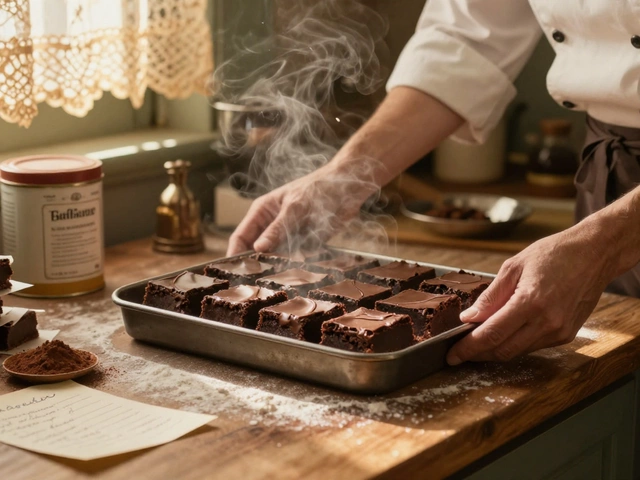
Making perfect fudge is a rewarding process that combines precision with patience. By mastering the 234°F to 240°F range and understanding the role of crystallization, you can consistently produce fudge that rivals store-bought versions. Remember, the first batch might not be perfect, but each attempt teaches you more about how sugar behaves under heat. Keep your thermometer calibrated, your hands steady, and your expectations realistic.
Can I make fudge without a candy thermometer?
Yes, you can use the cold water test. Drop a small amount of the hot syrup into ice water. If it forms a soft, pliable ball that flattens when pressed, you have reached the soft-ball stage (234°F-240°F). If it dissolves, keep cooking. If it forms a hard ball, you have gone too far.
Why did my fudge turn out grainy?
Graininess usually results from stirring the mixture too early during cooling or allowing sugar crystals to form on the sides of the pan during boiling. Always wait until the mixture cools to 110°F before beating it. Also, wipe the sides of the pan with a wet pastry brush during cooking to dissolve stray crystals.
How does altitude affect fudge temperature?
At higher altitudes, water boils at a lower temperature, so sugar concentrates faster. For every 500 feet above sea level, reduce the target temperature by 1°F. For example, at 5,000 feet, aim for 224°F-230°F instead of 234°F-240°F.
Can I fix fudge that is too soft?
If you catch it before beating, you can return the mixture to the heat and cook it to the correct temperature. If it has already been beaten and poured into the pan, it is difficult to fix. Next time, ensure you reach the full 234°F-240°F range before removing from heat.
What is the purpose of corn syrup in fudge?
Corn syrup contains invert sugars (glucose and maltose) that interfere with the crystallization of sucrose (table sugar). This helps prevent large sugar crystals from forming, resulting in a smoother, creamier texture rather than a grainy one.