Brazilian Macaron Price & Humidity Calculator
Input Parameters
Enter values to see the estimated total cost and production difficulty analysis.
It is a common misconception that macarons arrived in Brazil with the royal family or during the colonial era. In reality, these delicate almond meringue cookies are a relatively recent addition to the Brazilian culinary landscape. While Brazil has a rich tradition of sweet treats like brigadeiros and beijinhos, the specific introduction of the modern French macaron is tied to the late 20th and early 21st-century wave of high-end international gastronomy.
The question "who brought macarons to Brazil" does not have a single name attached to it, such as a famous chef or explorer. Instead, the answer lies in the expansion of global luxury brands and the rise of sophisticated pastry arts in major urban centers like São Paulo and Rio de Janeiro. The true pioneers were not individuals, but rather institutions: specifically, the arrival of iconic French patisseries and the training of local chefs who mastered the technique abroad.
The Arrival of Ladurée in São Paulo
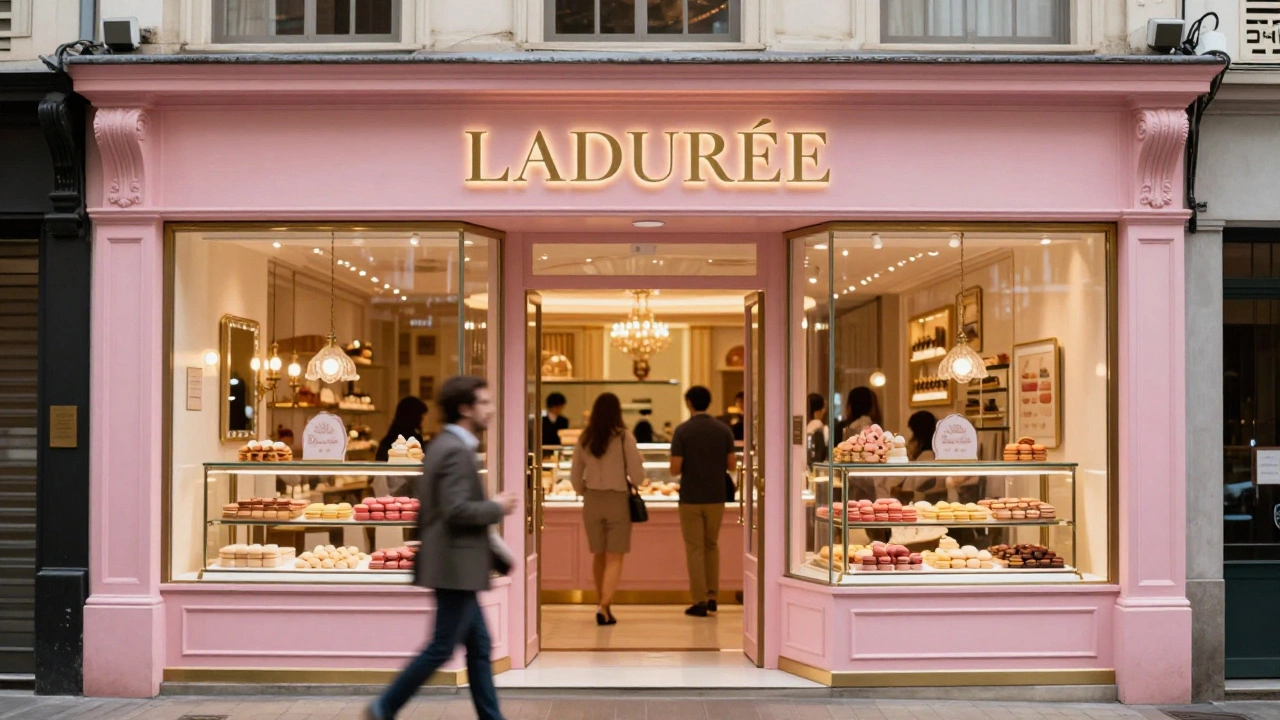
If we look for a definitive moment when macarons became widely recognized by the general public in Brazil, we point to the opening of Ladurée's first store in São Paulo. Located in the upscale Jardins district, this flagship store opened its doors in 2017. This event was significant because Ladurée is often credited with popularizing the macaron globally in its modern form. Before this, macarons were known only to those who had traveled to Europe or visited exclusive private clubs.
Ladurée’s entry into the Brazilian market signaled a shift in consumer behavior. Brazilians, particularly in São Paulo, began to view the macaron not just as a treat, but as a status symbol and a work of art. The store offered flavors that catered to local tastes while maintaining French authenticity, bridging the gap between European tradition and Brazilian preference for bold, fruity, and creamy profiles.
The Role of Local Patisseries and Chefs
While Ladurée made headlines, the real groundwork was laid years earlier by independent Brazilian pastry chefs. Throughout the 2000s, a new generation of chefs traveled to Paris and Lyon to study at prestigious schools like Le Cordon Bleu and Ferrandi. Upon returning to Brazil, they introduced the technical precision required to make perfect macarons-something that requires strict control over humidity, temperature, and ingredient quality.
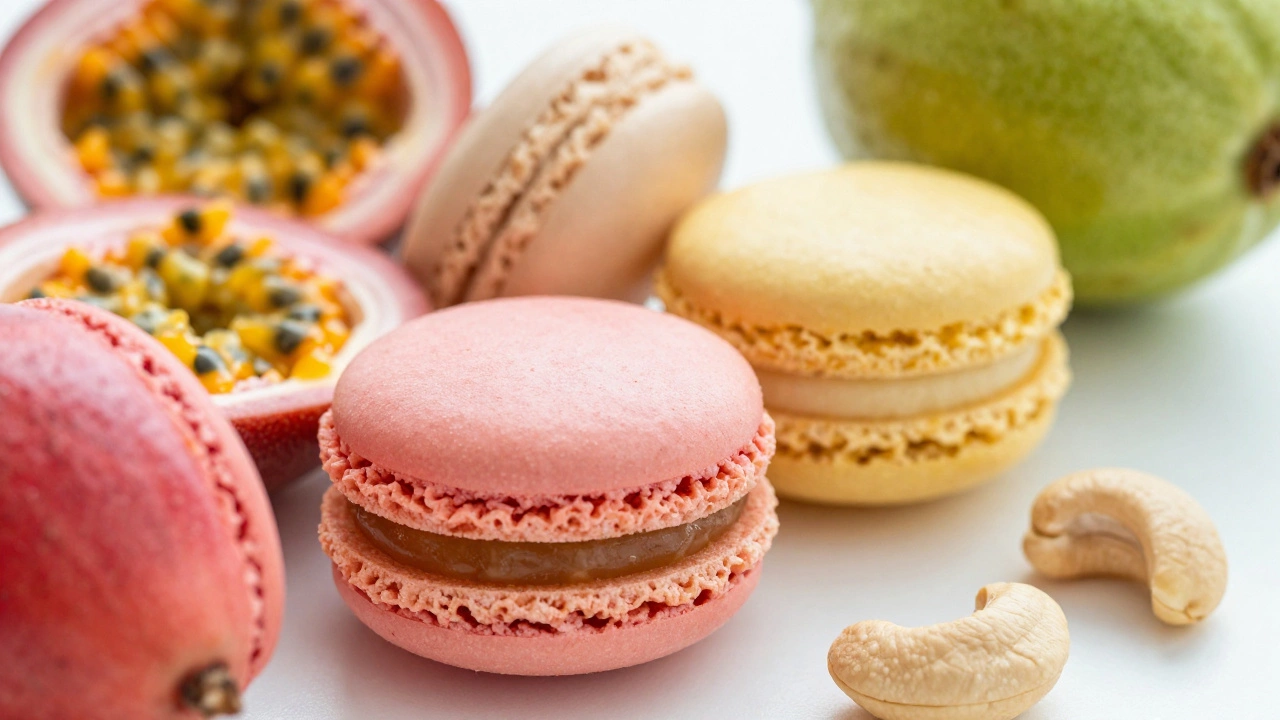
Chefs in cities like São Paulo, Brasília, and Belo Horizonte started experimenting with local ingredients. They replaced traditional French fillings with guava paste (goiabada), cashew cream, and passion fruit curd. This localization was crucial. It transformed the macaron from an exotic import into a dessert that felt familiar yet elevated. These local artisans did not just copy French recipes; they adapted them to thrive in Brazil’s tropical climate, which poses unique challenges for meringue-based confections.
Challenges of Making Macarons in a Tropical Climate
One reason why macarons were not present in Brazil earlier is the difficulty of producing them in a humid environment. Macarons are notoriously sensitive to moisture. The meringue shell needs to dry out slightly before baking to form the characteristic smooth top and ruffled foot. In countries with stable, dry climates, this process is manageable. In Brazil, where humidity can exceed 80% year-round in many regions, achieving consistency is a major technical hurdle.
To overcome this, Brazilian bakeries invested heavily in climate-controlled environments. Specialized drying rooms and precise oven calibration became standard practice. This infrastructure investment meant that macarons could only be produced at scale by well-equipped commercial kitchens, further delaying their widespread availability until the mid-2000s when technology and expertise converged.
Comparison: Traditional Brazilian Sweets vs. Macarons
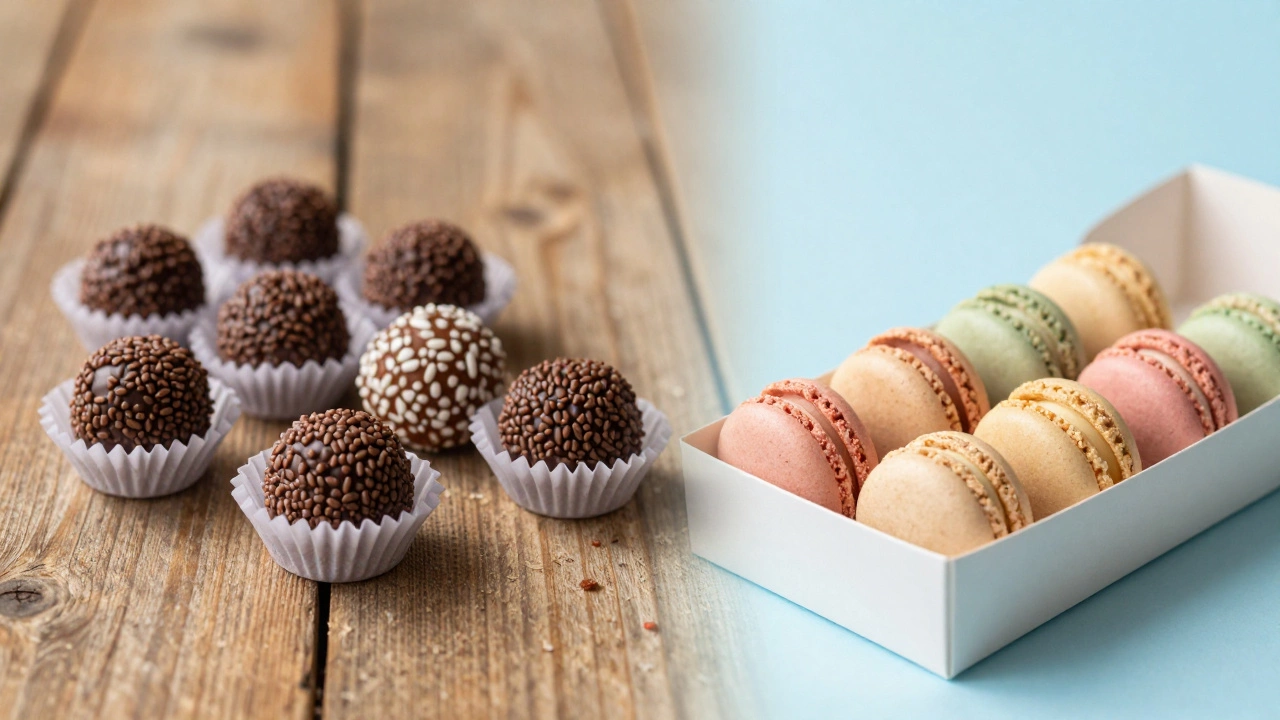
| Feature | Macaron | Brigadeiro |
|---|---|---|
| Origin | France (late 19th century) | Brazil (early 20th century) |
| Main Ingredients | Almond flour, egg whites, sugar | Condensed milk, cocoa powder, butter |
| Texture | Crispy shell, chewy interior | Dense, fudgy, soft |
| Production Difficulty | High (requires precision) | Low (home-friendly) |
| Price Point | Premium/Luxury | Affordable/Mass-market |
The Rise of Specialty Coffee Shops
Another channel through which macarons entered everyday Brazilian life was the specialty coffee movement. Starting in the late 2010s, third-wave coffee shops in São Paulo and Rio de Janeiro began offering curated pastries alongside their beans. Unlike traditional bakeries, these cafes focused on aesthetic presentation and flavor pairing. A macaron paired with a single-origin espresso became a popular afternoon ritual for young professionals.
This trend helped demystify the macaron. It moved the product away from being solely associated with luxury hotels and weddings, making it accessible to a broader demographic. Consumers began to appreciate the variety of flavors available, from classic vanilla and pistachio to innovative combinations like matcha-white chocolate or salted caramel.
Impact on the Brazilian Bakery Industry
The demand for macarons spurred innovation across the entire bakery sector. Suppliers began importing higher-quality almond flour and specialized food coloring. Equipment manufacturers developed more reliable ovens with steam injection capabilities. This ripple effect improved the overall quality of baked goods in Brazil, benefiting consumers even if they never bought a macaron.
Moreover, the success of macarons inspired other small-batch producers to experiment with other French techniques, such as croissants and éclairs. The macaron served as a gateway product, educating Brazilian consumers about the nuances of texture and flavor balance in high-end pastry.
Frequently Asked Questions
Who exactly invented the macaron?
The origins of the macaron are debated. Some historians credit Catherine de' Medici's Italian cooks in the 16th century with bringing almond cookies to France. However, the modern sandwich-style macaron with ganache filling was perfected by Pierre Desfontaines at the Ladurée patisserie in Paris around 1930.
Are macarons gluten-free?
Yes, traditionally macarons are made with almond flour, egg whites, and sugar, which are all gluten-free. However, cross-contamination can occur in bakeries that also produce wheat-based goods. Always check with the bakery if you have celiac disease or severe gluten sensitivity.
Why are macarons so expensive in Brazil?
Macarons are expensive due to the high cost of ingredients like almond flour and quality chocolate, the labor-intensive production process, and the need for specialized equipment to maintain consistency in humid climates. Additionally, many sellers position them as luxury items.
Can I make macarons at home in Brazil?
It is possible but challenging. You will need a kitchen dehumidifier or air conditioner to control moisture levels. Using an oven thermometer is essential, as most home ovens have inaccurate dials. Many Brazilian bakers recommend starting with the Italian meringue method, which is more stable than the French method in humid conditions.
What is the difference between a macaron and a macaroon?
A macaron is a smooth, round French cookie made with almond flour. A macaroon is typically a coconut-based cookie, often oval-shaped and chewier. Despite the similar names, they are completely different desserts with distinct ingredients and textures.