Spicy Cookie Matchmaker
Find Your Flavor Profile
Answer two questions to discover which spicy cookie reigns supreme for you.
Select your preferences to find your perfect match.
The Heat Wave in Your Cookie Jar
You’ve baked your fair share of sugar cookies. You know the classics: oatmeal raisin, peanut butter, maybe even a fancy macaron or two. But have you ever taken a bite and felt a slow-building warmth that made your eyes water just slightly? That’s the thrill of the spicy cookie, a dessert treat infused with capsaicin-rich peppers like cayenne, jalapeño, or habanero to create a complex flavor profile. It’s not about pain; it’s about contrast. Sweet meets heat, and the result is an addictive sensory experience that keeps you reaching for another one.
So, who holds the crown? Who is the king of spicy in the world of homemade cookies? There isn’t just one ruler here. Depending on what kind of kick you’re looking for, the title shifts between three main contenders: the fiery Cayenne Chocolate Chip, the smoky Jalapeño Ginger Snap, and the exotic Habanero Peanut Butter Cup. Let’s break down why each deserves a spot on the throne and how you can make them yourself without burning your kitchen down.
The Usurper: Cayenne Pepper Chocolate Chip Cookies
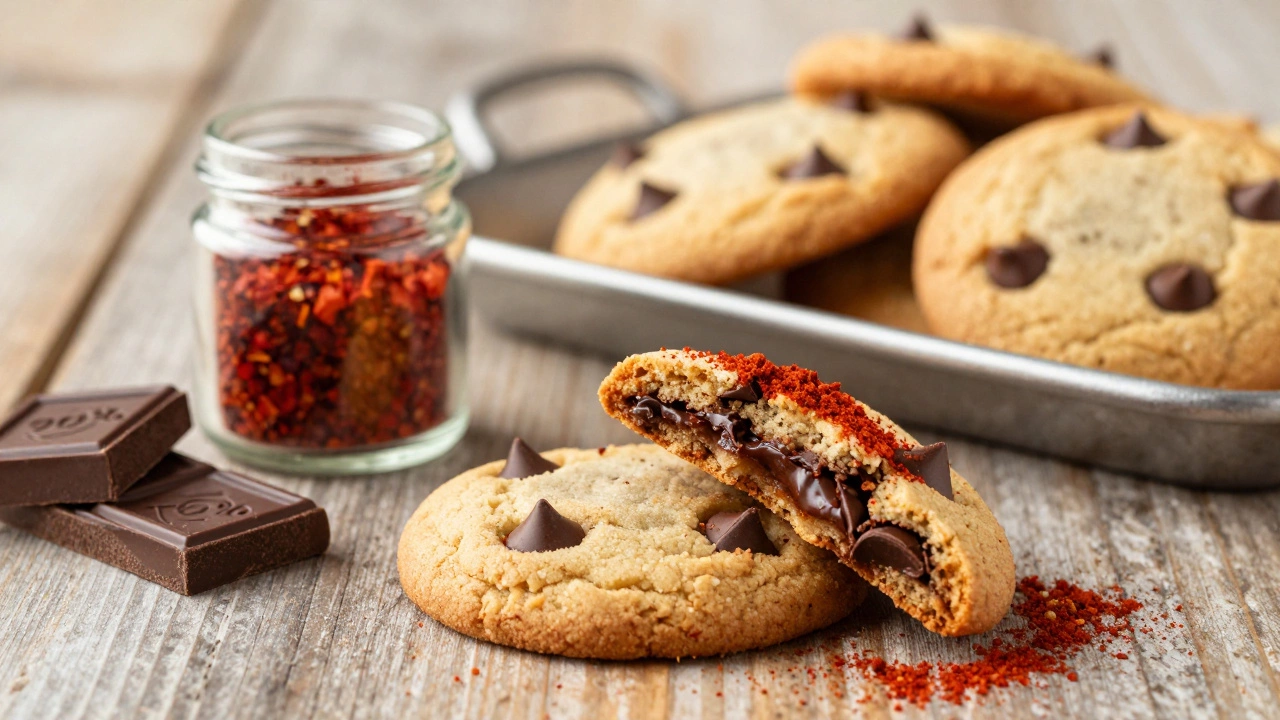
If we are talking about popularity, the Cayenne Chocolate Chip cookie is the current reigning monarch. This isn’t a new trend, but it has exploded in recent years because it solves a common problem: chocolate cookies can sometimes feel too heavy or cloying. A pinch of cayenne cuts through that richness like a knife.
Cayenne pepper contains capsaicin, the compound responsible for the heat. When paired with dark chocolate (70% cocoa or higher), the bitterness of the cacao balances the spice, while the fat in the butter carries the flavor evenly. The result is a cookie that tastes sweet at first, then delivers a gentle, lingering warmth at the back of your throat.
Here is the secret most recipes miss: timing. If you add cayenne to the dry ingredients too early, the heat can become bitter. Instead, whisk a small amount into the wet mixture or fold it in right before adding the chocolate chips. Start with 1/4 teaspoon per batch. You want a whisper of heat, not a shout. If you like it hotter, go up to 1/2 teaspoon, but never more unless you enjoy crying over your baking sheet.
The Smoky Challenger: Jalapeño Ginger Snaps
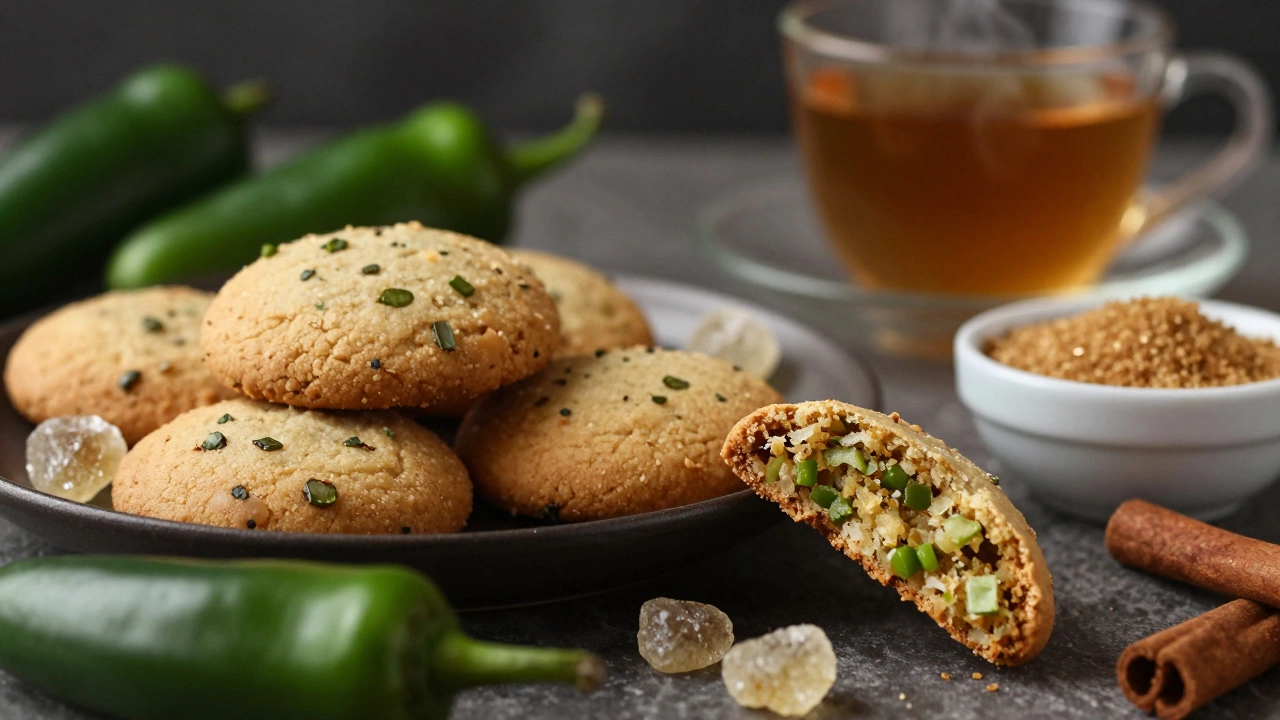
While cayenne brings pure fire, jalapeños bring complexity. The Jalapeño Ginger Snap is the runner-up for king, especially if you prefer aromatic spices over raw heat. Fresh jalapeños contain moisture, which changes the texture of the cookie, making it slightly chewier and denser than a standard snap.
This combination works because ginger and jalapeño share earthy, pungent notes. The ginger provides a zesty upfront flavor, while the jalapeño adds a smoky undertone, especially if you roast the peppers before mincing them. Roasting also mellows the sharpness, making it more approachable for beginners.
To make this work, you need to balance the moisture content. Remove all seeds and membranes from the jalapeño-this is where most of the capsaicin lives anyway. Finely mince the flesh and mix it with brown sugar. Brown sugar pairs better with fresh vegetables than white sugar does because its molasses content complements the vegetal sweetness of the pepper. Bake these at a slightly lower temperature (325°F instead of 350°F) to ensure the center cooks through without burning the edges.
The Exotic Contender: Habanero Peanut Butter Cups
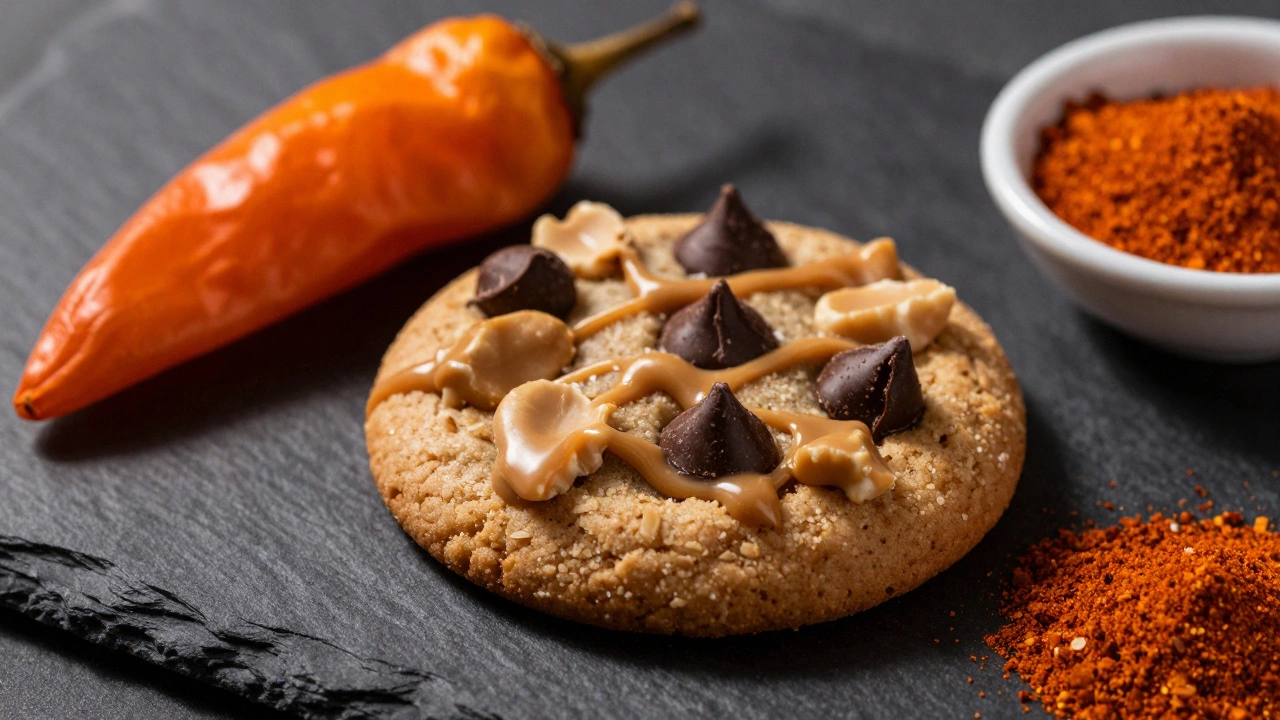
If the previous two are safe bets, the Habanero Peanut Butter cookie is the rebel. Habaneros are significantly hotter than cayenne or jalapeños, often rated between 100,000 and 350,000 Scoville Heat Units. Using them requires precision. One wrong move, and you have inedible lava rocks instead of cookies.
However, when done right, this is the best spicy cookie on the market. The nuttiness of peanut butter acts as a perfect buffer against extreme heat. Fats bind with capsaicin, reducing the perceived burn on your tongue. By embedding chunks of chocolate-covered peanuts or drizzling melted peanut butter over the dough, you create pockets of cool relief amidst the spice.
For this recipe, do not use fresh habaneros. Use powdered habanero or a high-quality hot sauce reduction. Powder gives you control. Start with 1/8 teaspoon per batch. Taste the dough (carefully!) before baking. Remember, baking concentrates flavors, so if the dough tastes mild, the cookie will taste medium. If the dough tastes hot, the cookie will be nuclear.
Comparison: Which Spicy Cookie Reigns Supreme?
| Cookie Type | Primary Spice | Heat Level | Best Paired With | Difficulty |
|---|---|---|---|---|
| Cayenne Chocolate Chip | Cayenne Powder | Mild to Medium | Dark Chocolate, Milk | Easy |
| Jalapeño Ginger Snap | Fresh Jalapeño | Mild | Ginger Tea, Coffee | Medium |
| Habanero Peanut Butter | Habanero Powder/Sauce | High | Cold Water, Ice Cream | Hard |
How to Handle the Heat: Baking Tips for Beginners
Adding peppers to baked goods might sound intimidating, but it’s simpler than you think. The key is understanding how heat interacts with other ingredients. Here are some practical rules to follow:
- Wear Gloves: Capsaicin is oil-soluble and sticks to skin. Wash your hands thoroughly after handling fresh peppers, and avoid touching your face. Nitrile gloves are cheap and effective.
- Balance with Fat: Butter, chocolate, and nuts all help mitigate the burn. Never pair spicy elements with lean, dry ingredients like plain flour without enough fat.
- Start Small: You can always add more spice, but you can’t take it out. Begin with half the recommended amount and adjust based on your tolerance.
- Use Quality Peppers: Cheap chili powder often contains fillers like cornstarch or anti-caking agents that can alter texture. Buy whole dried peppers and grind them yourself, or buy reputable brands like Cholula or Tapatio for sauces.
Serving Suggestions: Pairing Your Spicy Treats
Spicy cookies aren’t just eaten alone. They shine when paired with complementary drinks. The goal is to soothe the palate between bites. Cold milk is classic, but try these alternatives:
- Cold Brew Coffee: The bitterness enhances the chocolate notes in cayenne cookies.
- Iced Chai Latte: The cardamom and cinnamon in chai mirror the spices in jalapeño ginger snaps.
- Sweet White Wine: A Riesling or Moscato cuts through the richness of peanut butter and balances the heat of habaneros.
Troubleshooting Common Issues
Even experienced bakers run into trouble with spicy cookies. Here’s how to fix common problems:
- Too Bitter: If your cookies taste bitter, you likely used too much cayenne or burned the peppers. Next time, reduce the spice by half and check your oven temperature.
- Too Dry: Fresh peppers add moisture, but powdered ones don’t. If using powder, increase the butter or egg yolk slightly to maintain chewiness.
- Uneven Heat: If some bites are hot and others aren’t, your mixing wasn’t thorough. Ensure the spice is fully incorporated into the dry mix before combining with wet ingredients.
Why Spicy Cookies Are Worth the Effort
In a world of predictable desserts, spicy cookies offer adventure. They engage multiple senses, creating a memorable experience that plain sugar cookies simply can’t match. Whether you choose the reliable cayenne chocolate chip, the aromatic jalapeño ginger snap, or the daring habanero peanut butter cup, you’re stepping into a niche that rewards creativity and boldness.
Don’t be afraid to experiment. Try adding smoked paprika for depth, or crushed red pepper flakes for texture. The "king of spicy" isn’t a fixed title-it’s whatever flavor profile excites you most. So preheat your oven, put on those gloves, and start baking. Your taste buds will thank you.
Can I use any type of chili powder for spicy cookies?
Not really. Ancho or pasilla powders are mild and fruity, good for subtle flavor. Cayenne and habanero powders provide actual heat. Avoid blends with garlic or onion powder unless you want savory cookies. Stick to pure chili powders for best results.
Do spicy cookies keep well?
Yes, they store similarly to regular cookies. Keep them in an airtight container at room temperature for up to a week. The heat doesn’t degrade quickly, so they’ll stay spicy. For longer storage, freeze them for up to three months.
Is it safe for kids to eat spicy cookies?
It depends on their tolerance. Most children handle mild heat fine, but avoid habaneros for young kids. Start with very small amounts of cayenne and observe their reaction. Always have milk on hand to soothe any discomfort.
Why do my spicy cookies spread too much?
This usually happens if your butter is too soft or your oven isn’t hot enough. Chill your dough for at least 30 minutes before baking. Also, ensure you’re using room-temperature eggs, not warm ones, which can melt the butter prematurely.
What is the hottest cookie I can make safely?
Carolina Reaper powder exists, but it’s extremely dangerous for home baking due to potency. Stick to habanero or ghost pepper powder for maximum safe heat. Always label your cookies clearly so guests know what they’re eating.