Gluten-Free Flour Blend Builder
Build a custom flour blend based on the type of baked good you are making. This tool helps replicate the structural role of gluten using the right combination of ingredients.
You’ve probably been there. You follow a recipe exactly, you measure every gram, you watch the oven like a hawk, and yet your gluten free cake comes out dry as sand or crumbles into a sad pile on the plate. It’s frustrating, especially when you’re trying to bake for someone with celiac disease or just want a lighter dessert. But here’s the truth: there isn’t one single "secret" ingredient that fixes everything. The real magic lies in understanding how gluten works-and then replacing its structural role with the right combination of starches, gums, and fats.
If you live in Halifax like I do, you know that humidity can play tricks on baking. In a coastal climate, moisture management is half the battle. But whether you are in a humid city or a dry desert, the principles of successful gluten-free baking remain the same. It’s about structure, hydration, and patience. Let’s break down exactly what goes wrong and how to fix it, so you can stop guessing and start baking with confidence.
Why Gluten Matters (And Why Removing It Breaks Things)
To understand why gluten-free baking is tricky, you have to look at what gluten actually does. When you mix wheat flour with water, two proteins-gliadin and glutenin-link up to form gluten. This network acts like an elastic web. It traps air bubbles from leavening agents and holds the dough together while it bakes. Without this web, your cake has no skeleton. It collapses, dries out, or turns gummy because there’s nothing holding the starch granules in place.
Most beginners make the mistake of simply swapping all-purpose flour for rice flour in a 1:1 ratio. That’s a disaster waiting to happen. Rice flour lacks the elasticity and the protein content needed to mimic that gluten network. If you try to knead a gluten-free dough like bread dough, you’ll end up with a dense brick. Instead, you need to replicate the glue-like properties of gluten using hydrocolloids and different types of starches.
The Holy Trinity: Starches, Flours, and Gums
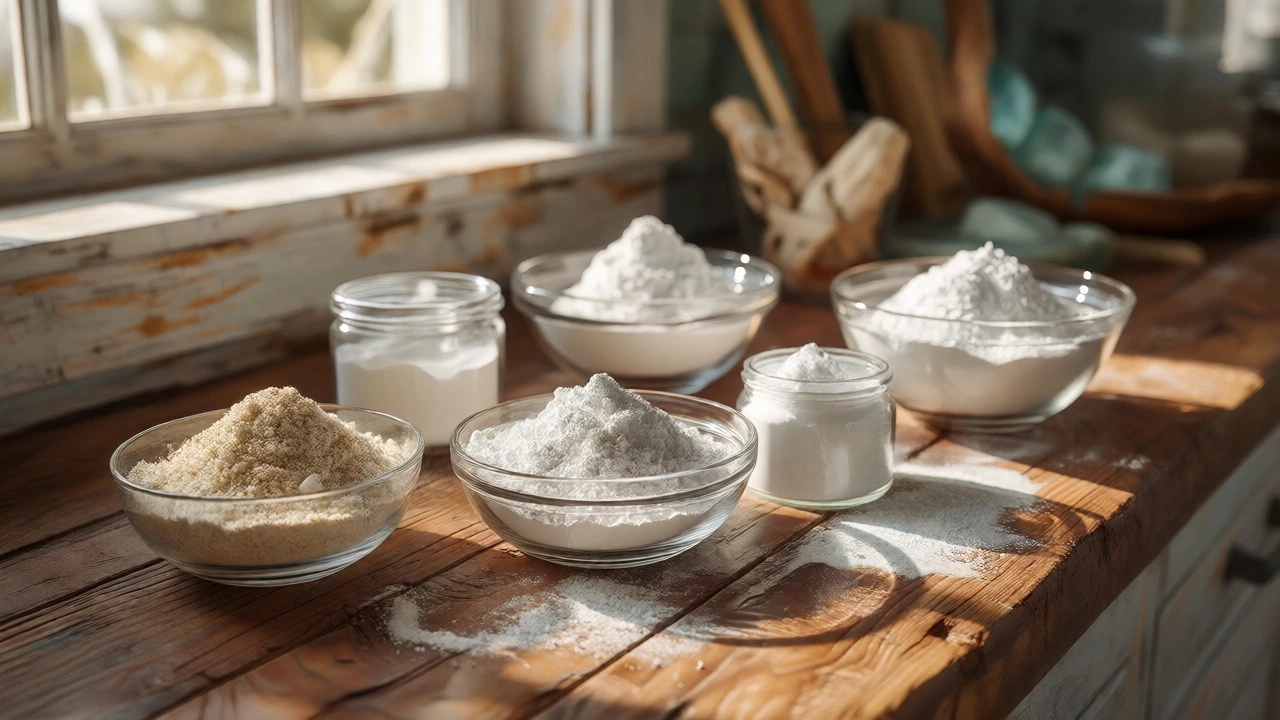
Successful gluten-free baking relies on a balanced blend of ingredients, not a single substitute. Think of it as building a team where each member has a specific job. You cannot rely on just one type of flour; you need a mix to get the right texture and flavor.
- Protein-Rich Flours: These provide structure and nutrition. Almond flour and coconut flour are popular choices. Almond flour adds fat and moisture, which helps combat dryness, but it doesn’t absorb liquid the way wheat flour does. Coconut flour is extremely absorbent-you often only need a quarter cup of it to replace a full cup of wheat flour. Using too much makes the cake rubbery.
- Starchy Flours: These lighten the texture and prevent grittiness. Tapioca starch, potato starch, and cornstarch are key players. They don’t add flavor, but they create that soft, fluffy crumb we associate with good cakes. Potato starch, in particular, mimics the chewiness of gluten better than cornstarch.
- Gums: This is the non-negotiable part. Xanthan gum or guar gum acts as the binder. It creates viscosity and elasticity, trapping air bubbles so your cake rises instead of spreading flat. For most recipes, use about 1/4 teaspoon of xanthan gum per cup of gluten-free flour blend. If you skip this, your cake will likely fall apart when you cut it.
Here is a quick reference guide to common gluten-free flours and their roles:
| Flour Type | Primary Role | Best Used With | Absorption Rate |
|---|---|---|---|
| Almond Flour | Adds moisture, fat, and density | Cakes, cookies, brownies | Low |
| Rice Flour | Base structure, neutral flavor | Bread, general baking | Medium-High |
| Tapioca Starch | Chewiness, lightness | Pie crusts, cakes | High |
| Potato Starch | Softness, moisture retention | Yeast breads, muffins | Very High |
| Coconut Flour | Fiber, binding, strong flavor | Needs extra eggs/liquid | Extremely High |
Hydration Is Your Best Friend
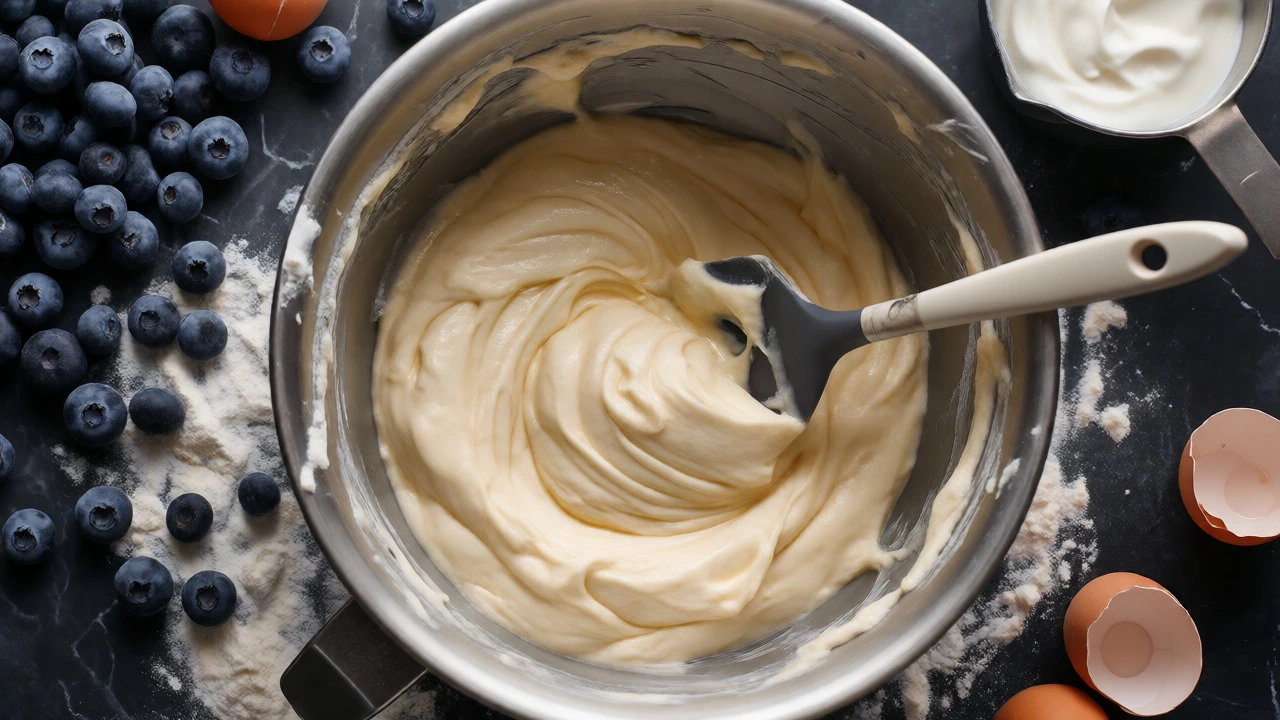
One of the biggest differences between wheat and gluten-free baking is how the batter behaves. Wheat flour absorbs water slowly. Gluten-free flours, especially those high in starch like tapioca or potato, absorb moisture rapidly. This means your batter might look thin when you first mix it, but it will thicken significantly after sitting for a few minutes.
Do not be tempted to add more flour if the batter looks runny. If you do, you’ll end up with a dry cake. Instead, let the batter rest for 15-30 minutes before pouring it into the pan. This allows the starches to fully hydrate and swell. You’ll notice the batter becomes thicker and smoother. This resting period is crucial for preventing a gritty texture, which is a common complaint with rice-based blends.
Also, consider adding an extra egg yolk or a tablespoon of yogurt to your recipe. The fat in the yolk and the acidity in the yogurt help tenderize the crumb and keep the cake moist for longer. Since gluten-free baked goods tend to stale faster than wheat-based ones, keeping them moist is essential.
Mixing Techniques: Less Is More
With wheat flour, you mix until the gluten develops. With gluten-free flour, you mix until just combined. Overmixing introduces too many large air bubbles that the weak structure cannot support. These bubbles expand during baking and then collapse, leaving you with holes or a sunken center.
Use a spatula rather than a whisk for the final stages of mixing. Fold the ingredients gently. If you are using a stand mixer, keep it on low speed. Once the wet and dry ingredients come together, stop. There should still be some streaks of flour visible. The residual heat from baking will finish the job without toughening the cake.
Baking Adjustments for Success
Gluten-free cakes often require slight adjustments to temperature and time. Because they lack the structural integrity of gluten, they are more prone to sinking if opened too early. Keep the oven door closed for the first 75% of the baking time. A sudden drop in temperature can cause the delicate structure to collapse instantly.
Check for doneness carefully. The toothpick test still works, but gluten-free cakes can go from undercooked to overcooked quickly. Pull the cake out when a toothpick inserted into the center comes out with a few moist crumbs attached, not completely clean. The residual heat will continue to cook the interior as it cools. This prevents the dryness that plagues so many attempts.
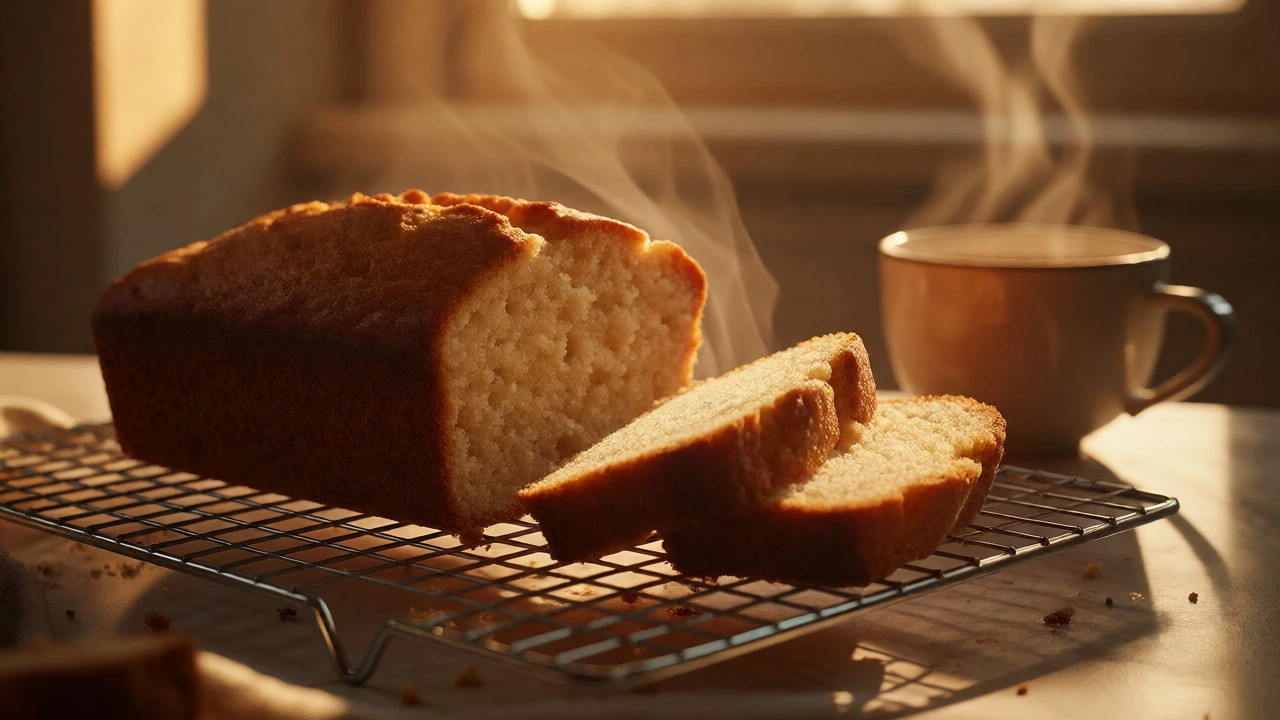
Let the cake cool in the pan for at least 10-15 minutes. Gluten-free structures are fragile when hot. If you try to remove it immediately, it will likely break apart. Run a knife around the edges to loosen it, then invert it onto a wire rack. Cooling on a rack ensures air circulation, preventing the bottom from getting soggy.
Flavor Pairings That Shine
Since gluten-free flours can sometimes taste earthy or bland, flavor masking is important. Citrus zest, vanilla bean paste, and spices like cinnamon or cardamom work wonders. Dark chocolate also pairs beautifully with almond flour bases because the richness of the cocoa complements the nutty notes.
In Halifax, we have access to great local berries. Blueberries or raspberries folded into the batter add natural moisture and acidity, which helps balance the heaviness of some gluten-free flours. Just be sure to toss the berries in a little gluten-free flour before folding them in. This prevents them from sinking to the bottom of the pan.
Can I use regular flour in a gluten-free recipe?
No, you cannot swap regular flour for gluten-free flour in a standard recipe without adjustments. Regular flour contains gluten, which provides structure. Gluten-free flour requires binders like xanthan gum and usually needs more liquid or eggs to achieve a similar texture. Always follow a recipe specifically designed for gluten-free baking.
Why is my gluten-free cake gummy?
A gummy texture usually means the cake was underbaked or contained too much starch without enough protein or fat. Ensure you bake it long enough (check with a thermometer for an internal temp of 200°F/93°C) and consider reducing the amount of tapioca or potato starch if it persists. Adding an extra egg white can also help set the structure.
Do I always need xanthan gum?
Not always, but it is highly recommended for cakes and breads. Some commercial gluten-free flour blends already include xanthan gum, so check the label. If you prefer to avoid gums, you can use psyllium husk powder or ground flaxseed meal, though these may alter the flavor and color slightly.
How do I store gluten-free cakes?
Gluten-free baked goods stale faster than wheat-based ones. Store them in an airtight container at room temperature for up to two days. For longer storage, freeze individual slices wrapped in plastic wrap and foil. Thaw at room temperature for best results. Refrigeration can actually accelerate staling due to starch retrogradation.
What is the best gluten-free flour for beginners?
Start with a pre-mixed "measure-for-measure" gluten-free flour blend. Brands like King Arthur Measure for Measure or Bob's Red Mill 1-to-1 Baking Flour are formulated to mimic all-purpose flour closely. They already contain the necessary ratios of starches and gums, reducing the chance of error while you learn the basics.