Fudge Setting Troubleshooter
Step 1: Analyze Your Ingredients
Step 2: Process Check
Select the issues that match your experience to receive a diagnosis.
Rescue Plan Generator
Based on your inputs above, this tool suggests the best fix. If you haven't analyzed yet, it assumes standard failure modes.
Recommended Action:
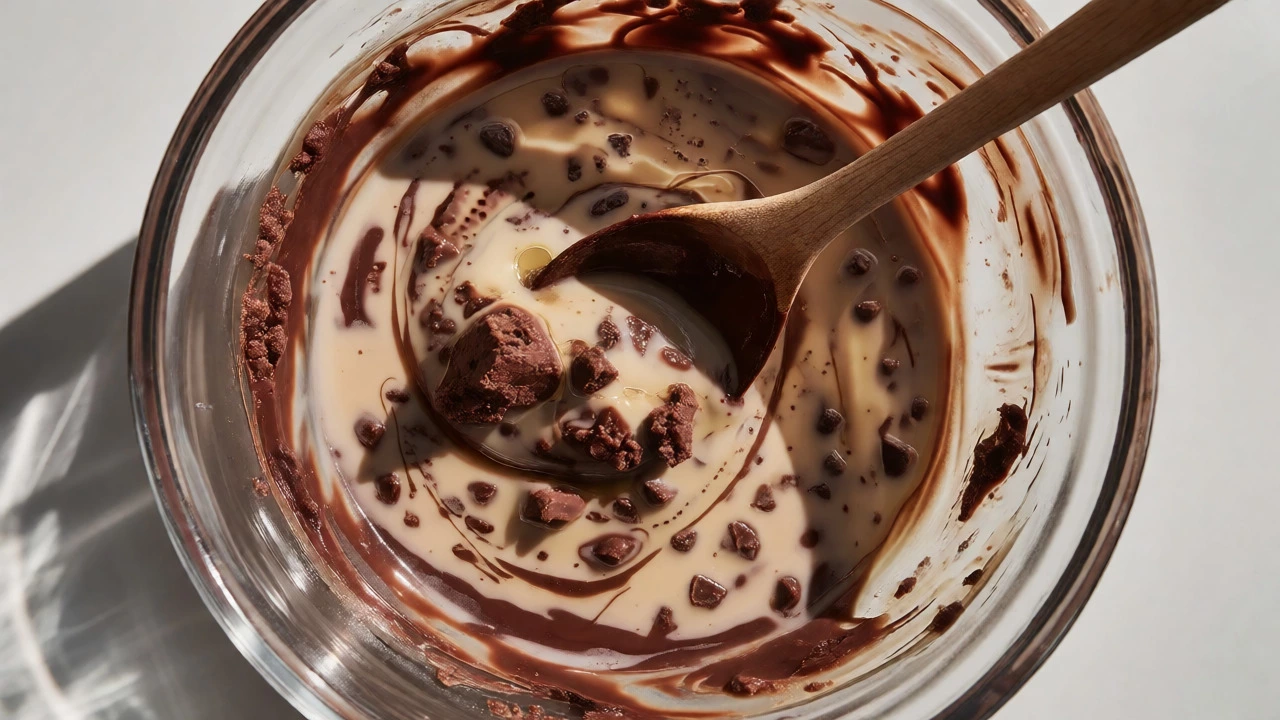
You mixed the chocolate chips and condensed milk. You stirred until it looked perfect. You poured it into the pan, popped it in the fridge, and waited. But when you went to cut a slice, your 3-ingredient fudge was still a gooey mess. It didn't firm up. It didn't slice cleanly. It just stuck to your knife and slid around the plate like soft ice cream.
This is frustrating because this recipe is supposed to be foolproof. No boiling sugar syrup, no precise temperature monitoring (usually), just mix and chill. So why did it fail? The truth is, "easy" doesn't mean "magic." Chemistry is happening in that pot, and if one variable is off, the structure collapses. Whether you're using dark chocolate, white chocolate, or peanut butter chips, the principles of setting are similar. Let's figure out exactly what went wrong so your next batch turns out firm, creamy, and sliceable.
The Sugar Ratio Problem: Too Much Liquid
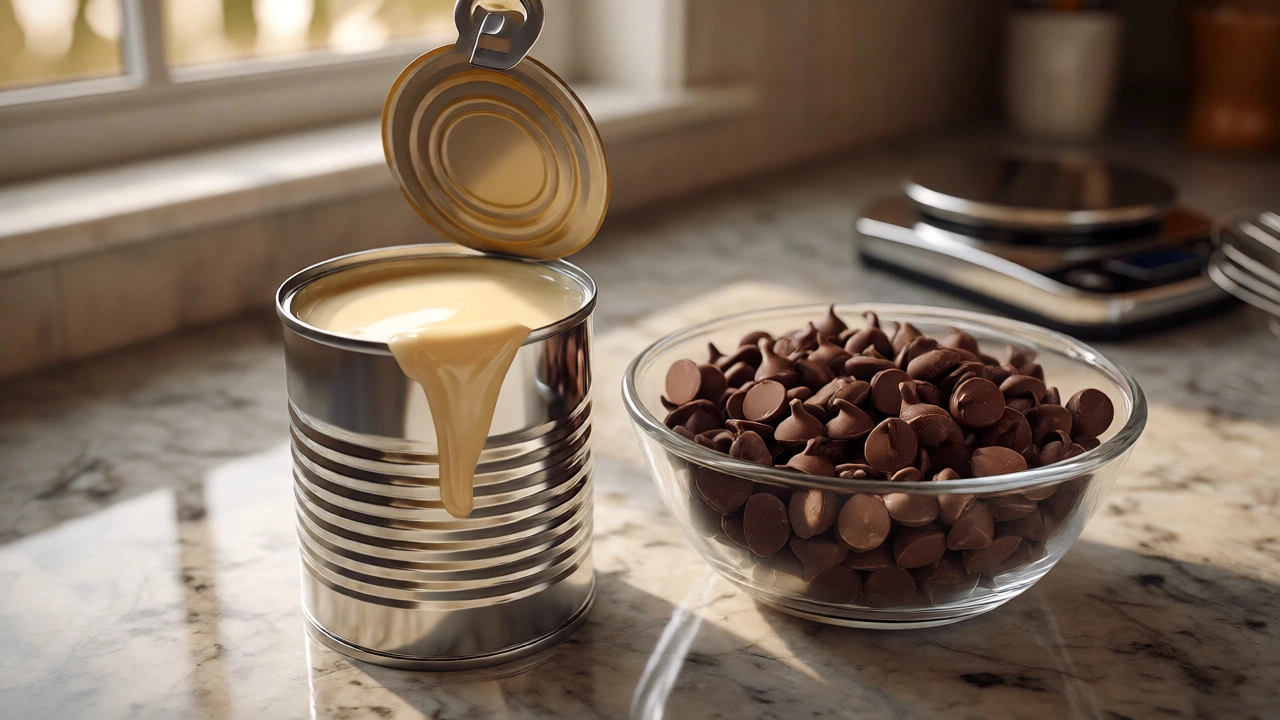
Here is the most common reason for failure: sweetened condensed milk contains about 40% water. When you melt chocolate into it, you aren't just mixing fats; you are diluting the cocoa butter solids that help the fudge harden at room temperature. If you used too much condensed milk relative to the chocolate, there simply isn't enough solid fat to create a stable lattice structure once cooled.
Think of it like making ganache. A standard ganache uses a 1:1 ratio of cream to chocolate by weight for a soft truffle texture. For fudge, which needs to hold its shape when picked up with fingers, you need a higher ratio of chocolate to liquid. Most reliable recipes call for roughly equal weights of chocolate chips and condensed milk, but sometimes less liquid is better. If your fudge is runny, you likely added too much milk or used a chocolate brand with lower cocoa butter content.
| Chocolate Type | Recommended Ratio (Weight) | Expected Texture |
|---|---|---|
| Semi-Sweet / Dark Chips | 1 part Chocolate : 0.8 parts Condensed Milk | Firm, slices cleanly |
| Milk Chocolate Chips | 1 part Chocolate : 0.9 parts Condensed Milk | Creamy, slightly softer |
| White Chocolate Chips | 1 part Chocolate : 0.7 parts Condensed Milk | Very firm, prone to seizing |
If you followed a recipe blindly that said "one can of milk," check the weight. A standard can is 14 ounces (396g). If your bag of chips was only 10 ounces, you have way too much liquid. Always weigh your ingredients if possible. Volume measurements (cups) vary wildly depending on how tightly you pack the chips.
Temperature Shock: Did You Melt It Correctly?
Another major culprit is heat management. Chocolate is sensitive. If you overheated it, the emulsion breaks. This is called "seizing," but often in 3-ingredient fudge, it manifests as a grainy, oily separation that never re-binds properly upon cooling.
Many people use the microwave method. They blast it for two minutes straight. Mistake. Chocolate scorches easily. Once the proteins in the cocoa solids burn, they clump together and repel the fats. The result is a mixture that looks curdled. Even if you stir it vigorously, it won't smooth out. To fix this, you need gentle, indirect heat. Use a double boiler or microwave in 30-second intervals, stirring thoroughly between each burst. The goal is to melt the chips just until they are glossy and fluid, not hot to the touch.
Conversely, if you didn't melt it enough, you might have undissolved chunks. These act as nucleation sites, preventing the rest of the mixture from crystallizing uniformly. Ensure every last chip is melted before adding any flavorings or pouring into the pan.
The Cooling Process: Patience Pays Off
You put it in the fridge for an hour, took it out, and it was still soft. Did you give up? Fudge sets through crystallization and solidification of fats. This takes time. While refrigeration speeds this up, rushing the process leads to disappointment.
Most 3-ingredient fudges need at least 4 hours in the refrigerator to set fully. Some high-fat varieties might even benefit from overnight chilling. If you try to cut it while warm or barely cool, the cocoa butter is still semi-solid. It will smear rather than slice.
Here is a pro tip: Do not cover the fudge tightly with plastic wrap while it is still warm. Trapped steam creates condensation, which drips back onto the surface, making it sticky and preventing the top layer from forming a skin. Let it cool uncovered for 30 minutes first, then loosely cover it to prevent it from absorbing fridge odors.
Ingredient Quality Matters More Than You Think
Not all chocolate chips are created equal. Baking chips are formulated to hold their shape in cookies, meaning they contain stabilizers and less cocoa butter than baking bars. This affects setting power. High-quality couverture chocolate has more cocoa butter, which helps fudge snap firmly. Cheap compound chocolate (which uses vegetable oils instead of cocoa butter) might set differently, often becoming waxy rather than creamy.
Also, check your condensed milk. If the can was dented or expired, the consistency might be off. Sometimes manufacturers change formulations. I've noticed that store-brand condensed milk can be slightly thinner than name brands like Eagle Brand. If your fudge consistently fails, switch brands. It sounds trivial, but protein and fat content variations impact the final structure.
How to Rescue Failed Fudge
So, you have a bowl of runny fudge. Don't throw it away. You can save it. Here are three methods, ranked by effectiveness:
- Add More Chocolate: Melt another half-cup of chocolate chips separately. Stir them into your failed batch. This increases the solid-to-liquid ratio. Pour it back into the pan and chill again. This usually fixes the "too much milk" problem instantly.
- Reheat and Cook Longer: If the mixture feels watery, pour it back into a saucepan over low heat. Stir constantly for 5-10 minutes. You want to evaporate some of the water content. Watch closely so it doesn't scorch. Once it thickens slightly, pour and chill.
- Freeze It: If it's close to setting but just too soft, put it in the freezer for 30 minutes. Cocoa butter hardens significantly faster at freezing temperatures. Just don't forget it there, or you'll end up with rock-hard blocks that crack when you try to cut them.
If the fudge seized (became grainy), add a teaspoon of heavy cream or corn syrup. The extra liquid can sometimes re-emulsify the fats if caught early. Stir vigorously. If it remains gritty, it's probably burnt, and you'll need to start over.
Preventing Future Failures
To ensure your next batch works perfectly, follow these rules:
- Weigh Your Ingredients: Use a kitchen scale. Aim for a 1:1 weight ratio initially, adjusting based on your specific chocolate brand.
- Low and Slow Heat: Never rush the melting process. Low power in the microwave or a gentle simmer on the stove.
- Stir Constantly: Prevents hot spots and ensures even heating.
- Chill Long Enough: Wait at least 4 hours in the fridge. Test with a toothpick; it should come out clean.
- Use Parchment Paper: Lining your pan makes removal easy and prevents sticking, which can distort the shape during extraction.
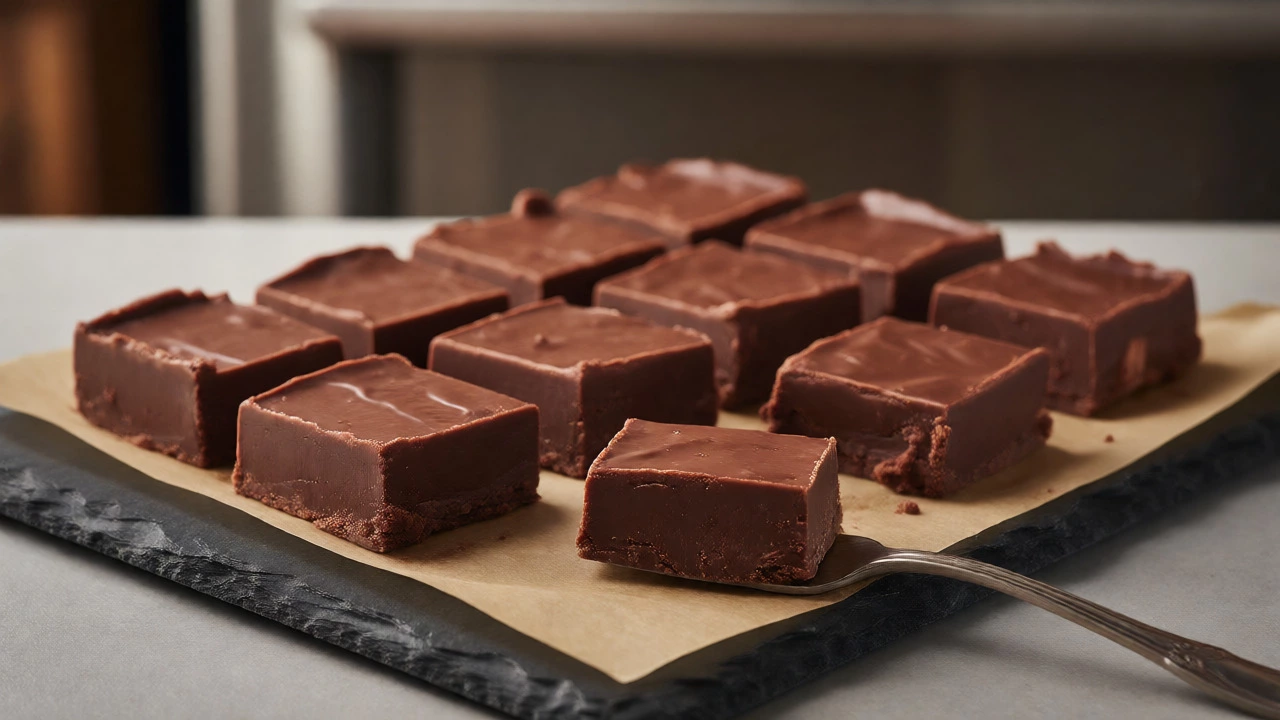
Remember, fudge is forgiving. If it doesn't set, it's rarely ruined-just unstructured. With a little adjustment, you can turn that gooey mess into a delicious treat. Now go forth and conquer that candy thermometer-or lack thereof.
Can I use coconut oil to make my fudge set?
Yes, adding a tablespoon of coconut oil can help. Coconut oil solidifies at cooler temperatures, aiding the setting process. However, it changes the flavor profile slightly, giving it a subtle tropical note. It also makes the fudge smoother and easier to slice.
Why is my white chocolate fudge harder to set?
White chocolate lacks cocoa solids and relies entirely on cocoa butter and milk solids for structure. It is more prone to seizing and requires stricter temperature control. Using less condensed milk and ensuring the chocolate is fully melted without burning is critical for white chocolate fudge.
Does humidity affect fudge setting?
High humidity can slow down the setting process because moisture in the air can interfere with the crystallization of sugars and fats. In humid climates like Halifax in summer, you might need longer chilling times or slightly less liquid in your recipe.
Can I re-melt fudge that didn't set?
Absolutely. Re-melting allows you to adjust the consistency by adding more chocolate or cooking off excess moisture. Just be careful not to overheat it, as repeated heating can degrade the quality of the chocolate.
Is 3-ingredient fudge supposed to be soft?
It should be firm enough to hold its shape when picked up but tender enough to melt in your mouth. It shouldn't be liquid or overly hard like a candy bar. If it's liquid, something went wrong. If it's rock hard, you may have used too much chocolate or chilled it too long.