Funeral Cake Logistics Planner
Planning to bring the traditional chocolate sheet cake? Use this tool to determine exactly how many pans you need to bake and how much frosting to prepare so no one leaves hungry.
Enter your guest details to calculate baking requirements.
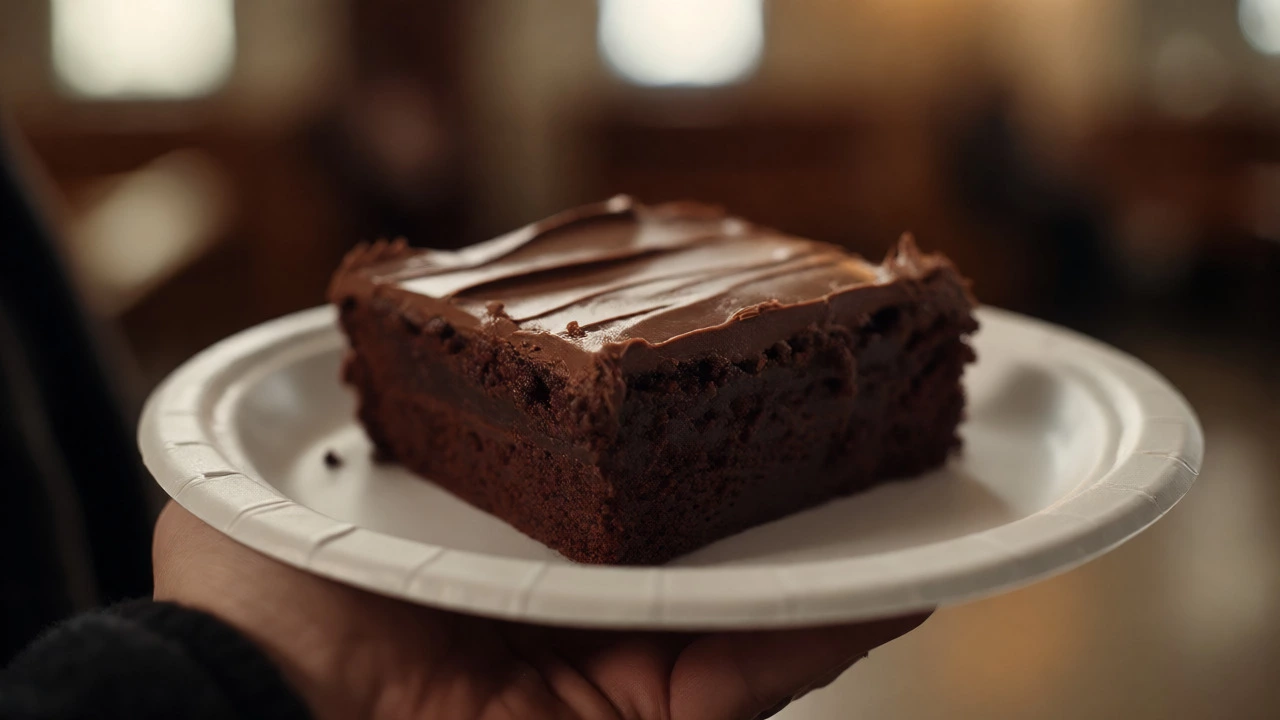
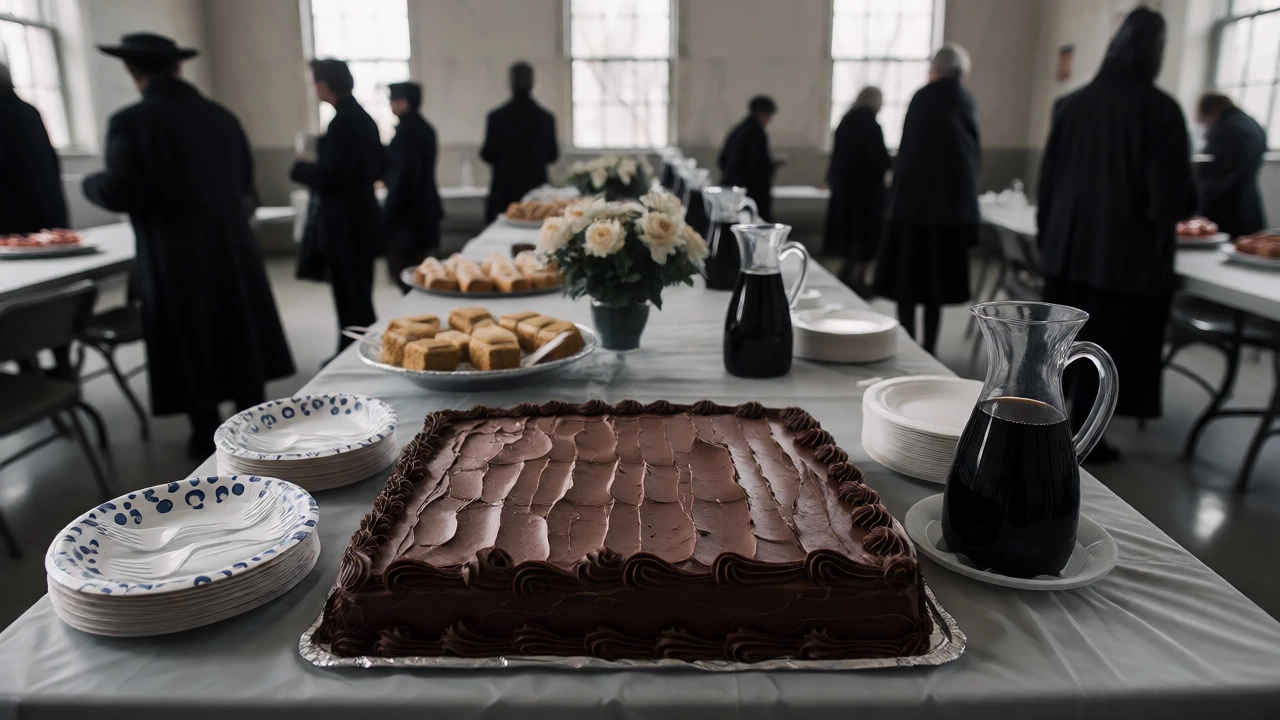
You show up at a wake in Halifax or anywhere across North America, feeling that heavy, hollow grief, and someone hands you a slice of chocolate sheet cake with thick, sugary frosting. It’s not fancy. It’s not delicate. It’s dense, sweet, and served on a flimsy paper plate. You might wonder: why is this specific dessert so tied to death? Why do we call it funeral cake? The answer isn’t just about taste; it’s about utility, tradition, and the strange comfort of sugar when words fail.
The Practical Origins of Funeral Food
Before we get into the sentimentality, let’s look at the logistics. Historically, funerals were community events that required feeding dozens, sometimes hundreds, of people. In the 19th and early 20th centuries, refrigeration was scarce, and ovens were hot. Baking individual cakes or pies for every guest was labor-intensive and expensive. A large, flat sheet cake solved multiple problems at once. It could be baked in one pan, frosted quickly, cut into uniform squares, and transported easily. This efficiency made it the default choice for gatherings where time and resources were stretched thin by grief.
In Canada and the northern United States, this tradition took root strongly in rural communities. When a neighbor died, the local church ladies’ auxiliary or family members would organize a potluck. The goal wasn’t culinary critique; it was sustenance. People needed calories to keep going through long days of mourning. Sugar provided quick energy. Carbohydrates filled stomachs. And because these cakes were often homemade, they carried the implicit message: "I spent my time making this for you." That effort mattered more than the recipe itself.
Why Chocolate Became the Standard
You rarely see vanilla as the default funeral cake. There’s a reason chocolate dominates this space. First, cocoa powder has a long shelf life compared to fresh fruit or dairy-heavy fillings. Second, chocolate masks imperfections. If your oven ran hot, or if you substituted margarine for butter, a rich chocolate flavor covers those sins. Vanilla shows everything; chocolate forgives.
There’s also a psychological component. Darker flavors feel more solemn, more appropriate for a somber occasion. Bright yellow lemon or pink strawberry feels celebratory, almost jarring against black attire and gray skies. Chocolate feels grounded. It pairs well with coffee, which is another staple of funeral receptions. The bitterness of the coffee cuts the sweetness of the frosting, creating a balance that keeps guests from feeling nauseous after hours of standing and talking.
| Dessert Type | Preparation Effort | Transportability | Shelf Life | Social Signal |
|---|---|---|---|---|
| Chocolate Sheet Cake | Low (One pan) | High (Flat box) | 3-4 Days | Community support |
| Fruit Pie | Medium (Crust + filling) | Low (Fragile) | 1 Day | Traditional care |
| Cupcakes | High (Individual piping) | Medium (Toppings shift) | 2 Days | Modern convenience |
| Store-bought Cookies | None | High | Weeks | Detached sympathy |
The Regional Divide: East vs. West
If you’ve ever moved from Ontario to Alberta, you might have noticed a shift in what lands on the table. In Eastern Canada and the Northeastern US, the "funeral cake" is almost exclusively a chocolate sheet cake with fudge frosting. It’s dense, moist, and unapologetically sweet. In Western Canada and parts of the American Midwest, you’re more likely to see "bars"-think lemon bars, brownies, or cookie bars. These are equally practical but offer variety.
This divide isn’t random. It traces back to immigration patterns and agricultural availability. Dairy-rich areas favored cream-based desserts or heavy frostings. Wheat belt regions leaned into simple bar cookies that could be cut and shared without plates. However, the term "funeral cake" specifically refers to the layered or single-layer sponge cake format. Bars are usually just called "dessert bars," even if their function is identical. Language matters here because it signals regional identity. Calling a brownie a "funeral cake" in Nova Scotia might get you a confused look, while calling a sheet cake a "brownie" in Toronto would be technically wrong and socially awkward.
Is It Really Just About the Recipe?
Here’s the controversial part: many people hate funeral cake. They find it too sweet, too dry, or too generic. Yet, they eat it. Why? Because rejecting the cake can feel like rejecting the person who baked it. In small towns, refusing food offered at a wake is seen as rude. The cake becomes a social prop. It gives your hands something to do when you don’t know whether to hug someone or shake their hand. It gives you an excuse to stand near the kitchen counter instead of hovering awkwardly in the living room.
Psychologists note that shared eating rituals reduce anxiety in high-stress social situations. Breaking bread-or breaking cake-signals trust and community. The specific flavor matters less than the act of consumption together. When you take a bite, you’re participating in a ritual that says, "We are still here. We are still together." The cake is the vehicle for that connection, not the destination.
Modern Twists on a Classic Tradition
Today, the definition of funeral cake is expanding. Health-conscious families might opt for gluten-free versions or reduced-sugar alternatives. Vegan chocolate cakes made with avocado or applesauce are becoming common, especially in urban centers like Vancouver or Montreal. But even these modern variants stick to the core principles: easy to serve, crowd-pleasing, and comforting.
Some families now hire professional bakers to create custom memorial cakes featuring photos of the deceased or favorite hobbies. While beautiful, these often lack the communal warmth of the homemade sheet cake. Professional cakes are impressive; homemade cakes are intimate. If you’re bringing a dessert to a funeral, consider the relationship you have with the bereaved. For close friends, a personalized touch works. For distant acquaintances or large groups, stick to the classic. It’s safer, and frankly, most people expect it.
How to Bake the Perfect Funeral Cake
If you’re tasked with bringing a cake to a service, don’t overcomplicate it. The best funeral cake is reliable. Here’s a foolproof approach that works for 9 out of 10 wakes:
- Use a boxed mix if necessary. There is no shame in using Duncan Hines or Betty Crocker. Add pudding mix to the batter for extra moisture. No one will judge you; they’ll appreciate the reliability.
- Make your own frosting. This is where you elevate the store-bought base. A simple chocolate buttercream with real cocoa powder tastes significantly better than canned icing.
- Bake two layers. One layer can crack or burn. Two layers give you insurance. Stack them with frosting in between for height and richness.
- Frost generously. Don’t worry about smooth edges. Thick frosting hides mistakes and adds preservation. It also looks abundant, which feels generous during times of scarcity.
- Cut before you arrive. Bring the cake pre-cut into squares with toothpicks stuck in each piece. This saves the host from having to find a knife and plates in a chaotic house.
Remember, the goal isn’t Michelin-star quality. The goal is to remove a burden from the grieving family. By handling the cutting and serving logistics, you’re doing more than providing dessert-you’re providing peace of mind.
The Emotional Weight of Sweetness
Why does sugar comfort us during grief? Biologically, glucose triggers dopamine release. It literally makes us feel slightly better. Emotionally, sweetness contrasts with the bitterness of loss. It’s a small rebellion against sadness. When life tastes sour, a spoonful of sugar reminds us that pleasure still exists. It’s not denial; it’s endurance.
In many cultures, including Canadian and British traditions, tea and cake are inseparable from mourning. The ritual provides structure. You sit, you drink, you eat, you talk. Without that structure, the day can feel endless and formless. The cake anchors the moment. It marks the transition from the formal service to the informal sharing of memories. Once the last slice is gone, the reception winds down, and people begin to leave. The cake literally ends the event.
What is the difference between funeral cake and regular chocolate cake?
Functionally, there is little difference in ingredients. However, funeral cake is typically baked in a rectangular sheet pan rather than round layers, making it easier to cut and serve to large groups. It often features thicker frosting for moisture retention and transport stability. The focus is on volume and ease of distribution rather than aesthetic presentation.
Is it acceptable to bring store-bought cake to a funeral?
Yes, absolutely. Most hosts prefer convenience over homemade perfection. Store-bought cakes from reputable bakeries are widely accepted, especially if you include plates and napkins. If you choose store-bought, avoid overly decorated or themed cakes that might clash with the solemn atmosphere. Stick to classic flavors like chocolate or vanilla.
Why is chocolate the preferred flavor for funeral cakes?
Chocolate is favored for its universal appeal, ability to mask baking errors, and longer shelf life compared to fruit or cream-based desserts. Psychologically, darker flavors are associated with solemnity, while lighter flavors like lemon or strawberry can feel too festive for a mourning context. Additionally, chocolate pairs well with coffee, which is commonly served at wakes.
Can I bring vegan or gluten-free options instead?
Yes, dietary accommodations are increasingly common and appreciated. Ensure the labeling is clear so guests with allergies know what they are eating. Many traditional recipes can be adapted easily; for example, using applesauce instead of eggs or almond flour instead of wheat. Just ensure the texture remains familiar enough to be comforting.
Should I bring plates and utensils with the cake?
It is highly recommended. Funeral homes and family homes often run short on supplies due to the unexpected number of attendees. Bringing a stack of paper plates, napkins, and plastic forks reduces stress for the host. Pre-cutting the cake and inserting toothpicks is an even more helpful gesture that streamlines service.