Authentic Tiramisu Scaling Calculator
Based on the classic Treviso recipe. Adjust the slider to scale ingredients for your group size.
Pro Tip
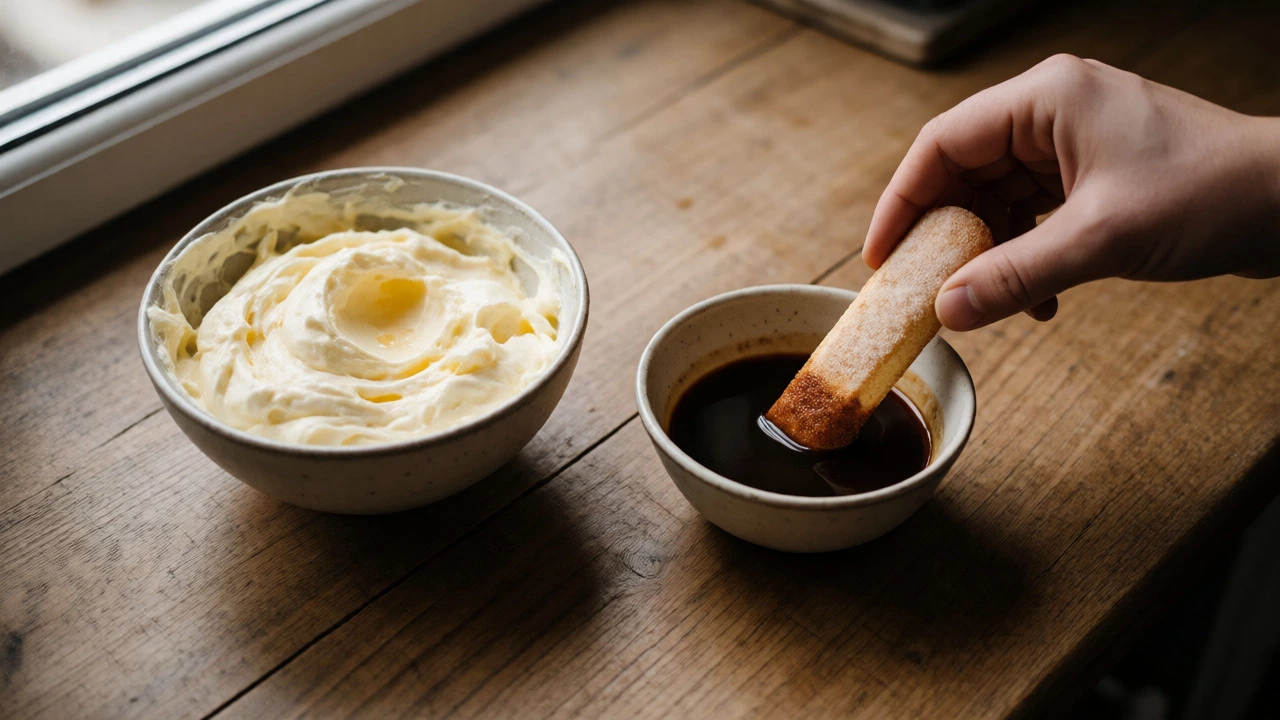
Remember: Dip ladyfingers for exactly 1 second per side. Over-soaking leads to a soupy bottom layer.
You walk into a restaurant in Rome, Naples, or Milan. You scan the menu for something sweet to finish your meal. What do you see on almost every single list? Tiramisu. It is not just popular; it is ubiquitous. But why did this specific combination of coffee-soaked cookies and creamy cheese conquer the world while other regional gems stayed local? The answer isn't just about taste. It is about history, simplicity, and a name that literally means "pick me up."
The Name Tells You Everything
Before we look at the ingredients, let's look at the label. In Italian, tirami sù translates directly to "pick me up" or "lift me up." This phrase refers to two things: the sugar rush from the dessert itself and the caffeine kick from the espresso. Unlike heavy cakes that might leave you feeling sluggish, tiramisu is designed to energize. It serves as both a dessert and a mild stimulant. This dual purpose made it incredibly appealing in post-war Italy, where people needed affordable energy boosts without the cost of expensive chocolates or complex pastries.
A Young Classic with Ancient Roots
Here is the twist: tiramisu is surprisingly young. While Italy has centuries-old culinary traditions, tiramisu likely originated in the late 1960s or early 1970s. The most accepted story points to Treviso, a city in the Veneto region. A restaurateur named Roberto Linguanotto claimed he invented it at his restaurant, Le Beccherie. He combined savoiardi (ladyfingers), mascarpone, eggs, sugar, and coffee. Another strong contender is the town of Tolmezzo, but Treviso has won the legal and cultural battle for the title of birthplace.
This recency matters. It explains why tiramisu feels modern. It doesn't rely on baking skills, ovens, or long cooking times. It is an assembly job. That accessibility helped it spread faster than traditional baked goods like Torta della Nonna or Cannoli Siciliani, which require more technical precision and equipment.
The Architecture of Flavor
Tiramisu works because it balances contrasting textures and temperatures. Each layer plays a specific role in the sensory experience:
- Savoiardi (Ladyfingers): These dry, porous biscuits act as sponges. They absorb the espresso quickly but hold their shape if handled correctly. If you soak them too long, they turn to mush. Too short, and they stay dry in the center.
- Mascarpone Cheese: This is the heart of the dish. Unlike cream cheese, mascarpone has a higher fat content and a milder, sweeter profile. It provides richness without tanginess.
- Egg Yolks and Sugar: Traditionally, these are whipped into a zabaione-like base. The yolks add silkiness and color. Some modern recipes skip raw eggs for safety, using cooked custards instead, but purists insist on the raw version for its lightness.
- Espresso: Strong, dark, and bitter. It cuts through the sweetness of the cheese and sugar. Without good coffee, tiramisu is just sweet cream.
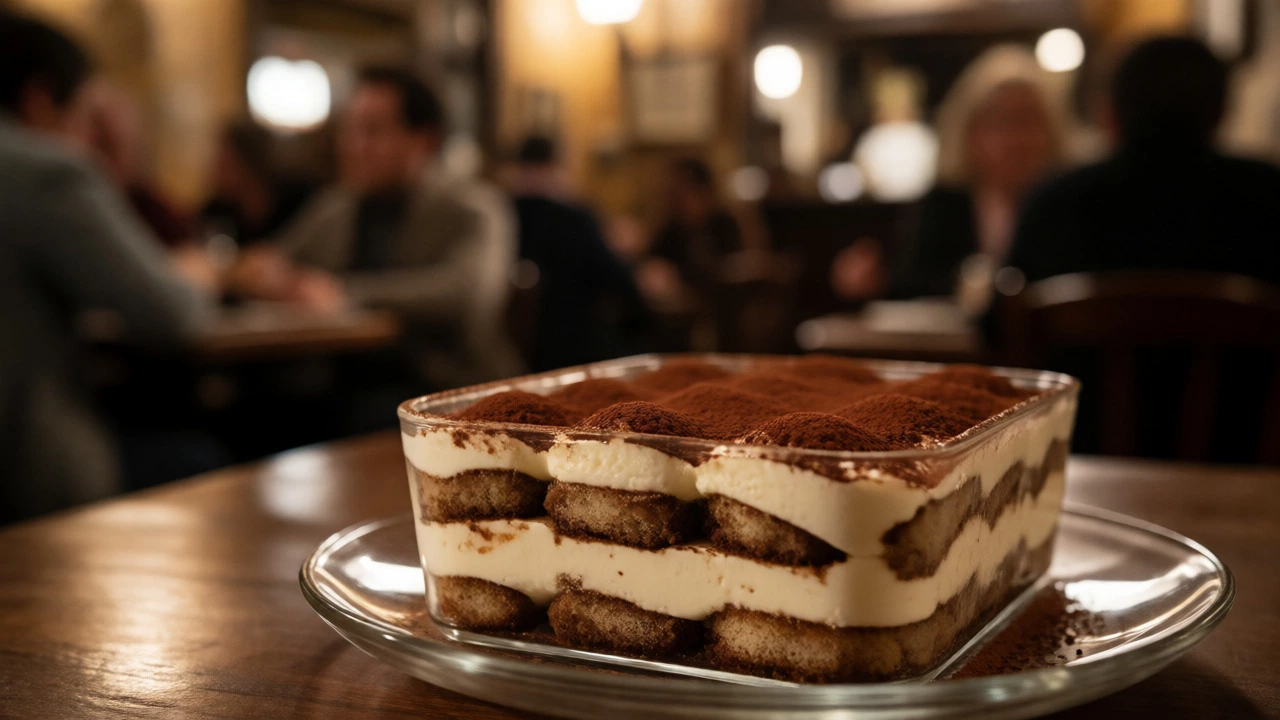
- Cocoa Powder: Dusting the top adds a final note of bitterness and visual contrast. It signals "chocolate" to the brain before you even take a bite.
Why It Beats Other Italian Classics
Italy has dozens of famous desserts. So what makes tiramisu the global ambassador? Let's compare it to its main rivals.
| Dessert | Main Ingredients | Preparation Effort | Global Recognition |
|---|---|---|---|
| Tiramisu | Mascarpone, Espresso, Savoiardi, Eggs | Low (No-Bake) | Very High |
| Cannoli | Fried Pastry Shells, Ricotta Filling | High (Frying & Filling) | High |
| Panna Cotta | Cream, Gelatin, Sugar | Medium (Cooking & Setting) | Medium-High |
| Gelato | Milk/Cream, Sugar, Air | High (Churning) | Very High |
Notice the pattern. Tiramisu requires no oven and no frying. You can make it in any kitchen with a refrigerator. Cannoli need deep-frying oil and precise shell work. Panna cotta needs gelatin blooming and careful heating. Gelato requires a machine or constant stirring. Tiramisu is the easiest to replicate at home and in restaurants worldwide. This low barrier to entry fueled its international explosion in the 1980s and 1990s.
The Mascarpone Factor
You cannot talk about tiramisu without talking about Mascarpone. This cheese is unique to Northern Italy, specifically Lombardy and Piedmont. It is made by heating cream and adding an acid like citric or acetic acid to coagulate the proteins. The result is a thick, creamy curd with a fat content between 30% and 55%.
Why does this matter? Because mascarpone doesn't melt like mozzarella or crumble like feta. It stays smooth and spreadable. When mixed with egg yolks, it creates an emulsion that holds air bubbles, giving tiramisu its characteristic fluffy texture. Substitutes like Philadelphia cream cheese often fail because they contain stabilizers and salt, altering the delicate balance. If you try to make authentic tiramisu outside Italy, sourcing real mascarpone is the first hurdle.
Common Mistakes That Ruin It
Even though it looks simple, tiramisu is unforgiving. Here are the pitfalls I see most often when friends try to make it:
- Oversoaking the Ladyfingers: Dip each side for one second. One. Not three. If you hesitate, the bottom layer becomes soup.
- Using Weak Coffee: Tiramisu needs robust espresso. Drip coffee tastes watery and acidic. Use a stovetop moka pot or an espresso machine.
- Skipping the Rest Time: Freshly assembled tiramisu is messy. It needs at least 4-6 hours in the fridge to set. Overnight is best. The flavors meld, and the structure firms up.
- Overmixing the Cream: If you whip the mascarpone too hard, it separates and turns grainy. Fold gently until just combined.
Is It Really the "Most Famous"?
Gelato might have higher sales volume globally. Pizza dominates savory fame. But among plated desserts served in sit-down restaurants, tiramisu holds the crown. It appears on menus from New York to Tokyo to Sydney. Its name is recognized even by people who have never eaten it. Why? Because it represents a specific ideal: sophisticated yet simple, rich yet light, traditional yet modern.
In recent years, chefs have experimented with variations-matcha tiramisu, berry tiramisu, or even savory versions. But the classic recipe remains the gold standard. Any deviation is judged against the original benchmark. That kind of cultural dominance takes decades to build, and tiramisu achieved it in less than fifty years.
How to Make Authentic Tiramisu at Home
If you want to try making the world's most famous Italian dessert, follow these core steps. Don't overcomplicate it.
- Ingredients: 250g mascarpone, 3 egg yolks, 75g sugar, 300ml strong espresso (cooled), 24 savoiardi, unsweetened cocoa powder.
- Step 1: Whisk egg yolks and sugar until pale and thick. Add mascarpone slowly, folding until smooth.
- Step 2: Brew espresso and let it cool completely. Hot coffee will cook the eggs and melt the cheese.
- Step 3: Dip savoiardi briefly in coffee. Arrange them in a single layer in a glass dish.
- Step 4: Spread half the mascarpone mixture over the cookies. Repeat layers.
- Step 5: Cover and refrigerate for at least 4 hours. Dust with cocoa right before serving.
Frequently Asked Questions
Can I use regular cream cheese instead of mascarpone?
You can, but the taste will change. Regular cream cheese is tangier and saltier. Mascarpone is sweet and mild. If you must substitute, mix cream cheese with a little heavy cream to soften the texture, but expect a less authentic result.
Does tiramisu contain alcohol?
Traditional recipes do not include alcohol. However, many modern variations add Marsala wine, rum, or Amaretto to the coffee or the cream mixture. Check the recipe if you are serving children or avoiding alcohol.
Why is my tiramisu runny?
This usually happens for two reasons: either the ladyfingers were soaked too long, releasing too much liquid, or the mascarpone was overmixed and separated. Ensure you dip briefly and fold the cheese gently. Also, make sure the coffee is fully cooled before dipping.
How long does tiramisu last in the fridge?
It keeps well for 2 to 3 days. After that, the ladyfingers start to disintegrate completely, and the texture becomes unpleasant. It does not freeze well, as the mascarpone can become grainy upon thawing.
Is tiramisu gluten-free?
No, traditional tiramisu contains gluten because savoiardi (ladyfingers) are made with wheat flour. To make it gluten-free, you need to use certified GF ladyfingers or substitute them with gluten-free sponge cake pieces.