Pavlova Liner Selector
Select your conditions and click "Analyze Best Liner" to see which material will give you the perfect release.
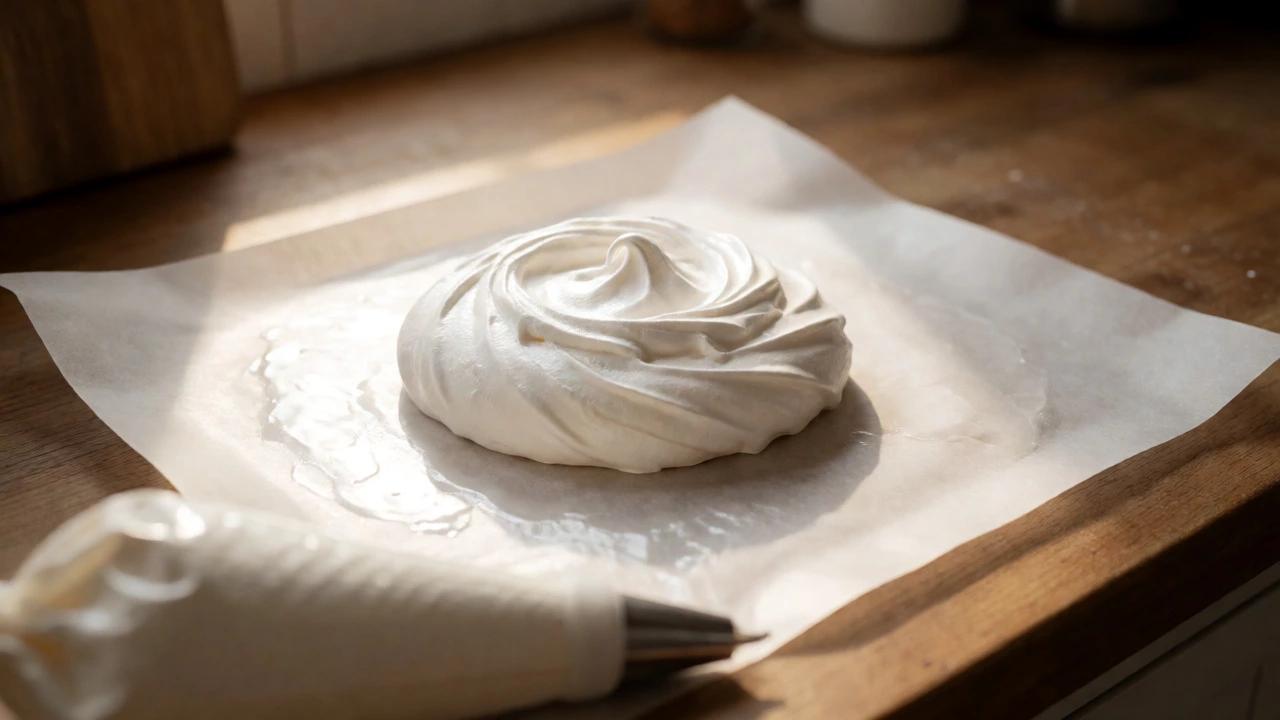
Have you ever pulled a beautiful pavlova out of the oven only to find it stuck to the tray like concrete? Or worse, it slid off because it was too slippery? It’s frustrating. You spent hours whipping egg whites into stiff peaks, folding in sugar until it dissolved completely, and piping that perfect nest shape. Then, one wrong choice of lining ruins everything.
The debate between baking paper and aluminum foil isn't just about what's in your kitchen drawer. It’s about physics. Meringue is essentially dried egg foam. It needs specific conditions to release cleanly from a surface without shattering or sticking. Let’s cut through the noise and figure out which liner actually works best for this delicate dessert.
Why Pavlova Is So Picky About Its Base
To understand why the liner matters, you have to look at what a pavlova actually is. It’s not a cake batter; it’s a meringue baked low and slow to dry out the outside while keeping the inside marshmallow-soft. This structure makes it incredibly sensitive to moisture and adhesion.
If the base sticks, you can’t lift it. If the base is too slick, the pavlova might slide around during the long bake time, losing its shape. Traditional advice often says "use parchment," but many bakers swear by foil. Why the split opinion? Because both materials interact with heat and moisture differently.
Baking paper (or parchment paper) is cellulose-based and coated with silicone. It’s naturally non-stick and breathable. Aluminum foil is metal. It conducts heat faster and reflects radiant heat. For a meringue, which relies on gentle, even drying, these differences are critical.
The Case for Baking Paper
Most professional pastry chefs reach for baking paper first. Here’s why it usually wins:
- Non-Stick Reliability: High-quality parchment has a silicone coating that prevents the sticky sugar proteins in the meringue from bonding to the surface. Once cooled, the pavlova lifts right off.
- Moderate Heat Conduction: Paper insulates slightly. This helps prevent the bottom of the pavlova from cooking faster than the top, reducing the risk of weeping (that syrupy liquid that leaks out).
- Shape Retention: You can draw circles on the underside of the paper. Since the paper doesn’t reflect light or heat aggressively, your piped shapes stay where you put them.
However, not all baking papers are created equal. Cheap, unbleached brown paper can sometimes stick if it lacks sufficient silicone coating. Always look for brands labeled "non-stick" or "grease-proof." If you’re using a standard grocery store brand, a tiny smear of vegetable oil under the paper can act as insurance.
The Case for Aluminum Foil
Foil has its fans, mostly because it’s sturdy and easy to handle. But does it work for pavlova?
The main argument for foil is heat distribution. Metal conducts heat efficiently. Some bakers believe this helps crisp up the exterior shell faster. There’s also the practical aspect: foil molds easily to uneven baking trays. If your sheet pan is warped, foil conforms to it, whereas stiff parchment might lift at the corners, creating hot spots.
But here’s the catch: plain aluminum foil is sticky. Sugar melts and bonds directly to bare metal. If you try to peel a pavlova off raw foil, you’ll likely tear the bottom crust. To make foil work, you must treat it. A heavy coat of cooking spray or a layer of butter is mandatory. Even then, success isn’t guaranteed.
There’s another issue: reactivity. While modern anodized foil is stable, older or cheaper foils can react with acidic ingredients. Pavlovas often include lemon juice or vinegar to stabilize the egg whites. In rare cases, this reaction can leave a metallic taste or gray discoloration on the bottom of the meringue.
Head-to-Head Comparison
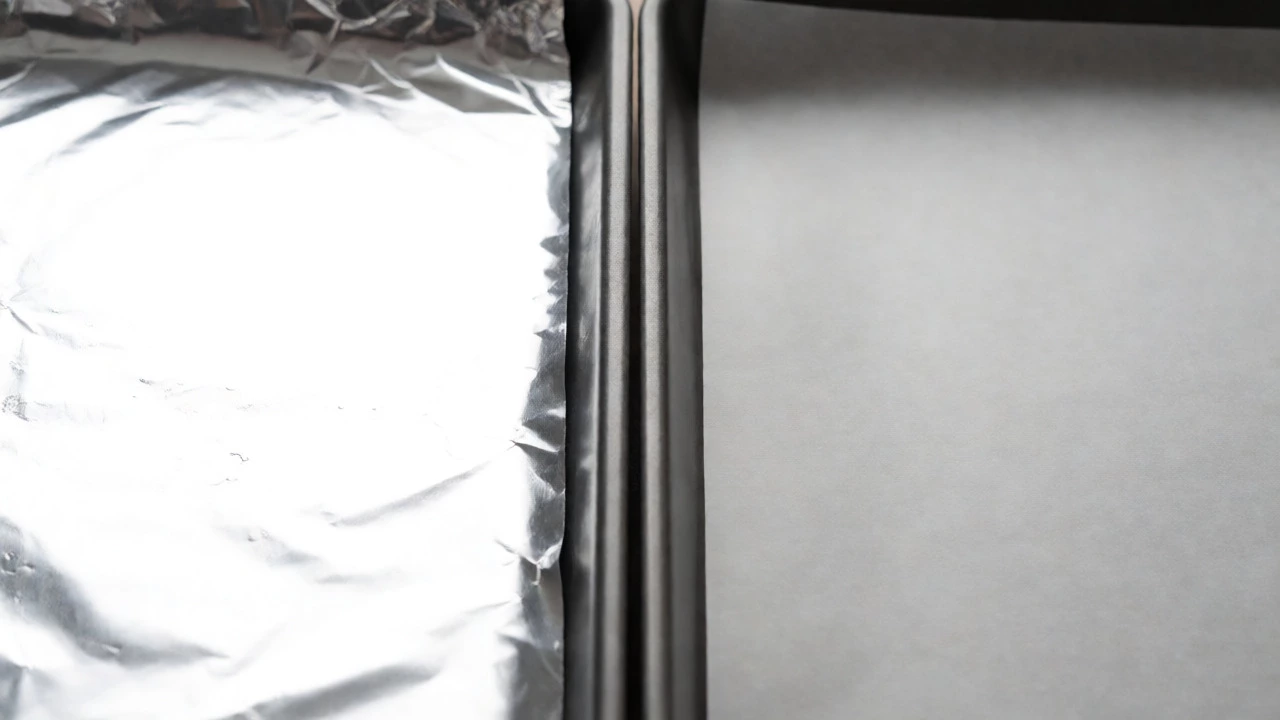
Let’s break down the performance metrics so you can decide based on your specific setup.
| Feature | Baking Paper | Aluminum Foil |
|---|---|---|
| Stickiness | Low (if quality silicone-coated) | High (requires grease/spray) |
| Heat Conductivity | Insulating (gentle baking) | Conductive (faster browning) |
| Moisture Control | Breathable (allows steam escape) | Seals moisture (can cause weeping) |
| Reusability | Single-use | Can be reused if clean |
| Cost | Moderate | Low |
The data shows that baking paper offers better control over the environment surrounding the meringue. Foil traps more moisture underneath, which is the enemy of a crisp shell. Weeping occurs when internal moisture migrates outward but gets trapped against a hot, sealed surface. Parchment allows that vapor to dissipate.
Pro Tips for Perfect Release
Even with the right material, technique matters. Here’s how to ensure your pavlova comes out intact every time.
- Trace Your Template: Turn your baking paper upside down. Draw three overlapping circles (for a large pavlova) or individual small circles (for mini-pavlovas) using a pencil. Flip the paper over. Now you have faint guides that won’t transfer graphite onto the food.
- Grease Lightly: Even with parchment, a very light mist of cooking spray adds a safety net. Don’t overdo it; excess fat can deflate the meringue foam.
- Cool Completely: Never move a warm pavlova. The structure sets as it cools. If you try to lift it while hot, the interior is still gooey and will collapse. Leave it in the turned-off oven with the door ajar for an hour, then let it cool fully on the counter before transferring.
- The Knife Trick: Run a thin, sharp knife around the edge of the base before attempting to lift. This breaks any microscopic seals that formed during baking.
What About Silicone Mats?
You might wonder about reusable silicone baking mats. They sit somewhere between paper and foil. They provide excellent non-stick properties and even heat distribution. However, they are thick. This insulation can prevent the bottom from crisping properly. For pavlova, where texture contrast is key, silicone mats can result in a chewy rather than crisp base. Use them only if you prefer a softer bite.
Troubleshooting Common Failures
If your last batch didn’t turn out right, check these factors:
- Stuck to Tray: Likely used uncoated foil or cheap paper without grease. Next time, use high-quality parchment or double-line with foil + generous spray.
- Weeping Syrup: Overbaked or humidity issues. Try lowering the temperature further (down to 200°F/95°C) and extending the time. Ensure your eggs were fresh; old whites hold less air and leak more liquid.
- Cracked Surface: Rapid temperature change. Do not open the oven door during the first two hours of baking. Cracks are cosmetic, though-they don’t affect taste.
Final Verdict: Which One Wins?
For the vast majority of home cooks, baking paper is the superior choice for pavlova. It provides the ideal balance of non-stick release, moderate heat insulation, and breathability. It minimizes the risk of weeping and ensures a clean lift once cooled.
Use foil only if you lack parchment or need to mold the liner to a severely warped pan-and always grease it heavily. If you want perfection, invest in good quality parchment. It’s a small cost for a stress-free dessert day.
Can I use wax paper instead of baking paper for pavlova?
No. Wax paper is not heat-resistant. The wax coating will melt in the oven, smoking and potentially burning, leaving residue on your pavlova and your oven. Always use parchment (baking) paper, which is heat-treated and safe up to 425°F (220°C) or higher depending on the brand.
Does aluminum foil make the bottom of pavlova crispy?
It can, but often at the cost of burning. Foil conducts heat quickly, which browns the bottom fast. However, because foil is impermeable, it traps steam underneath. This trapped steam can soften the bottom later in the cooling process, leading to a soggy base rather than a consistently crisp one. Baking paper allows steam to escape, promoting uniform drying.
How do I keep my pavlova from sliding on the baking sheet?
If using parchment, place the paper on the tray first, then pipe the meringue. The weight of the meringue holds the paper in place. If using foil, press it firmly into the corners of the pan. Another trick is to pipe small dots of meringue onto the corners of the tray before placing the paper down; this acts as glue to anchor the liner.
Is it safe to line a pan with foil for acidic foods like lemon pavlova?
Generally, yes, for short bake times. However, prolonged exposure to acid can cause minor pitting on aluminum foil and may impart a slight metallic taste. Since pavlovas bake for 1-2 hours, this is a low risk, but using parchment eliminates the concern entirely. If you use foil, ensure it is heavy-duty and well-greased.
Can I reuse baking paper for multiple batches of pavlova?
Yes, if it’s clean and hasn’t burnt. Wipe off any crumbs or sugar residue. However, if the paper has darkened significantly or feels brittle, discard it. The silicone coating degrades with high heat and repeated use, increasing the chance of sticking.