Gluten-Free Food Checker
Check if a food is gluten-free
Enter a food item to see if it's naturally gluten-free for cakes and desserts
When you're baking gluten-free cakes, the biggest question isn't just what to use - it's what’s naturally safe to use. Many people assume gluten-free means buying special flours or expensive mixes. But the truth is, a lot of everyday foods are already gluten-free. You don’t need to overcomplicate it. If you’re avoiding gluten because of celiac disease, a sensitivity, or just a personal choice, knowing which foods are naturally safe can save you time, money, and stress.
1. Fresh Fruits
Fruits are nature’s original gluten-free snack. Apples, bananas, berries, oranges, mangoes - they all come with zero gluten. No processing. No additives. Just pure fruit. Even if you’re baking a gluten-free cake and need to add natural sweetness or moisture, mashed bananas or pureed apples work great. No need for syrups or extracts with hidden ingredients. Just peel, blend, and bake.
2. Vegetables
Same goes for vegetables. Carrots, zucchini, spinach, broccoli, bell peppers - none of them contain gluten. In gluten-free baking, shredded zucchini or grated carrots are classic additions. They add moisture, texture, and even nutrients without changing the flavor. A carrot cake made with real shredded carrots and almond flour? That’s a win. No hidden wheat starches. No mystery fillers. Just whole food.
3. Eggs
Eggs are one of the most versatile ingredients in gluten-free baking. They bind, lift, and enrich. A simple gluten-free cake can rely on eggs for structure instead of flour. You don’t need to look for "gluten-free certified" eggs - they’re naturally free. One egg can replace a whole cup of flour in some recipes. They’re also rich in protein and help cakes stay moist longer. If you’re making a sponge cake or a flourless chocolate cake, eggs aren’t just helpful - they’re essential.
4. Dairy Products (Plain)
Milk, plain yogurt, butter, and hard cheeses like cheddar or parmesan don’t contain gluten. But watch out for flavored yogurts, processed cheeses, or whipped creams with additives. Stick to plain versions. For baking, full-fat yogurt adds tang and moisture. Melted butter gives richness. And milk? It’s the liquid base for most cake batters. Always check labels on packaged dairy, but plain, unflavored versions are almost always safe.
5. Nuts and Nut Butters
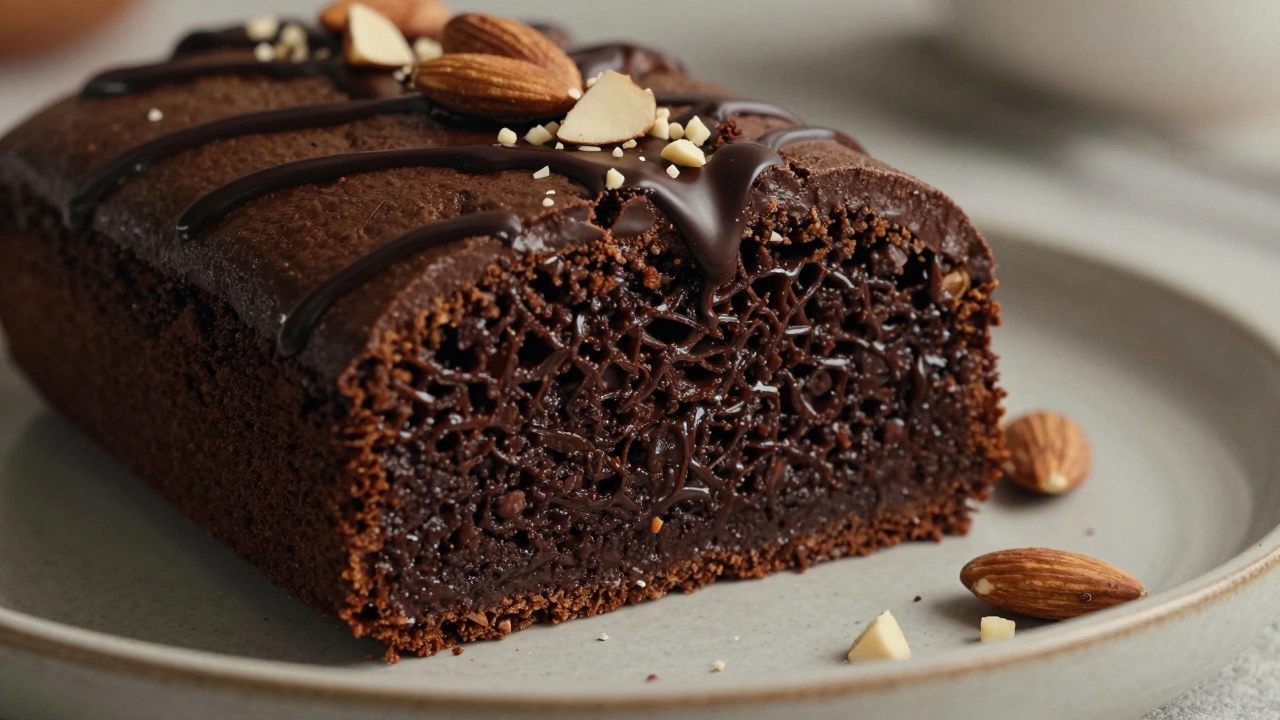
Almonds, walnuts, pecans, cashews - all naturally gluten-free. So are plain nut butters made from just nuts and salt. Almond flour is one of the most popular gluten-free baking flours. It’s fine, slightly sweet, and holds moisture well. Peanut butter in a gluten-free cake? Yes, if it’s just peanuts and salt. Avoid brands with malt flavoring or additives like dextrose (sometimes made from wheat). Stick to brands that say "100% nuts" on the label.
6. Seeds
Chia seeds, flaxseeds, sunflower seeds, pumpkin seeds - all gluten-free. They’re not just for sprinkling on top. Ground flaxseed mixed with water makes a perfect egg substitute. Chia gel adds thickness to batters. Toasted sunflower seeds add crunch to gluten-free muffins or cake layers. They’re also packed with fiber and omega-3s. You can swap them into recipes without changing the flavor profile.
7. Rice
Rice flour - especially white rice flour - is one of the most common bases for gluten-free flour blends. But plain rice? Brown, white, wild, or jasmine - it’s all gluten-free. Even rice cakes can be used as a base for gluten-free dessert bars. Rice starch is often used in commercial gluten-free mixes because it mimics the texture of wheat flour. But if you’re baking from scratch, you can use ground rice from your pantry. Just make sure it’s labeled "gluten-free" if it’s processed in a shared facility.
8. Corn
Cornmeal, cornstarch, and whole corn kernels are naturally gluten-free. Cornstarch is often used to lighten gluten-free flour blends. It helps cakes stay tender. Cornmeal gives a gritty, hearty texture to cakes like polenta cake. In Mexico, they bake sweet corn cakes called "tortas de elote" - no flour needed. Even corn syrup, if pure, is safe. But avoid maltodextrin unless it’s labeled corn-based and gluten-free.
9. Dark Chocolate (70% or higher)
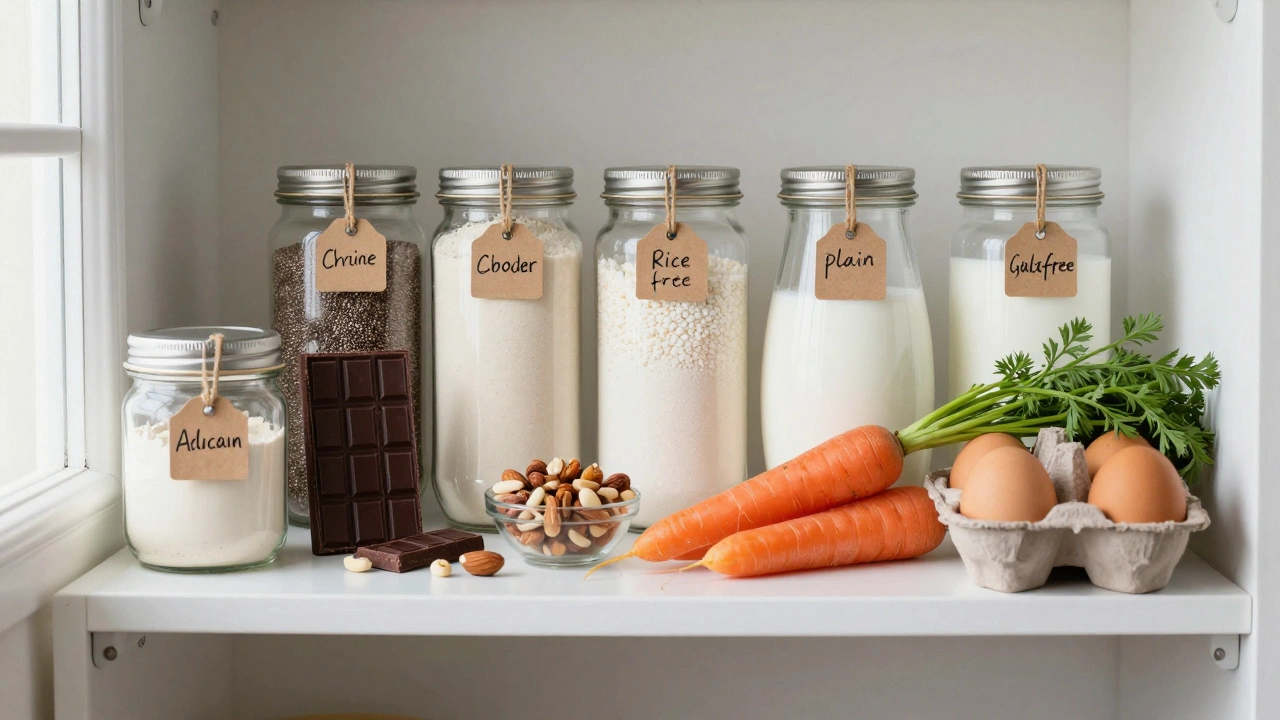
Plain dark chocolate with no added flavorings or emulsifiers is usually gluten-free. Brands like Lindt, Green & Black’s, and Ghirardelli make bars with just cocoa, sugar, and cocoa butter. Avoid chocolate with crispy centers, caramel swirls, or cookie pieces - those often contain wheat. Melted dark chocolate is a game-changer in gluten-free cakes. It adds depth, richness, and moisture. A flourless chocolate cake made with 85% dark chocolate and eggs? That’s a classic for a reason.
Why This Matters for Gluten-Free Cakes
Most gluten-free cake recipes fail because they rely too heavily on store-bought flour blends. These blends often contain fillers like potato starch or tapioca that dry out the cake. When you start with whole, natural foods - fruits, nuts, eggs, chocolate - your cake tastes better and holds together better. You don’t need 10 different flours. You need three or four real ingredients.
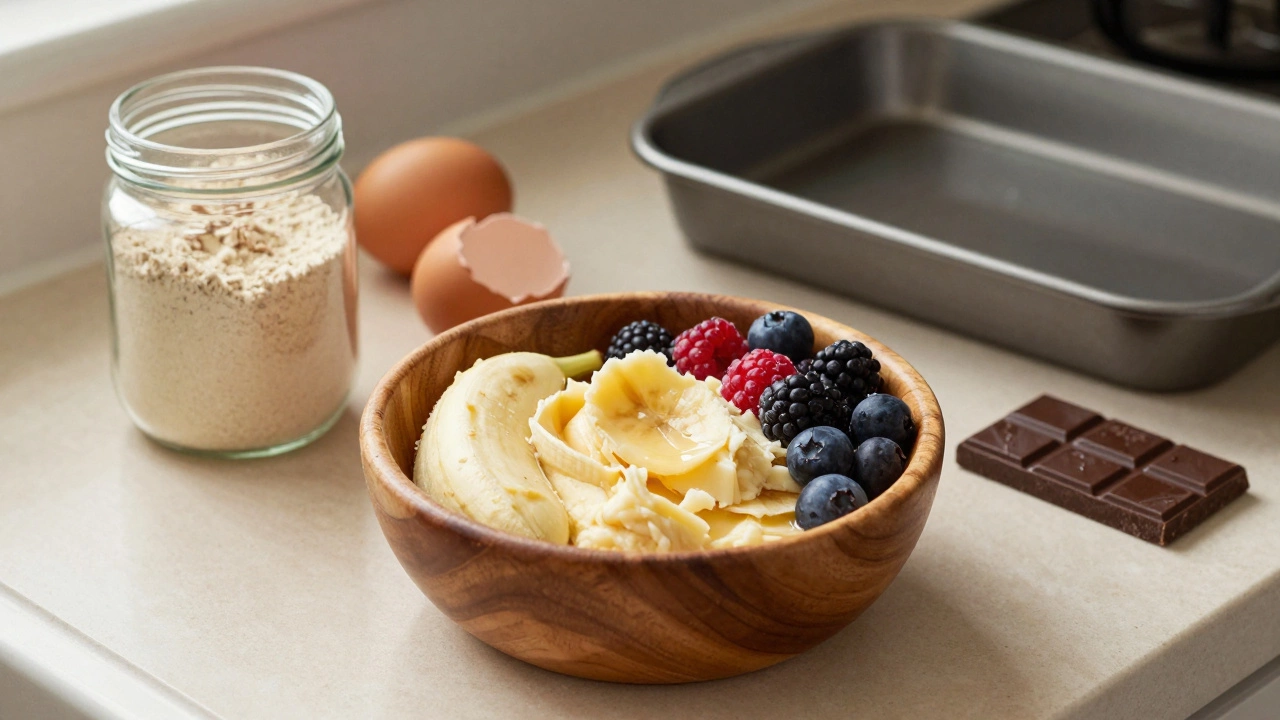
For example, a simple almond flour cake with mashed bananas, eggs, and dark chocolate chips? That’s a recipe you can make without even looking up a guide. It’s moist, sweet, and naturally gluten-free. No gums. No xanthan. No mystery ingredients.
What to Avoid
Just as important as knowing what’s safe is knowing what’s not. Oats are tricky - they’re naturally gluten-free but often contaminated during processing. Only use oats labeled "gluten-free." Same with soy sauce, malt vinegar, and flavored coffee creamers. Even some spices have anti-caking agents made from wheat. Always read labels. When in doubt, choose whole, single-ingredient foods.
Quick Tip: Build Your Gluten-Free Pantry
Keep these nine foods stocked and you’ll always be ready to bake:
- Fresh fruits (bananas, apples, berries)
- Leafy greens and veggies (zucchini, carrots, spinach)
- Free-range eggs
- Plain milk and yogurt
- Raw almonds and almond flour
- Flaxseeds and chia seeds
- White or brown rice
- Cornmeal or cornstarch
- Dark chocolate (70% or higher)
With these on hand, you can make a cake any day of the week - no special orders, no last-minute trips to the store.
Are all fruits gluten-free?
Yes, all fresh, whole fruits are naturally gluten-free. This includes apples, bananas, berries, citrus, melons, and more. The only risk comes from processed fruit products like canned fruit in syrup or dried fruit with added flavorings - always check labels on those.
Can I use regular oats in gluten-free baking?
Only if they’re labeled "gluten-free." Regular oats are often contaminated with wheat during farming or processing. Even a tiny amount can trigger a reaction in people with celiac disease. Gluten-free oats are grown and processed in dedicated facilities. They’re safe and work well in crumbles, muffins, and cake toppings.
Is dark chocolate always gluten-free?
Not always. Plain dark chocolate with 70% or higher cocoa content is usually safe. But many brands add barley malt, wheat flour, or flavorings that contain gluten. Always check the label for allergen statements. Look for brands that are certified gluten-free if you’re highly sensitive.
Do I need xanthan gum to make gluten-free cakes?
Not if you’re using the right ingredients. Xanthan gum helps bind flours in blends, but if you’re baking with almond flour, coconut flour, or mashed bananas, you don’t need it. These ingredients naturally hold moisture and structure. Many simple gluten-free cakes - like flourless chocolate cake - use no gums at all.
What’s the easiest gluten-free cake to bake?
A flourless chocolate cake. Just melt dark chocolate, mix in eggs and a little sugar, and bake. No flour. No gluten-free blends. No xanthan gum. It’s rich, dense, and naturally gluten-free. You can add a sprinkle of sea salt or chopped nuts on top. Done in 30 minutes.