Cheesecake Egg Ratio Simulator
Enter your cream cheese amount and choose your preferred style to see how many eggs you need.
Large Eggs Recommended
Texture Profile
StandardDescription of texture will appear here.
You’ve probably seen it in a recipe: one version calls for four eggs, another for five. You’re standing there with your carton of eggs, wondering if adding that extra yolk will make or break your dessert. It’s not just a typo. That single egg changes the chemistry of your cheesecake significantly. It shifts the balance between creaminess and structure, affecting everything from how it slices to how it tastes on your tongue.
If you’ve ever had a cheesecake that tasted like sweetened scrambled eggs, you know what happens when you get this wrong. But if you’ve had a slice so rich and dense it felt like eating cloud-like velvet, you might have stumbled upon the right ratio by accident. Let’s clear up the confusion about what that extra egg actually does, so you can bake with confidence instead of guessing.
The Core Function of Eggs in Cheesecake
To understand the impact of an extra egg, you first need to know what eggs do in the first place. In baking, eggs are multitaskers. They provide three main things: structure, moisture, and emulsification. When you mix eggs into a batter, the proteins unfold (denature) and then bond together as they heat up. This bonding creates a network that holds the cheesecake together, preventing it from collapsing when you take it out of the oven.
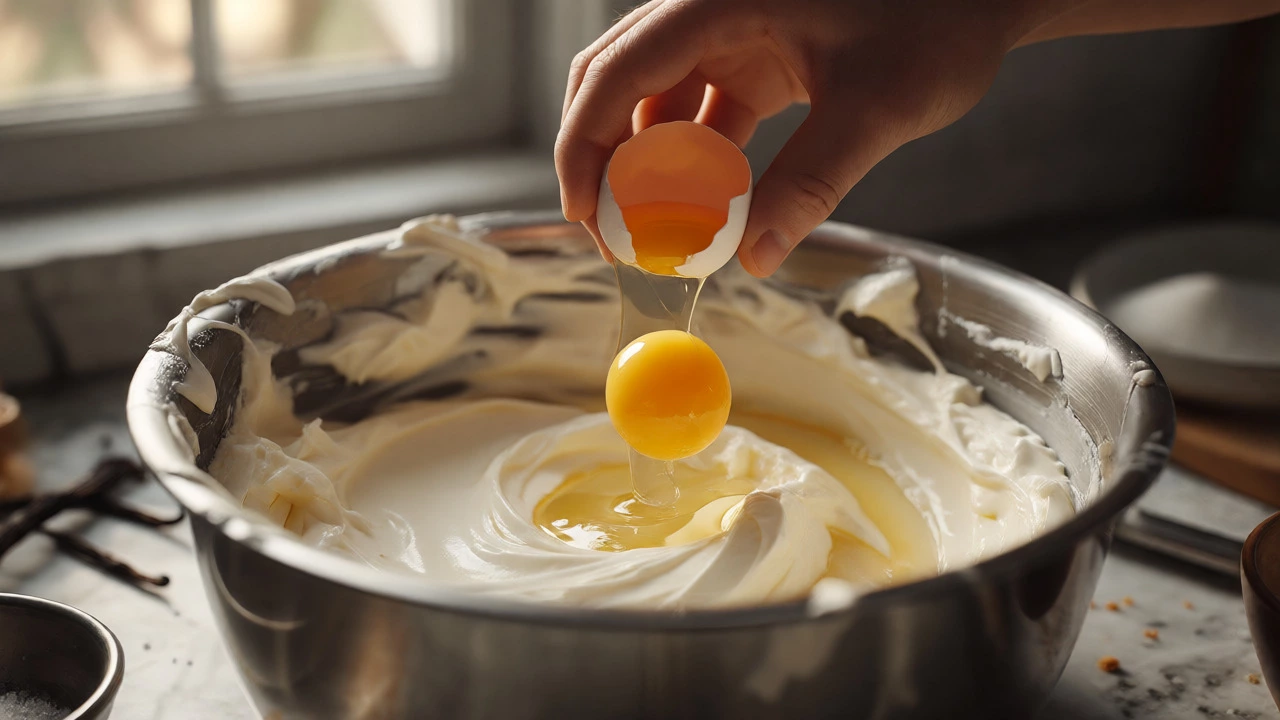
Egg yolks, specifically, contain lecithin. This is a natural emulsifier. It helps bind fat (from the cream cheese and sour cream) with water-based ingredients. Without enough emulsification, your cheesecake can separate, leading to a grainy or curdled texture. The whites provide lift and airiness because they trap air bubbles when beaten, though in cheesecake, we usually don’t whip them separately unless making a specific style.
Cream Cheese is the primary ingredient, but it relies heavily on eggs to transform from a spreadable paste into a firm yet tender custard. The standard ratio often hovers around one egg per 8 ounces of cream cheese, but this varies wildly depending on whether you want a New York-style dense cake or a lighter Italian-style ricotta cake.
Texture Shifts: From Airy to Dense
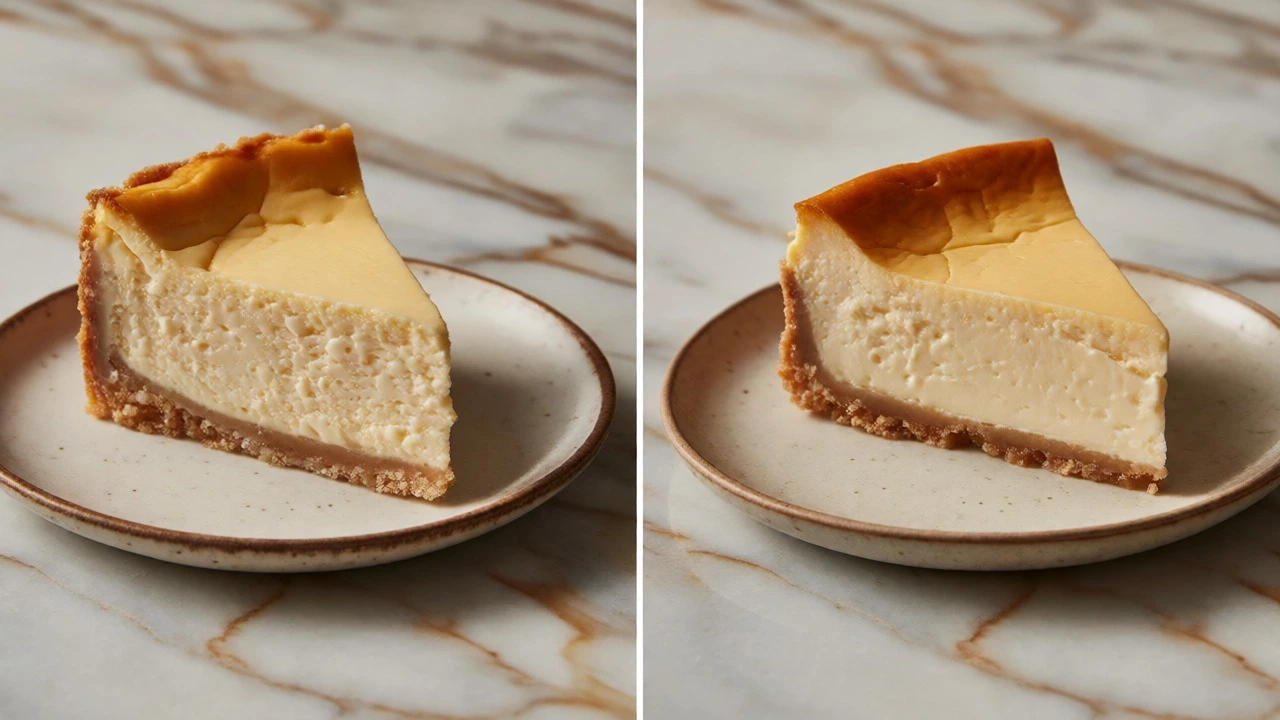
Here is the most immediate effect of adding an extra egg: density. More eggs mean more protein. As the cheesecake bakes, those extra proteins create a tighter mesh. This traps less air and results in a firmer bite. If you prefer a cheesecake that stands tall on a plate and has a substantial mouthfeel, adding an egg is your best friend.
Conversely, fewer eggs result in a softer, more pudding-like consistency. Think of the difference between a flan and a traditional baked cheesecake. A flan uses fewer eggs relative to the dairy, resulting in a wobbly, delicate set. Adding an extra egg moves you away from flan territory and toward classic bakery-style slices.
However, there is a tipping point. Add too many eggs, and you cross the line from "dense" to "rubbery." Over-proteinization makes the cheesecake tough. You lose that melt-in-your-mouth quality. The goal is to find the sweet spot where the structure is strong enough to hold its shape but loose enough to remain creamy.
Flavor Implications: The Sulfur Warning
This is the part most home bakers miss. Eggs have a distinct flavor. If you add an extra egg without adjusting other flavors, you might taste it. Raw or undercooked eggs taste sulfurous. Even fully cooked eggs can impart a savory note if the ratio is off.
In a vanilla or lemon cheesecake, this is subtle. But in a chocolate cheesecake, the cocoa powder masks the egg flavor well. If you are making a plain New York cheesecake, be careful. One extra egg in a standard 9-inch pan might introduce a noticeable "eggy" aftertaste. To counteract this, ensure you use fresh vanilla extract or zest. Acidic ingredients like lemon juice or sour cream also help cut through the richness of the egg, balancing the flavor profile.
Temperature matters here too. If you bake at too high a temperature, the eggs cook too quickly. Rapid coagulation squeezes out moisture and intensifies the sulfur compounds. Low and slow baking allows the proteins to set gently, minimizing that risk even if you’ve added an extra egg.
Structural Integrity and Cracking
Does adding an egg prevent cracks? Not necessarily. In fact, it can sometimes make cracking worse if you aren’t careful. Why? Because a higher protein content means the cheesecake contracts more as it cools. If the edges set faster than the center, the tension causes cracks.
That said, eggs do help prevent collapse. A cheesecake with too few eggs might sink dramatically in the middle, creating a crater. The extra egg provides insurance against this structural failure. It ensures the center sets firmly enough to support the weight of the topping and itself.
If you are worried about cracks, focus on your mixing technique rather than just the egg count. Over-mixing incorporates too much air. Those air bubbles expand in the oven and pop, leaving holes and weak spots. Mix until just combined. Then, let the batter rest for 15 minutes before pouring it into the crust. This lets the air bubbles rise to the surface and pop naturally.
When to Add an Extra Egg (And When Not To)
Not every cheesecake needs an extra egg. Here is a quick guide to help you decide based on your goals:
- Add an extra egg if: You want a very dense, fudgy texture. You are using low-fat cream cheese (which lacks stability). You are adding wet ingredients like fruit purees that thin the batter. You are making a large cheesecake that needs extra structural support.
- Skip the extra egg if: You prefer a light, mousse-like texture. You are already using heavy cream or mascarpone, which adds richness and stability. You are sensitive to egg flavors. You are making a no-bake cheesecake where gelatin or whipped cream provides the structure.
Consider the type of cheese. Neufchâtel has less fat than full-fat cream cheese. It produces a looser batter. An extra egg here compensates for the lack of fat, helping the cake set properly. With mascarpone, which is extremely rich, you might actually need fewer eggs because the fat content provides natural stability.
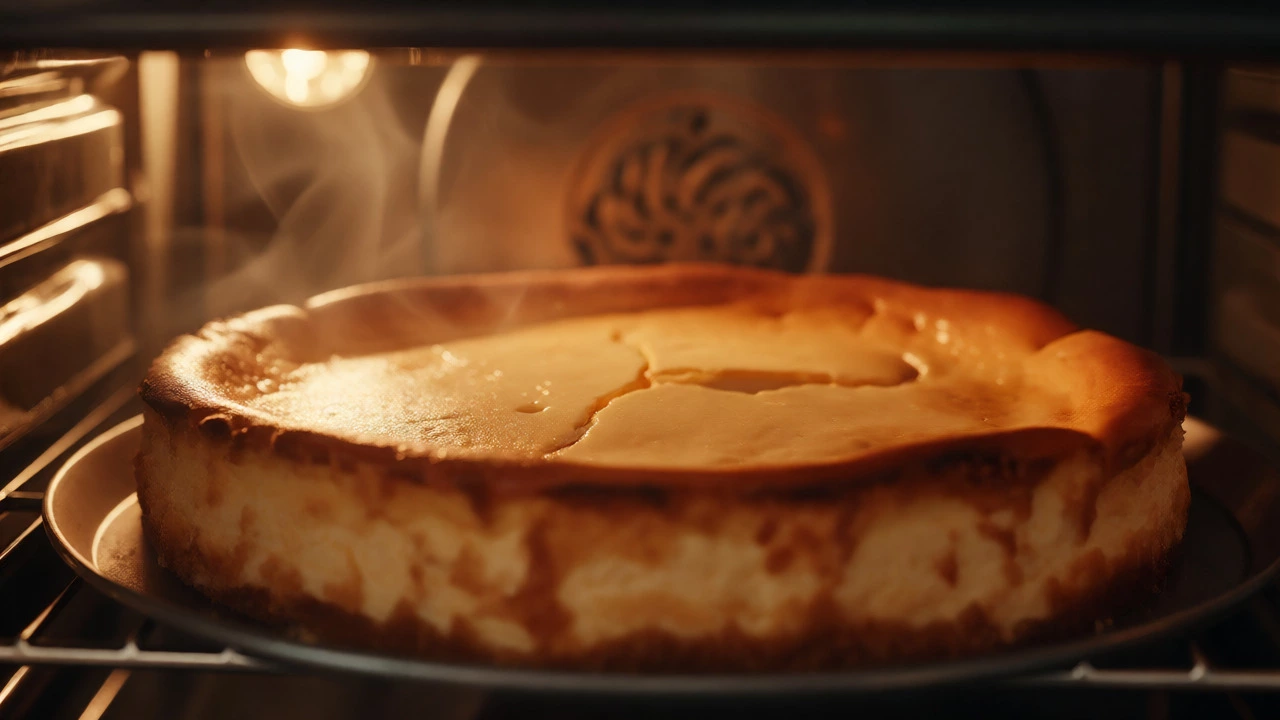
Baking Adjustments for Higher Egg Ratios
If you decide to add that extra egg, tweak your baking process slightly. High-egg batters are more sensitive to heat. They curdle easily if overheated.
- Lower the Temperature: Bake at 300°F (150°C) instead of 325°F or 350°F. This gentle heat cooks the eggs evenly without scrambling them.
- Use a Water Bath: This is non-negotiable for high-egg cheesecakes. The steam keeps the environment moist and regulates the temperature, preventing the edges from cooking too fast.
- Check Early: Start checking for doneness 10 minutes earlier than usual. The center should still jiggle slightly like Jell-O. Residual heat will finish the cooking.
- Cool Slowly: Turn off the oven, crack the door, and leave the cheesecake inside for an hour. This gradual cooling prevents thermal shock, which causes cracks.
Common Mistakes to Avoid
Many people add an extra egg and ruin their cheesecake because they ignore other factors. Here are the pitfalls:
| Aspect | Standard Ratio (1 egg/8oz) | High Ratio (+1 Egg) |
|---|---|---|
| Texture | Creamy, smooth, slight jiggle | Dense, firm, minimal jiggle |
| Flavor | Milky, mild | Richer, potential eggy note |
| Slicing | Can crumble if underbaked | Holds shape perfectly |
| Risk | Under-setting | Rubbery texture, cracks |
First, don’t cold eggs. Room temperature eggs incorporate better. Cold eggs can cause the batter to curdle when mixed with room-temp cream cheese, leading to a lumpy texture. Take your eggs out of the fridge an hour before baking.
Second, don’t skip the strain. If you are concerned about texture, strain your batter through a fine-mesh sieve before pouring it into the crust. This removes any unmixed egg chalazae or bits of shell, ensuring a silky-smooth final product.
Third, respect the resting time. Cheesecake continues to set as it cools. If you cut into it while warm, especially with a high-egg ratio, it will look runny. Refrigerate for at least 4 hours, preferably overnight, before slicing.
Final Thoughts on Experimentation
Baking is science, but it’s also personal preference. There is no single "correct" number of eggs. Some professional chefs swear by two extra eggs for a super-dense NY style. Others stick to the minimum for a lighter feel. Use this knowledge to tailor the recipe to your taste.
If you love a thick, indulgent slice that feels like a meal, add the egg. If you prefer a delicate dessert that doesn’t weigh you down, leave it out. Keep notes on what you change. Your future self will thank you when you nail the perfect cheesecake consistently.
Will adding an extra egg make my cheesecake dry?
Not necessarily. Eggs contain moisture. However, if you overbake a high-egg cheesecake, the proteins tighten excessively, squeezing out moisture and making it dry. Baking low and slow prevents this.
Can I replace the extra egg with something else?
Yes. For structure, you can use cornstarch or flour. For richness, add an extra yolk only (not the white). For moisture, add a tablespoon of sour cream or heavy cream. Each substitute changes the texture differently.
Why did my cheesecake crack after adding an extra egg?
Cracks usually happen due to rapid temperature changes or over-mixing. High-egg batters contract more when cooling. Using a water bath and cooling the cheesecake gradually in the turned-off oven helps prevent this.
Does the type of egg matter?
Size matters. Standard recipes assume large eggs (approx. 50g without shell). Using jumbo eggs adds more liquid and protein than intended. Stick to large eggs for consistent results, or adjust weights if using different sizes.
Is it safe to eat cheesecake with an extra egg if the center is soft?
Yes, if it has reached an internal temperature of 150°F (65°C). The residual heat during cooling brings it to a safe temperature. The soft center is normal; it firms up in the fridge.