Fudge Temperature & Altitude Calculator
Settings
Enter altitude and temperature to get results.
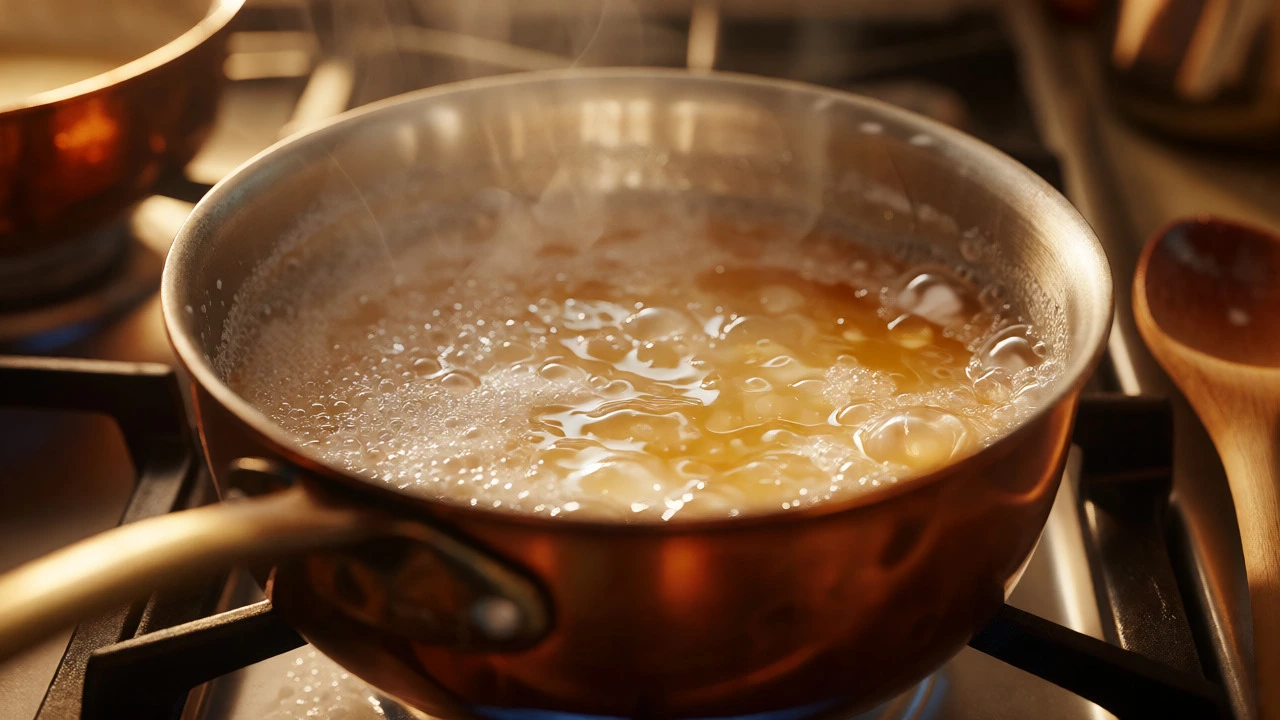
You’ve mixed the sugar, milk, and butter. You’re watching the pot bubble, wondering if you should stir it more or let it sit. Then comes the big question: why does fudge need to boil at all? Can’t you just mix it cold like a glaze? If you skip the boil, you don’t get fudge-you get sticky syrup that never sets right. The boiling process is what transforms simple ingredients into that creamy, melt-in-your-mouth treat we all crave.
Fudge is a type of soft confectionery made from sugar, butter, and milk heated to a specific temperature to control crystal formation. Unlike hard candies or caramel, fudge relies on tiny sugar crystals suspended in a liquid matrix to create its signature smooth texture. This structure doesn’t happen by accident; it’s engineered through heat, timing, and agitation.
The Chemistry of Sugar Crystals
Think of sugar as a building block. In its raw form, it’s granular and gritty. When you dissolve sugar in water or milk and heat it, those granules break down completely into individual molecules. This creates a supersaturated solution-meaning there’s more sugar dissolved than would normally fit at room temperature. But here’s the catch: if you cool this solution too slowly or without stirring, large crystals form. Large crystals feel gritty between your teeth. Nobody wants crunchy fudge unless they’re adding nuts intentionally.
Boiling forces water out of the mixture. As the water evaporates, the concentration of sugar increases dramatically. By hitting the right temperature, you ensure enough water leaves so that when the mixture cools, it becomes thick enough to trap air and hold shape, but not so dry that it turns into rock candy. It’s a delicate balance. Too little boiling, and your fudge stays runny. Too much, and it becomes crumbly or chewy like taffy.
Hitting the Soft Ball Stage
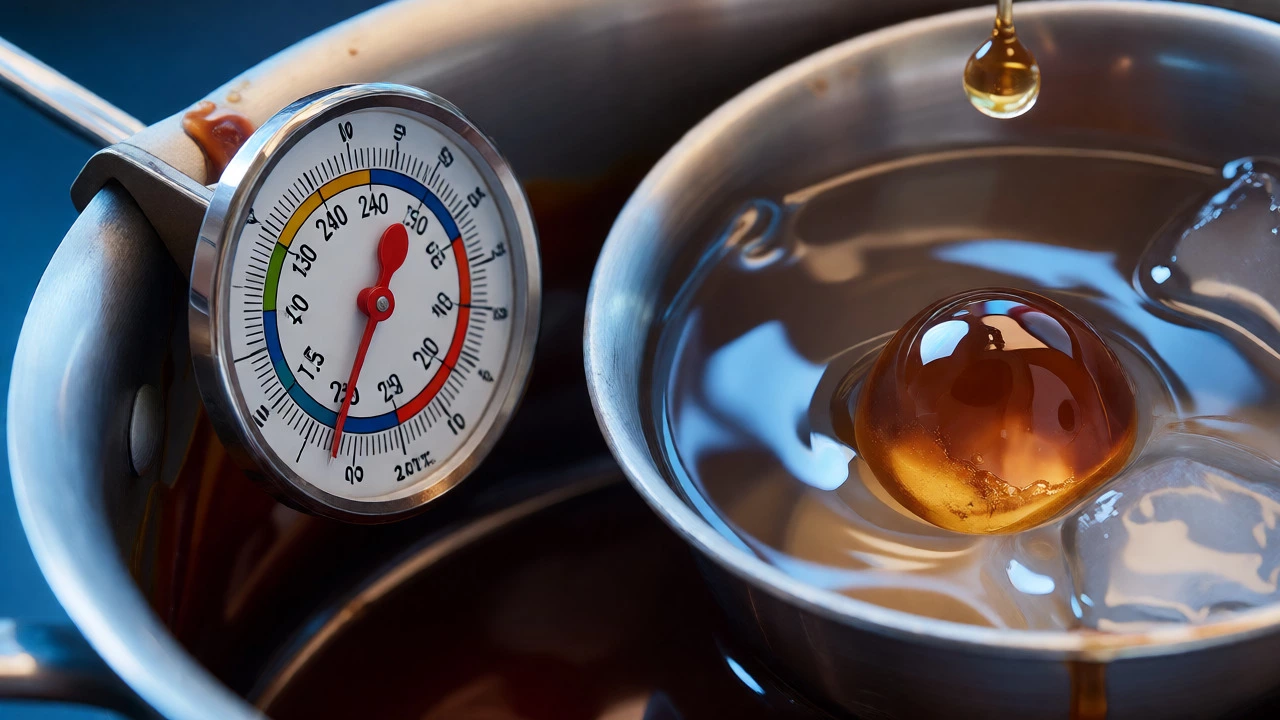
Candy makers use temperature stages to gauge progress. For fudge, the target is the Soft Ball Stage, which occurs between 235°F and 240°F (112°C-116°C). Why this specific range? At these temperatures, the sugar concentration reaches about 85%. When dropped into cold water, the syrup forms a soft, pliable ball that flattens quickly when removed. This indicates the perfect moisture content for creamy fudge.
If you go below 235°F, the fudge won’t set properly. It’ll remain tacky and slide off the knife. If you exceed 240°F, you’re entering the firm ball territory, which leads to harder, chewier textures suitable for caramels but not classic fudge. A reliable candy thermometer is non-negotiable here. Guessing based on color alone often fails because high-altitude cooking changes boiling points significantly.
| Temperature Range | Stage Name | Resulting Texture | Best Use |
|---|---|---|---|
| 230°F - 234°F | Thread Stage | Syrup-like, very soft | Drizzles, sauces |
| 235°F - 240°F | Soft Ball | Creamy, smooth, sliceable | Fudge, fondant |
| 242°F - 248°F | Firm Ball | Chewy, holds shape | Caramels, gummies |
| 250°F - 266°F | Hard Ball | Stiff, rubbery | Nougat, marshmallows |
Agitation: Stirring After Boiling
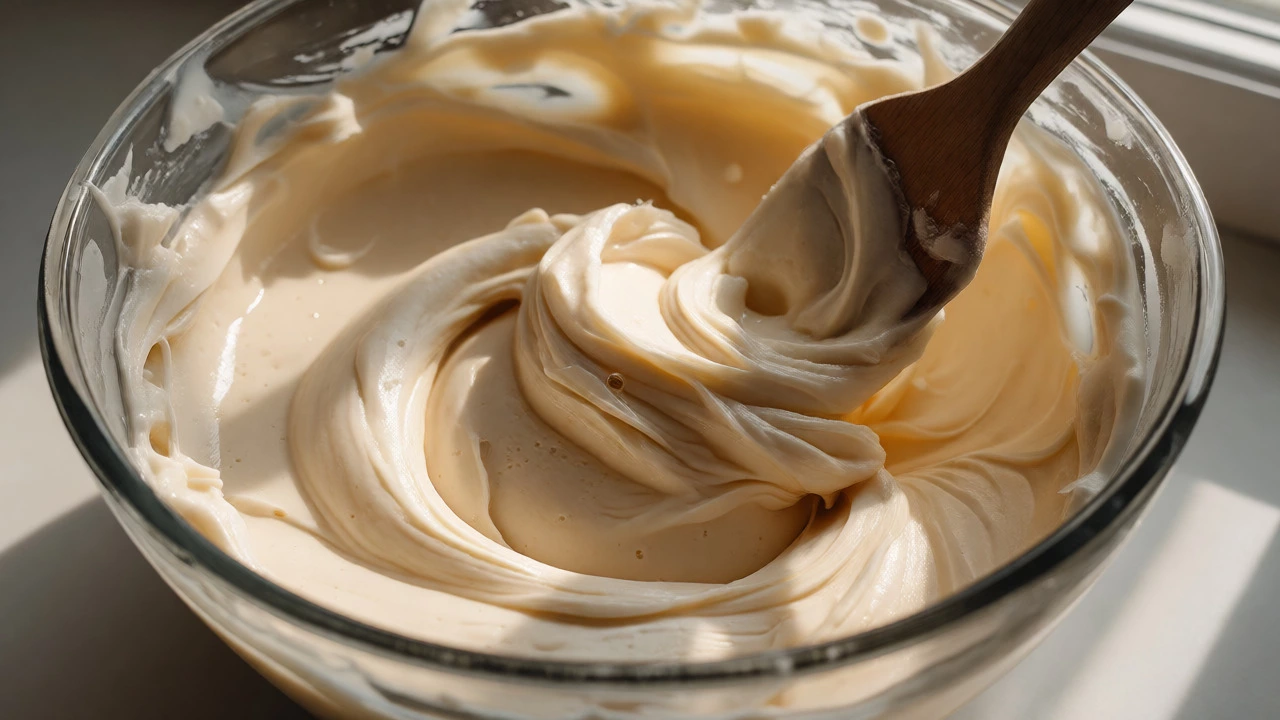
Once you hit the target temperature, you pull the pot off the heat. Now comes the critical step: beating the mixture. This isn’t about mixing ingredients anymore-it’s about controlling crystallization. When hot syrup cools slightly (usually around 110°F or 43°C), it becomes unstable. Agitating it introduces microscopic air bubbles and encourages thousands of tiny sugar crystals to form simultaneously rather than a few large ones.
Watch for the change in appearance. The glossy, translucent syrup will turn opaque and matte. It thickens rapidly, losing its fluidity. Stop stirring once it loses shine and looks like thick frosting. Over-stirring can cause premature setting, leading to grainy fudge. Under-stirring results in large crystals and a sandy mouthfeel. Timing is everything. Most recipes suggest beating for 3-5 minutes after cooling slightly, but visual cues beat timers every time.
Common Mistakes That Ruin Fudge
Most failed batches come from ignoring one of three things: temperature accuracy, stirring technique, or ingredient ratios. Let’s break down the pitfalls:
- Stirring during boiling: Unless specified (like in some condensed milk recipes), avoid stirring while the mixture boils. Stirring introduces impurities and encourages early crystal formation, resulting in graininess. Swirl the pan gently instead.
- Ignoring humidity: Rainy days add moisture to the air, preventing proper evaporation. Your fudge may take longer to reach the soft ball stage or fail to set entirely. Add an extra minute of boiling on humid days.
- Using dirty equipment: Residual sugar crystals on the sides of the pot can fall into the syrup and act as seeds for large crystals. Wipe down the sides with a wet brush during the first few minutes of boiling.
Alternative Methods: No-Boil Fudge
Not all fudge requires boiling. No-boil fudge uses sweetened condensed milk and chocolate chips melted together without reaching candy temperatures. This method skips the crystallization phase entirely. Instead, it relies on the solidification of cocoa butter and fats as it cools. The result is smoother and denser but lacks the traditional “bite” of cooked fudge.
Choose no-boil if you want speed and simplicity. Choose boiled fudge if you prefer the authentic, airy texture and deeper caramelized flavor developed during heating. Both are valid, but understanding why you boil traditional fudge helps you troubleshoot when things go wrong.
Troubleshooting Guide
If your fudge didn’t turn out right, diagnose the issue before throwing it away:
- Grainy texture: Likely caused by stirring too early or having undissolved sugar crystals. Next time, dissolve sugar completely over low heat before increasing temperature.
- Too soft/runny: Didn’t reach the soft ball stage. Reheat carefully, adding a tablespoon of cream if needed, and monitor temperature closely.
- Crumbly/dry: Overcooked past 240°F. Try reheating with a splash of warm milk and beating again until smooth.
- Greasy separation: Butter broke out of the emulsion due to excessive heat or rapid cooling. Keep heat moderate and stir continuously during the final beat.
Can I make fudge without boiling?
Yes, using the no-boil method with condensed milk and chocolate. However, this produces a different texture-denser and smoother-compared to the light, crystalline structure of traditionally boiled fudge.
What happens if I don't boil fudge long enough?
If you don't reach the soft ball stage (235°F-240°F), there won't be enough sugar concentration to form a stable structure. The fudge will remain sticky, runny, and fail to set firmly.
Why does my fudge become grainy?
Graininess usually results from large sugar crystals forming due to stirring during the boiling phase, undissolved sugar grains, or cooling too slowly without agitation. Proper technique ensures only microscopic crystals form.
Does altitude affect boiling fudge?
Absolutely. Water boils at lower temperatures at higher altitudes. For every 500 feet above sea level, reduce the target cooking temperature by 1°F. Otherwise, your fudge will overcook relative to the local boiling point.
How do I know when to stop beating fudge?
Stop beating when the mixture loses its glossy sheen and becomes thick, matte, and difficult to stir. This usually takes 3-5 minutes after cooling to about 110°F. Over-beating makes it crumbly.