Gluten Free Baking Made Simple
If you’ve ever tried a gluten‑free cake that tasted like cardboard, you’re not alone. The good news is, with the right ingredients and a few tricks, you can bake desserts that are just as tasty and moist as their wheat‑based counterparts. Below you’ll find straightforward advice on picking flours, fixing texture, and keeping flavor front‑and‑center.
Choosing the Right Gluten‑Free Flour
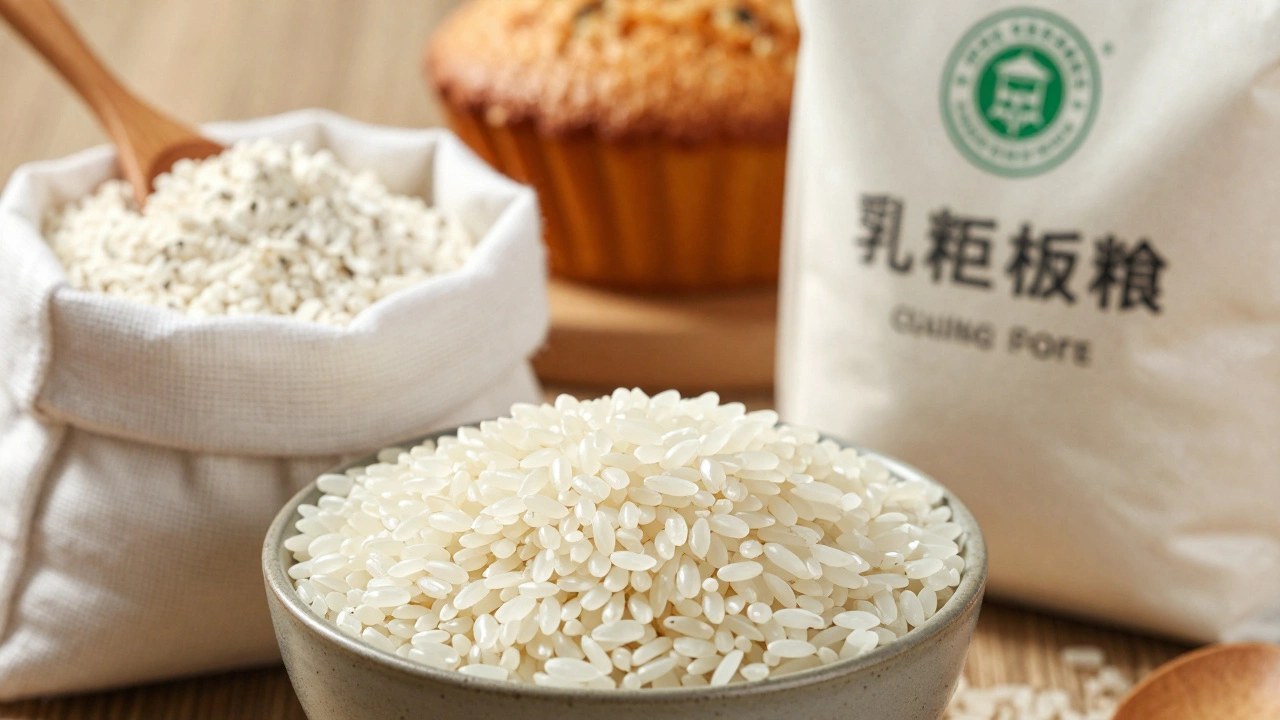
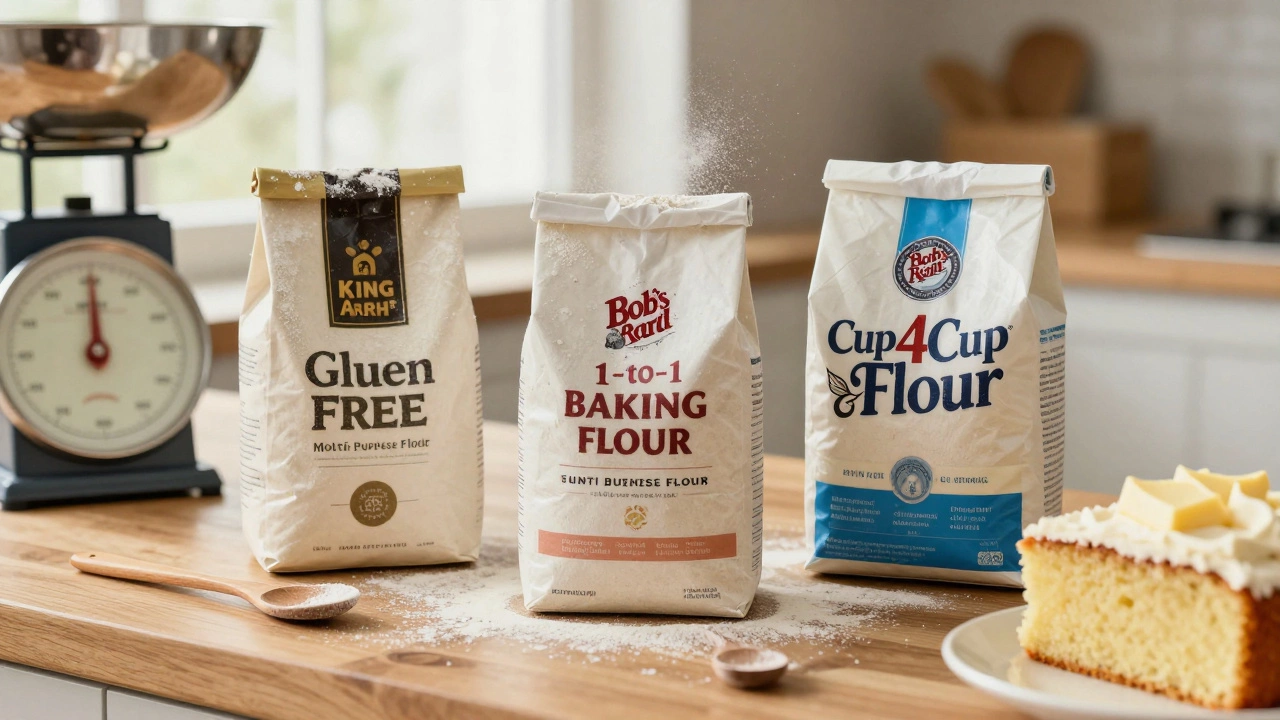
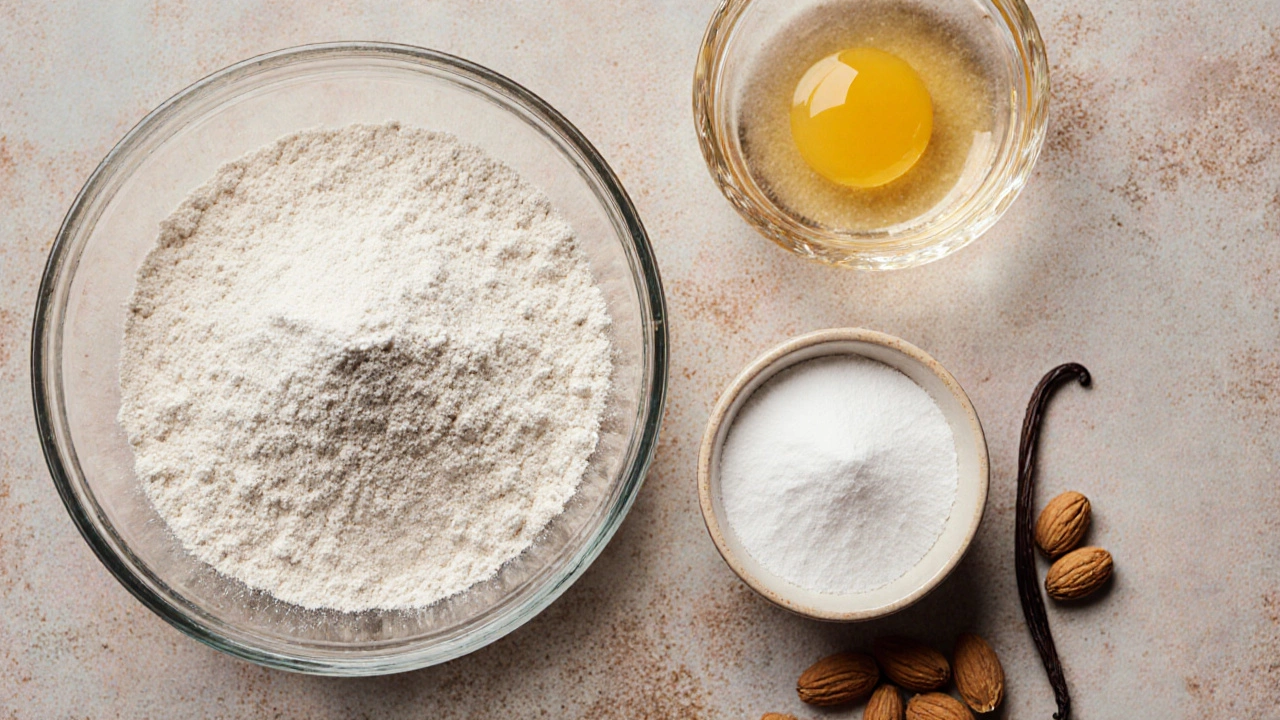
Not all gluten‑free flours behave the same. A blend that includes rice flour, tapioca starch, and potato starch gives a light crumb, while almond flour adds richness but can dry out a cake if you use too much. Look for pre‑mixed blends labeled “cake flour” – they usually have the right balance of starches and proteins.
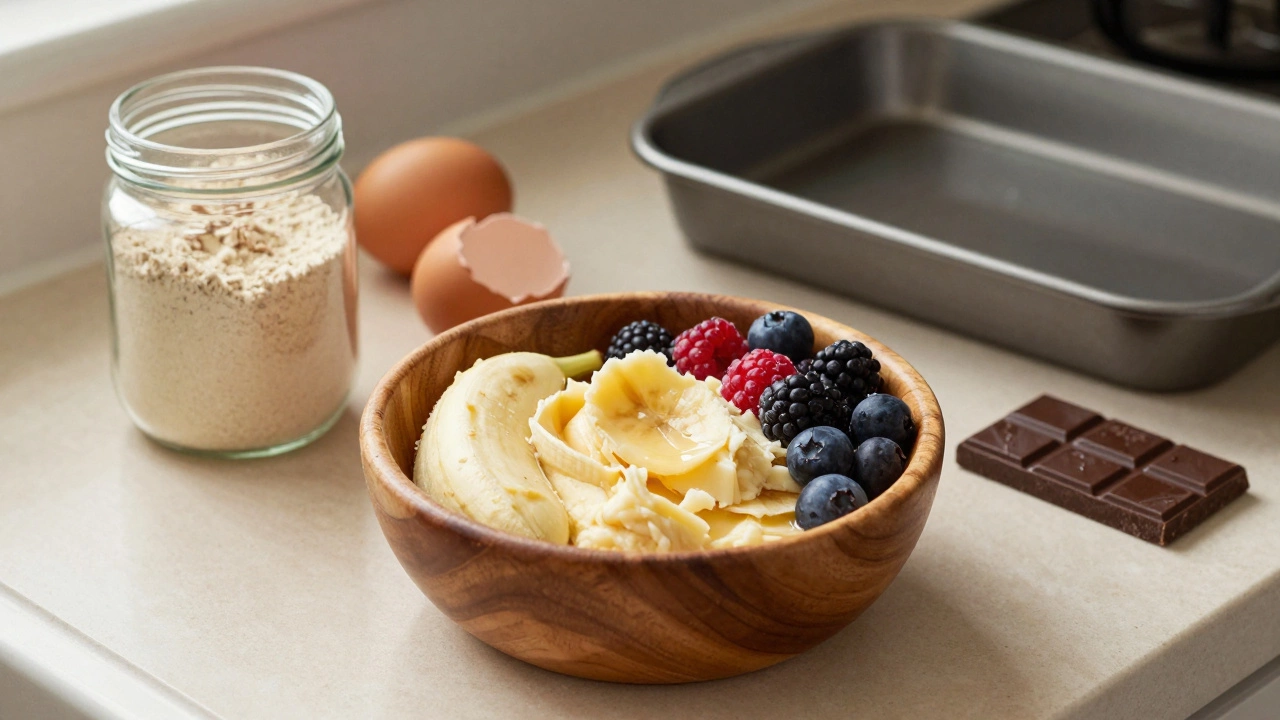
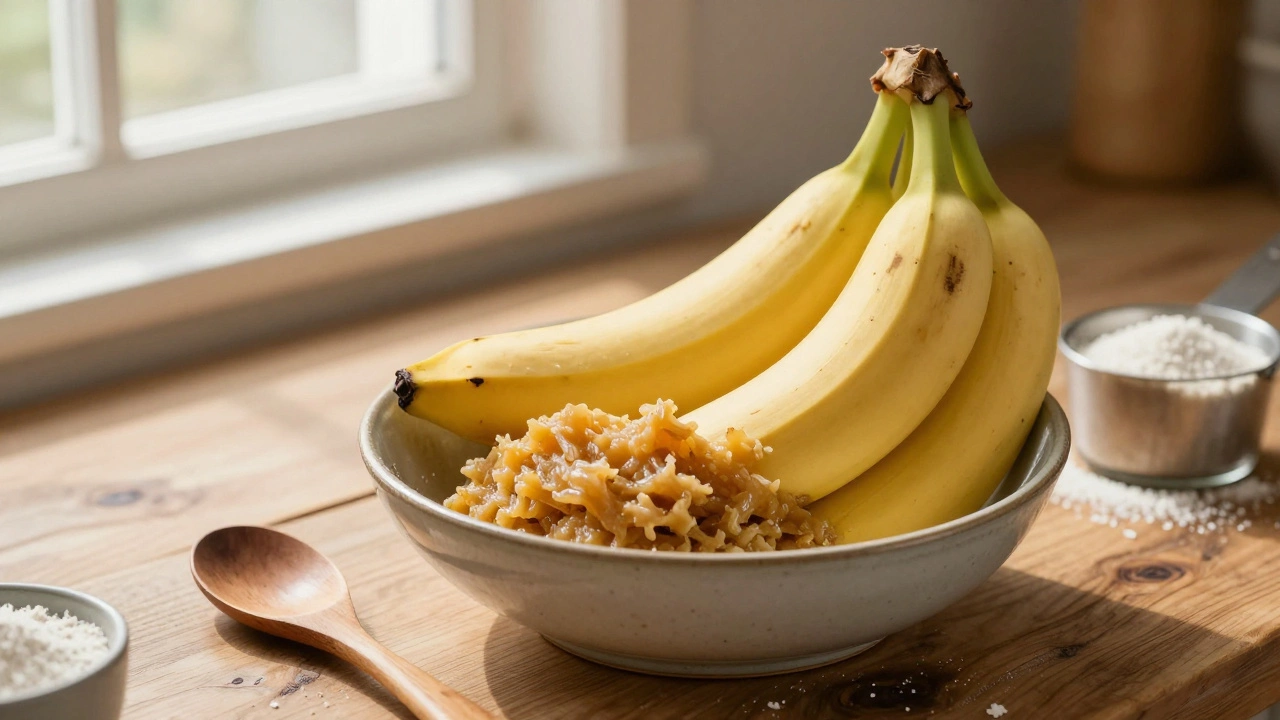
When you buy a single‑ingredient flour, be ready to experiment. For example, sorghum flour brings a mild, slightly sweet taste, but you’ll need to add a binder like xanthan gum (about ¼ tsp per cup of flour) to hold the cake together. If you’re avoiding gums, try adding extra eggs or a bit of mashed banana for natural binding.
Baking Moist Gluten‑Free Cakes
Moisture is the biggest challenge. A simple way to boost it is to replace part of the liquid with pureed fruit or yogurt. One quarter cup of applesauce or Greek yogurt per cup of liquid adds humidity without changing flavor too much.
Don’t overmix the batter. Gluten‑free dough doesn’t develop gluten, so stirring too much can make the batter gummy. Mix until the ingredients are just combined, then stop.
Temperature matters too. Bake at a slightly lower heat (about 325°F or 160°C) and add a few extra minutes if the cake looks dry on top. This gentle approach lets the crumb set without drying out the edges.
Finally, let the cake rest. Gluten‑free baked goods benefit from a short cooling period—about 10 minutes in the pan, then transfer to a wire rack. This prevents the cake from collapsing and keeps the texture airy.
With these basics, you can tackle anything from chocolate souffle to vanilla sponge without worrying about gluten. Grab a trusted flour blend, follow the moisture tips, and you’ll be serving up delicious, celiac‑friendly desserts in no time.